How to Read a Fused Silica COA for Electronics-Grade Qualification
A buyer-focused guide to reviewing fused silica COA fields, methods, lot traceability and customer qualification evidence for electronics applications.
Procurement checklist · Electronics-grade filler
A useful fused silica COA is not a collection of isolated numbers. It must identify the lot, method, units and acceptance boundary so a buyer can connect incoming powder evidence to the intended electronics process.
Define the Material Before Reading the Numbers
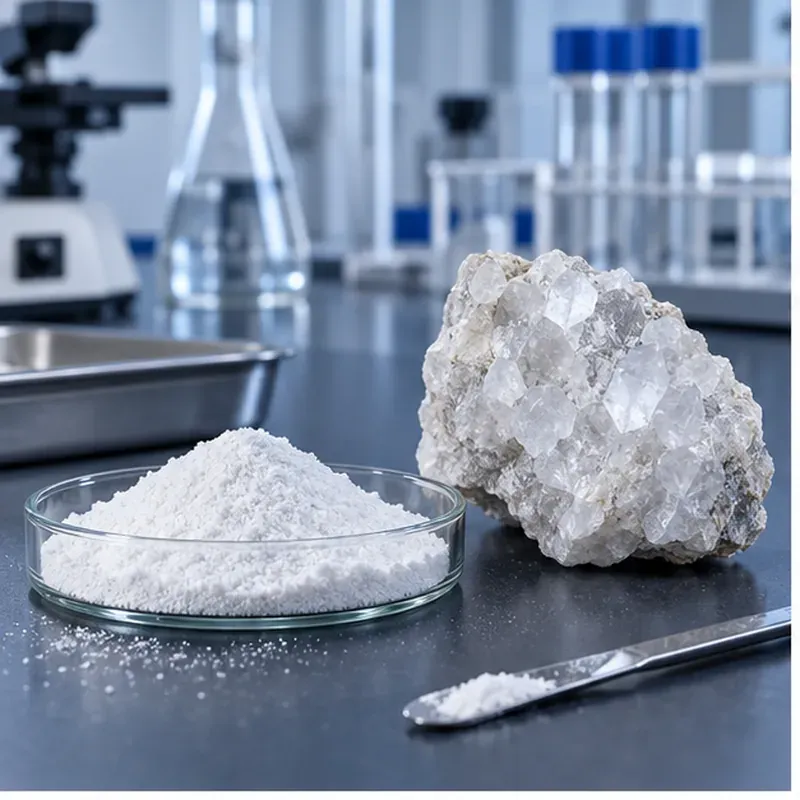
Fused silica is amorphous silica produced through a fusion route. It is not natural ground quartz and not cristobalite. Ask the supplier to state product identity, grade, manufacturing route, surface treatment status, lot number and document revision. Where phase identity is critical, agree the verification method before ordering. Generic “silica” wording is not sufficient for an electronics qualification file.
COA Field Review
| Field | What a buyer should see | Common gap |
|---|---|---|
| SiO₂ / impurity profile | Grade-specific limit, method and reported units | A purity claim without analytical basis |
| PSD | D10/D50/D90 in μm plus test preparation | Comparing values measured by different methods |
| Moisture / loss on drying | Temperature, time, method and lot result | No link to storage or opening condition |
| Ionic contaminants | Elements/ions required by the application and detection method | “Electronics grade” used without a customer-agreed list |
| Magnetic / metallic matter | Test definition and acceptance limit when relevant | Undefined internal terminology |
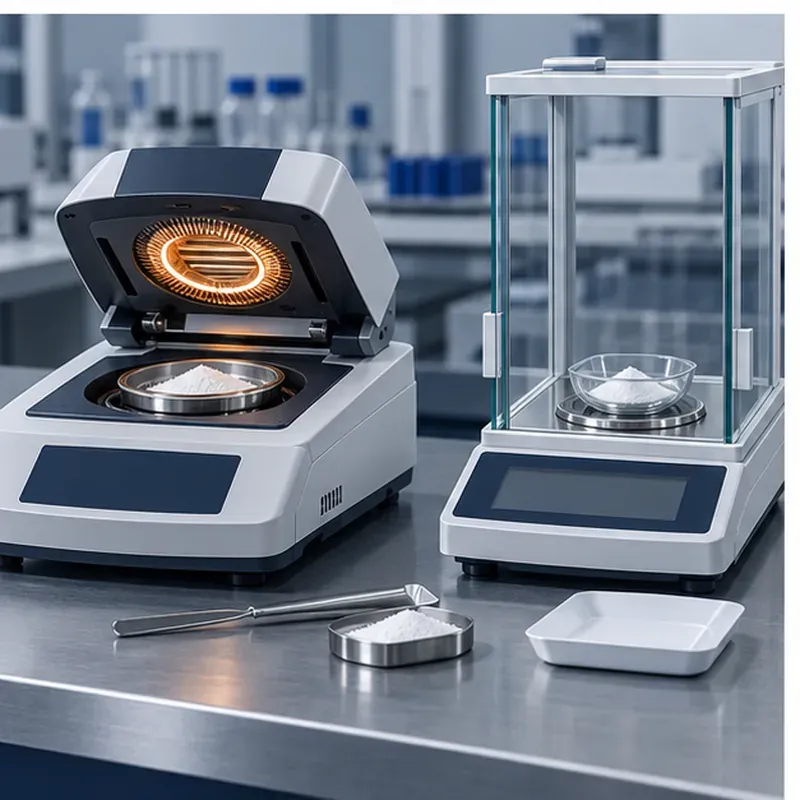
Three-Level Qualification File
- Supplier document level: current TDS, lot COA, SDS, packaging statement and change-control contact.
- Incoming material level: identity, moisture, PSD and any customer-critical impurity checks using agreed methods.
- Process and device level: dispersion, viscosity, filtration, cure, dimensional behavior, insulation and reliability tests in the customer formulation.
Lot-to-Lot Control and Change Management
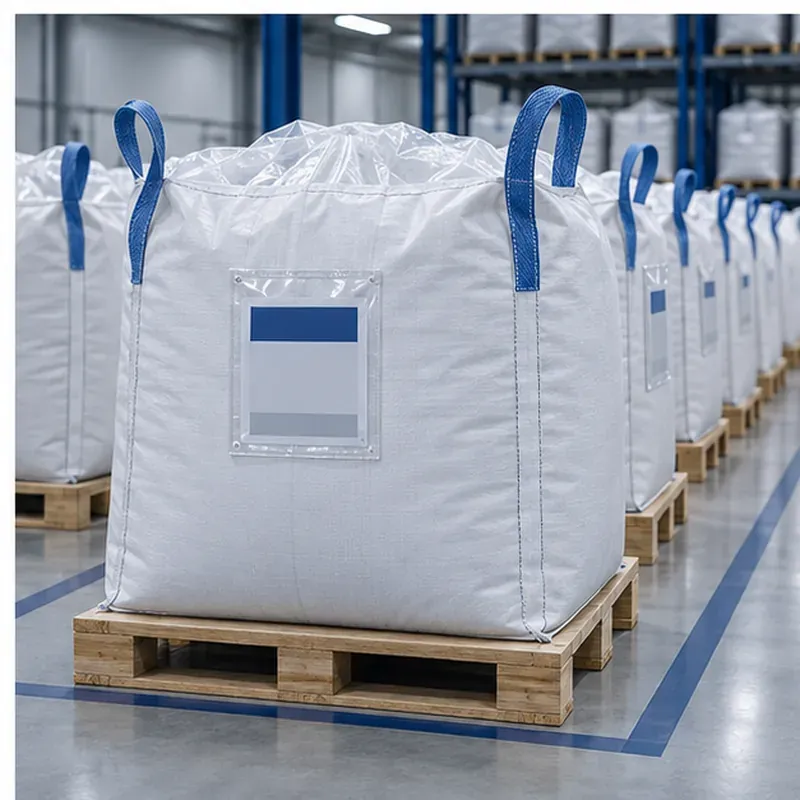
Retain the customer-approved baseline and compare future lots with the same methods. Define which changes require notification: raw-material source, furnace route, milling/classification, surface treatment, packaging, test method or specification limit. A COA confirms selected release items; it does not replace process validation or the customer’s finished-component testing.
Related Changtong Products
See the fused silica product range, review silica qualification guides, or submit your controlled specification through Request a Quote.
FAQ
Is a TDS the same as a COA?
No. A TDS describes a grade and typical or specification information; a COA reports release data for an identified lot.
Which values should appear on every COA?
The answer is application-specific. Agree the critical release fields, methods, units and limits during qualification instead of assuming every available test belongs on every lot document.
Request an Electronics-Grade Documentation Review
Provide the application, resin system, critical impurities, PSD window, moisture limit, packaging preference, annual demand and required quality documents.
Request a Quote