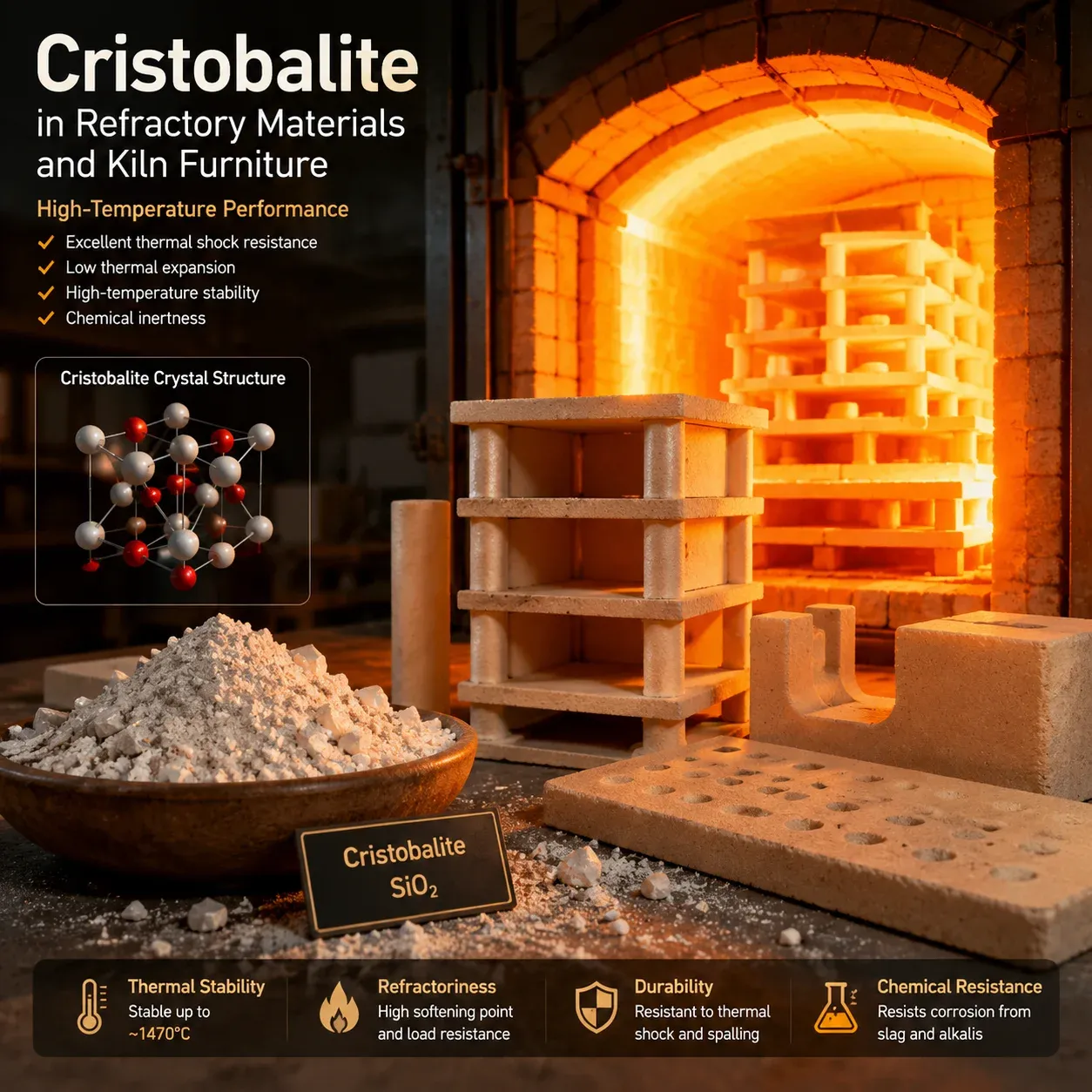
How Is Cristobalite Flour Made: Process and Particle Size
Learn how cristobalite flour is produced through phase conversion, grinding, classification, and particle-size control.
Technical Knowledge
Read practical guidance on silica material selection, particle size, manufacturing, quality documentation and industrial applications.

Learn how cristobalite flour is produced through phase conversion, grinding, classification, and particle-size control.

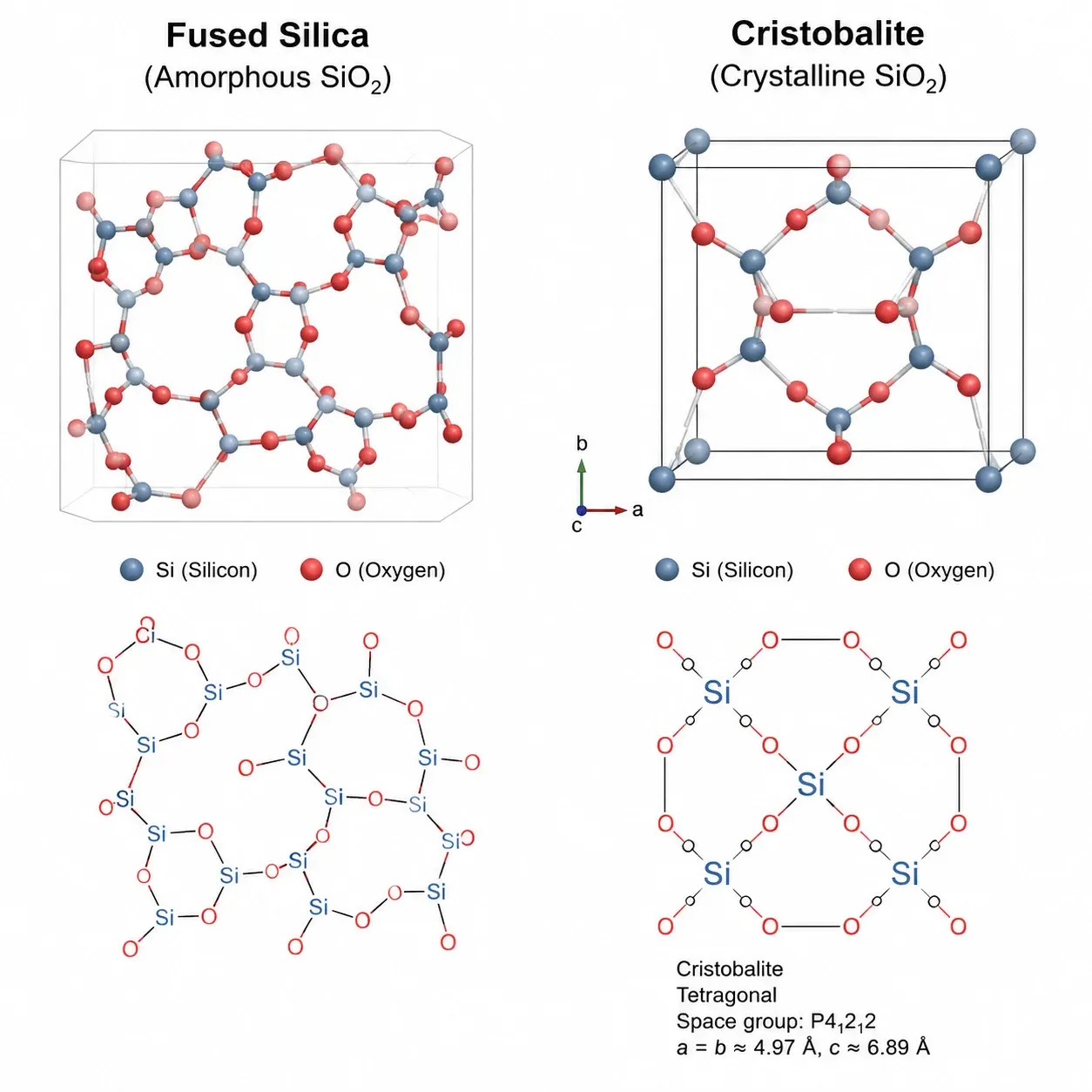
Compare fused silica, cristobalite, and crystalline quartz by structure, properties, process fit, and purchasing questions.

Learn how to evaluate fused silica for investment casting using chemistry, particle size, slurry behavior, and firing requirements.

Understand how particle size distribution affects silica powder packing, flow, dispersion, and process consistency.

Learn which silica powder quality documents to request, including specifications, lot records, safety information, and test evidence.

Learn how to control crystalline silica dust during receiving, transfer, mixing, cleanup, and packaging with a practical facility checklist.

Compare silica powder mesh sizes with micron ranges, understand sieve limits, and write clearer specifications for industrial purchasing.

See how natural quartz becomes crystalline silica powder through selection, crushing, grinding, classification, quality testing and dust-controlled packing.

Learn how Changtong connects COA, TDS, SDS and XRD records into a grade and lot review process while keeping historical evidence within its documented scope.

See how Changtong routes silica material inquiries by application, phase, particle-size method, chemistry limits and document scope before a grade is approved.
Related Silica Products
Review representative fused silica, cristobalite and crystalline silica products alongside the technical guidance for each material and application.

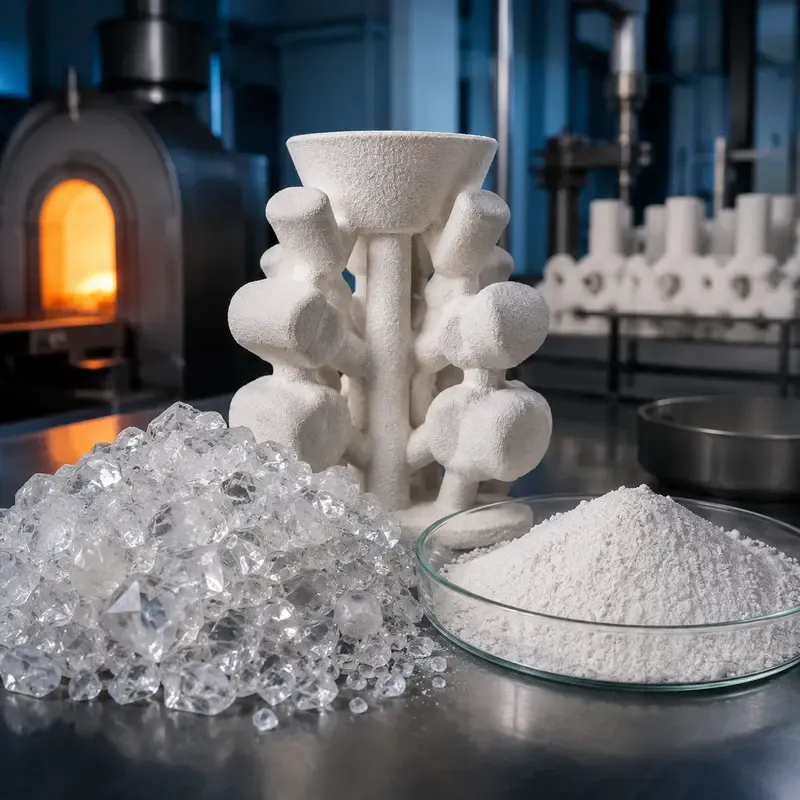
Cristobalite flour for jewelry investment casting, with white appearance, controlled M3000–M6000 options and particle-size data for wax-tree and flask evaluation. Confirm grade, packing and process requirements before ordering.

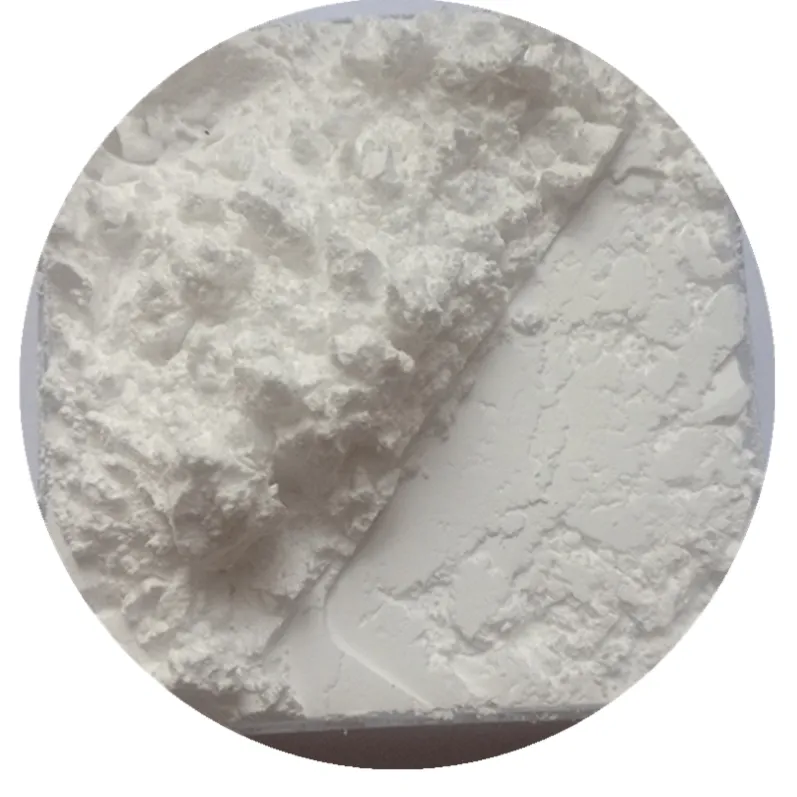
Cristobalite powder for dental investment materials, produced from selected white quartz by calcination, grinding, filtration, drying and sieving. Review M3000–M6000 grades, whiteness 90–98 and the approved particle-size data for dental casting trials.

Crystalline silica filler for electronic packaging and epoxy encapsulation, with a 2000–5000 mesh reference, whiteness ≥92, Mohs 7, good mobility and anti-overflow focus. Confirm the resin system and acceptance limits before sampling.