The Future of Silica Powder Testing: PSD, XRD and Digital Quality Data
Explore practical trends in silica powder testing, including method-specific PSD, phase evidence, digital COA records and lot-level review.
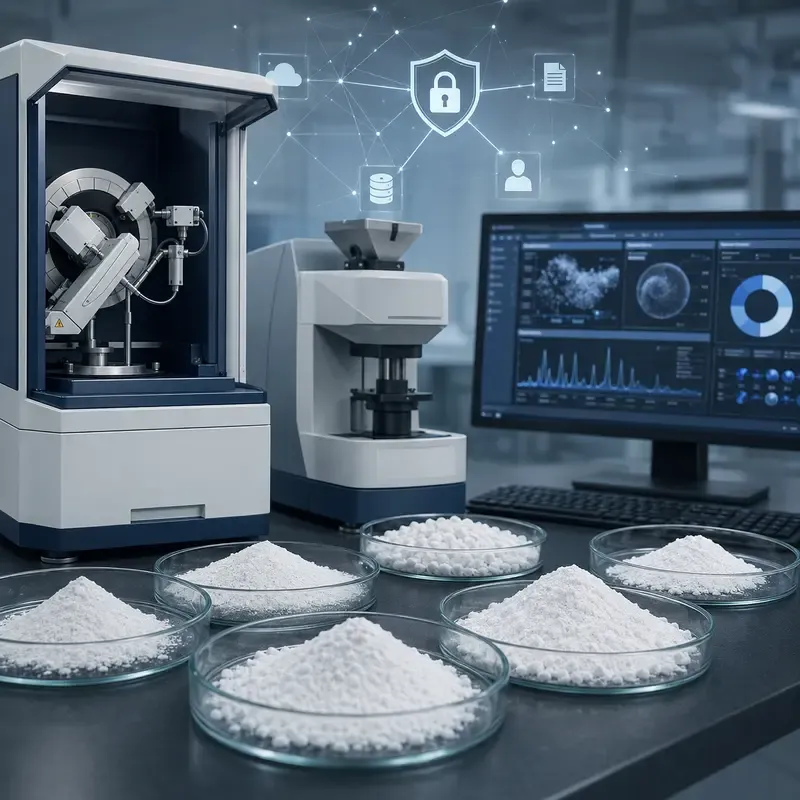
The useful testing trend is not “more numbers”; it is better connection between method, sample, lot and decision.
For silica powder buyers, particle-size distribution, phase evidence and digital records are becoming more useful when they are traceable and application-specific. A digital file does not make an unsupported result reliable; the test scope still comes first.
Last updated:
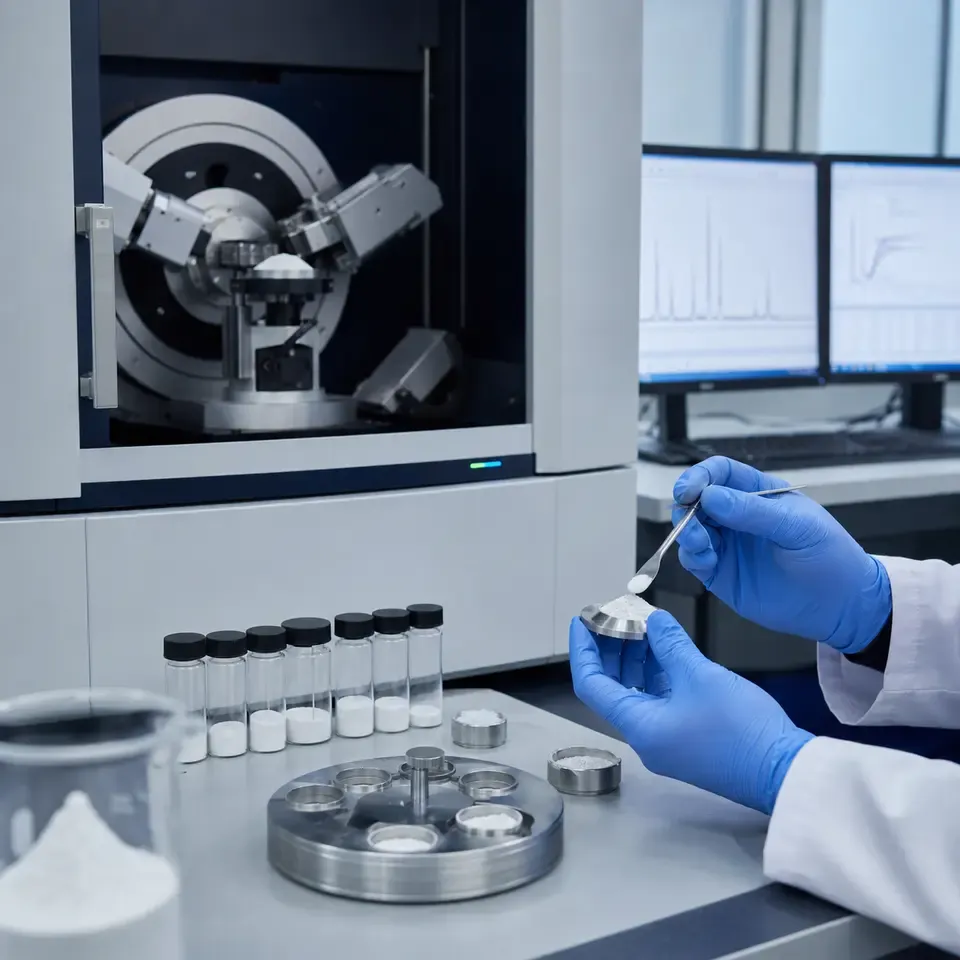
Three Testing Trends That Matter to Buyers
| Trend | Practical change | Buyer question |
|---|---|---|
| Method-specific PSD | Mesh, sieve and laser results are recorded with method and sample scope. | Does the reported distribution match our acceptance method? |
| Defined phase evidence | XRD or other phase evidence is tied to a named sample and question. | Is the result current and relevant to this material route? |
| Digital quality files | COA, TDS, SDS and shipment records are easier to search and compare. | Can we trace revision, lot and approval status? |
Digital Records Cannot Fix a Weak Test Scope
A searchable PDF or electronic COA is useful only if the source record identifies the material, method, date, result, units and limit. For example, a laser-diffraction value without dispersion conditions may be difficult to compare with a sieve value. Likewise, an XRD report without sample identity cannot be safely transferred to a different lot.

A Future-Ready Review Checklist
| Record field | Minimum information | Why it protects the decision |
|---|---|---|
| Material | Product family, grade and route. | Prevents cross-family comparisons. |
| Sample | Lot or sample identifier and date. | Defines what the result represents. |
| Method | Instrument or standard method, units and conditions. | Enables like-for-like comparison. |
| Result | Measured value, limit and status. | Separates information from release evidence. |
| Revision | Document owner, revision and effective date. | Prevents outdated files from controlling a new shipment. |
Changtong’s current document set illustrates why the boundaries matter: a fused silica COA, an investment-casting grade sheet and a historical XRD report answer different questions. The proper trend is to connect them without treating them as interchangeable.
Frequently Asked Questions
Is digital COA the same as certified data?
No. Digital format improves access and traceability; validity still depends on the test method, sample identity and approval scope.
Will XRD replace particle-size testing?
No. XRD and PSD answer different questions: phase/structure versus particle-size distribution.
What should buyers standardize first?
Standardize the material identity, particle-size method, lot identifier, document revision and acceptance limit.
Related Changtong Products
Testing requirements should be tied to the material route. Compare Fused Silica Powder 325 Mesh with General-Purpose Crystalline Silica Powder 325 Mesh when defining phase, chemistry and particle-size evidence.
References
- ISO 13320 particle-size analysis by laser diffraction.
- U.S. Geological Survey silica statistics and information.
- Changtong quality evidence chain.
Plan a Method-Specific Testing Review
Share the grade, lot, particle-size method and phase question before comparing data.
Contact Changtong quality team