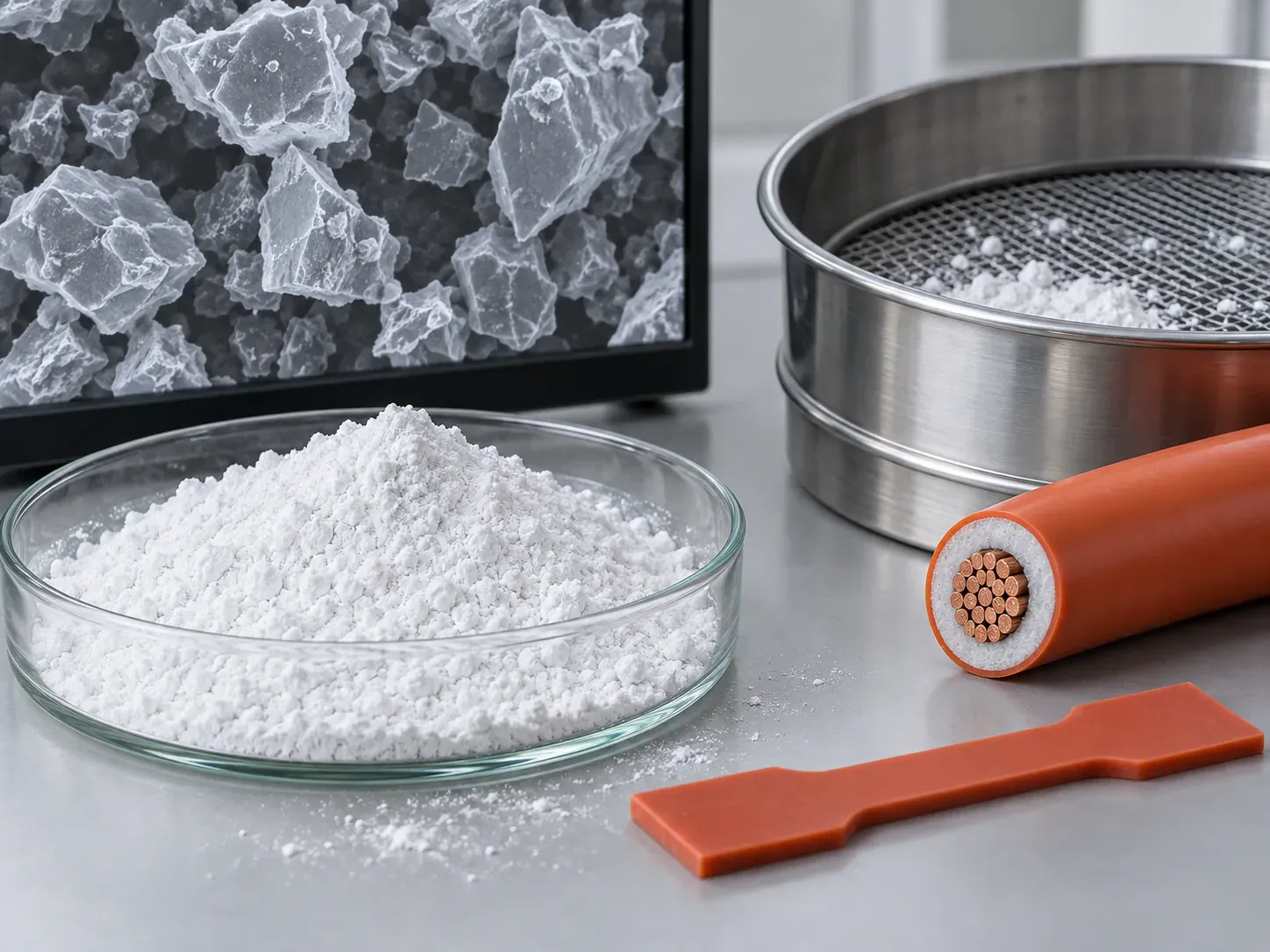
Cristobalite Powder for EV High-Voltage Silicone Cable Compounds
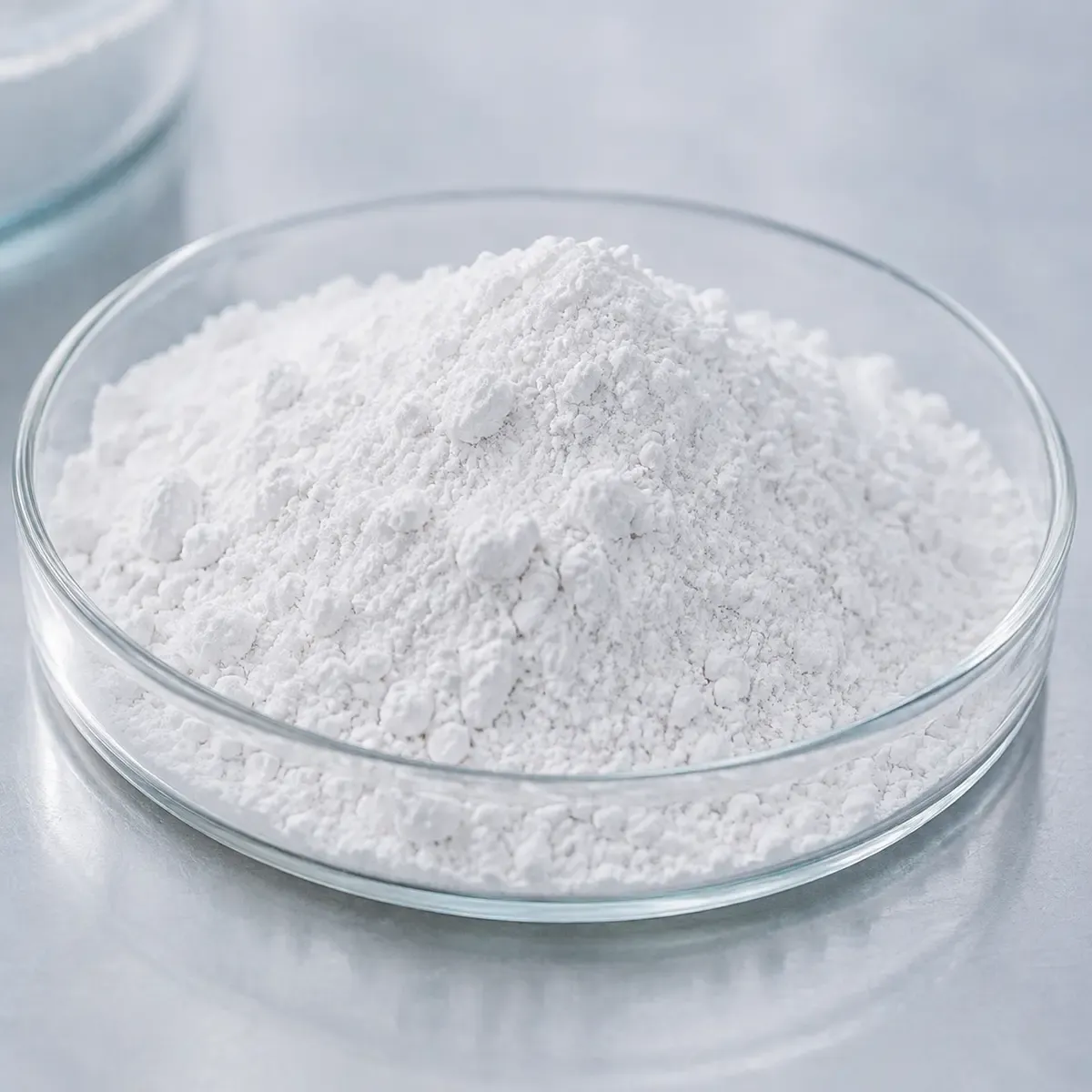
M4000 calcined cristobalite powder for EV high-voltage silicone cable compound trials. A supplied batch reports D50 6.15 μm, SiO2 99.63%, Fe2O3 0.009%, moisture 0.1% and whiteness 94%; qualify dispersion, cure, electrical insulation and finished-cable performance in the customer’s formulation.
Specifications
- Mesh Size
- 200mesh,325mesh,M400,M600,M3000,M4000,M6000
- Particle Size
- 3-5mm,1-3mm,1-0.5mm,0.5-0.2mm,0.1-0.2mm,0.1-0mm(120mesh),0.075mm(200mesh)
- SiO₂ Content
- 99.3-99.7%
- Fe₂O₃
- <0.015%
- Specific Gravity
- 2.30 g/cm³
- Whiteness
- 90-98
- Moh's hardness
- 6.5
- Conversion-related parameter
- 80-95%
CALCINED CRISTOBALITE FOR EV CABLE COMPOUNDS
M4000 starting grade for high-voltage silicone cable trials.
Product Overview
Changtong M4000 calcined cristobalite is a mineral filler starting point for EV high-voltage silicone cable compounds. The submitted sample reports D50 6.15 μm, SiO₂ 99.63%, Fe₂O₃ 0.009%, moisture 0.1% and whiteness 94%.
These values are sample-specific. Confirm the current TDS/COA, silicone compatibility, target hardness, extrusion route and electrical standard before production approval.
Material Identity and Grade Information
Grade-specific information — confirm the selected grade and test values before production use.
Material
Calcined cristobalite in the crystalline silica category.
Reference grade
M4000; submitted D50 6.15 μm.
Use case
Silicone cable compound dispersion and insulation trials.
Properties and Specification
| Property | Submitted reference | Control point |
|---|---|---|
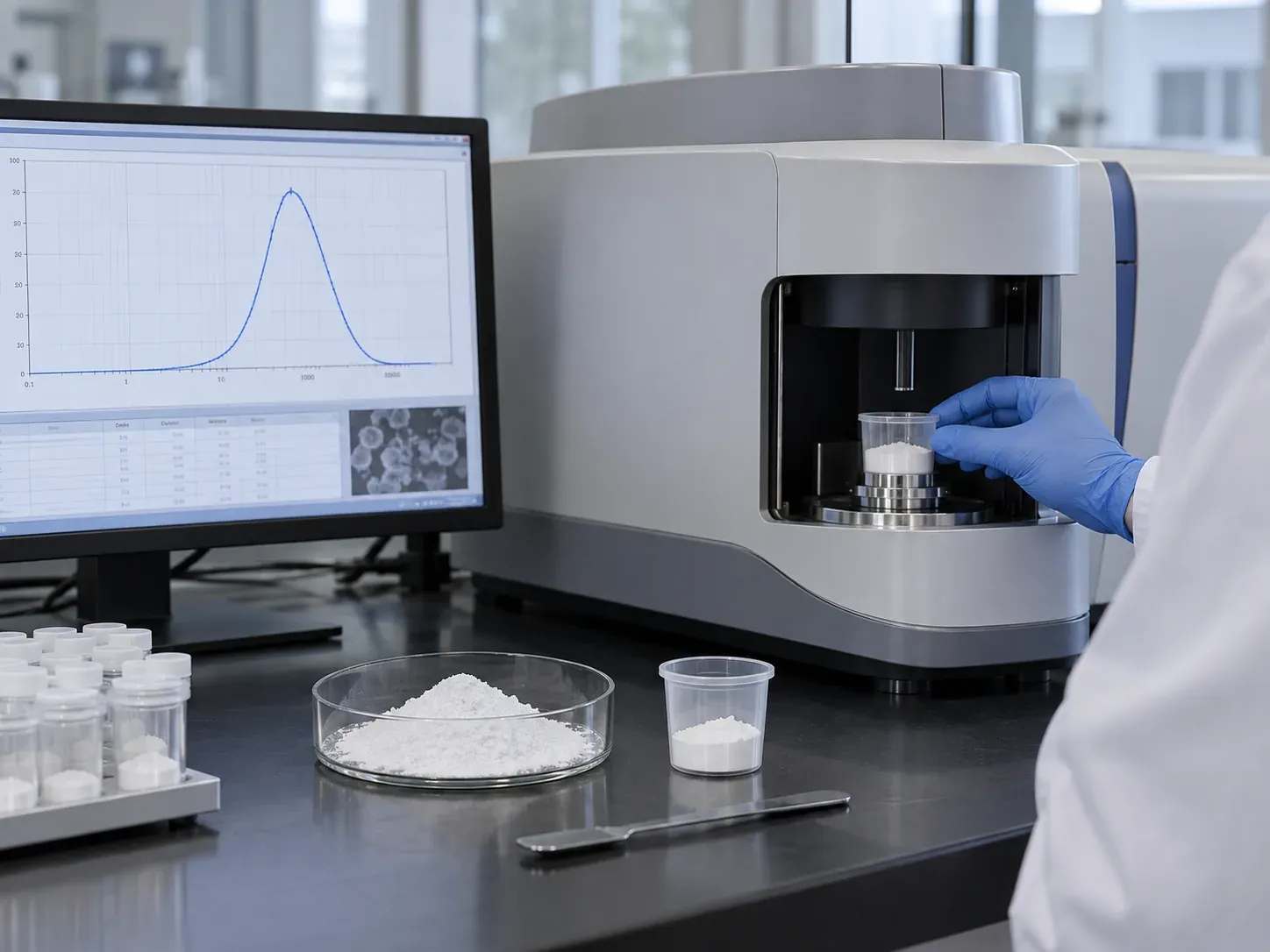
| D50 | 6.15 μm | Confirm method, D10/D90 and top cut by current TDS/COA. |
| SiO₂ | 99.63% | Crystalline silica reference range 99.3–99.7%; confirm lot value. |
| Fe₂O₃ | 0.009% | Check colour-sensitive compound limit with the customer. |
| Moisture | 0.1% | Confirm drying, storage and moisture method before mixing. |
| Whiteness | 94% | Reference appearance value; verify in the final compound. |
Data boundary: Reported values apply to Changtong sample 260820-1 dated 20 August 2026. They are not a universal production guarantee; final supply is grade-specific and subject to customer trial.
Applications for Calcined Cristobalite
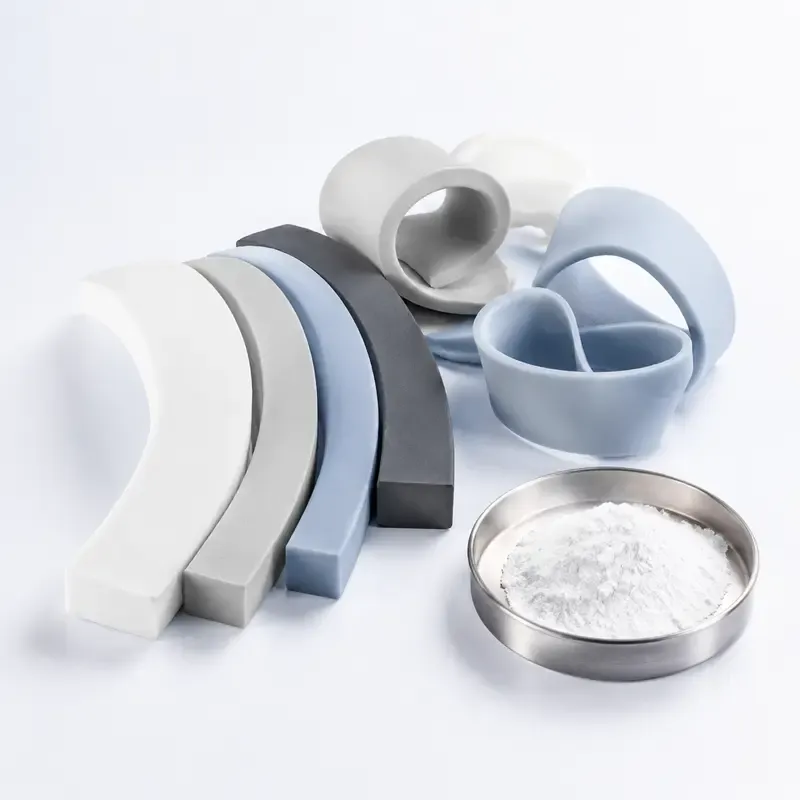
High-Voltage Silicone Cable
Compare dispersion, viscosity, cure, hardness, tensile, elongation and tear retention at staged loading.
Light-Coloured Insulation
Use low reported iron and sample whiteness as a screening starting point; final colour depends on the full compound.
EV Connector and Harness
Measure volume resistivity, dielectric strength and thermal ageing on finished insulation.
A Practical Grade-Selection Workflow
- Define the cable target. Record voltage class, hardness, colour, extrusion temperature and test standard.
- Match the powder window. Compare PSD, moisture, chemistry and loading against the current filler package.
- Test the finished cable. Verify cure, mechanical retention, dielectric strength, resistivity and thermal ageing.
- Approve a retained lot. Freeze the specification, packing method and COA acceptance limits.
Production, Inspection and Quality Documents
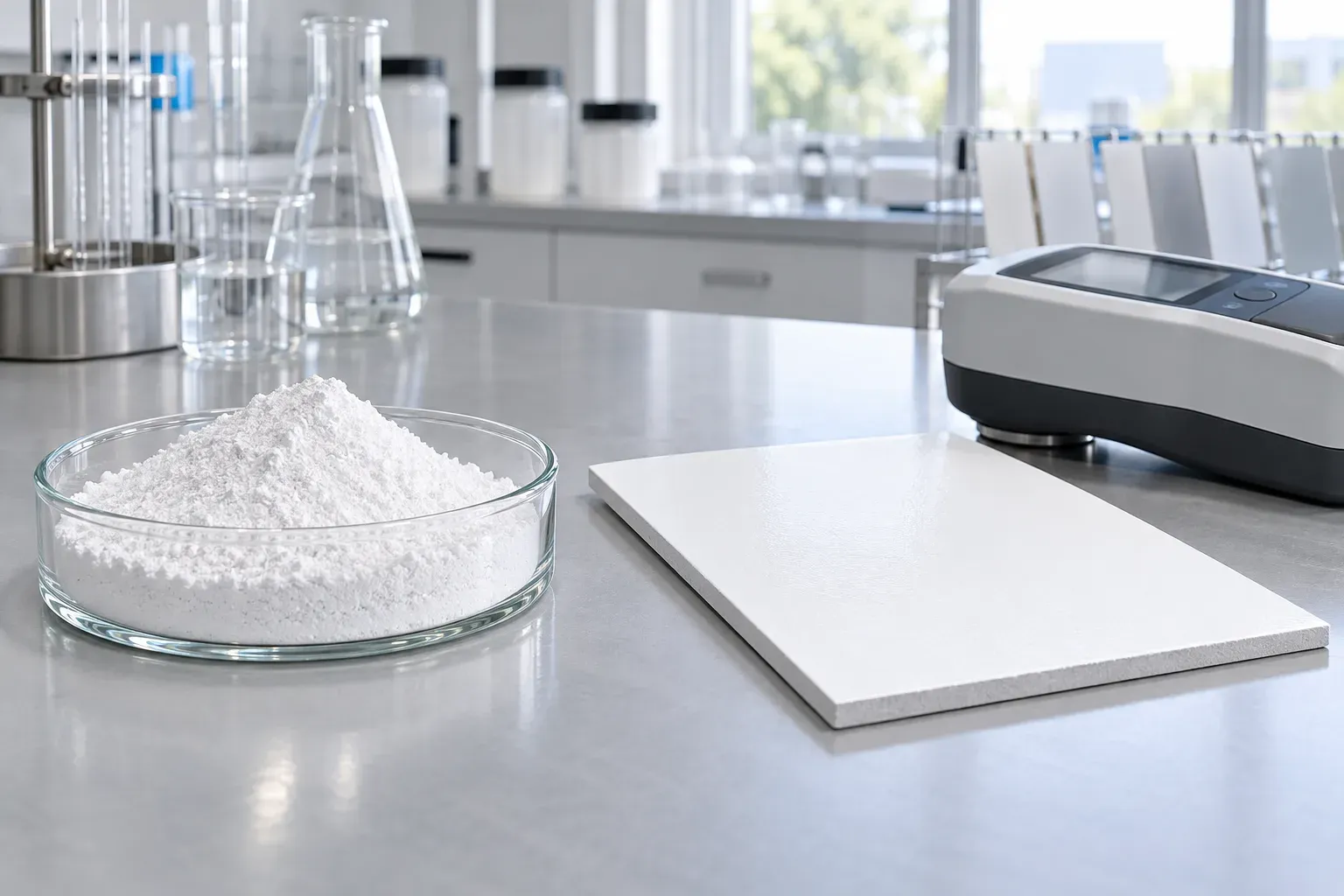
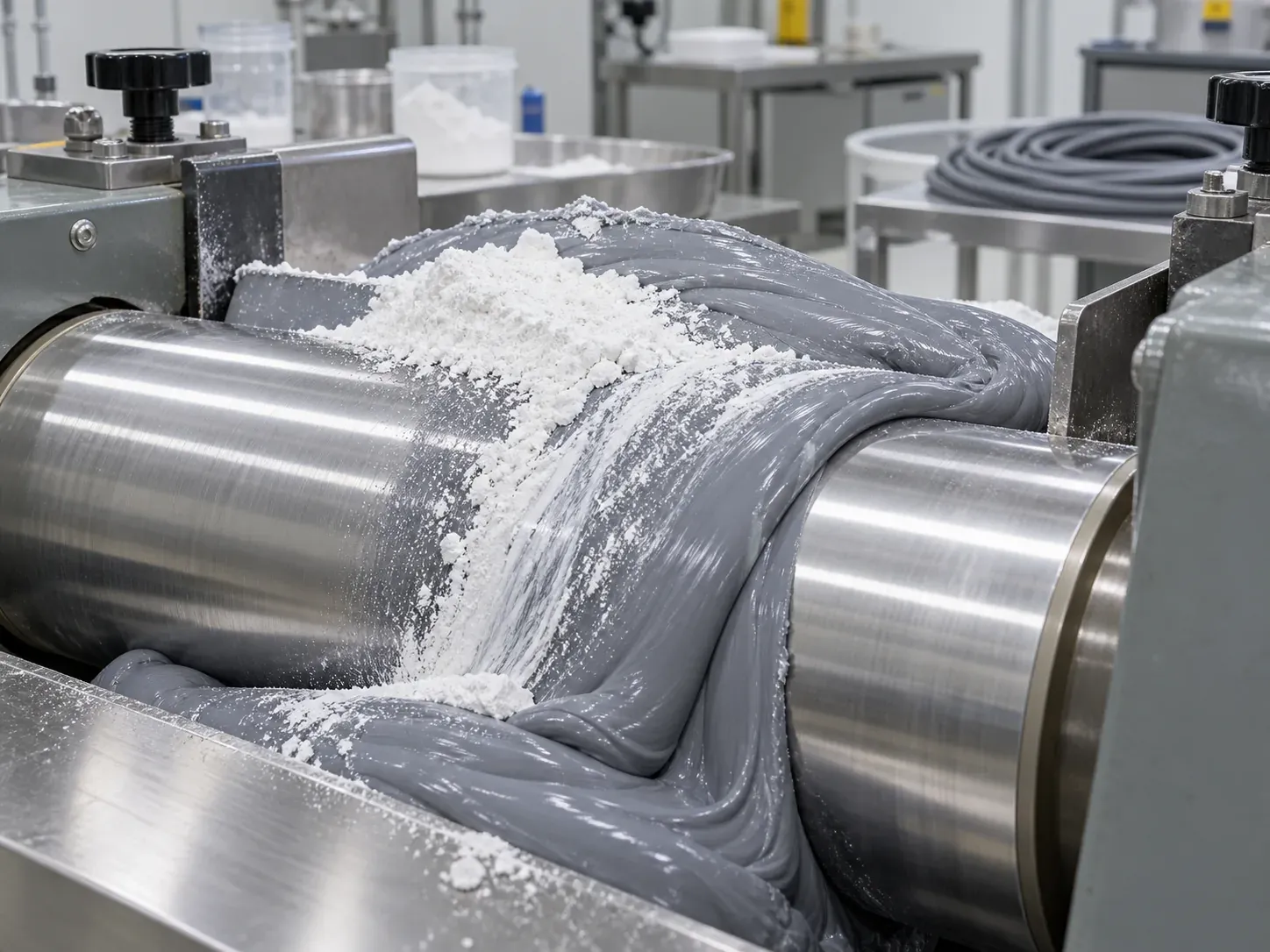
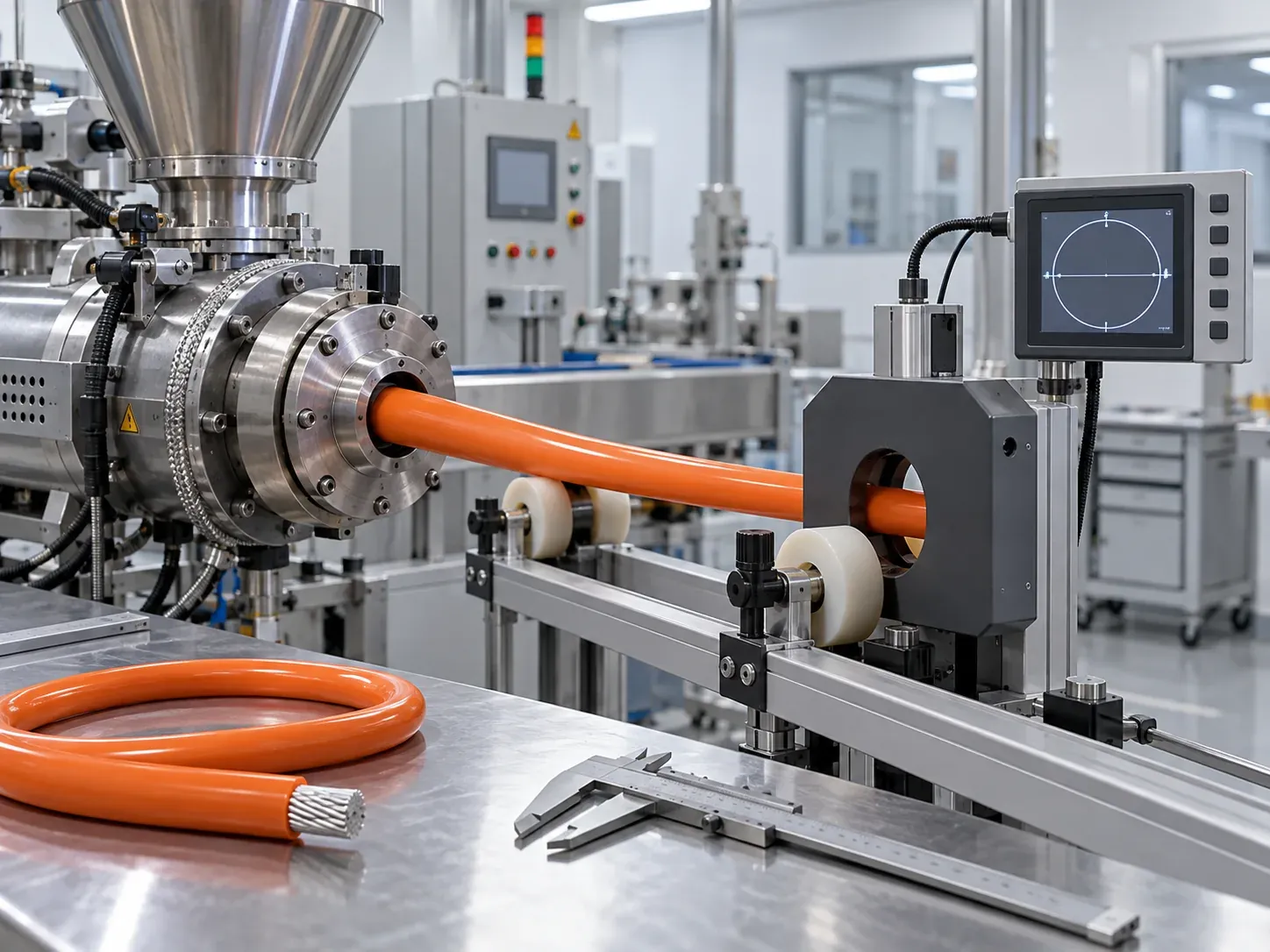
Record mixing sequence, dispersion time, cure package, extrusion settings and sample conditioning. Request the applicable TDS and batch COA, and retain compound and finished-cable specimens for comparison.
Related Changtong Products
For a reflective-coating route, review high-whiteness cristobalite for cool-roof coatings. For category browsing, see Cristobalite Series.
Request a Quote for M4000 Cable Filler
Share silicone type, current filler package, target hardness, voltage class, extrusion route, colour, test standard, country, Phone/WhatsApp and annual quantity.
Request a QuoteFAQ
Is the reported M4000 batch data a guaranteed production limit?
No. It is a submitted-sample snapshot. Confirm the current TDS/COA before approval.
Can this filler replace the current cable filler directly?
Not without a controlled comparison of loading, cure, mechanical retention and finished-cable electrical tests.
What should be included in an RFQ?
Specify silicone chemistry, voltage class, target hardness, PSD, colour, extrusion route, test standard, packing, country, Phone/WhatsApp and annual quantity.