Start with the defect, then build the evidence chain
A chemistry assay reports measured composition in the tested sample. It does not inspect every grain, reveal all internal or surface features, or guarantee the behavior of a production melt.
First define what “bubble” means in the process record. Note whether defects appear in a laboratory melt or production run, their approximate size and distribution, when they become visible, and whether they persist after the normal refining or holding stage.
What chemistry can establish—and what it cannot
A high SiO₂ assay and impurity results are useful for screening. But an assay is not a microscope, a porosimetry test, an inclusion map, or a melt trial. Passing chemistry therefore cannot rule out every source of gas or establish a finished-glass bubble rate.
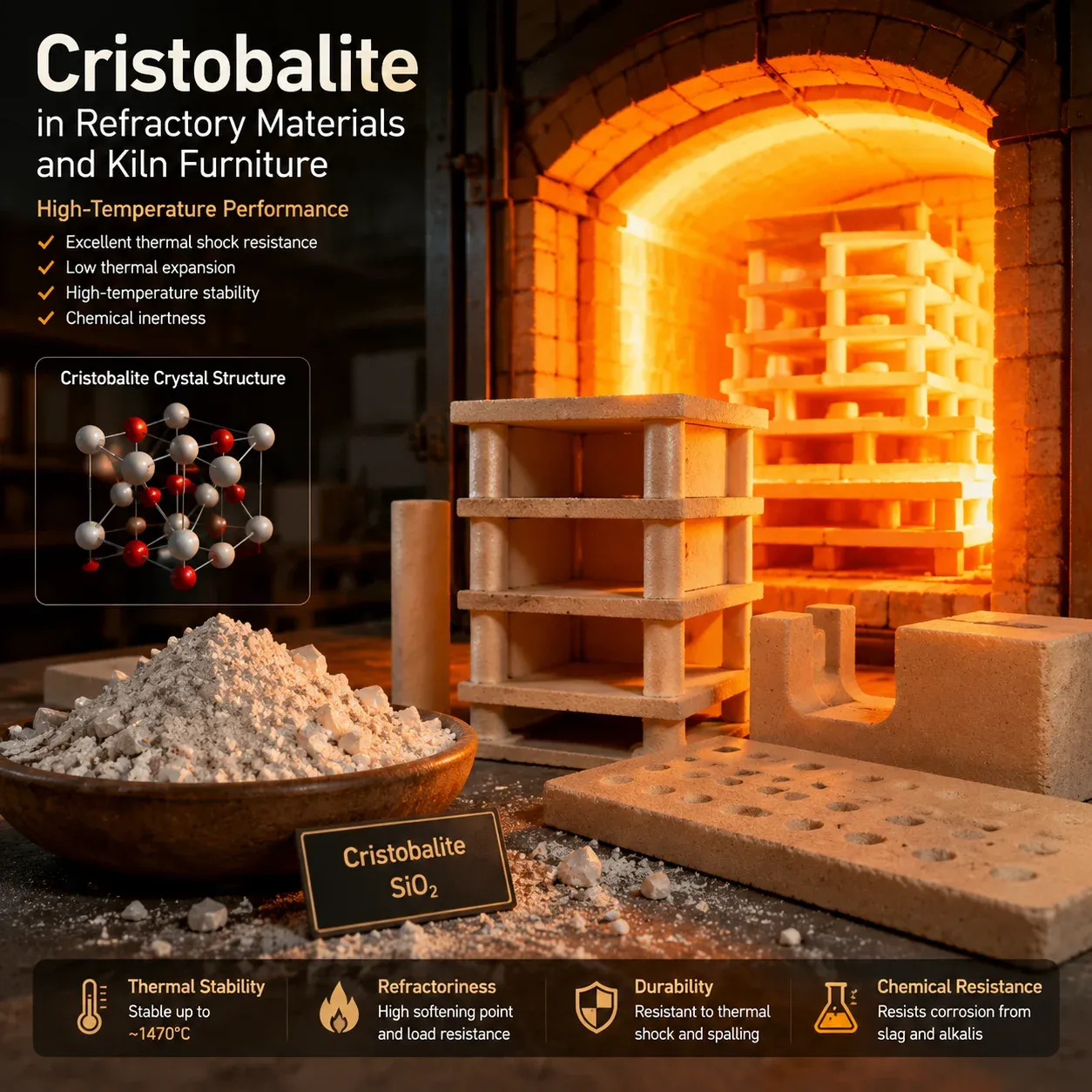
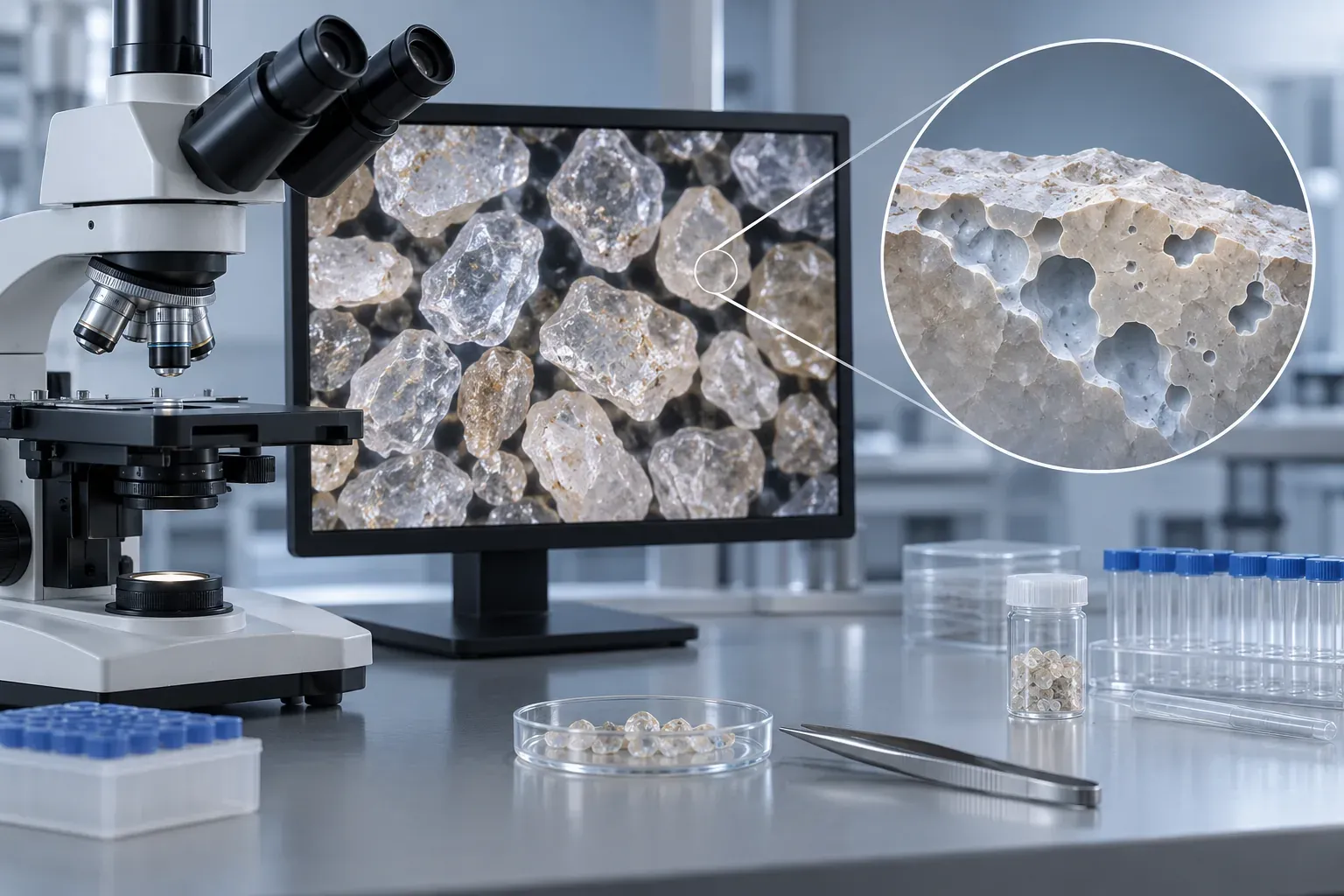
A 2024 study of vein quartz considered the relationship between material characteristics and bubble formation in quartz glass. Its findings point to specific surface area and porosity, which can influence surface-related gas adsorption, as relevant factors. The study does not support treating fluid inclusions as the sole cause of bubbles. A 2026 paper’s abstract also focuses on the relationship between cristobalite transformation in high-purity quartz materials and gas bubble formation. The full text was not accessed; its findings concern different samples and process conditions and cannot be extrapolated to a Changtong product or a buyer’s process.
Separate the likely evidence from the next test
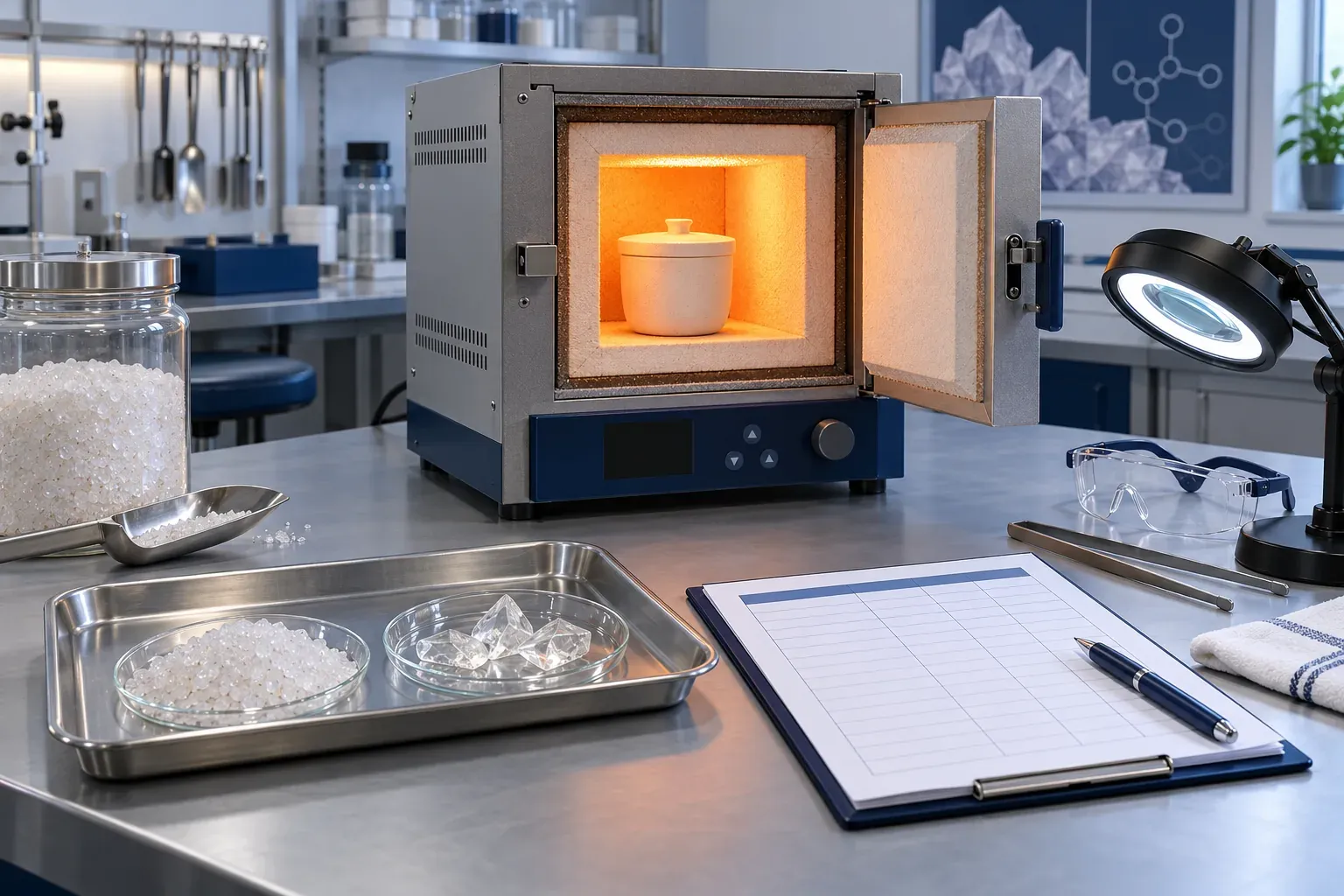
Compare representative material samples. Then test the material under a controlled melt protocol that resembles the intended process as closely as practical.
Make the trial interpretable: use documented sample preparation, consistent loading, clean equipment, a fixed thermal schedule, and a defined method for counting or grading bubbles. A laboratory melt trial is evidence for the conditions tested; production scale, furnace state and operating practice can still affect outcomes.
Use a qualification plan that procurement can repeat
For a supplier comparison, agree in advance on the lot definition, sampling method, required chemistry panel, particle size range, any additional characterization, and the melt-trial protocol. Record acceptance criteria before seeing trial results. Keep the retained sample and report linked to the same lot so a favorable result does not become detached from the material actually tested.
Ask suppliers for the information they can document for the specific product and lot, and identify what must be tested by your own laboratory.
Explore product details and the next step
Discuss your quartz sand requirements
Share the intended process, particle size needs, chemistry requirements and the evidence you need to evaluate. A clear RFQ helps frame a relevant product discussion.
Request a quoteFrequently asked questions
Does high SiO₂ guarantee bubble-free fused quartz?
No. It describes bulk composition in the tested sample. It does not inspect inclusions, establish all gas-related properties or predict melt quality under every process condition.
Are fluid inclusions the cause of quartz glass bubbles?
They can be investigated as one possible factor, but should not be assumed to be the only cause. The 2024 vein-quartz study also discusses surface area, porosity and gas adsorption as relevant considerations.
What makes a quartz sand melt trial useful?
Representative samples, documented preparation and controlled, recorded melt conditions make results more comparable. Interpret the outcome within the protocol used.
Conclusion
When a chemistry pass and a bubble defect appear together, extend qualification from bulk composition to the evidence chain: representative sampling, relevant particle or pore characterization, and a controlled melt trial. Specify the test conditions and lot clearly, then use the resulting evidence to make a defensible procurement decision.
Recent research context: Tao et al., “Effect of cristobalite transformation on gas bubble formation in high-purity quartz materials,” DOI: 10.1016/j.ceramint.2026.07.215. Abstract consulted; full text not accessed. This work concerns other samples and process conditions and is not evidence about Changtong products. Test scope and trial conditions must be documented.