Semiconductor Quartzware Procurement: Fused Silica Contamination and Thermal-Shock Evidence
A procurement guide for fused silica semiconductor quartzware, covering contamination budgets, cleaning evidence, thermal shock and lot qualification.
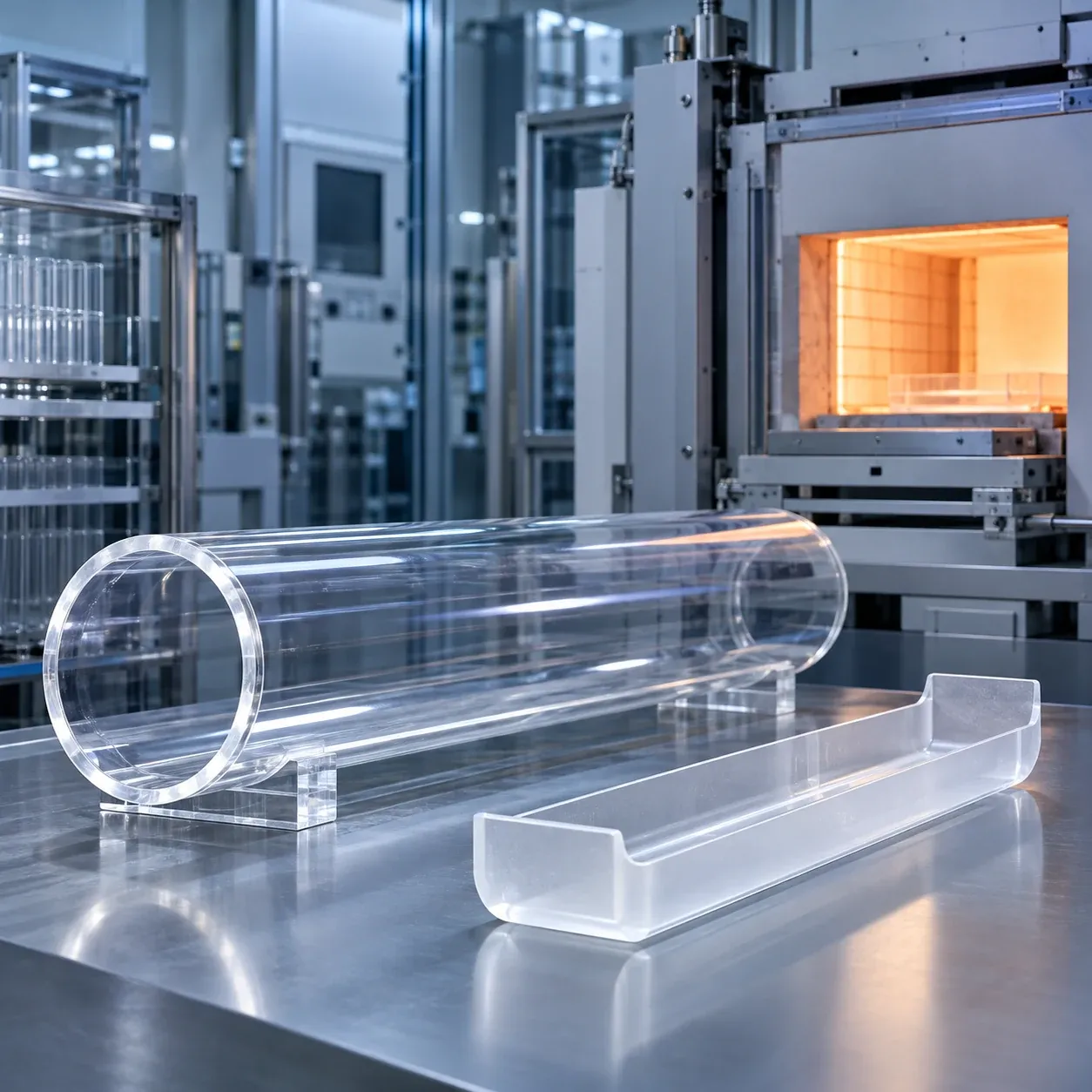
A quartzware purchase is an evidence problem before it is a price problem. Buyers need a controlled material identity, a contamination-handling plan, a cleaning record and thermal-shock evidence that matches the component’s real duty.
This guide supports supplier qualification. It does not assign a universal impurity limit, particle-release level, temperature rating or service life. The final acceptance window must come from the device process, component geometry, cleaning route and fab controls.
A semiconductor buyer rarely rejects quartzware because a supplier cannot say “high purity.” The harder question is whether the supplier can show what was made, how it was handled, how it was cleaned and what was checked before shipment. Those records help the buyer protect a contamination budget without pretending that a material certificate alone proves fab performance.
Use the same evidence structure for boats, tubes, liners, carriers and other fused-silica components, while keeping the final limits specific to the process.
1. Define the component and the contamination pathway
Start with component geometry, process position, exposure atmosphere, cleaning route, handling tools and replacement interval. Ask where contamination could enter: raw material, machining, abrasive residue, cleaning, packaging, transport or installation.
This is a better first conversation than asking for a generic “semiconductor grade.” A supplier can respond accurately only when the buyer states which surfaces are process-critical and which evidence is required at incoming inspection.
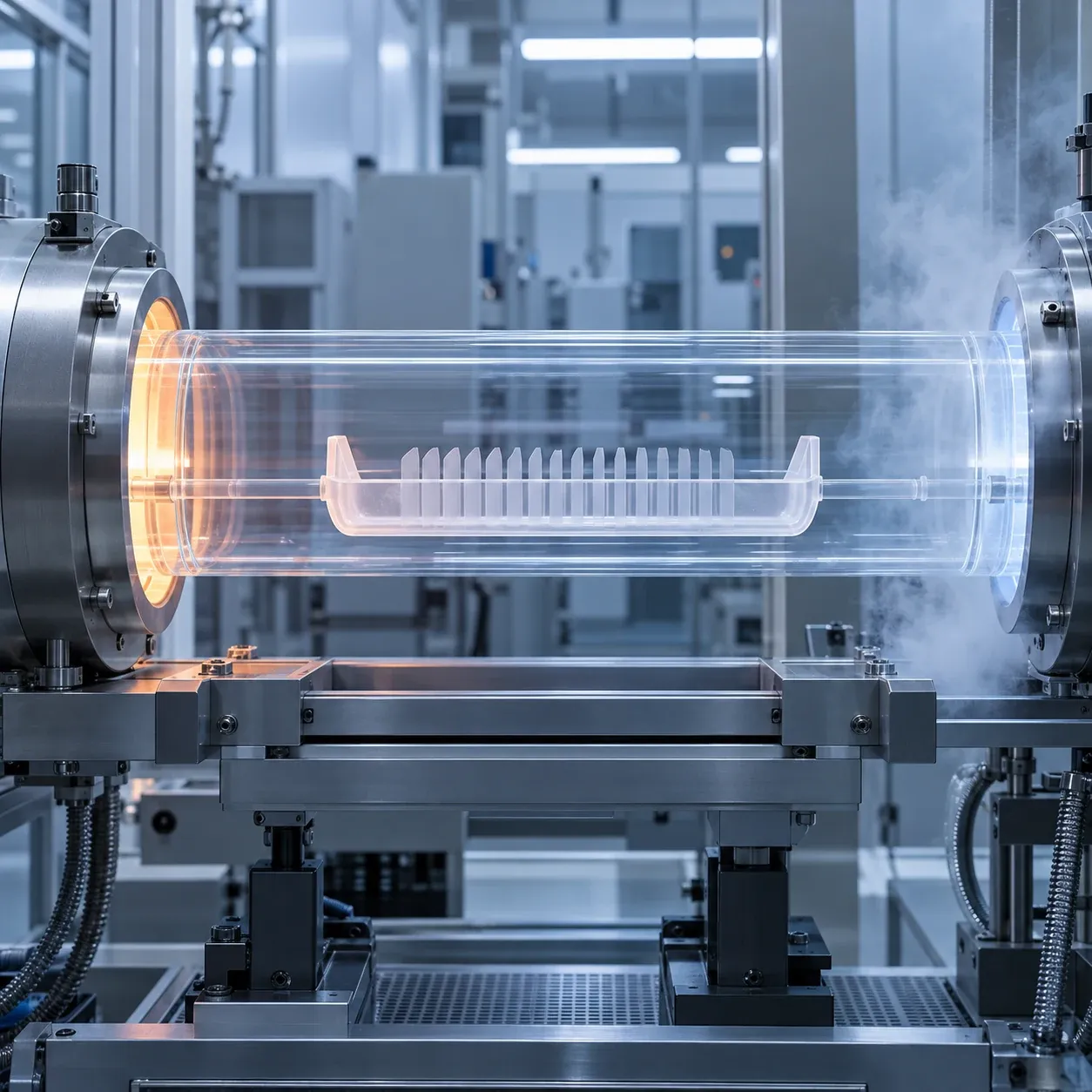
2. Separate material identity from cleanliness evidence
Keep fused silica distinct from natural-quartz-derived powder, cristobalite, silica fume and fumed silica. For a quartzware component, the buyer should request the material description, relevant chemistry fields, lot identification and the supplier’s documented cleaning or handling route.
Do not assume that a low-level result on one certificate covers every surface, tool and cleaning step. Treat the TDS/COA as part of the evidence file, then define which incoming checks the plant will repeat.

3. Turn the RFQ into an evidence matrix
| RFQ section | Buyer should specify | Supplier evidence to request |
|---|---|---|
| Component | Geometry, drawing revision, process position and expected replacement cycle | Material identity, lot code and drawing-controlled production record |
| Cleanliness | Critical surfaces, cleaning route and packaging condition | Cleaning/handling description, inspection fields and packing note |
| Thermal duty | Atmosphere, heating/cooling events and inspection points | Trial record tied to component geometry, not a generic promise |
An evidence matrix makes supplier comparison easier. It also reveals missing information early, before a low unit price hides a higher qualification cost.
4. Qualify thermal shock with the real component
For a thermal-shock trial, record the component geometry, support method, atmosphere, heating and cooling sequence, number of cycles and inspection criteria. Look for cracking, distortion, surface change, particle release or cleaning difficulty according to the plant’s actual acceptance rules.
Do not compare two suppliers using different component sizes or different furnace routes. A result is useful only when the test conditions are controlled and the conclusion stays within those conditions.
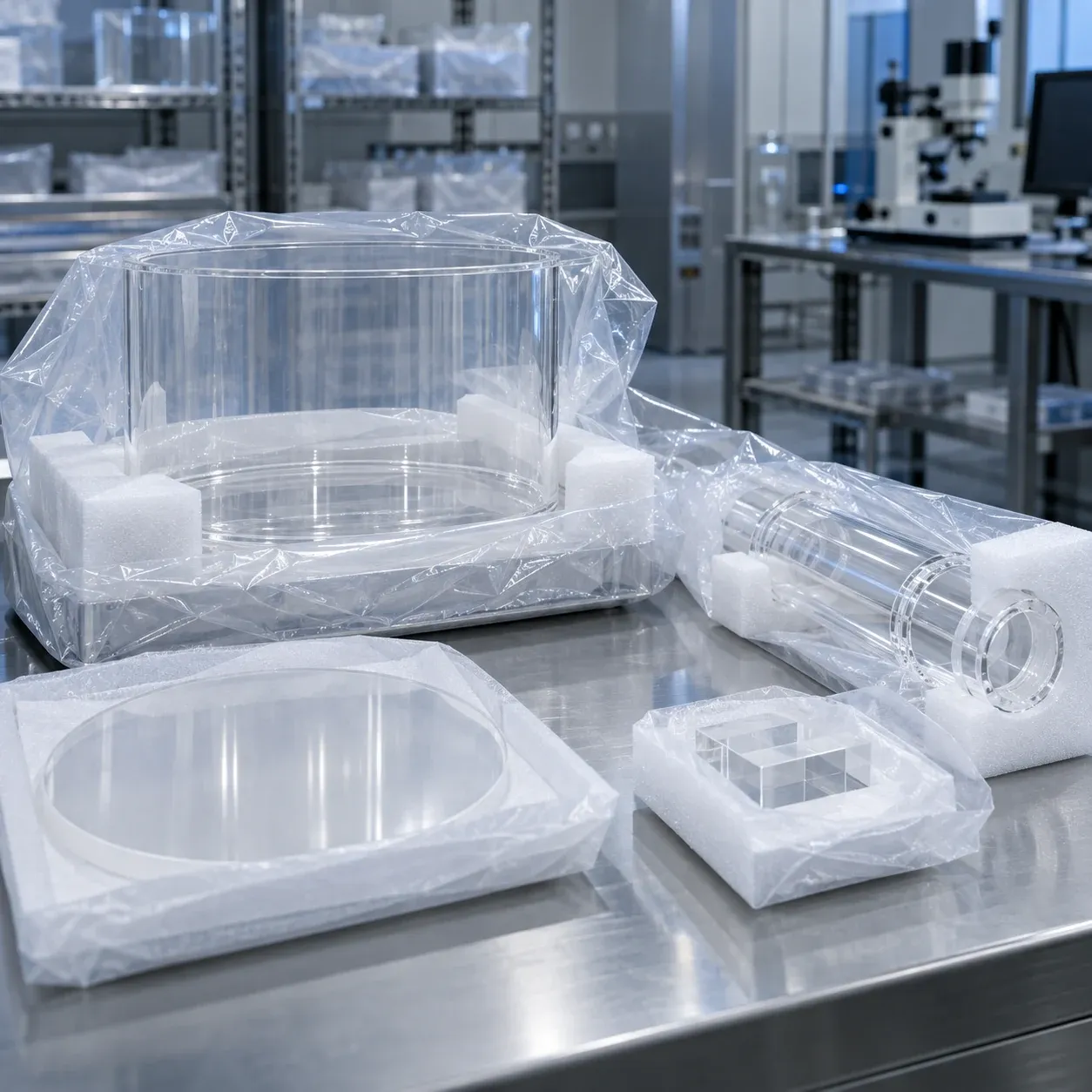
5. Preserve the approved state for repeat orders
- Approved drawing revision and component identity.
- Material, lot and relevant TDS/COA fields.
- Cleaning, handling, packaging and storage instructions.
- Defined change-notification and retained-record route.
- Repeat-order lead-time and replacement planning.
For a high-spec buyer, this file is often more valuable than a broad purity slogan. It gives engineering, quality and purchasing the same reference when a new lot or replacement component arrives.
FAQ
Does a fused-silica certificate guarantee semiconductor performance?
No. It supports material and lot qualification. Process-specific cleanliness, handling and component trials still need to be defined by the buyer.
What should be included in a quartzware RFQ?
Include the component drawing, process position, atmosphere, cleaning route, critical surfaces, thermal events, inspection criteria and required documentation.
Request a controlled quartzware supply file
Share the component duty, drawing revision, contamination concerns, trial route and documentation requirements with the Changtong technical team.
Contact Changtong Technical TeamRelated: high-temperature quartz tubes and rods reference and quartzware qualification contact.