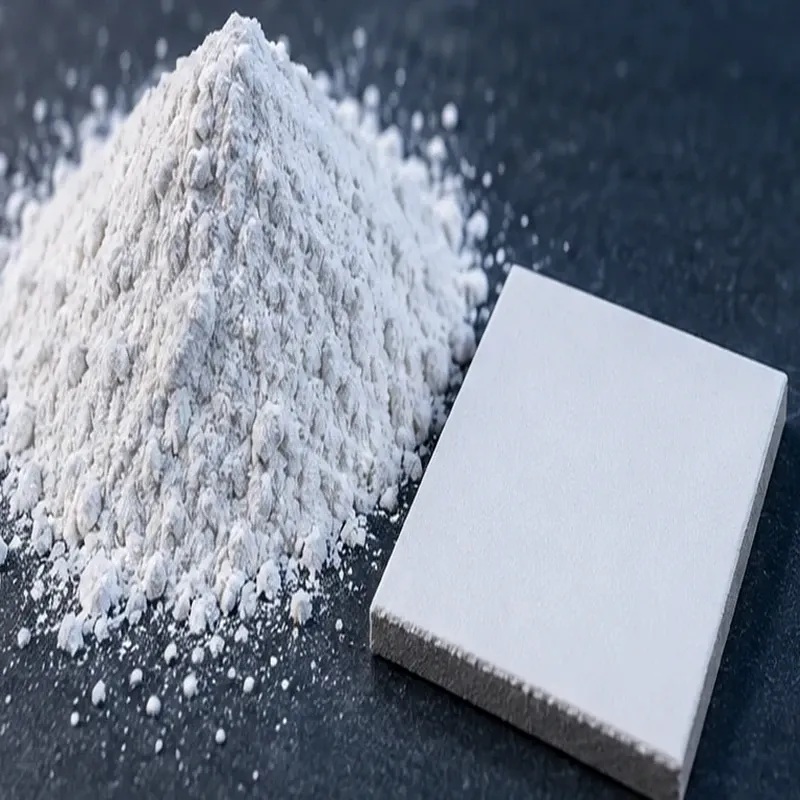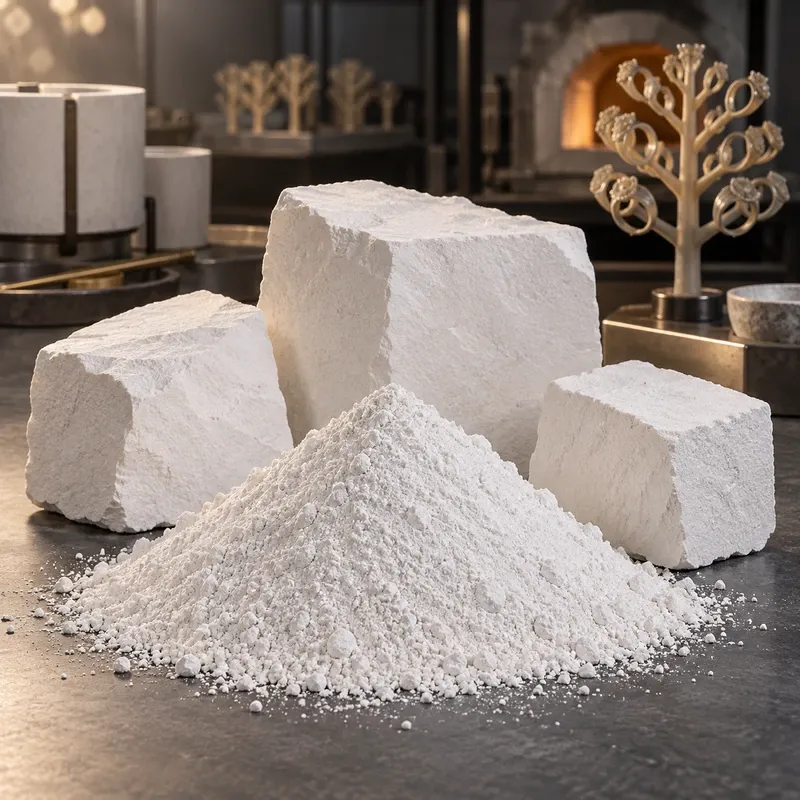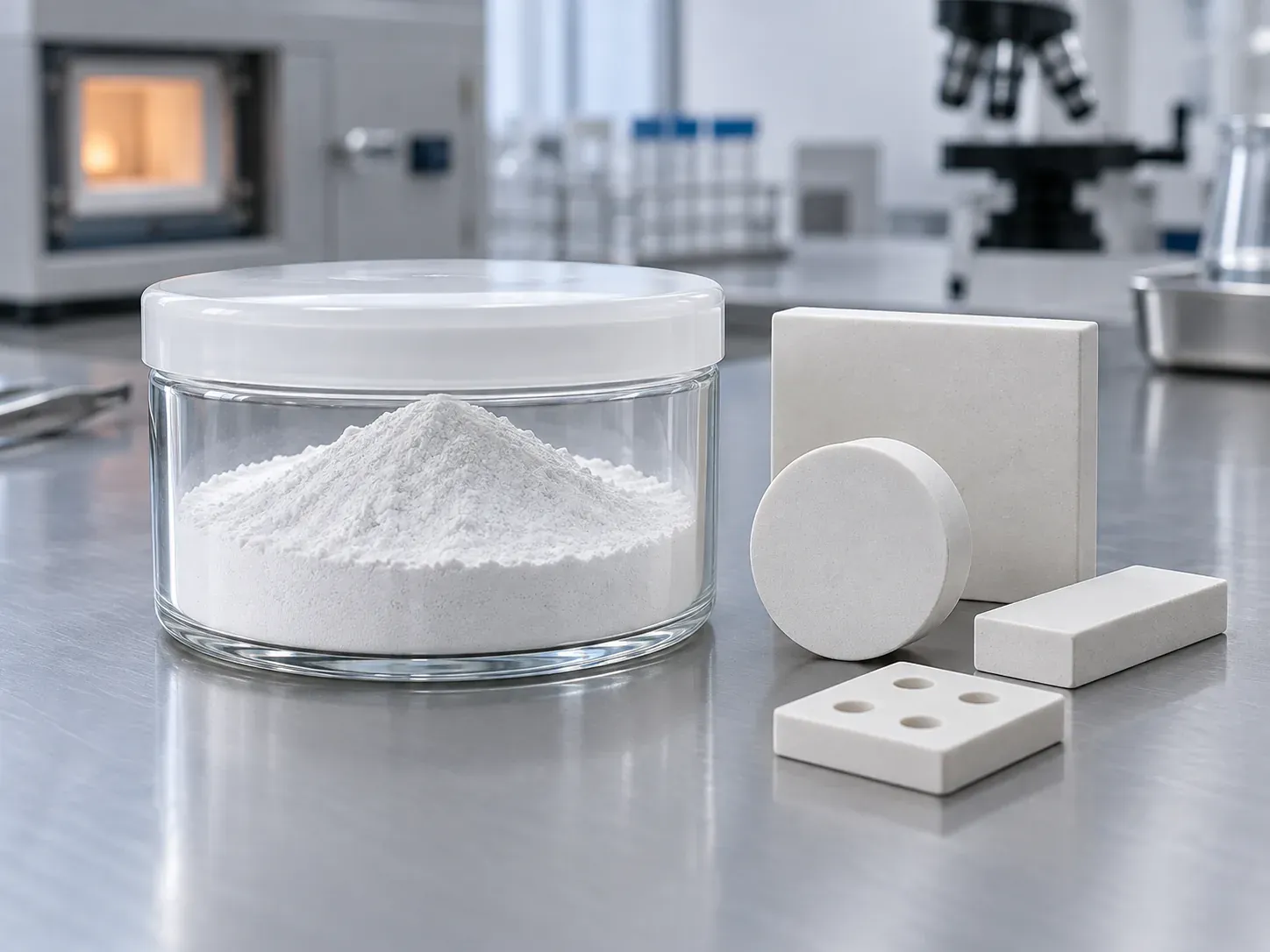
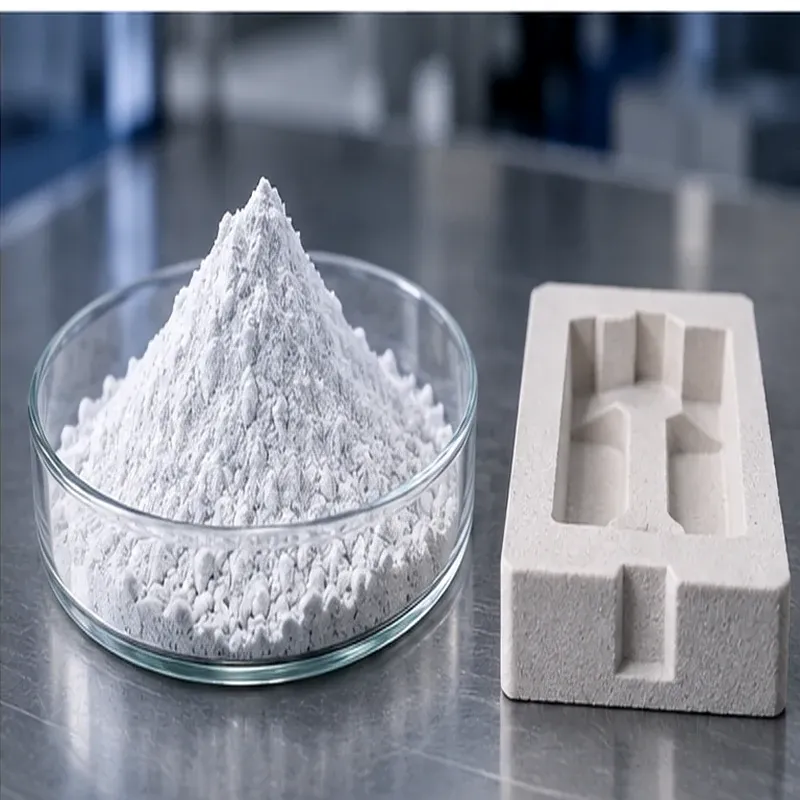
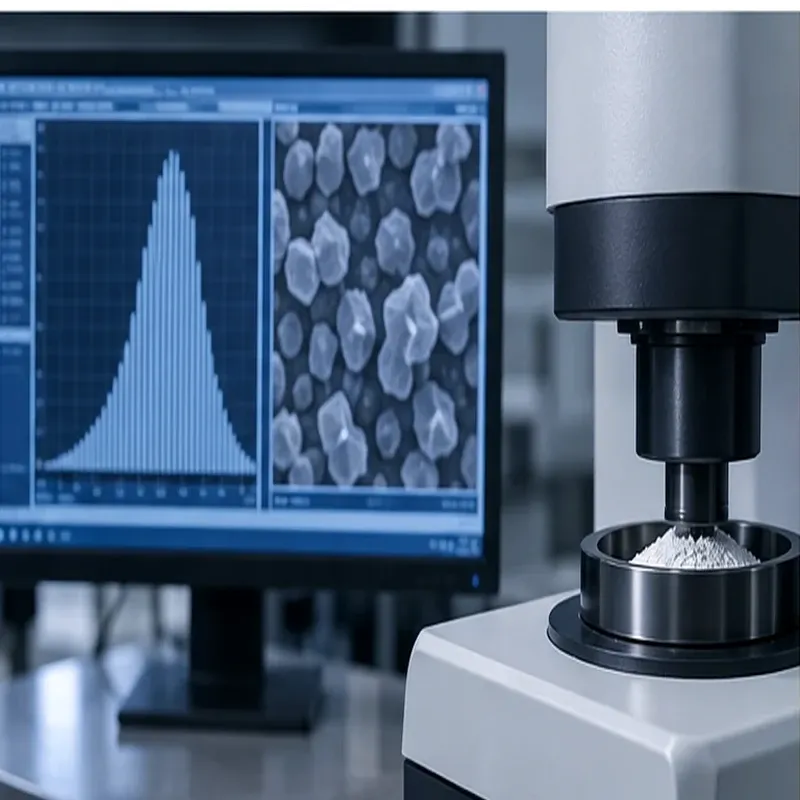
Controlled-Phase Cristobalite for Digital Ceramic Mold Washes
Controlled-phase cristobalite powder for digitally formed ceramic mold-wash trials, with phase, PSD and slurry-process data to guide shell and cast-surface evaluation.
Specifications
- Mesh Size
- 200mesh,325mesh,M400,M600,M3000,M4000,M6000
- Particle Size
- 3-5mm,1-3mm,1-0.5mm,0.5-0.2mm,0.1-0.2mm,0.1-0mm(120mesh),0.075mm(200mesh)
- SiO₂ Content
- 99.3-99.7%
- Fe₂O₃
- <0.015%
- Specific Gravity
- 2.30 g/cm³
- Whiteness
- 90-98
- Moh's hardness
- 6.5
- Conversion-related parameter
- 80-95%
A phase-controlled cristobalite route for digital mold-wash teams that need a cleaner path from slurry screening to cast-surface evaluation.
Product Overview
Controlled-phase cristobalite for digital ceramic mold wash and shell trials, helping teams screen slurry stability, surface release and fired dimensional response without mixing phase data with fused silica.
Material Identity and Grade Information
Cristobalite is a crystalline silica phase produced through controlled thermal conversion and classification. This product is positioned for mold-wash and shell-process screening; phase evidence, PSD and chemistry are grade-specific and must be checked against the current TDS/COA.
Properties / Specification
| Property | Guidance |
|---|---|
| Phase identity | Cristobalite; confirm by current XRD or supplier phase report. |
| Particle size | Grade-specific; choose the PSD that matches wash rheology and target surface texture. |
| SiO₂ | Crystalline silica reference range 99.3–99.7%; confirm by current COA. |
| Moisture | Grade-specific; confirm before slurry batching. |
| Packaging | Dry, sealed bags or customer-approved bulk format; confirm available pack. |
| Trial boundary | Subject to customer trial with actual binder, refractory flour and drying schedule. |
Values marked Grade-specific must be confirmed by the current TDS/COA. Use customer trial data for final acceptance.
Applications
Printed ceramic mold wash screening
Compare wetting, settling and recoating behavior on digitally formed mold or shell surfaces.
Investment-casting surface control
Use small panels to review release, texture transfer and post-burnout cleanliness before a full shell run.
Complex-core development
Screen phase and PSD effects where thin sections and controlled drying matter more than a generic filler claim.
Grade Selection / Engineering Boundaries
Do not substitute fused silica data for cristobalite. Confirm phase fraction, coarse-particle residue, slurry viscosity window and thermal schedule with the customer process. Any dimensional result is application-specific.
Production, Testing and Quality Documents
- Lot identity, phase and PSD are reviewed against the current TDS/COA.
- Moisture and packaging condition are checked before dispatch.
- Pilot panels are recommended before production tooling or shell qualification.
Related Changtong Products
- Controlled-phase cristobalite technical ceramic trials
- Cristobalite powder for enamel frits and ceramic glazes
- Fused silica powder for refractory gunning mixes
- Request a Quote
FAQ
Can this be used as a universal shell flour?
No. Shell compatibility depends on binder, refractory blend, drying and burnout. Start with a controlled panel trial.
Which data should I request?
Ask for phase evidence, PSD, SiO₂, moisture, Fe₂O₃ where relevant, packaging and the latest COA.
Request a Quote
Please share your country, Phone/WhatsApp, target application, particle-size range, estimated volume and current TDS/COA requirements.
Request mold-wash trial pricingControlled-phase cristobalite for digitally formed ceramic mold-wash trials, with a workflow built around phase evidence, PSD control and cast-surface inspection.
What This Product Is For
This cristobalite powder is intended for development teams building wash layers on digitally produced ceramic patterns, cores or shell components. The practical question is not whether a mineral is simply “white” or “fine,” but whether its phase, particle-size distribution and slurry behavior can be controlled through coating, drying, burnout and casting.
Digital Mold-Wash Evaluation Workflow
- Confirm the powder. Review phase evidence, PSD, chemistry, moisture and lot identity against the current TDS/COA before batching.
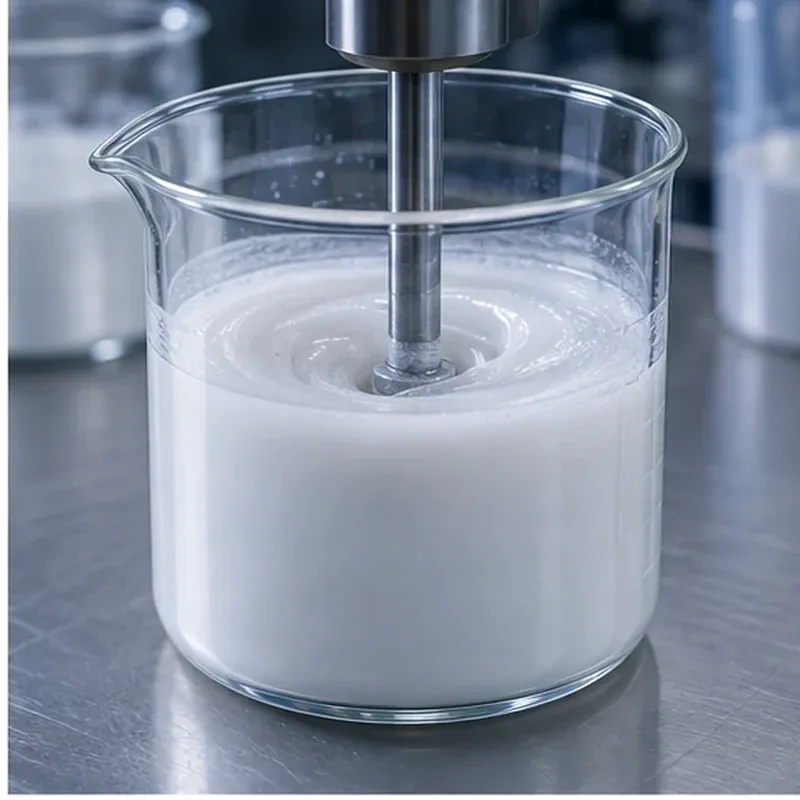
- Build a small slurry matrix. Compare binder level, solids loading, dispersant and mixing time in the actual wash system; do not transfer a viscosity window from another mineral.
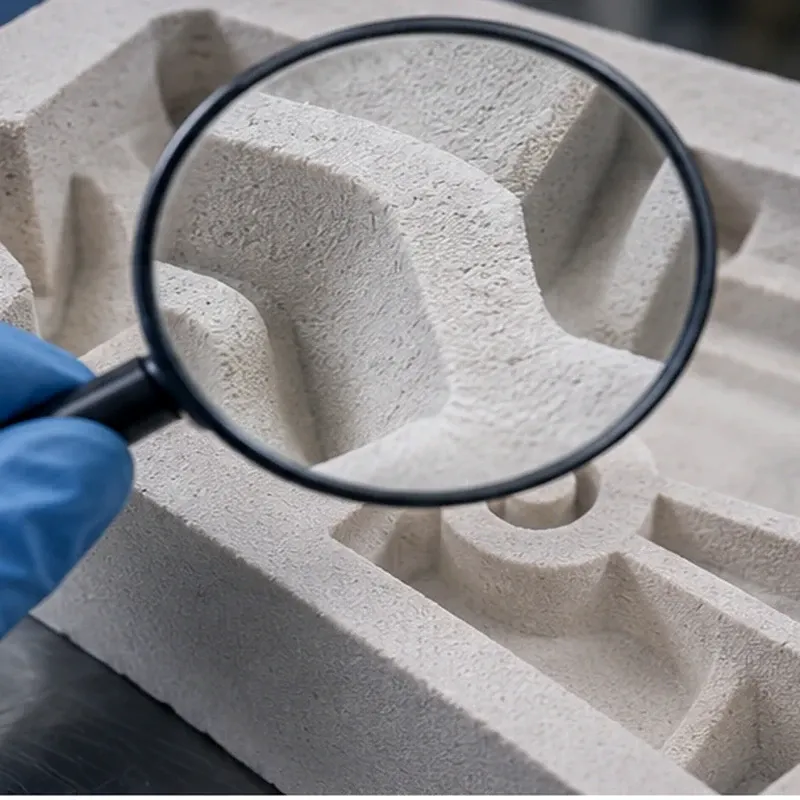
- Coat representative printed geometry. Use flat witness panels together with a feature-rich printed pattern to examine wetting, edge coverage, settling, drying marks and recoating behavior.
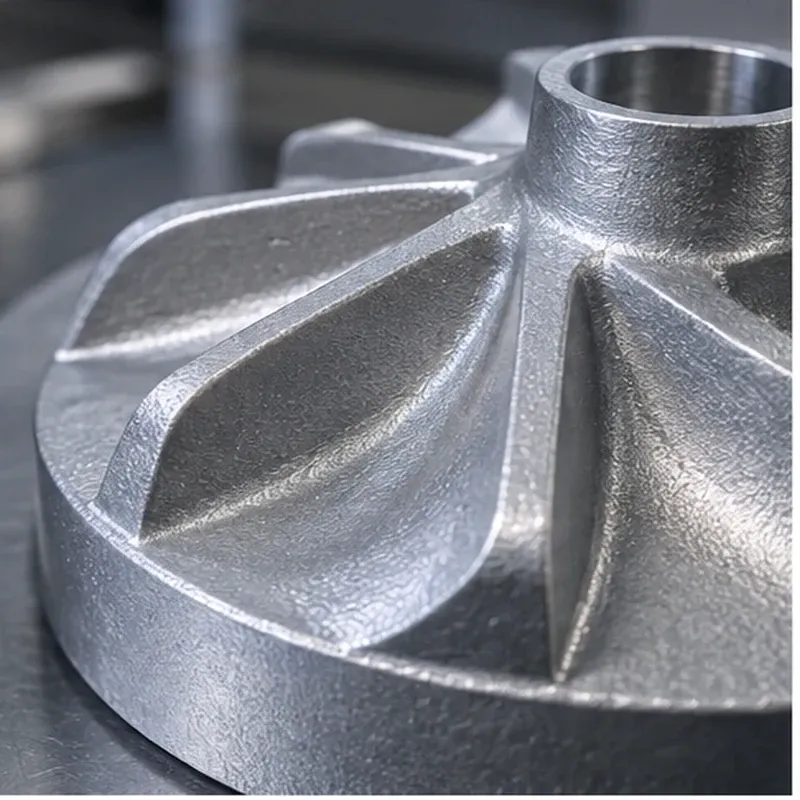
- Inspect after burnout and casting. Record surface texture, release, residue, shell defects and dimensional response before increasing coating area or production-tooling risk.
Recommended Data Before a Trial
| Data point | Why it matters in a digital mold-wash program |
|---|---|
| Phase evidence | Confirms that the cristobalite phase used in the trial matches the material being qualified. |
| PSD and coarse residue | Helps relate suspension stability, printed-feature coverage and fired surface texture. |
| SiO₂, Fe₂O₃ and moisture | Sets a chemistry and handling baseline for comparison between lots and suppliers. |
| Binder and drying schedule | Controls adhesion, cracking, burnout residue and the time available for recoating. |
| Packaging condition | Confirms that the powder has remained dry and traceable before slurry preparation. |
Grade-specific values must be confirmed against the current TDS/COA. Final suitability remains dependent on the customer's binder, pattern, shell and firing process.
Where the Trial Should Focus
Fine printed features
Check whether the wash reaches narrow channels, corners and relief details without bridging or leaving a heavy edge.
Repeat coating and drying
Measure settling, remix demand, layer adhesion and drying marks across the intended recoat interval.
Fired surface and release
Compare surface transfer, residue, release behavior and dimensional change using the customer's actual burnout and casting cycle.
Material and Use Boundaries
Cristobalite data should not be substituted with fused-silica data or treated as a universal shell-flour specification. The useful acceptance criteria are process-specific: slurry stability, coat weight, dry strength, burnout cleanliness, surface finish and dimensional response must be measured in the actual digital-mold route.
Quality Checks and Documentation
- Record supplier lot, phase report, PSD, chemistry and moisture before the first batch.
- Keep witness-panel results beside the printed-pattern results so coating effects can be separated from geometry effects.
- Approve a grade only after repeated coating, burnout and casting checks meet the customer's own acceptance limits.
Related Changtong Products
- Controlled-phase cristobalite technical ceramic trials
- Cristobalite powder for enamel frits and ceramic glazes
- Fused silica powder for refractory gunning mixes
- Request a Quote
FAQ
What should be compared first on a printed pattern?
Start with wetting, edge coverage, settling, drying marks and recoat behavior on the customer's actual geometry before judging final cast-surface performance.
Can one cristobalite grade be approved for every shell route?
No. Binder chemistry, solids loading, drying, burnout and casting conditions can change the result. Use a documented panel and pattern trial for each route.
Request a Quote
Please share your country, Phone/WhatsApp, digital-mold route, target PSD, estimated volume and current TDS/COA requirements.
Request digital mold-wash trial pricing