
Controlled-Phase Cristobalite Powder for Technical Ceramic Body Trials
Controlled-phase cristobalite powder for technical ceramic formulation trials where phase identity, particle-size distribution and firing response must be reviewed together. Final fit depends on the ceramic matrix, forming route and customer firing schedule.
Specifications
- Material identity
- Cristobalite; confirm phase statement with current TDS/COA and agreed XRD approach
- Phase composition
- Grade-specific; acceptance rule and reporting basis must be agreed
- Particle-size distribution
- Grade-specific; report D-values or sieve data with method
- Chemistry
- Grade-specific; confirm required oxides, units and methods
- Moisture
- Current TDS/COA; method-specific
- Firing response
- Subject to customer body, atmosphere and firing-cycle trial
- Thermal-cycle fit
- Evaluate on the finished ceramic body; no powder-only guarantee
Cristobalite · Phase-controlled ceramic development
Controlled-Phase Cristobalite Powder for Technical Ceramic Body Trials
A phase-defined silica input for ceramic developers who need XRD identity, particle-size data and firing response to remain connected through the qualification file.
Material Identity Comes First
This product direction covers crystalline cristobalite powder for technical ceramic body trials. It is distinct from natural quartz, calcined quartz, fused silica and other amorphous silica products. Similar bulk chemistry does not make those materials interchangeable because phase identity and thermal response can change the ceramic body’s firing behavior.
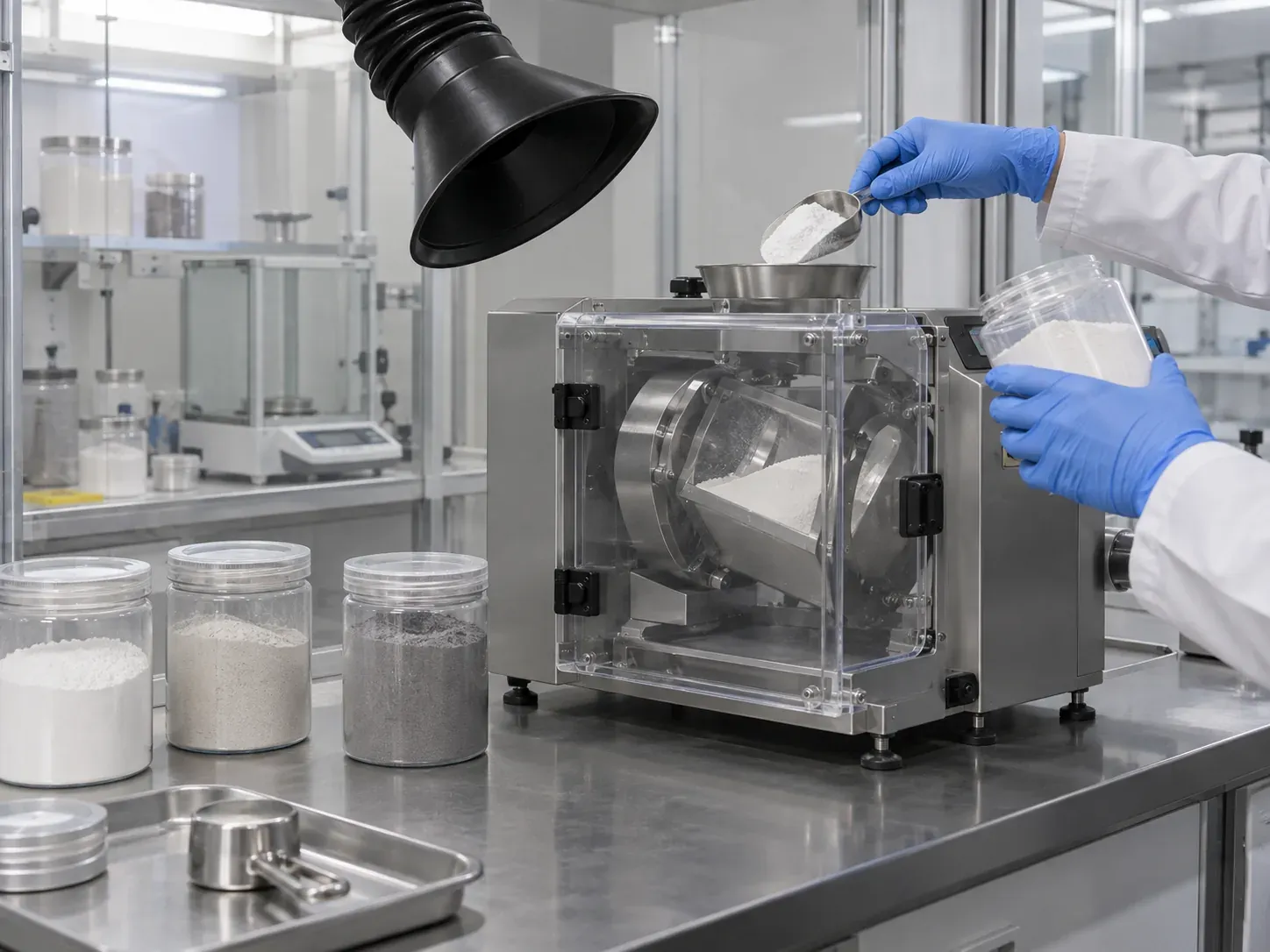
The quotation should therefore bind the product name to a current TDS/COA and an agreed phase-verification approach. If XRD is required, the buyer and supplier should define whether the decision is qualitative identity, comparison with a reference pattern, semi-quantitative screening or another validated method. A generic “phase checked” statement is not enough for a critical ceramic program.
Technical Information to Confirm
| Field | Required basis | Ceramic-body relevance |
|---|---|---|
| Phase identity | Current grade statement and agreed XRD rule | Prevents substitution based on chemistry alone |
| Phase composition | Grade-specific; reporting basis stated | Supports controlled formulation comparisons |
| Particle-size distribution | D-values or sieve data with method | Affects mixing, forming, packing and surface finish |
| Chemistry / moisture | Current TDS/COA; units and methods stated | Supports repeatable batch preparation and impurity review |
| Firing response | Customer body and firing-cycle trial | Finished-body behavior cannot be inferred from powder data alone |
Applications and Trial Design
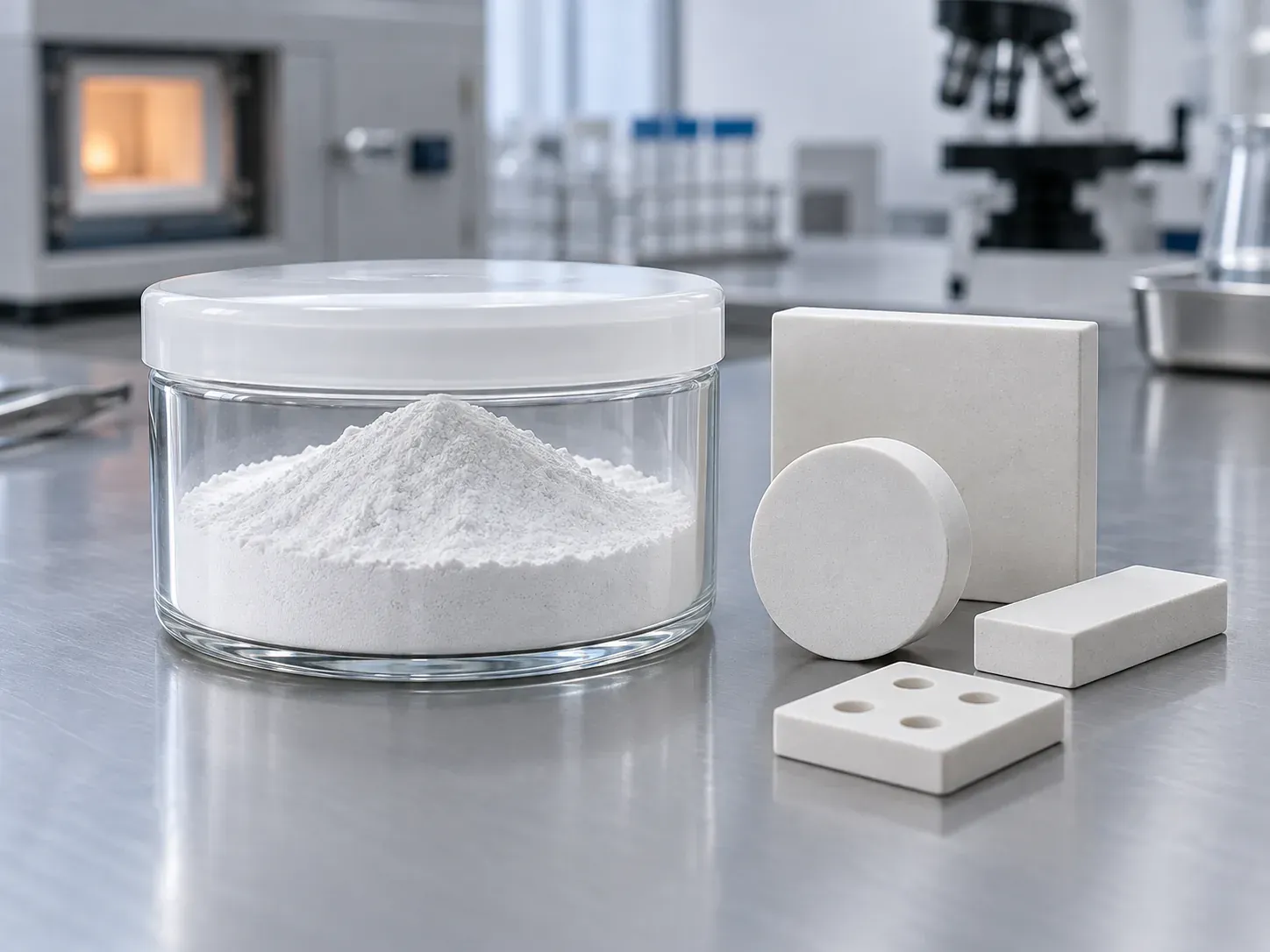
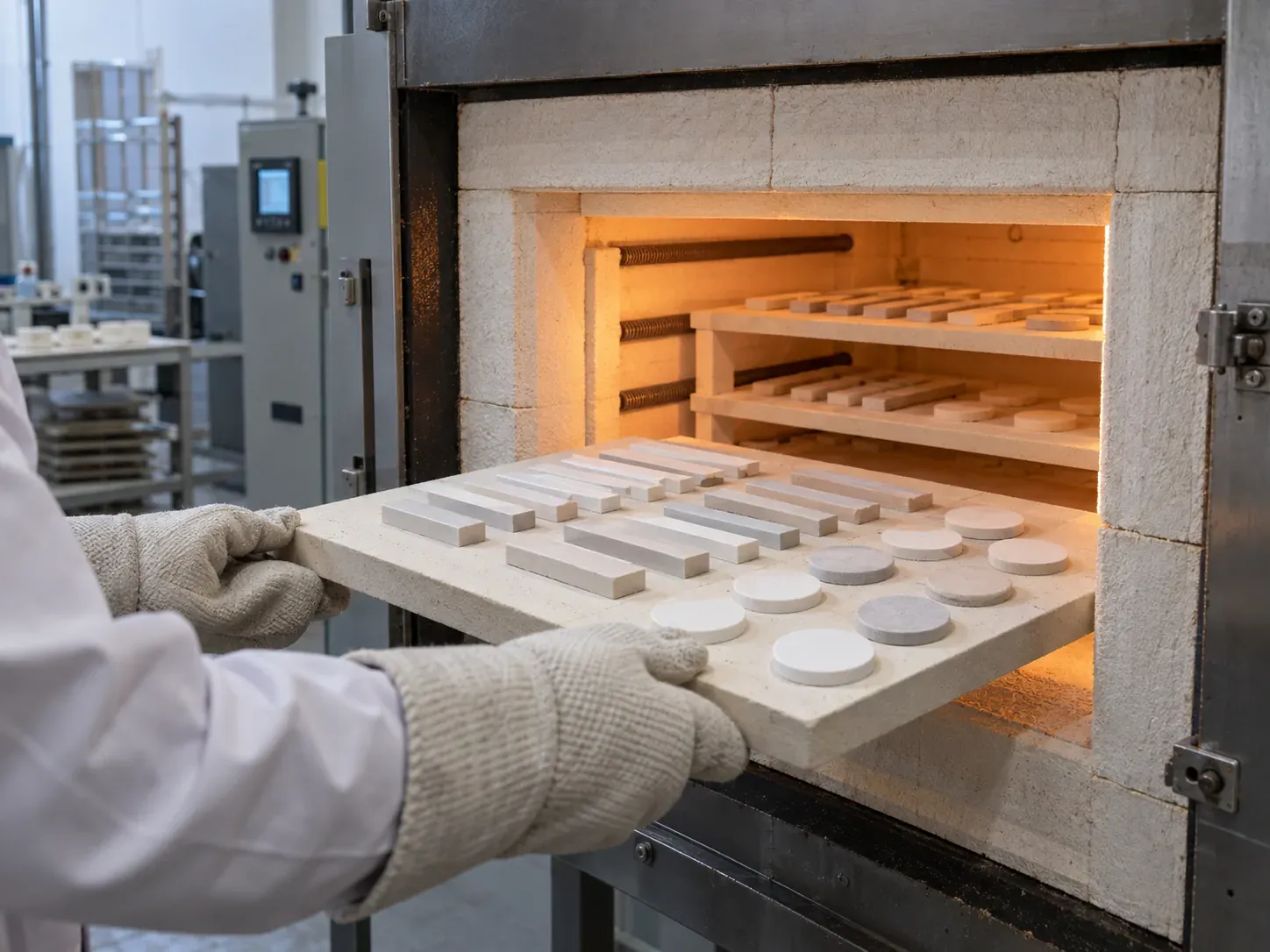
Potential development work includes pressed, cast or additively formed technical ceramic bodies, as well as studies that screen a cristobalite addition against a defined dimensional or thermal-response target. The product page does not prescribe an addition level. The ceramic matrix, binder, forming route, green density, atmosphere and firing curve must be held in the customer’s test record.
- Establish a baseline body with a recorded raw-material set and firing schedule.
- Introduce one grade at controlled levels while keeping the remaining formulation constant.
- Measure process behavior such as mixing, forming and green-part integrity separately from fired properties.
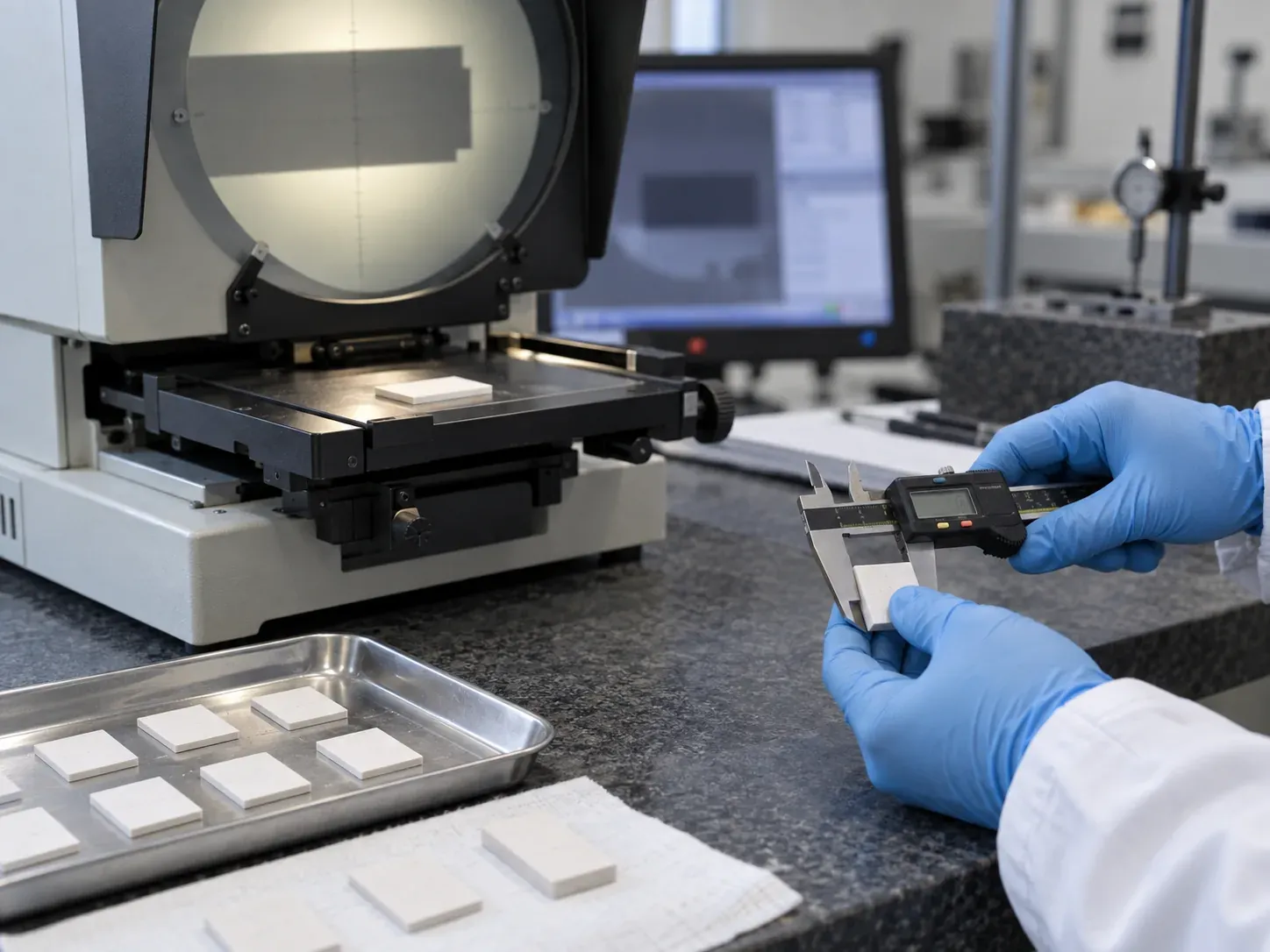
- Review finished coupons for dimensions, phase, density, strength or thermal cycling using the customer’s approved methods.
Frequently Asked Questions
Can cristobalite be replaced with fused silica?
Not automatically. One is crystalline cristobalite and the other is an amorphous fused material. A substitution changes phase and thermal behavior and therefore requires a new ceramic-body trial.
Does XRD prove every property of the grade?
No. XRD addresses a defined phase question. Chemistry, PSD, moisture, morphology and finished-body performance require their own methods and acceptance rules.
Can you recommend a universal firing schedule?
No. The cycle depends on the full body, binder, forming route, geometry, atmosphere and furnace. Share the process window so a grade can be screened, then confirm it in customer trials.
Related Changtong Products and Next Steps
For glaze and frit development, compare cristobalite powder for enamel frits and ceramic glazes. For a broader white-filler route, review high-whiteness cristobalite powder for epoxy and refractory applications; when the formulation requires an amorphous phase, see amorphous fused quartz flour for ceramic additive manufacturing.
Request a Cristobalite Ceramic Trial Quote
Provide the ceramic matrix, forming route, phase acceptance method, PSD requirement, firing schedule, target observations, sample quantity and document scope. The quotation will reference the available grade and current supporting documents.
Request a Quote