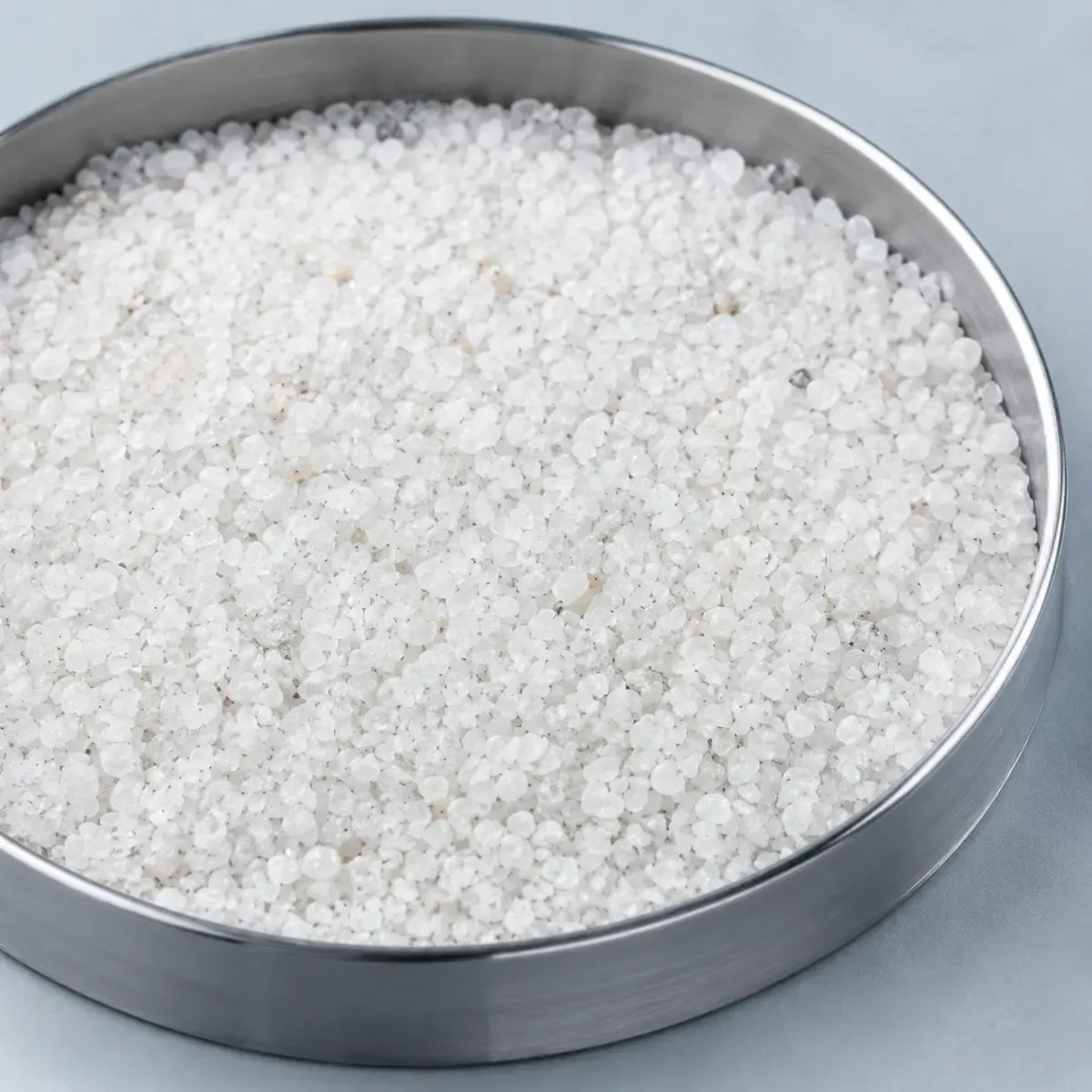
Natural Quartz Sand for Glass, Ceramics and Foundry
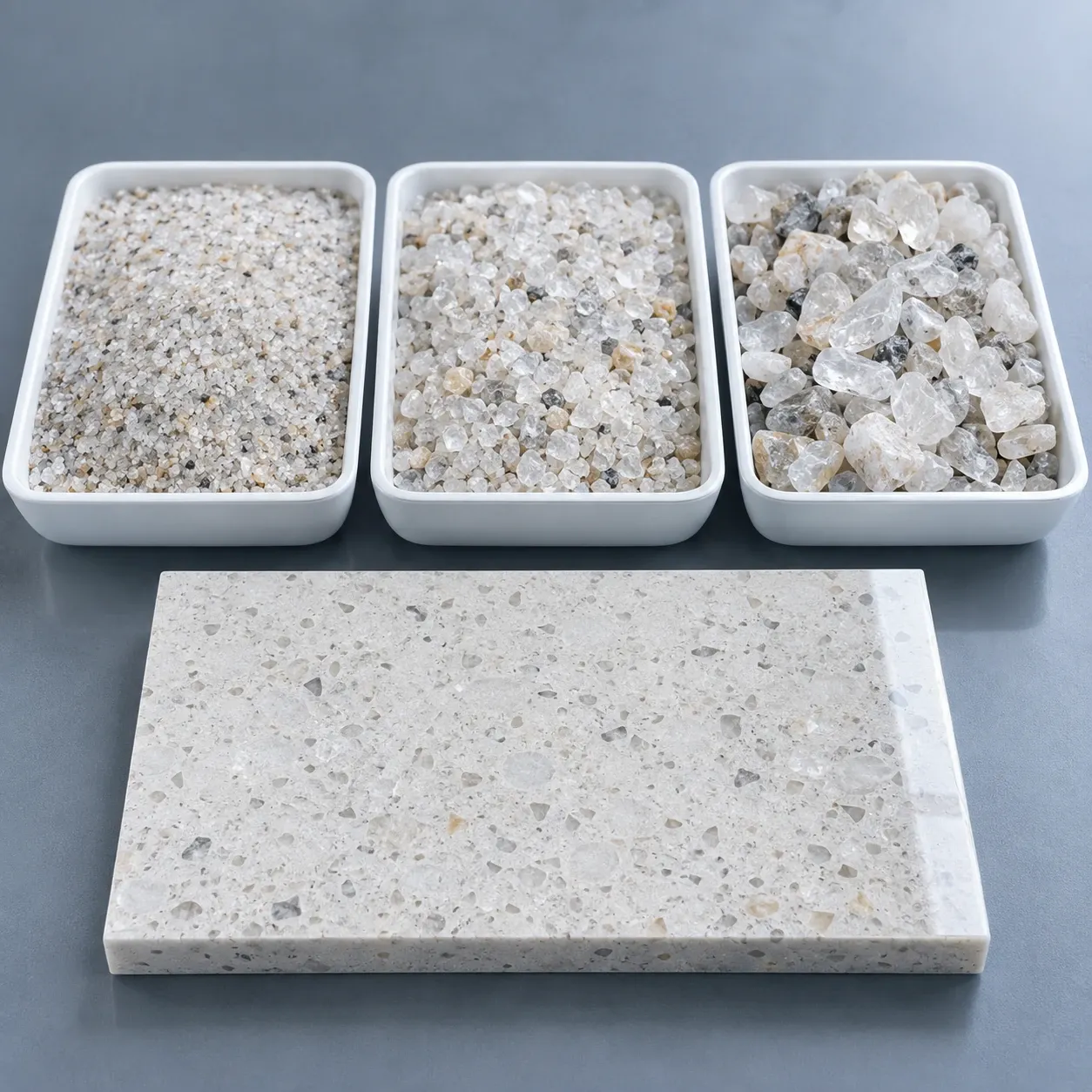
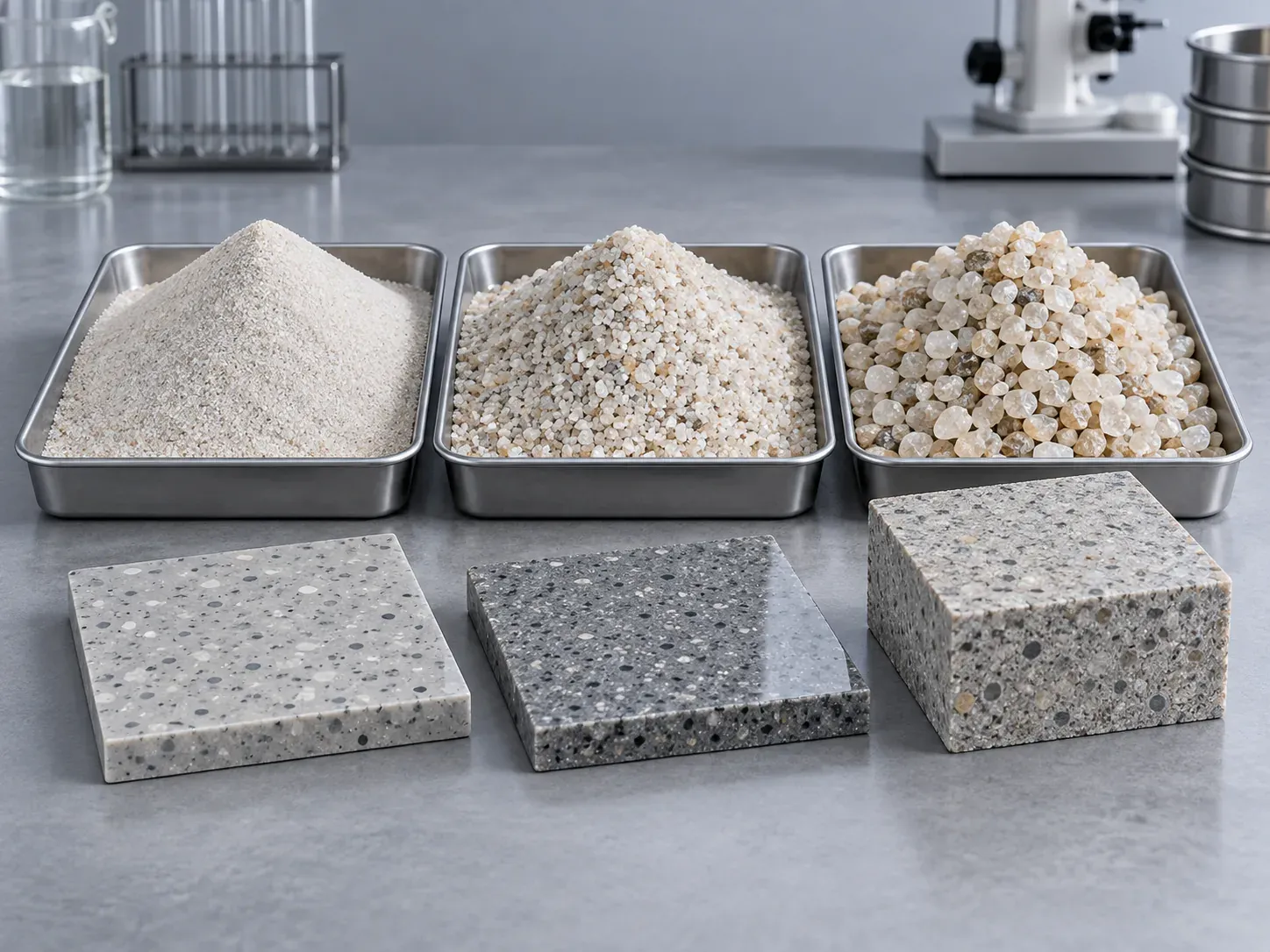
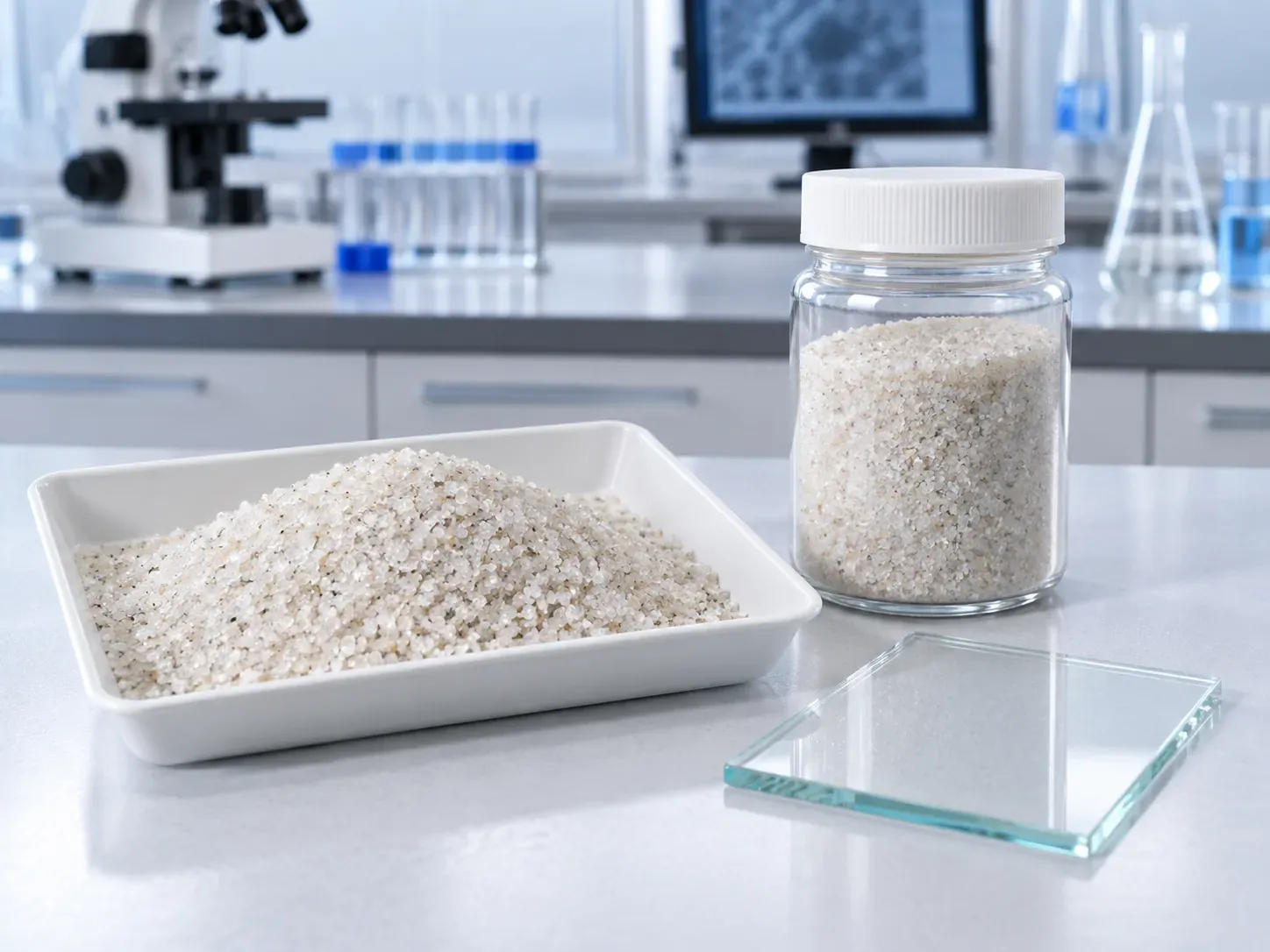
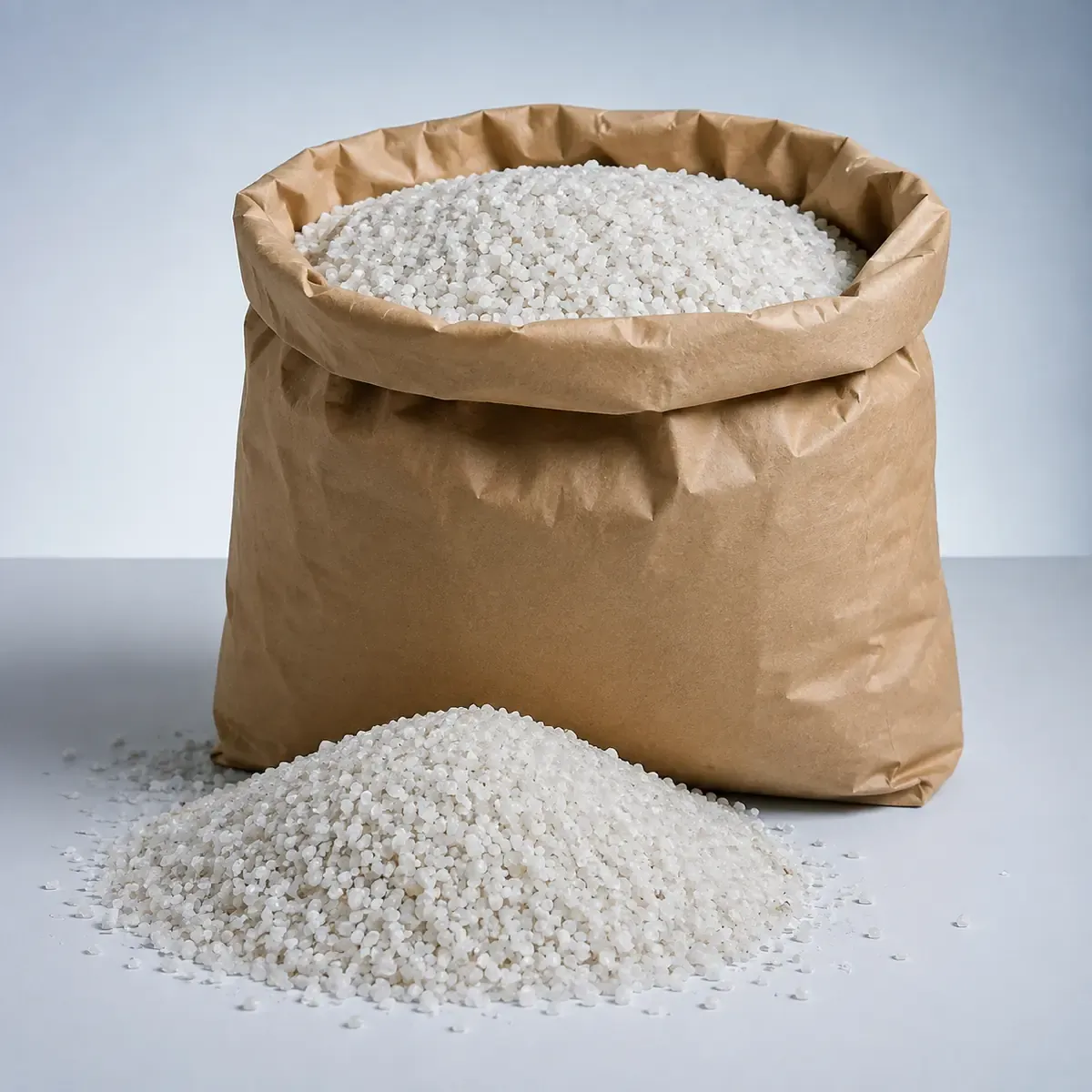
Natural crystalline quartz sand processed from selected quartz stone for glass, ceramic and foundry formulations. Mohs hardness 7, milky-white to translucent appearance and particle-size grading available to agreed requirements. Contact Changtong for grade-specific chemistry, sizing, samples and quotation.
Specifications
- Mesh Size
- 4-6mesh,6-8mesh,8-16mesh,16-24mesh,24-40mesh,40-70mesh,70-120mesh,120-0mesh
- Particle Size
- 3-5mm,1-3mm,1-0.5mm,0.5-0.2mm,0.1-0.2mm,0.1-0mm(120mesh),0.075mm(200mesh)
- SiO₂ Content
- 99.3-99.7%
- Fe₂O₃
- <0.015%
- Specific Gravity
- 2.65g/cm³
- Moh's hardness
- 7
Industrial Mineral Raw Material
Natural Quartz Sand for Consistent Industrial Formulations
Changtong natural quartz sand is produced from selected quartz stone and processed into controlled granular material. Its mineral hardness, wear resistance and stable silicate character make it a practical raw material for glass batches, ceramic bodies, foundry mixtures and other mineral-based formulations. Particle-size grading can be discussed according to the customer’s process and end-use requirements.
What Is Natural Quartz Sand?
Natural quartz sand is a granular quartz material obtained by crushing and grading quartz stone. The mineral is typically milky white or colorless to translucent and has a Mohs hardness of 7. Unlike fused silica and cristobalite, this product retains the crystalline quartz mineral structure, so buyers should select it according to the thermal, chemical and particle-size requirements of their own formulation.
This distinction matters in purchasing. Natural quartz sand is commonly chosen when controlled mineral granules, mechanical durability and cost-effective silica content are the primary considerations. Fused silica is normally evaluated when very low thermal expansion is required, while cristobalite is selected for its transformed mineral phase and application-specific performance.
Selected Quartz Feedstock
Quartz stone is processed into granular material for industrial raw-material use.
Mohs Hardness 7
The inherent hardness of quartz supports wear-resistant mineral formulations.
Particle-Size Options
Grading can be matched to the customer’s batch, mold, body or processing method.
Application-Focused Supply
Specifications are reviewed against the intended glass, ceramic or foundry use.
Typical Product Characteristics
| Material | Natural crystalline quartz sand |
|---|---|
| Appearance | Milky white or colorless to translucent granules |
| Mineral Hardness | Mohs 7 |
| Particle Size | Available according to agreed grading requirements |
| Primary Applications | Glass, ceramics, foundry and mineral-based industrial formulations |
| Specification Confirmation | Final chemistry and size distribution are confirmed against the requested grade |
The table describes the product family. Request the grade-specific specification sheet before production approval or bulk purchasing.
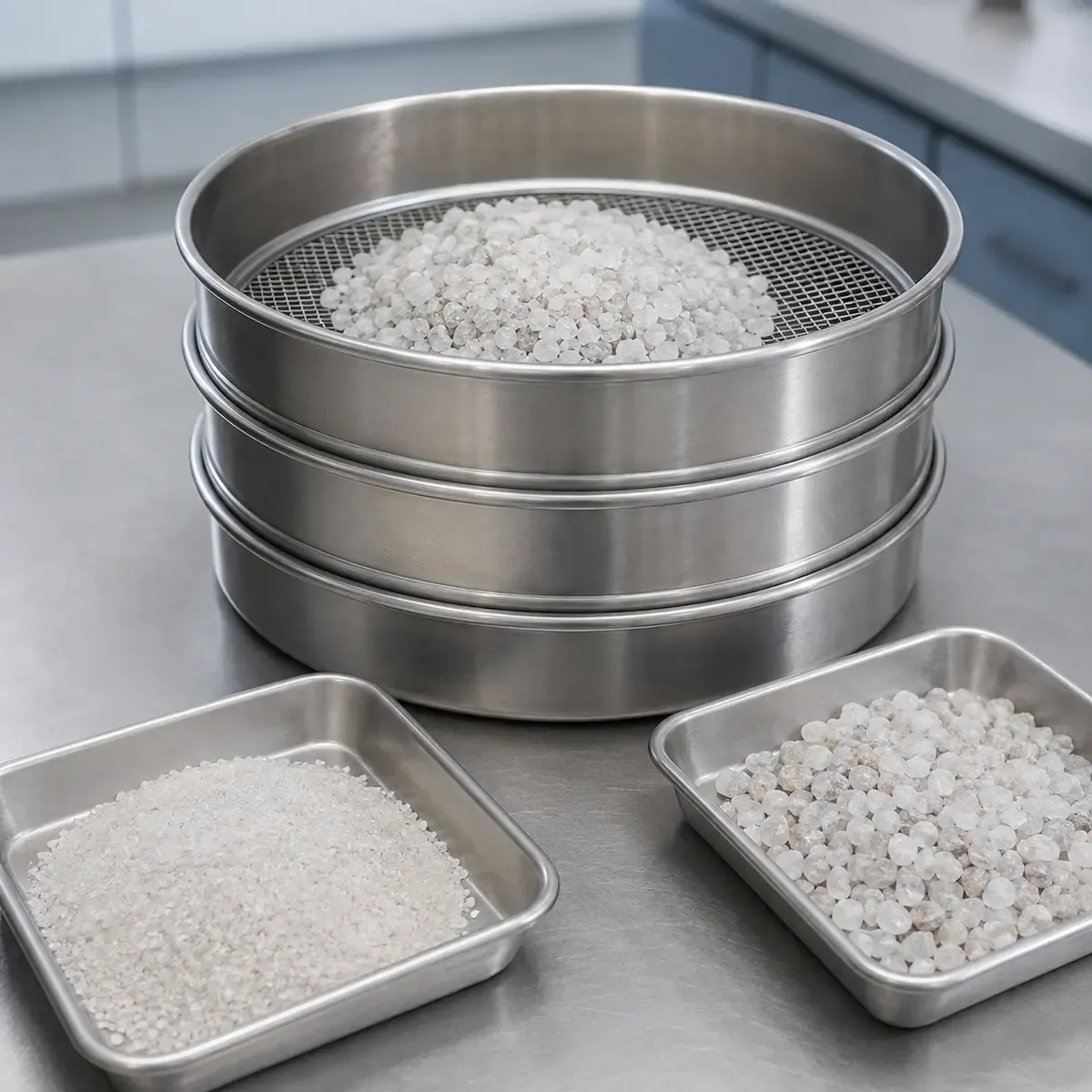
Application and Selection Guide
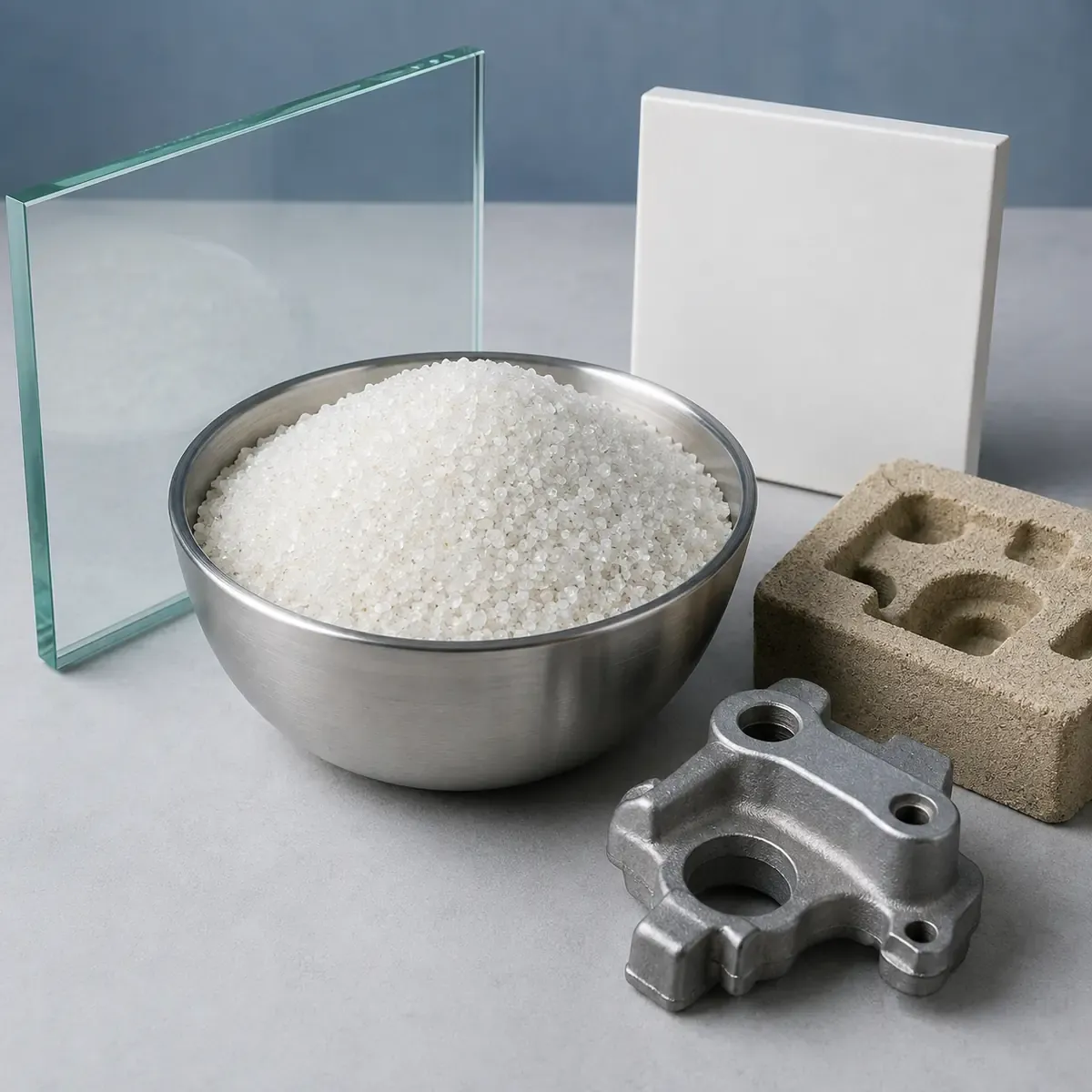
Glass Manufacturing
Buyers should specify the intended glass type, required chemical limits and acceptable particle-size distribution. These details determine whether an ordinary, refined or high-purity quartz sand grade is appropriate.
Ceramic Bodies and Glazes
Quartz sand can contribute silica to ceramic batches. Selection should consider grinding requirements, firing behavior, particle size and the appearance target of the finished ceramic product.
Foundry Formulations
Foundry users should provide the casting process, required grain range, binder system and test method. This allows the supplied grade to be assessed under the customer’s actual mold or core conditions.
How to Specify the Right Grade
- Identify the application: glass batch, ceramic body, glaze, foundry mold, core mixture or another mineral formulation.
- Define particle-size requirements: provide the target mesh, sieve distribution or approved reference sample.
- State chemical limits: list the elements or oxides that are critical to product color, melting, firing or process stability.
- Confirm the test method: align sampling and inspection methods before comparing supplier and customer results.
- Run an application trial: evaluate the selected grade in the customer’s actual process before approving regular supply.
Frequently Asked Questions
Is natural quartz sand the same as fused silica sand?
No. Natural quartz sand retains the crystalline quartz mineral structure. Fused silica is produced through high-temperature fusion and is normally selected when its amorphous structure and low thermal expansion are required.
Can the particle-size grading be customized?
Particle-size requirements can be reviewed against the requested application. Provide a mesh range, sieve distribution or reference sample when asking for a quotation.
What information is needed for an accurate quotation?
Please provide the application, requested particle size, critical chemical limits, trial quantity, estimated annual demand and destination country or port.
Request a Grade-Matched Quartz Sand Quotation
Tell us your application, target particle size, chemical limits and required quantity. Our team will review the specification and respond with the appropriate grade, supporting documents and quotation.
Request a Quote