Buying Hydrophobic Silica for MS Polymer Sealants: A Distributor's RFQ and Trial Checklist
A distributor-focused checklist for qualifying hydrophobic silica in MS polymer sealants, covering RFQ details, dispersion trials, storage evidence and repeat-order control.

When you buy hydrophobic silica for MS polymer sealants, your customer is not buying a powder specification alone. They are buying a repeatable trial, a clear COA, predictable packing, and a supply plan that can survive the next order.
This is a buyer and distributor checklist. It does not promise a universal dosage, sag value, skin time, adhesion result, or finished-sealant performance. Final limits must be confirmed in the customer’s MS polymer, plasticizer, moisture-control and curing system.
Experienced sealant buyers usually ask four practical questions: Will the material disperse in the target polymer? Will the customer see the same extrusion and sag behavior from one lot to the next? Can the supplier provide useful documents quickly? And can the supplier keep the grade available when a trial becomes a recurring order?
Those questions are more useful than asking for one “best” hydrophobic silica. A distributor should turn them into a small qualification file that can be reused for quotations, customer samples and repeat orders.
1. Start with the customer’s sealant process
Ask whether the customer is making a one-component moisture-cure MS polymer, a hybrid sealant, an adhesive, or another compound. Record the base polymer, plasticizer package, catalyst system, mixing equipment, packaging format and expected application method. A powder that behaves acceptably in a planetary mixer may need a different trial in a vacuum mixer or a high-shear line.
Also ask what failure the customer is trying to solve. “Higher viscosity” is not a complete target. The real issue may be sag on a vertical joint, poor extrusion after storage, slow wetting, uneven bead appearance, or loss of adhesion after curing.
2. Build a useful RFQ instead of forwarding a product name
| RFQ field | What the buyer should state | Why it affects the trial |
|---|---|---|
| Application | Sealant, adhesive, joint type and packaging | Defines the relevant process and handling evidence |
| Material identity | Natural-quartz-derived surface-treated silica or another material | Prevents confusion with precipitated or fumed silica |
| Documents | Current TDS, COA fields, SDS and packing details | Lets the customer qualify the grade before ordering volume |
3. Review dispersion and extrusion evidence
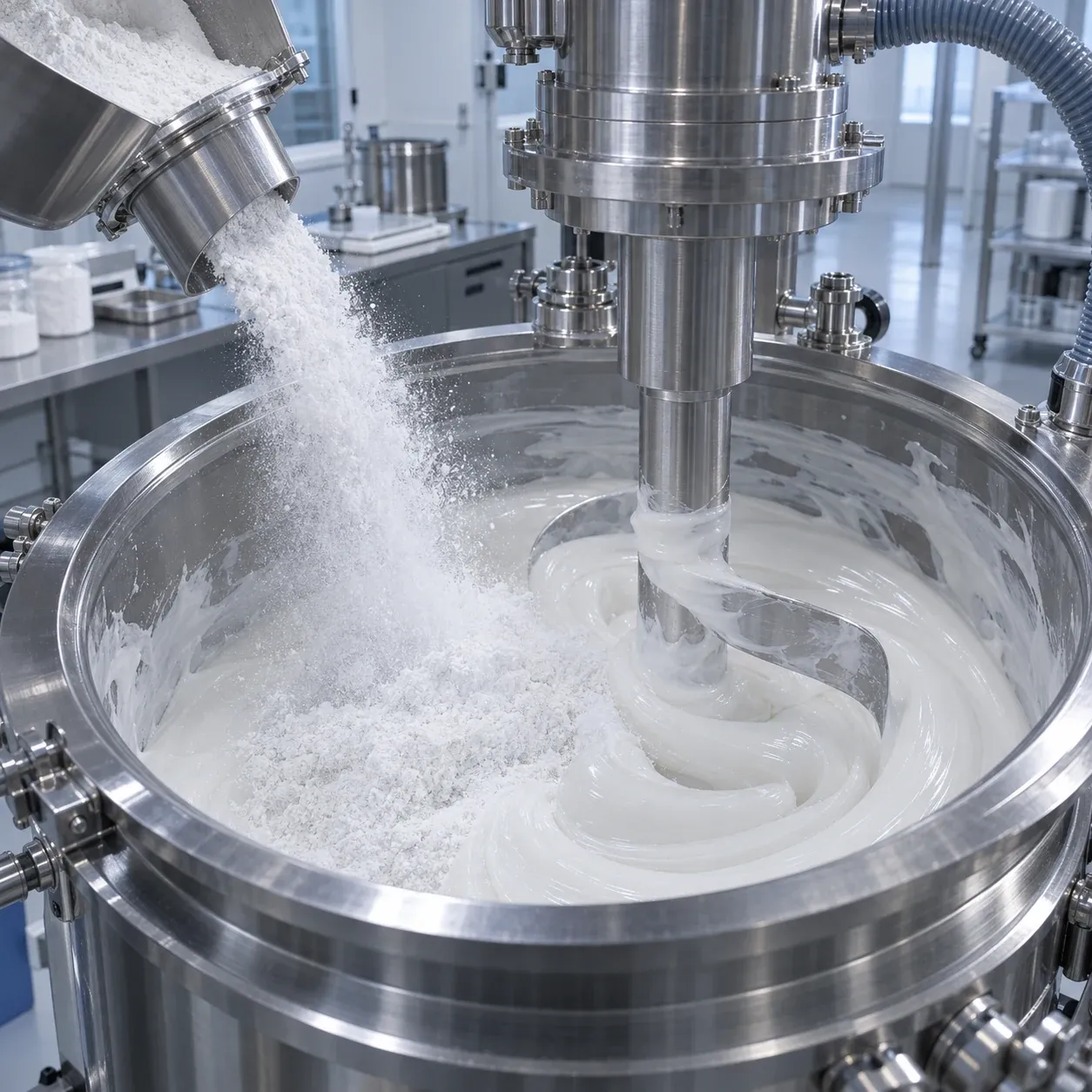
During a sample trial, record the addition sequence, mixing time, temperature history and visual wetting. Then compare extrusion force or practical bead handling using the customer’s normal equipment. For vertical applications, document the test surface, bead size, observation time and temperature instead of reporting “good sag resistance” without context.
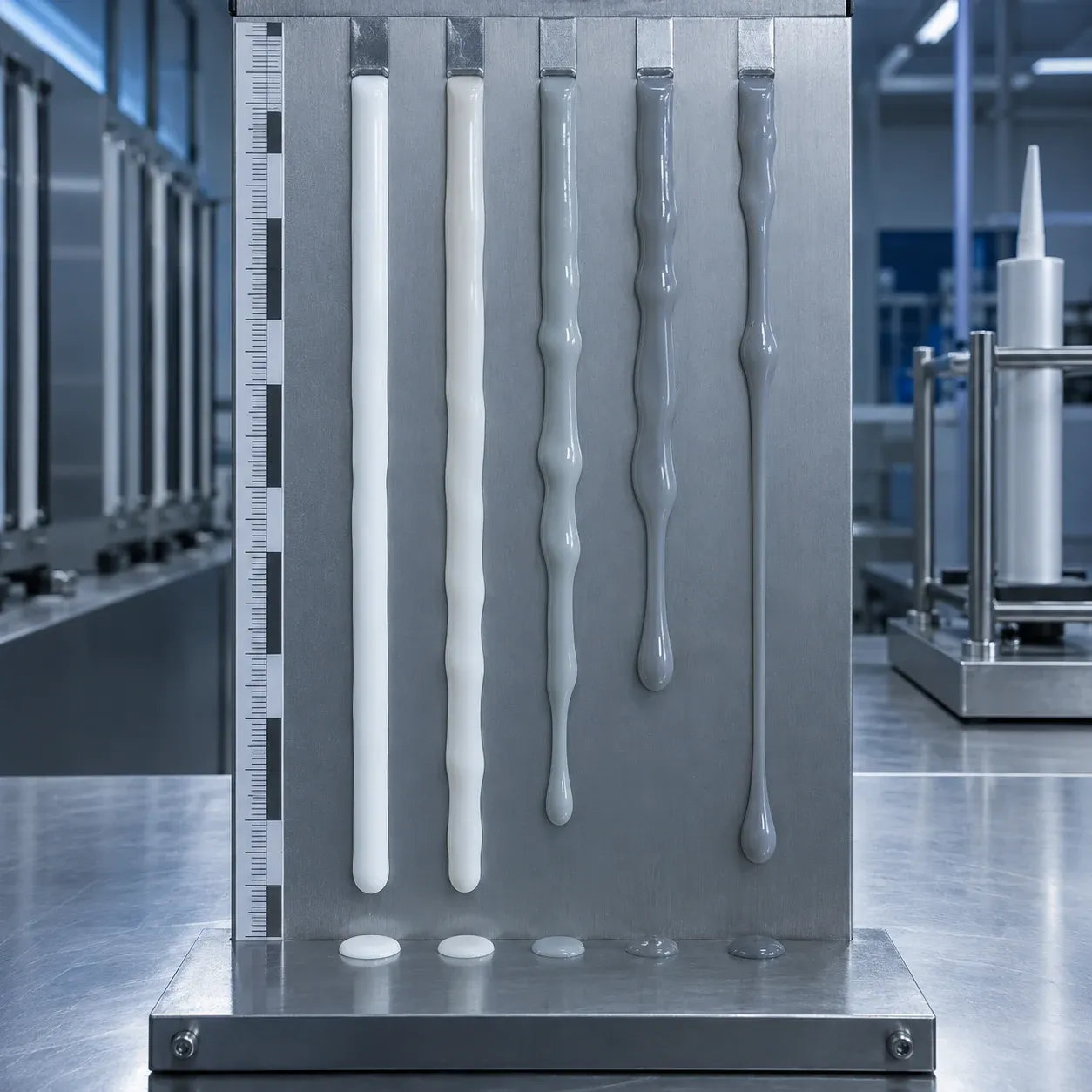
For a distributor, this evidence is valuable because it turns a sample shipment into a repeatable customer conversation. It also prevents a common mistake: changing polymer, plasticizer and filler at the same time, then attributing every result to the silica grade.
4. Make moisture and storage part of the supply promise
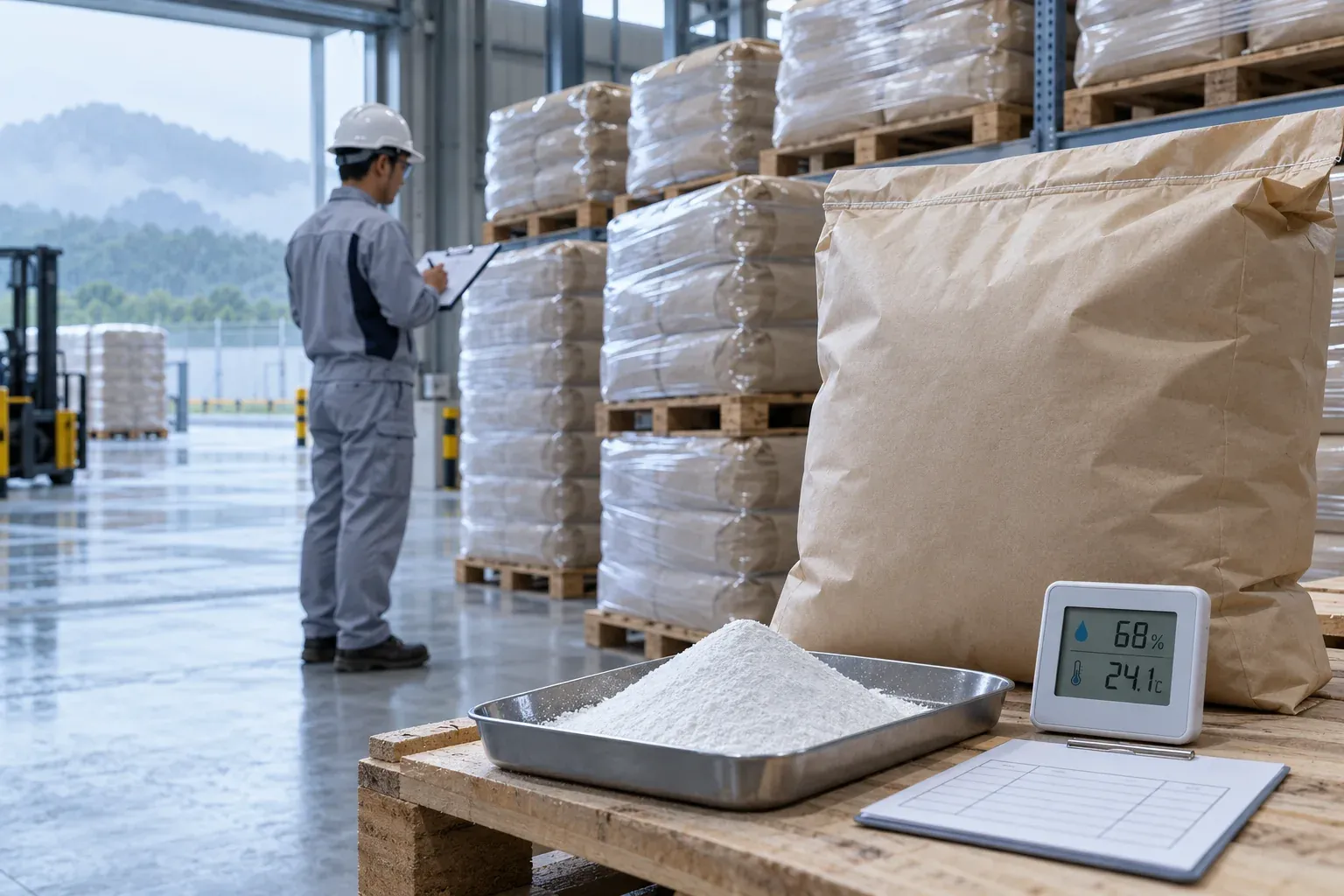
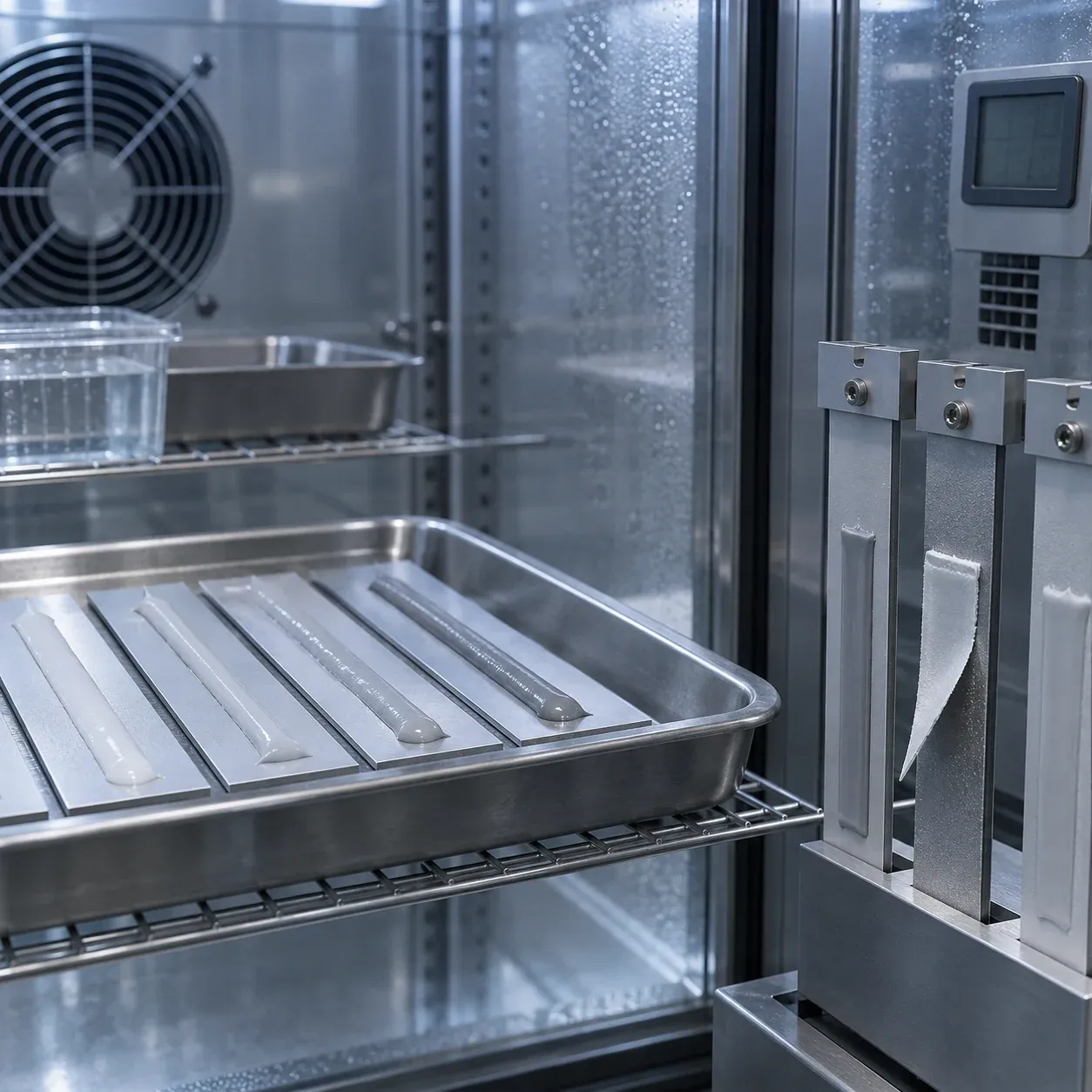
Surface-treated silica is sensitive to how it is packed, stored and sampled. Ask the supplier how the lot is identified, what packaging is used, how the bag is protected from humidity, and which moisture method appears on the COA. Do not turn a general storage statement into a guaranteed shelf-life claim unless the relevant data are documented.
5. What makes a supplier attractive after the first sample?
- Fast answers to technical and packing questions.
- A stable COA format with lot identification and agreed test fields.
- Clear separation between natural-quartz-derived surface-treated silica and synthetic silica families.
- Realistic lead-time communication instead of an unsupported delivery promise.
- A sample-to-repeat-order path that keeps the approved grade and packaging clear.
FAQ
Is hydrophobic silica interchangeable with fumed silica?
No. They are different material families and must be qualified by identity, surface treatment, PSD, dispersion behavior and the target formulation.
What should a distributor send with a sample?
Send the application questions, current TDS/COA information, packing description and a short trial record template rather than only a product name.
Prepare a customer-specific RFQ
Share the sealant type, mixing route, target failure mode, trial quantity and documentation requirements with the Changtong technical team.
Contact Changtong Technical TeamRelated: surface-treated silica material reference and silica powder RFQ checklist.
MS POLYMER SEALANT FORMULATION
Hydrophobic silica should improve handling without stealing cure capacity.
In moisture-curing MS polymer sealants, a surface-treated silica grade can change yield stress, sag resistance, extrusion force and water interaction at the same time. A useful trial therefore measures the application window and cure response together.
Material Identity
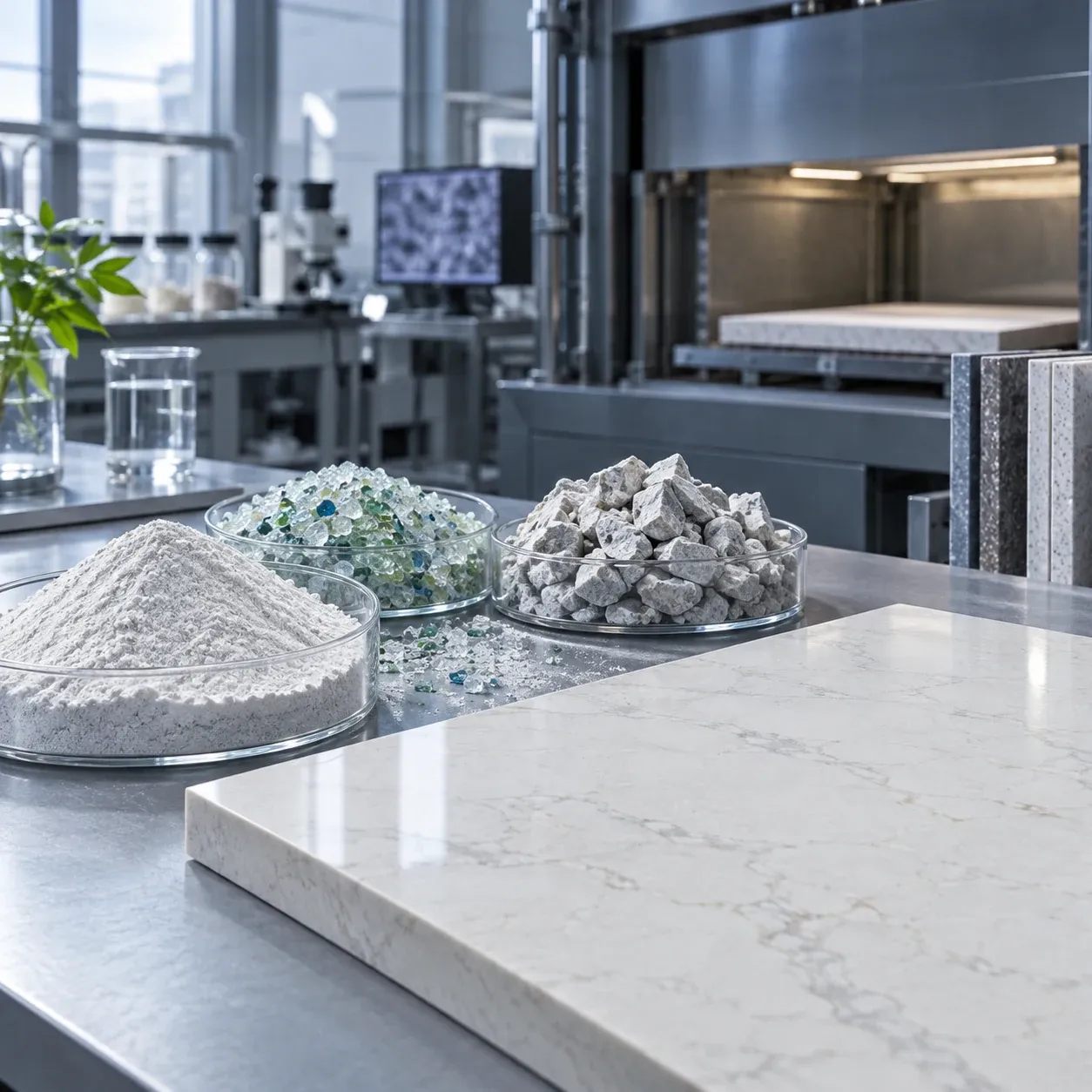
Hydrophobic surface-treated silica is a silica powder whose surface has been modified to reduce water affinity and improve compatibility with selected polymer systems. It is distinct from untreated fused silica powder and from crystalline quartz powder. The treatment chemistry, surface area and moisture history must be confirmed for the grade under trial.
Properties and Trial Controls
| Control | Why buyers track it | Suggested evidence |
|---|---|---|
| Hydrophobicity / moisture | Excess water interaction can change cure profile and storage stability. | Current COA, moisture method and sealed-pack handling record. |
| Rheology and sag | Controls vertical bead shape and tooling feel. | Extrusion force, slump and bead recovery at use temperature. |
| Moisture cure | Filler can alter skin formation and through-cure rate. | Skin time, cure depth and adhesion after defined humidity exposure. |
Reference context only: no universal dosage or cure time is implied. Confirm by current TDS/COA and customer trial in the complete sealant formulation.
A Four-Point Formulation Screen
- Precondition polymer, filler and additives to a recorded temperature and humidity.
- Screen low, middle and high loading while holding catalyst and plasticizer constant.
- Measure mixing torque, deaeration, extrusion force, slump and surface skin.
- Age cartridges under the customer’s storage condition, then repeat extrusion and adhesion checks.
Applications and Decision Boundaries
Construction joints
Prioritize sag control, tooling and adhesion after humidity exposure.
Facade and glazing
Check bead geometry, weathering plan and substrate compatibility.
Battery-module sealants
Use the separate EV encapsulation grade guide when dielectric and thermal-interface requirements apply.
Related Product and FAQ
For polymer masterbatch, compare hydrophobic surface-treated silica for masterbatch; the carrier resin and dispersion target are different. For electrical potting, see silica powder filler for electronic compounds.
Can hydrophobic silica always increase filler loading?
No. Higher loading may improve sag resistance but can raise torque or reduce elongation. Let extrusion, cure and mechanical data set the usable window.
What should be included in a sample request?
Specify polymer type, target hardness, catalyst package, cartridge size, application temperature, required skin time and storage period.
Request a Quote
Send polymer base, filler loading window, application method, storage condition and required cure/adhesion tests. We will map the request to a grade-specific TDS/COA review.
Request a Quote