How to Choose Surface-Treated Quartz Powder for Epoxy Flooring
Learn how to screen surface-treated quartz powder for epoxy flooring by layer, resin wetting, dispersion, viscosity, moisture and trial evidence.
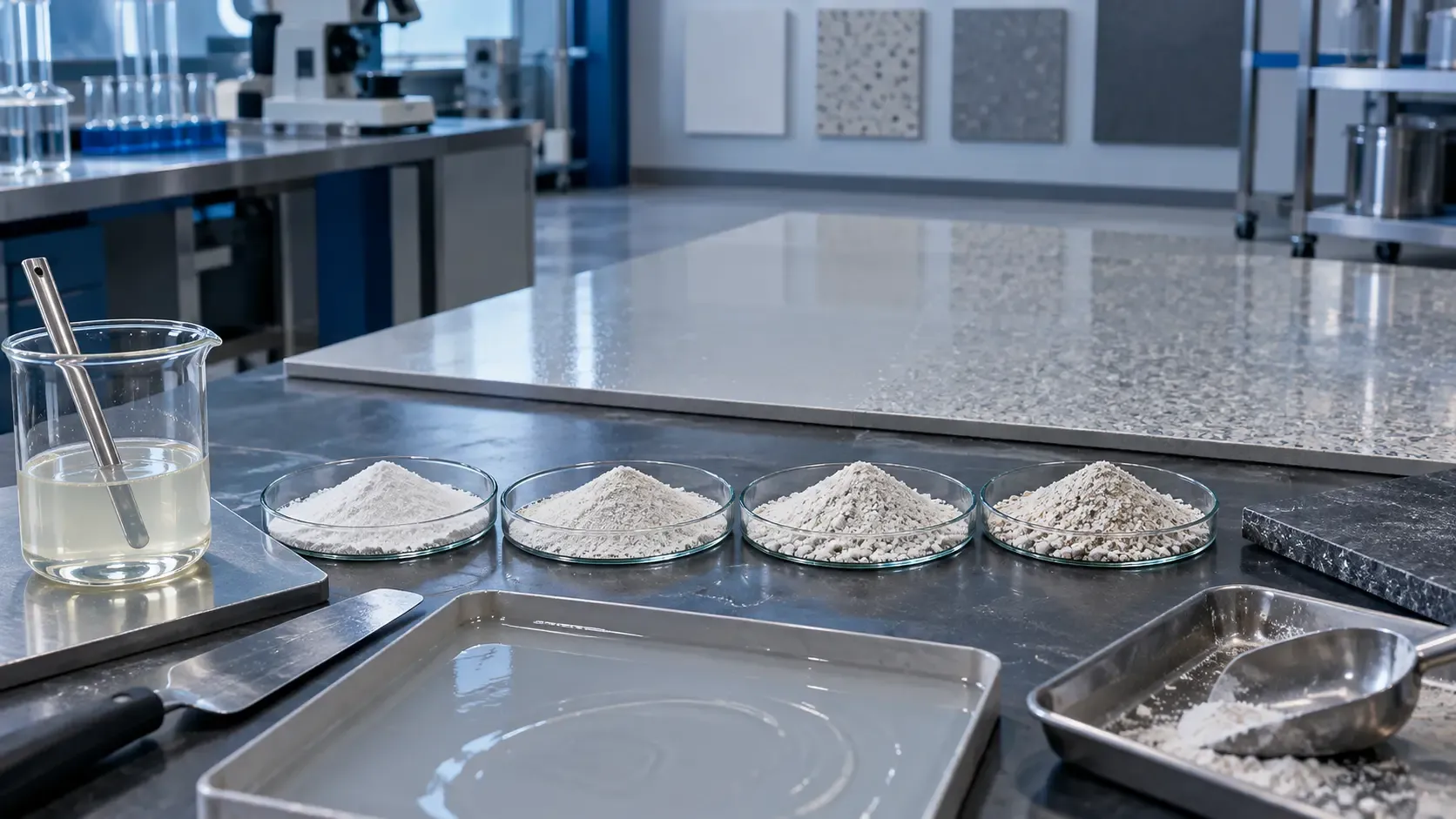
Selecting surface-treated quartz powder for epoxy flooring is a formulation-screening decision, not a particle-size decision alone. Review the powder’s material scope, treatment behavior, wetting, dispersion, viscosity build, moisture evidence and cured-panel result in the exact resin system before approving a grade.
What Is the Buyer Actually Selecting?
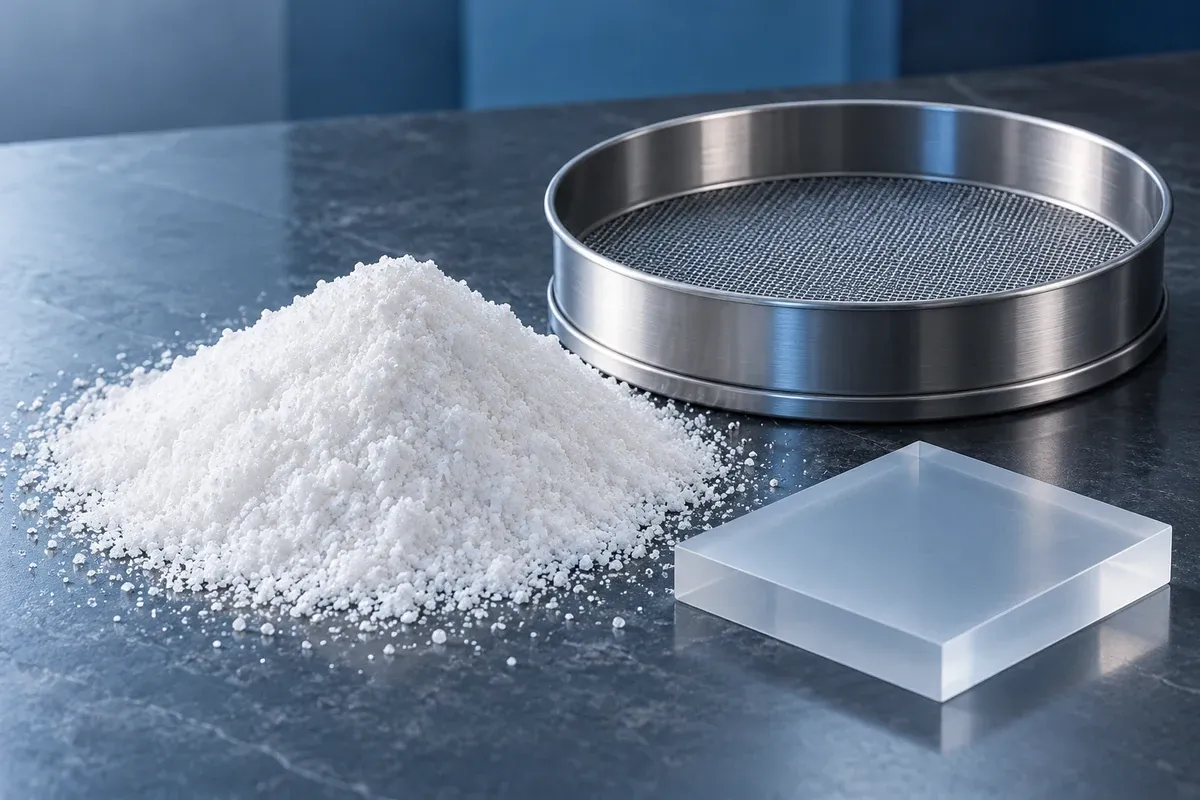
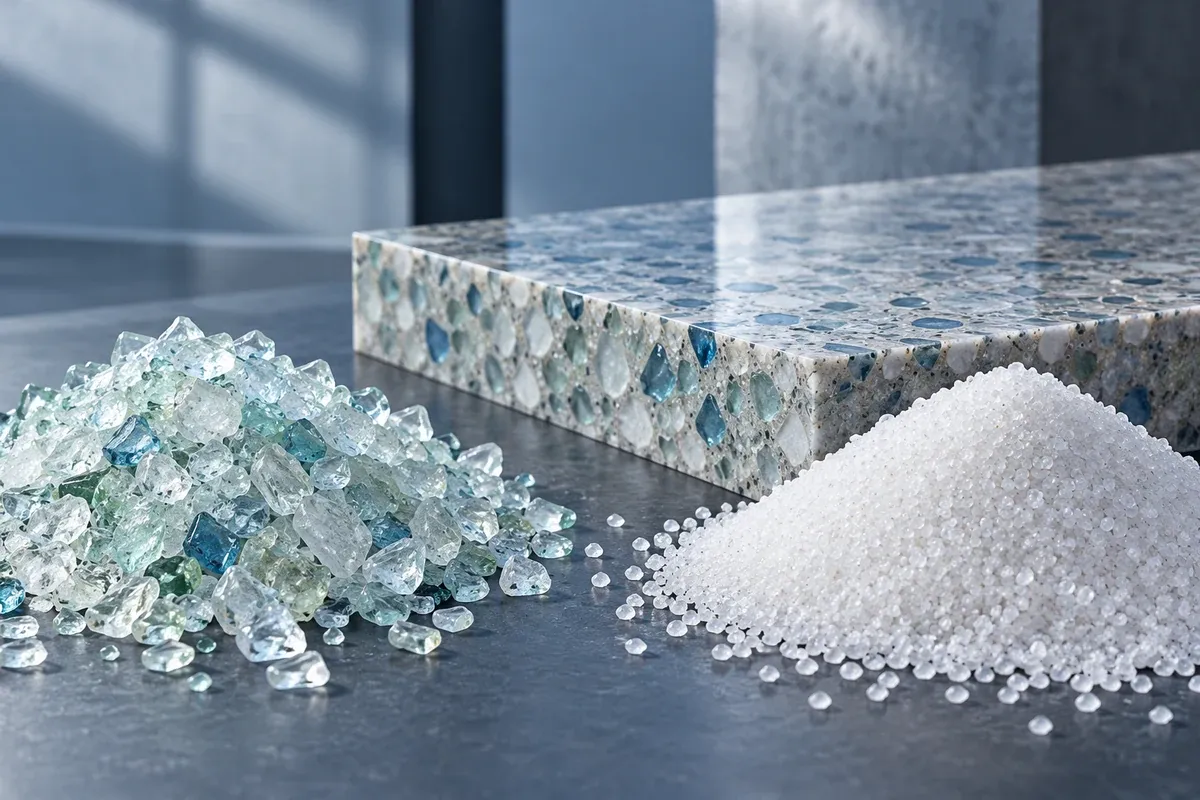
For an epoxy flooring manufacturer, the purchase decision is not simply “which white powder has the finest appearance?” The useful question is whether the selected filler can be incorporated, dispersed and applied within the intended flooring layer and process window. Changtong’s surface-treated quartz powder for epoxy flooring is described as a natural-quartz-derived powder intended for controlled comparison of hydrophobic response, filler wetting, dispersion, oil absorption and viscosity build.
Those are screening objectives rather than fixed performance claims for every resin, hardener, pigment, loading level or installation method. A responsible specification therefore connects the powder grade to a reference formulation, a mixing record and a finished-panel review.
Which Product Data Should Be Checked Before a Trial?
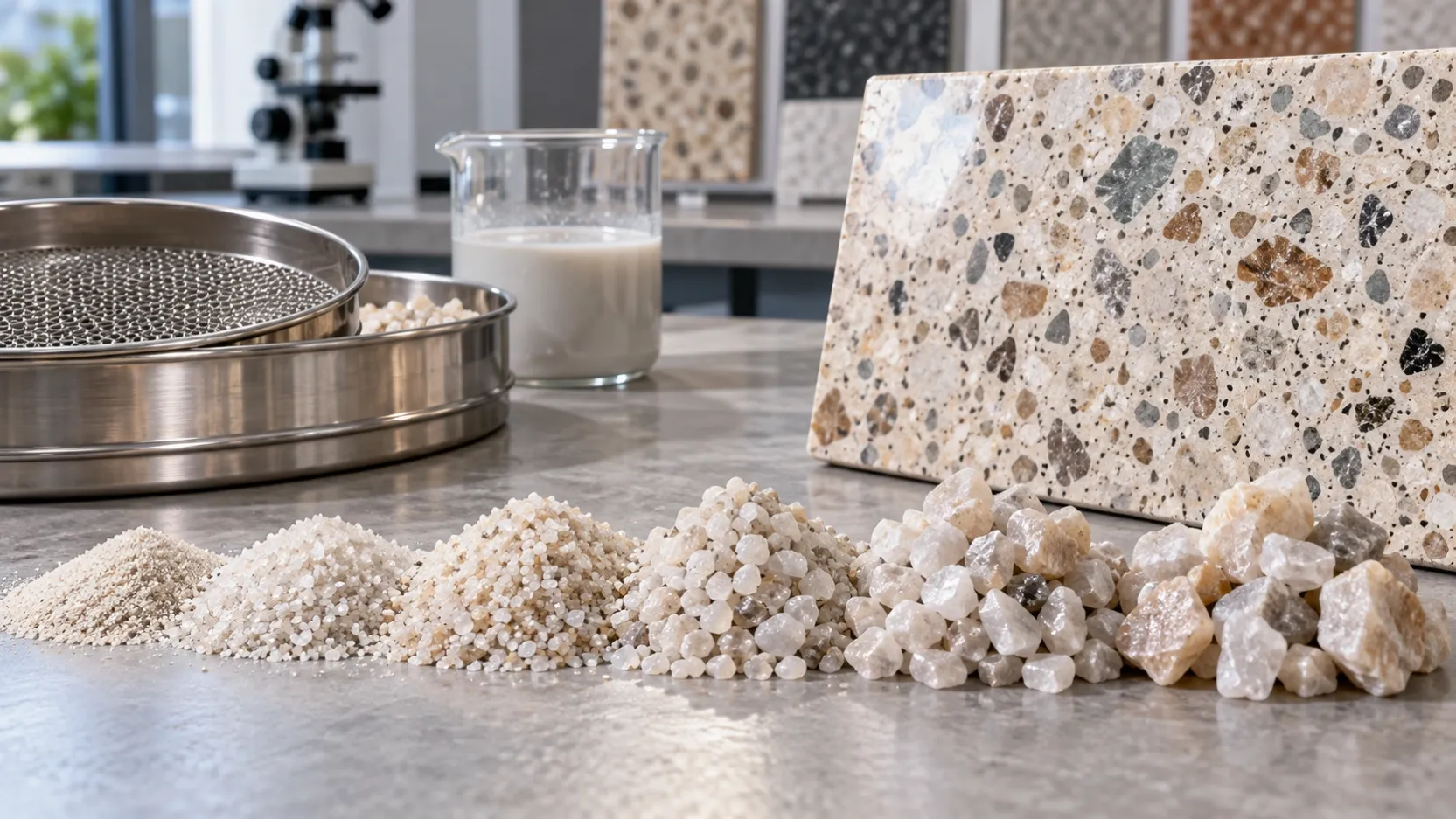
Start with the data that can change the trial design. The public product information lists several grades, including QG300, QG400, QG600, SP10, SP5 and SP2, with grade-specific chemistry and reported particle-size values. The size field must not be converted to mesh or micrometres until the supplier confirms the unit, test method and reporting basis.
| Screening item | Why it matters | Evidence to request |
|---|---|---|
| Grade and lot identity | Keeps comparison tied to one material definition. | Grade code, lot number and package record. |
| Particle-size method | Controls packing, surface area and application response. | Unit, method, distribution basis and report. |
| Moisture and chemistry | Supports batch comparison and process control. | COA scope, test date and lot reference. |
| Treatment boundary | Prevents assuming identical behavior in every resin. | Supplier description and agreed trial conditions. |

How Does Surface Treatment Change the Screening Questions?
Surface treatment changes the questions asked during incorporation. Instead of judging the powder by appearance alone, record how quickly it wets into the resin, whether dry pockets remain, whether agglomerates break down, how much air is retained and how the mix behaves during the planned working window.
Do not transfer the behavior of fumed silica, precipitated silica, fused silica or cristobalite to a natural-quartz-derived surface-treated powder. These materials differ in production route, morphology and application role. A name that sounds similar is not a substitute for a formulation trial.
How Should the Grade Be Matched to the Flooring Layer?
Layer-based review
The same powder may not be suitable for every flooring layer. A self-leveling body layer, broadcast aggregate layer and thin topcoat impose different requirements for flow, texture, loading and surface appearance.
| Layer or use | Main review question | Do not decide from |
|---|---|---|
| Self-leveling body layer | Does the loaded mix remain workable and level within the target window? | Powder color alone. |
| Broadcast or textured layer | Does the selected distribution create the intended texture and bonding response? | A generic mesh label without method. |
| Thin topcoat | Does the filler remain dispersed without damaging appearance or application? | A result from a different resin system. |
What Is a Practical Epoxy Flooring Filler Trial?
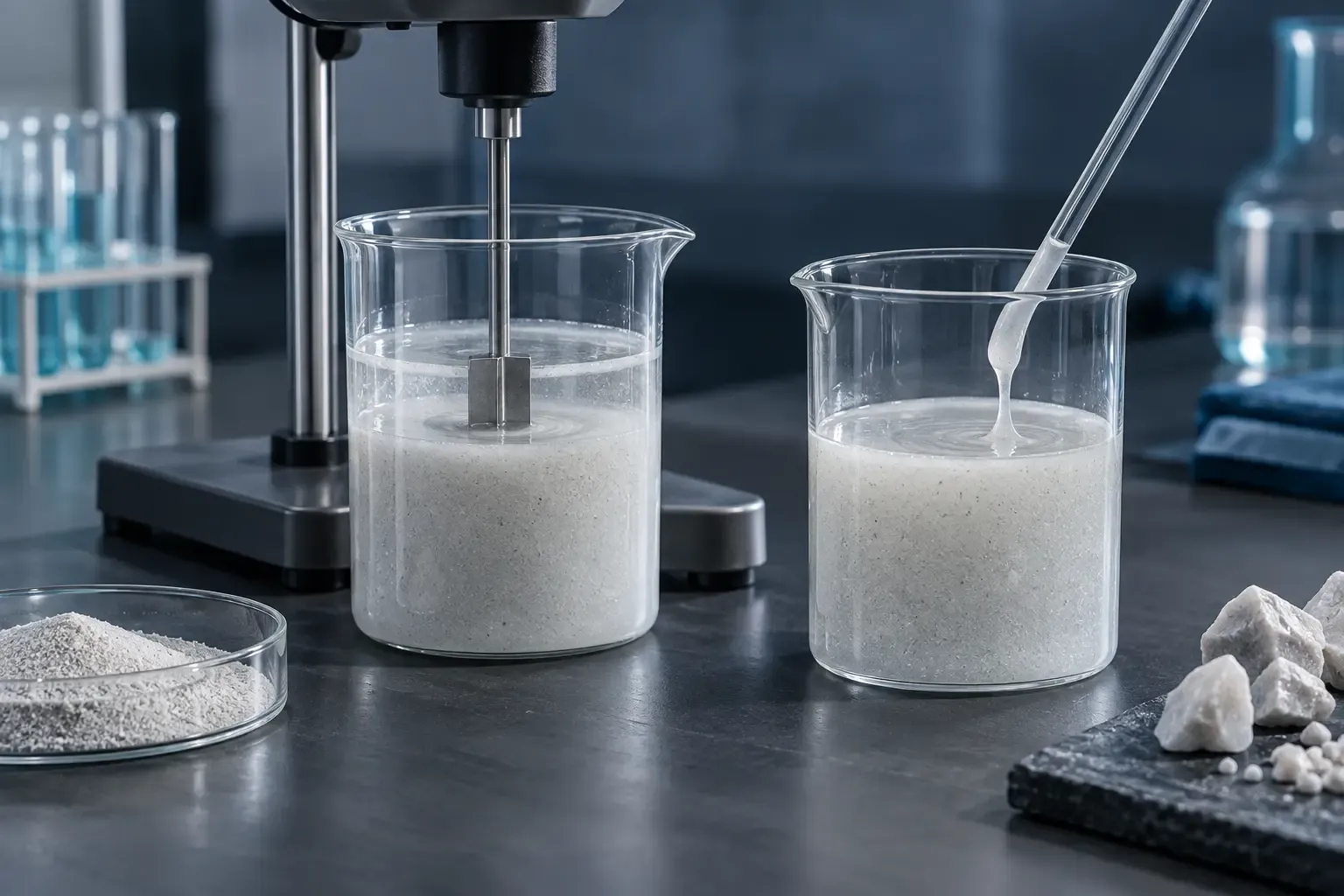
1. Fix the reference system
Record resin, hardener, pigment or additive package, mixing vessel, blade, temperature, filler loading and target application thickness.
2. Condition and weigh the powder
Record lot identity, package condition and moisture evidence. Use the same weighing and preconditioning practice for each comparison.
3. Observe wetting and dispersion
Note powder incorporation, visible agglomerates, mixing time, air release and whether the mix remains workable through the planned application window.
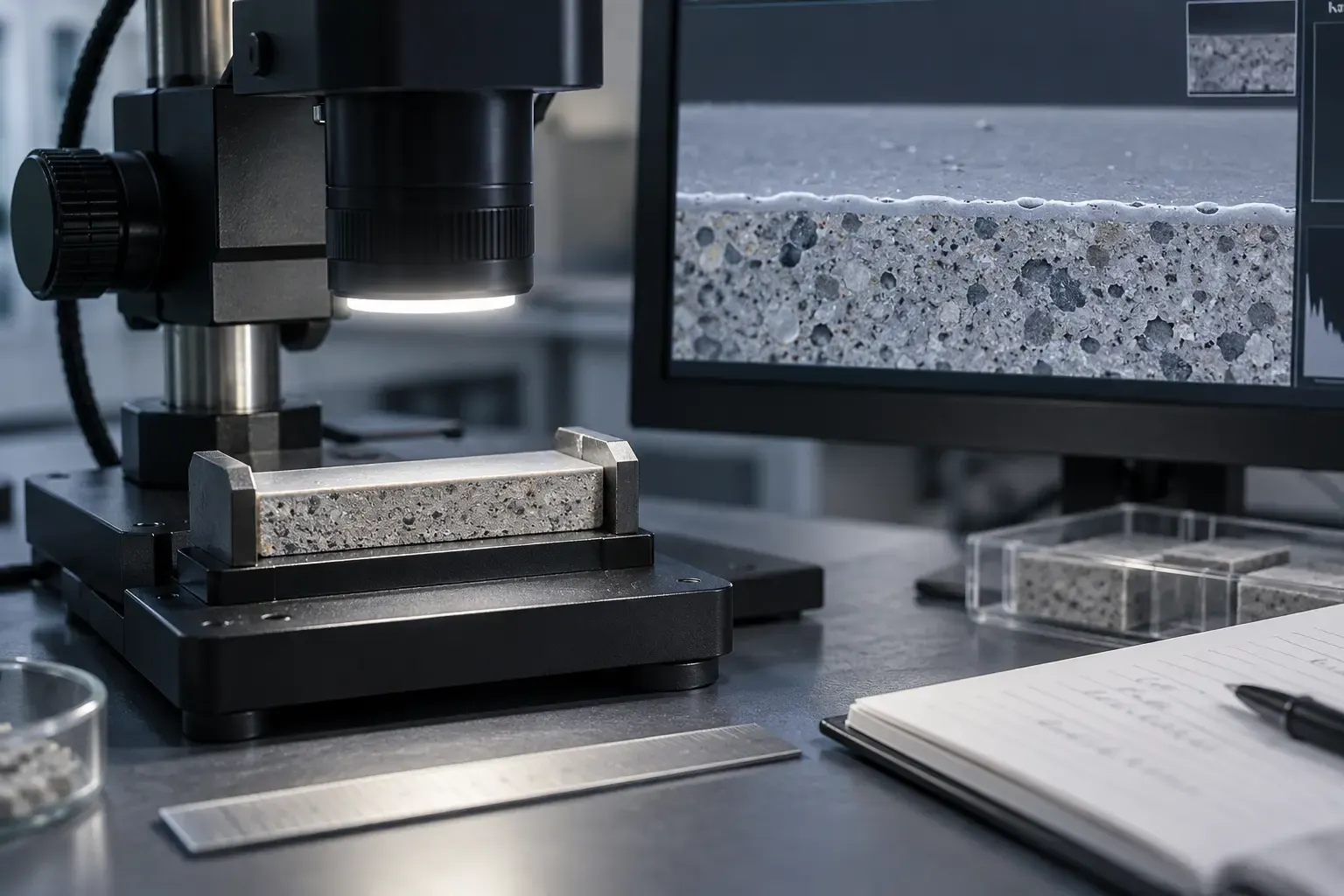
4. Evaluate the cured coupon
Review appearance, leveling, texture, adhesion, surface defects and the application-specific tests that matter to the finished floor. Keep the result tied to the exact formulation and cure record.
How Can Viscosity and Dispersion Be Compared Fairly?
Use the same resin-to-hardener ratio, filler loading, mixing sequence, temperature and observation time. A powder that looks easy to incorporate at one loading may produce a different viscosity response at another. Record both the first wetting stage and the later application stage, because apparent dispersion can change during deaeration or rest.
For document control, the silica powder COA guide explains why test method, lot identity and reported scope should stay attached to the value. For purchasing continuity, use the silica powder traceability guide when reviewing packaging and revision records.
What Should Be Included in the Purchase Specification?
A useful RFQ should describe the flooring layer, resin chemistry, target filler loading, required particle-size reporting method, treatment scope, moisture requirement, packaging, sample quantity and acceptance tests. This gives the supplier enough context to recommend a comparison grade without turning a general product description into an unsupported performance guarantee.
Frequently Asked Questions
Is surface-treated quartz powder the same as fumed silica?
No. This product is described as natural-quartz-derived powder with surface treatment. Fumed silica is a different material form and production route. The two should not be assumed to provide the same rheology.
Can I choose a grade from the listed number alone?
No. Confirm the grade-specific particle-size unit and method, then test it in the intended resin, layer and loading range. The listed values should not be treated as interchangeable with mesh or micrometres without confirmation.
Which data should be requested for a sample?
Request the lot identity, grade, chemistry, moisture, particle-size report, treatment description or boundary, packaging condition and agreed sample-test record. Keep customer-side panel results separate from supplier product data.
Can the product page replace a flooring trial?
No. The product page defines the material scope and available screening information. The flooring manufacturer must still validate wetting, dispersion, viscosity, application, cure and finished-panel performance.
Source and review boundary
The product-specific statements in this guide are limited to the published product scope and available grade information. Trial outcomes depend on the complete resin system, process conditions and customer acceptance criteria. Industry examples are screening guidance, not Changtong test results.
Request an epoxy flooring filler review
Send the resin and hardener type, flooring layer, target loading, mixing method, particle-size requirement, destination and acceptance tests. Changtong can review the inquiry against the available surface-treated quartz powder grades and the evidence required for a controlled comparison.
Send your formulation requirements