Dental Investment Burnout: Separate Powder from Casting Defects
Diagnose dental investment casting defects by separating cristobalite powder identity from mixing, burnout, mold handling and metal-casting evidence.
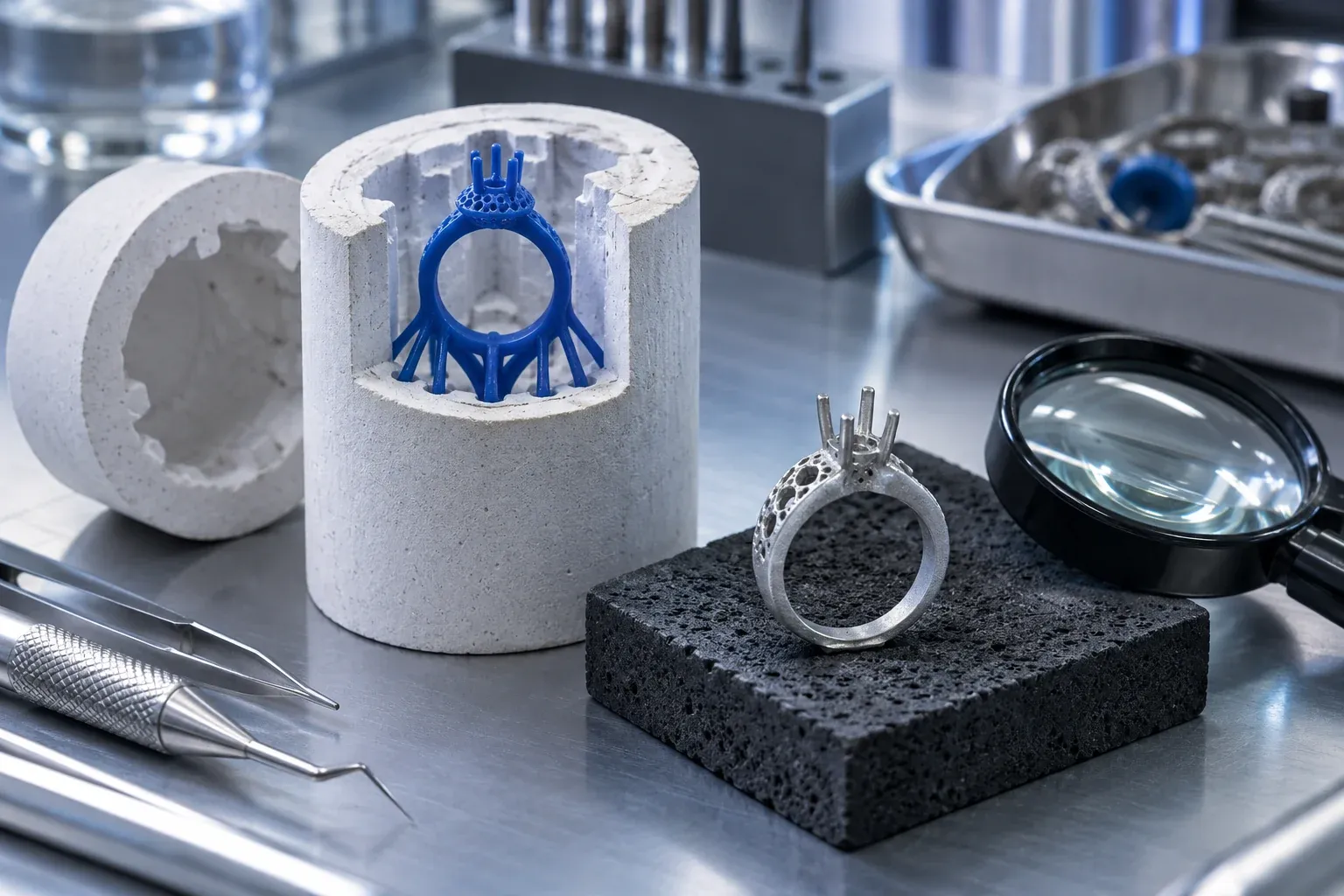
A rough casting surface is a symptom, not a powder diagnosis. In dental investment work, separate the investment material's documented identity from the mixing, mold, burnout and alloy-casting steps before changing the cristobalite grade.
Start with the defect location
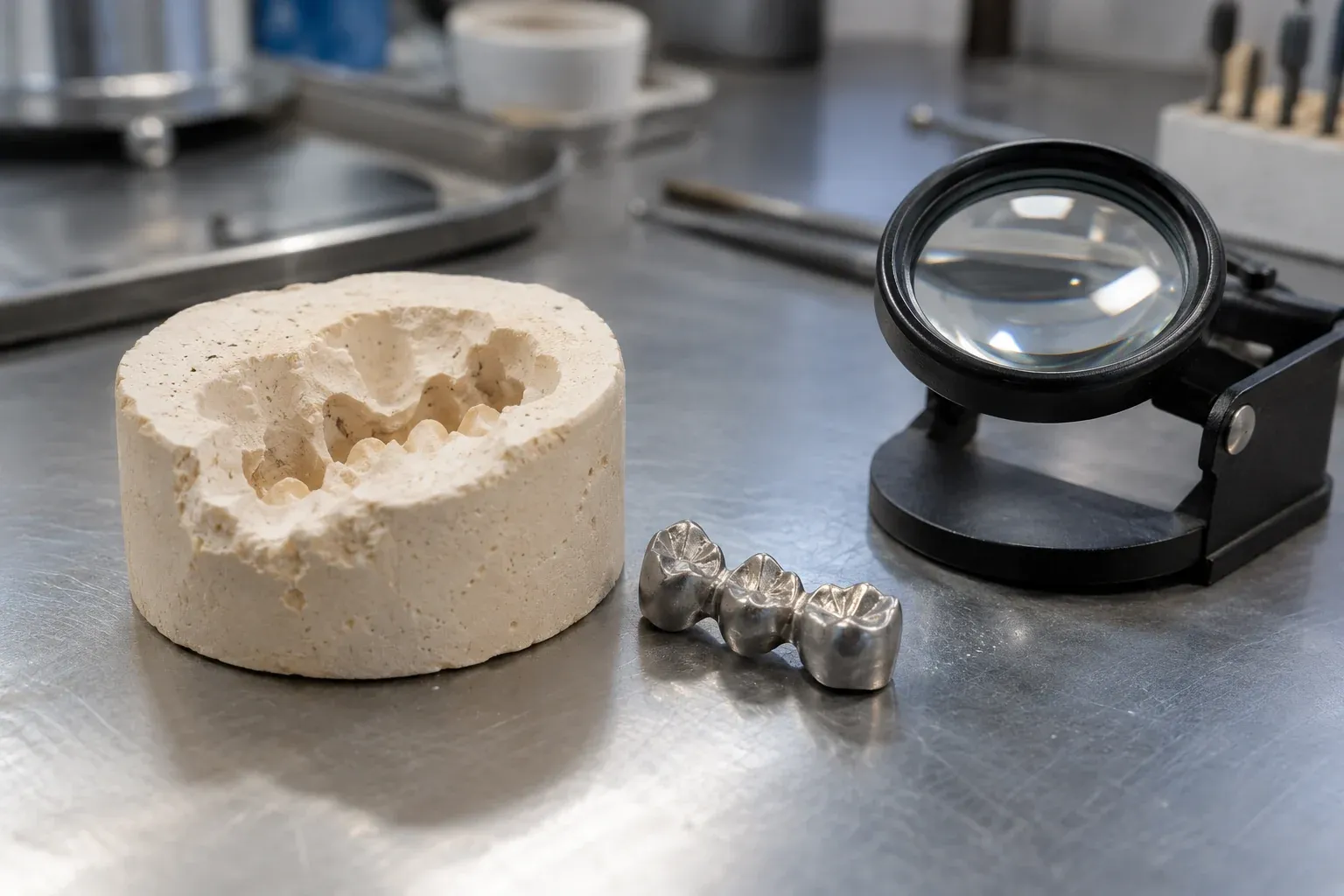
Map the defect on the casting and the corresponding mold face before cleaning or trimming. Record whether the issue is a surface nodule, fin, incomplete fill, local roughness, crack or dimensional mismatch. Preserve representative mold and casting pieces; a general label such as “rough casting” hides distinct causes.
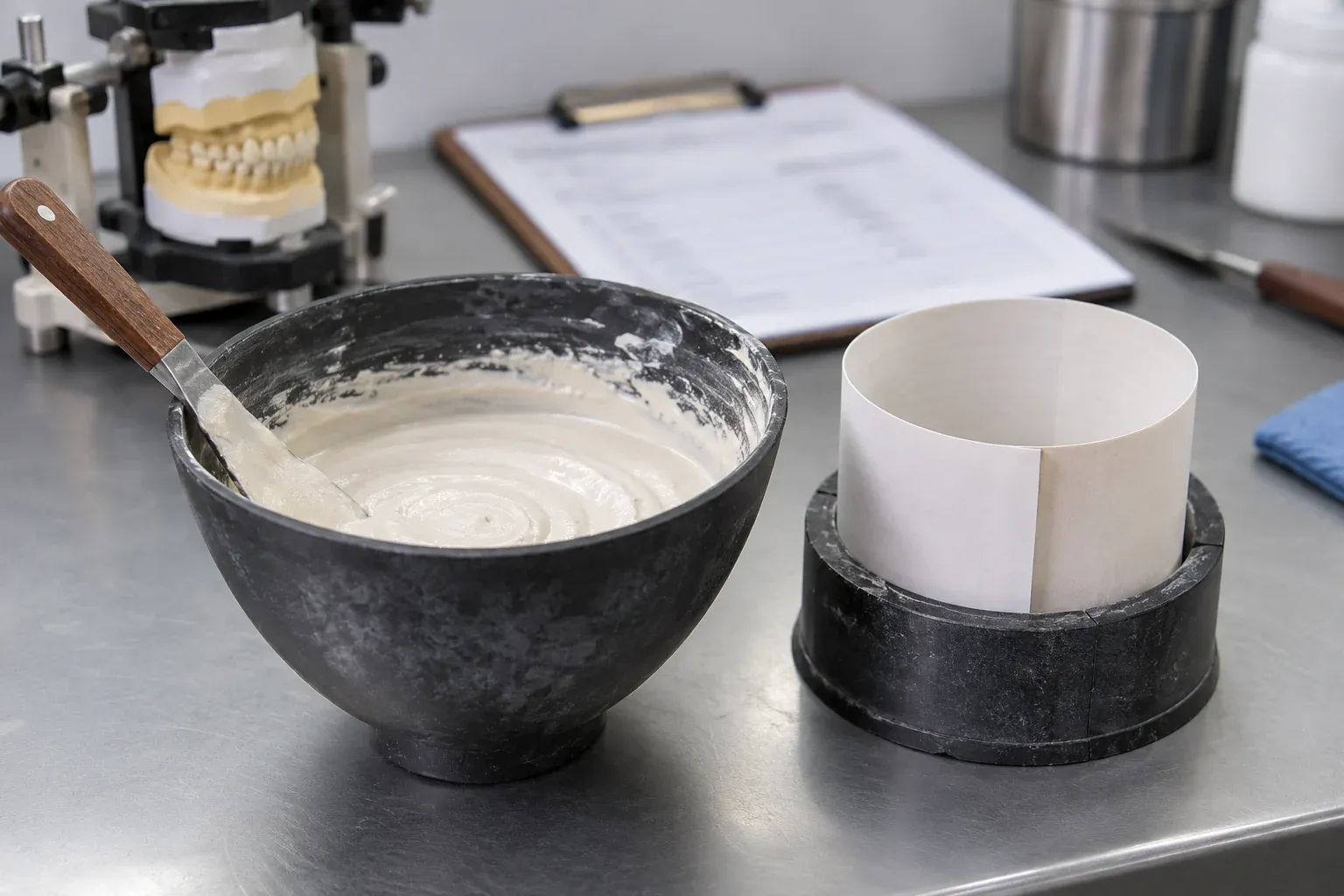
Confirm the investment product, batch, powder/liquid ratio, liquid type, mixing time, bench set, mold orientation and burnout program from the actual process record. Cristobalite is one constituent phase of some investment systems; a powder name alone does not establish the complete investment formulation or its expansion behavior.
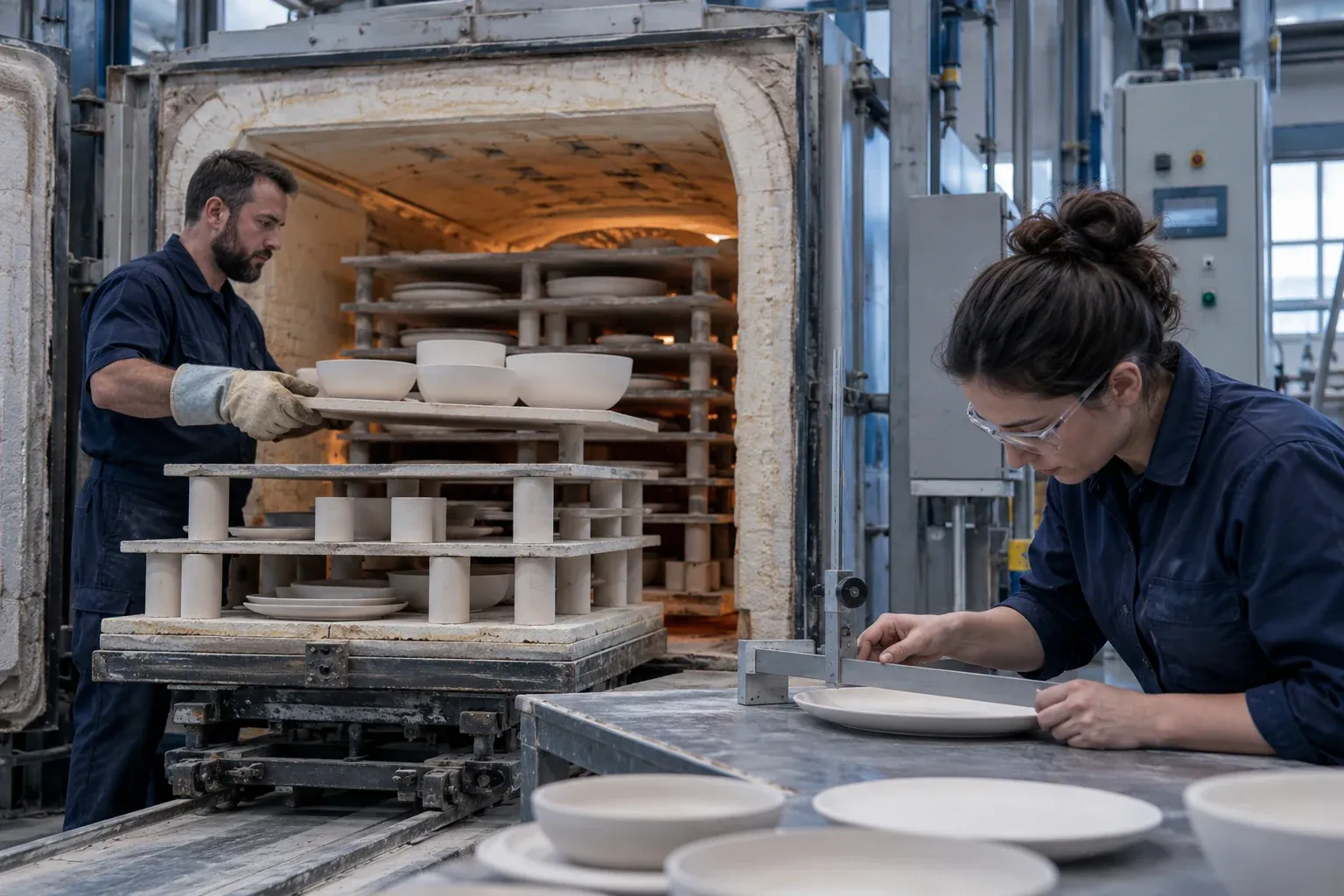
Trace upstream variables before changing the powder
| Observation | Check first | Evidence to keep |
|---|---|---|
| Rough localized surface | Investment mixing, bubbles, mold-face damage | Location map and mold fragment |
| Incomplete fill | Venting, metal delivery, temperature history | Casting setup and fill direction |
| Dimensional shift | Pattern, liner, orientation, setting and burnout | Axis-by-axis measurement |
| Crack or fin | Mold handling, support and thermal schedule | Fracture origin and cycle record |
Run a controlled comparison
Change one factor at a time. For a powder comparison, hold liquid ratio, mixing, mold geometry, burnout and casting conditions constant; use documented lots and retain specimens. Verify the supplied phase and grade against current technical documents. Do not infer a product defect from a casting outcome without checking process controls.
ISO 15912 provides a framework for testing and classifying dental casting investments; consult the applicable edition and your laboratory procedure. The standard is a method reference, not evidence that a Changtong powder has been tested or approved for a particular dental investment.
Frequently Asked Questions
Does a rough casting prove the cristobalite powder is off specification?
No. Check powder identity and process records together, then test a retained lot if warranted.
Can I adjust powder ratio to correct every defect?
No. A ratio change affects the complete investment system and must follow its approved instructions and validation.
What information helps qualify a mineral feedstock?
Share phase and grade requirements, lot documents, size method, intended system and controlled trial criteria.
Related products
Related technical guides
Reference
ISO 15912:2016 public abstract. Refer to the standard and local instructions for the complete method.
Request a Quote
Send the intended investment system, phase and size requirements, current documents and trial plan for a grade review.
Request a Grade Review