Cristobalite Silicone Rubber: Compare Matched Tear Tests
Evaluate cristobalite-filled silicone with matched tear specimens, cure history and loading. Keep hardness, tensile and service-tear claims separate.
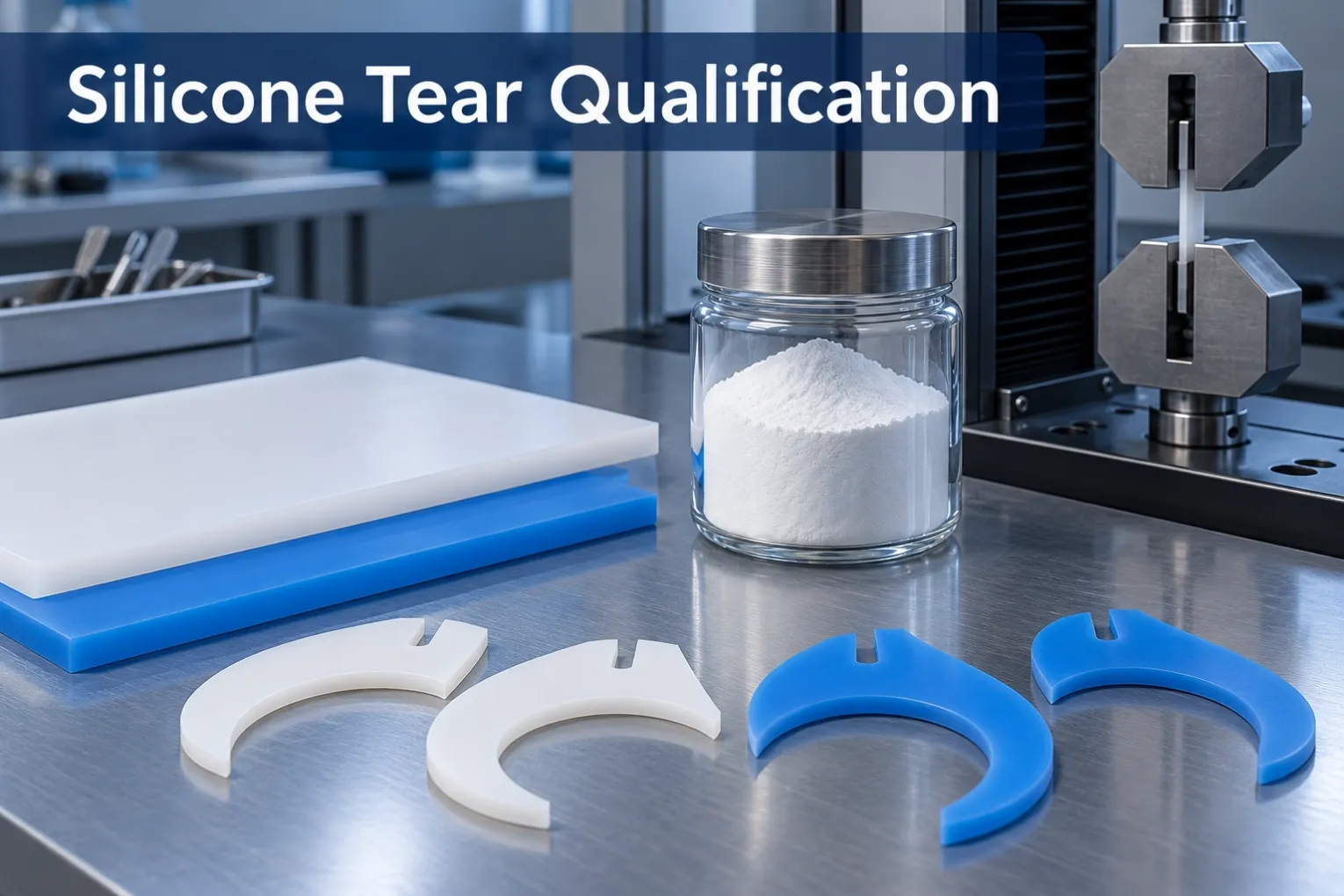
A thin silicone edge can tear even when hardness meets target. Compare cristobalite-filled compounds only after matching specimen geometry, cure history and loading conditions.
Choose the failure to reproduce
Identify the at-risk feature: demolding edge, trimmed opening, thin web or assembly notch. A laboratory tear specimen supports controlled comparison, not every service failure. ASTM D624 covers tear resistance of vulcanized rubber and thermoplastic elastomers; its public scope notes sensitivity to specimen size, anisotropy, strain rate and stress distribution. Agree the applicable full method and specimen with the laboratory.
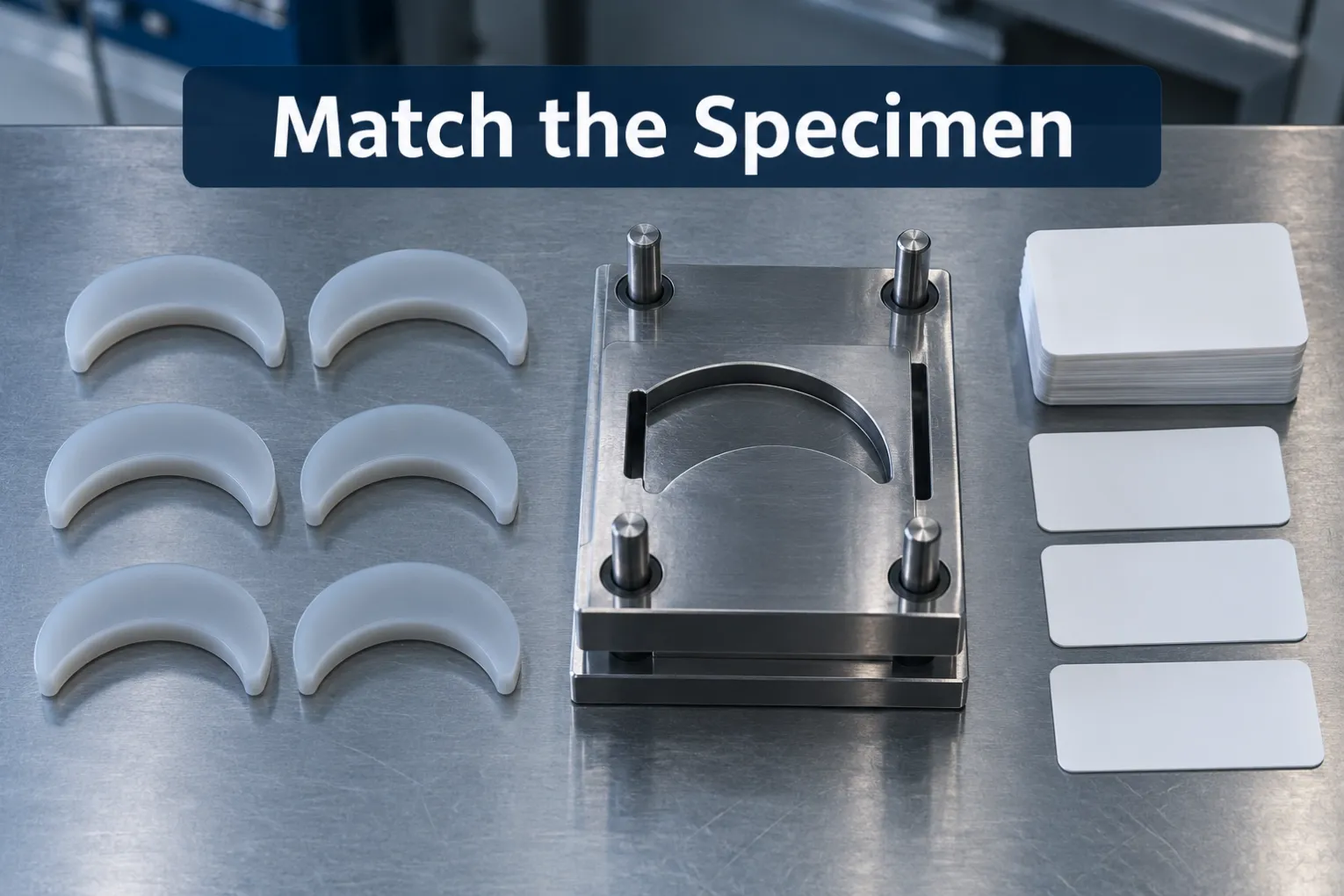
Lock specimen and cure history
Record specimen designation, thickness, preparation direction, notch procedure and cutting quality. Keep cure, post-cure, conditioning and test temperature traceable. Matching oven time alone does not prove equivalent material state if cure behavior changes. Note grip alignment and slippage and retain raw records.
| Field | Record | Purpose |
|---|---|---|
| Specimen | Geometry, thickness, direction, notch | Controls geometry effects |
| Cure | Cure, post-cure, conditioning | Defines tested state |
| Loading | Temperature, rate, alignment | Results belong to stated conditions |
| Formulation | Grade, loading basis, additives | Prevents hidden variables |
Build a comparison on one basis
Keep silicone base and cure system fixed. State whether a trial changes filler mass, filler volume or replaces another component; these are different experiments. Record dispersion consistently and treat process-aid changes as a separate variable.
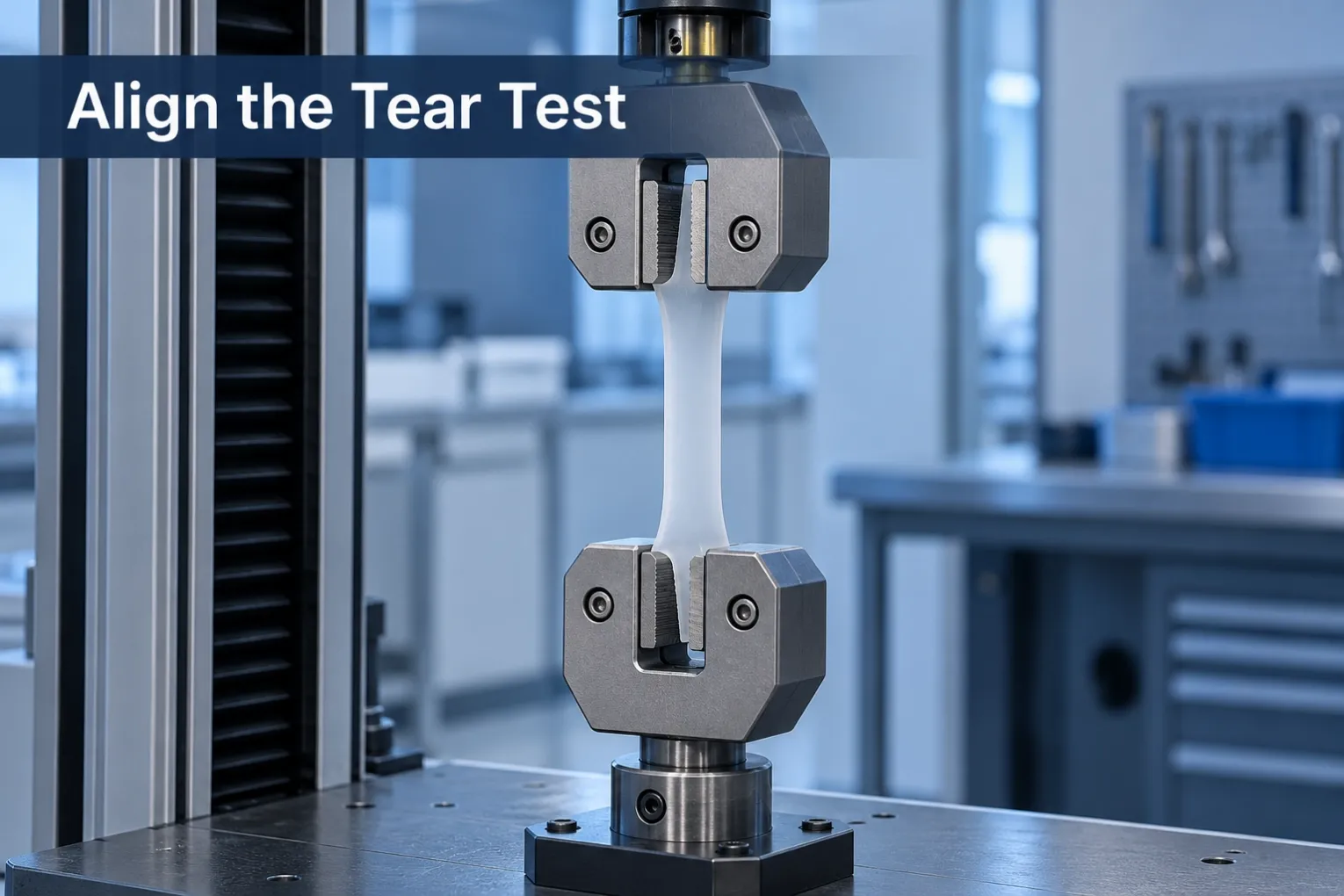
Read fracture and separate endpoints
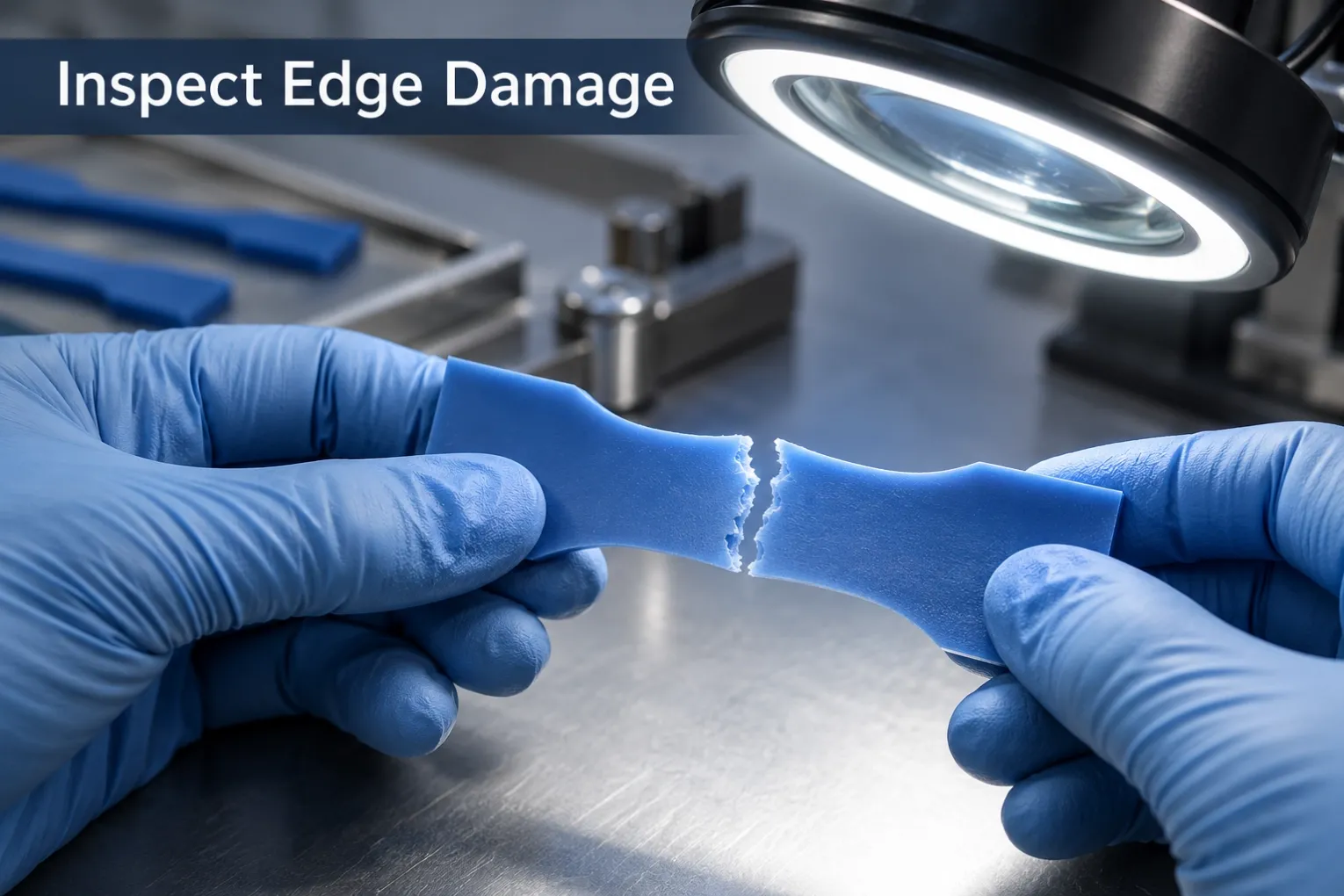
Retain specimen photographs and note failure location, irregular propagation or grip problems. Hardness, tensile strength, elongation and tear resistance measure different responses; report separately. Use representative part trials when cutouts or thin webs drive risk.
Connect mineral identity to approval
Changtong lists calcined cristobalite powder for silicone rubber. Confirm current phase, particle-size evidence and chemistry, then test in the customer silicone and cure system. Cristobalite is crystalline mineral silica; do not transfer fumed or precipitated silica claims to it. No compound-level tear result or universal loading is established here.
Frequently Asked Questions
Can hardness predict tear resistance?
No. Hardness is a different response and does not replace a defined tear test.
Can different specimen configurations be combined?
Keep them separate unless the applicable method establishes a valid comparison.
Does cristobalite guarantee reinforcement?
No. Qualify the mineral in the complete silicone, treatment and cure system.
Related products
Calcined Cristobalite Powder for Silicone RubberRelated technical guides
Cristobalite Silicone Seals: Recovery Beyond HardnessReferences and evidence limits
ASTM D624-00(2020): public scope and significance. This reference is not Changtong test data or a finished-compound certificate. Confirm the method and acceptance criteria with the laboratory.
Request a Quote
Provide silicone base, cure route, tear method, loading basis and part failure location for grade review.
Request a Grade Review and Quote