Humidity-Conditioned Dielectric Tests for Fused Silica Epoxy
Compare dry and humidity-conditioned dielectric breakdown in fused-silica-filled epoxy without confusing powder properties with finished-part insulation.
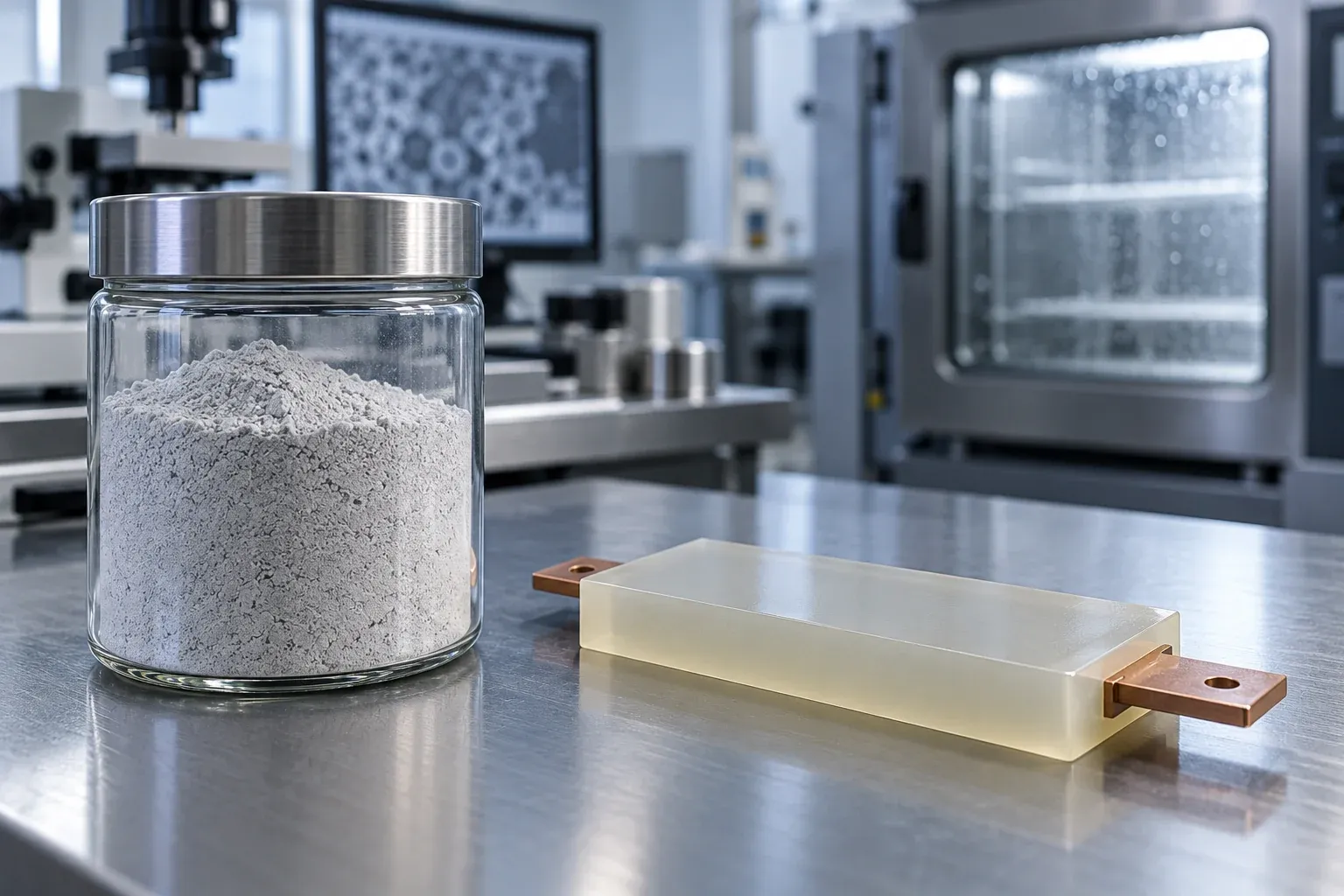
An epoxy casting can pass a dry electrical test and still need a separate answer for humid service. The useful comparison is a matched set of cured composites, conditioned and tested with an explicit electrode and thickness protocol.
Specify the electrical question before choosing a filler
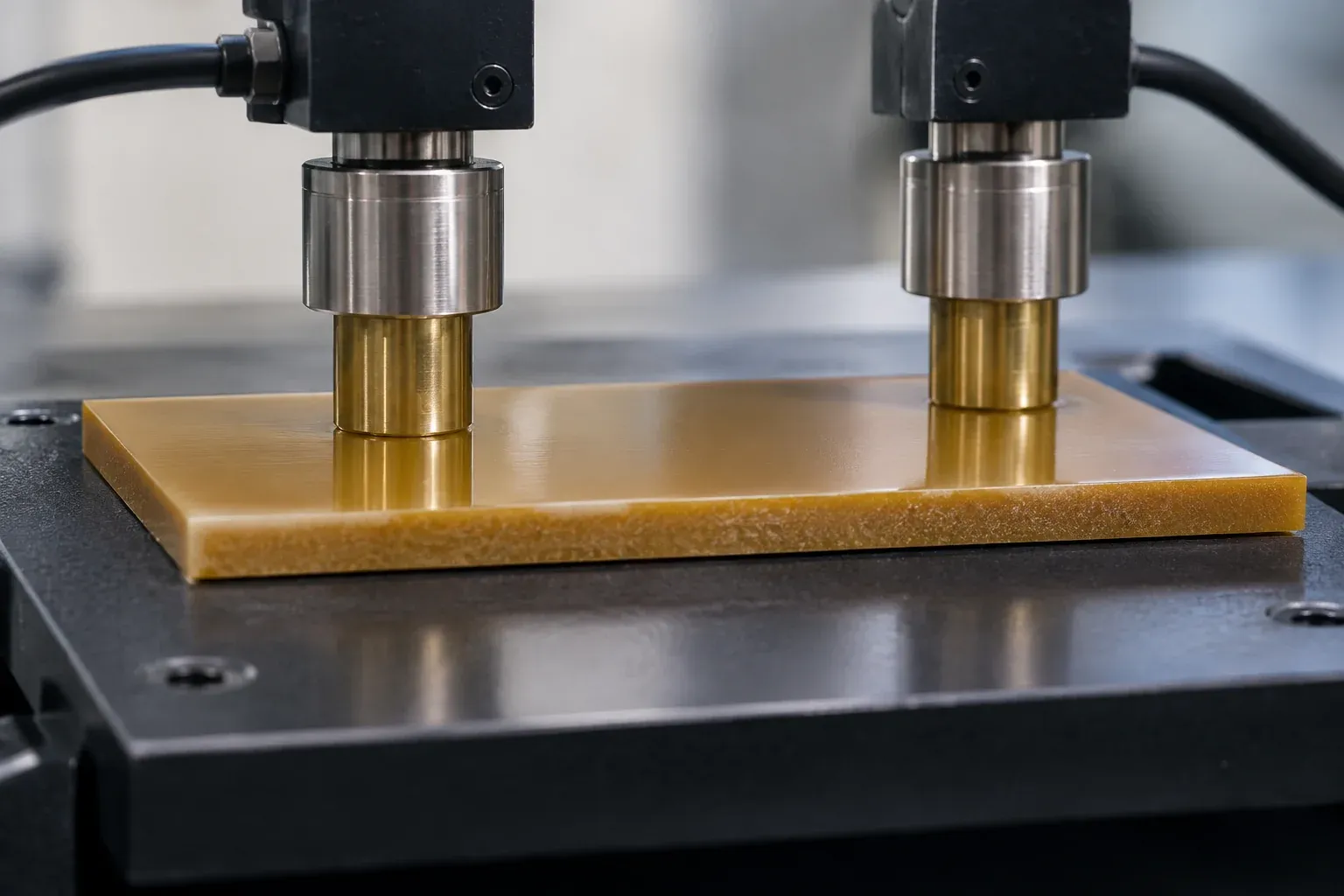
Breakdown voltage and dielectric strength are not synonyms for long-term insulation life. ASTM D149-25 covers breakdown testing of solid insulating materials at commercial power frequencies under stated conditions. Define voltage application, specimen preparation, surrounding medium, electrodes and failure criterion before comparing filled epoxies.
Changtong supplies amorphous fused silica grades as candidate mineral fillers for resin systems. Low thermal expansion may matter to dimensional design, but does not prove a dielectric result. Confirm powder phase, grade and lot documentation separately from the cured composite test record.

Pair dry and humid specimens from one casting plan
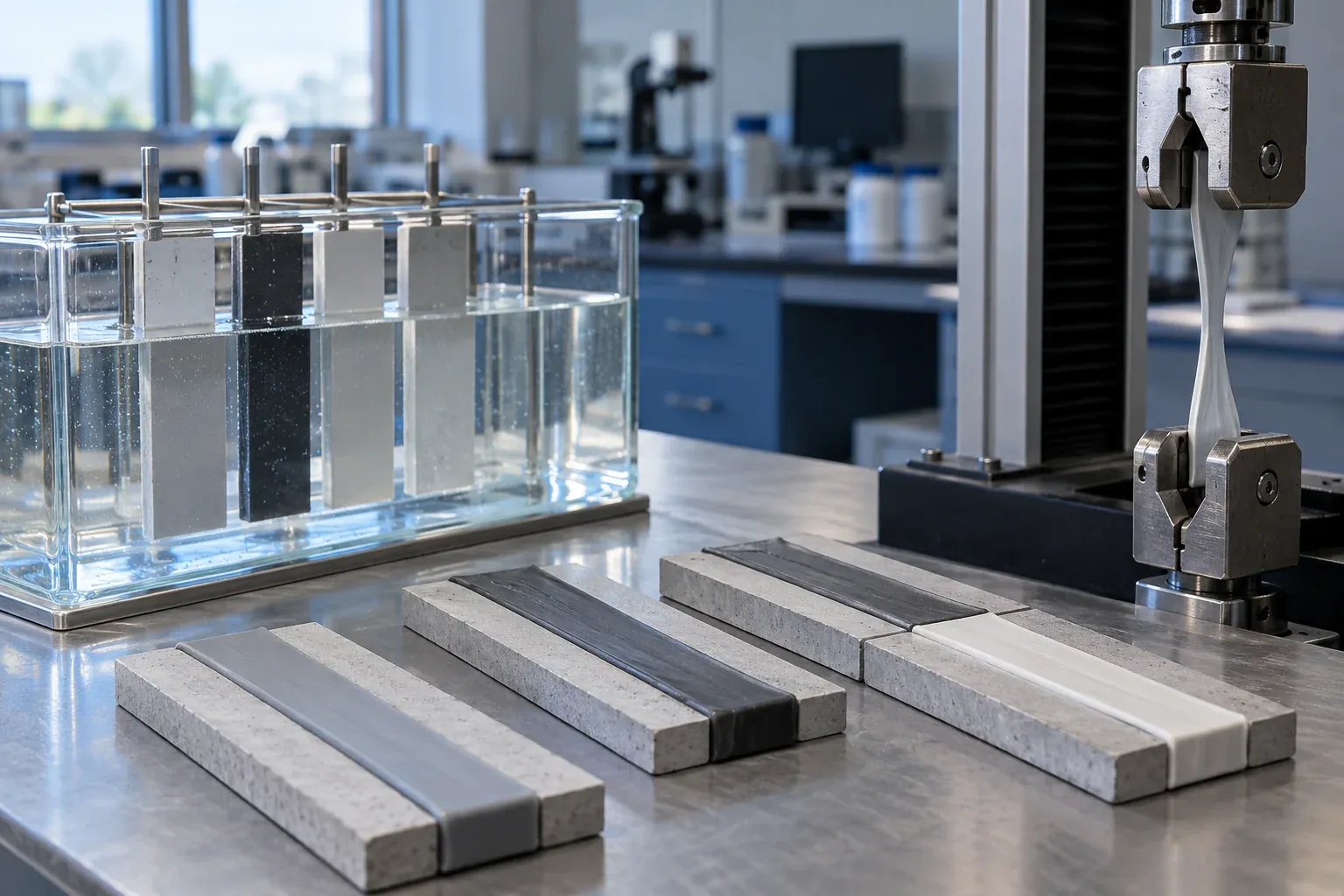
Cast a reference and candidate using the same resin ratio, filler fraction, mold, mixing, degassing and cure history. Measure thickness at the test area. Keep a dry control and a defined humidity-conditioned set; record humidity, duration, temperature, transfer time and whether the surface is dry at test. Moisture pickup and voids can both matter, but a breakdown result alone cannot identify the dominant pathway.
Photograph failure origin and note whether an arc crossed the bulk, tracked along a surface or followed a visible defect. Investigate material, preparation and electrode contact before changing acceptance criteria.
| Record | Hold constant | Interpretation limit |
|---|---|---|
| Powder identity | Phase, lot and size method | No finished-part dielectric guarantee |
| Specimen preparation | Resin, fraction, cure and thickness | Avoid unlike castings |
| Test conditions | Conditioning, medium, electrodes, voltage rate | Do not combine different methods |
Read voltage, geometry and failure mode together
Rank only specimens tested under comparable voltage-rate and electrode conditions. Different thickness, liquid medium or failure definition can shift a reported number without proving filler improvement. For high-frequency electronics, commission dielectric-permittivity and loss measurements separately; power-frequency breakdown does not substitute for them.
For a purchasing trial, request current powder phase and chemistry documentation, then qualify the complete epoxy under the intended casting and conditioning route. Any change must also pass filling, cure, thermal and mechanical gates.
Frequently Asked Questions
Does fused silica itself certify the epoxy insulation?
No. Test the cured formulation and its processing history.
Can I compare suppliers' kV/mm figures directly?
Only after confirming specimen condition, geometry and electrical test settings.
Does a dry pass cover humid service?
No. Define an application-relevant conditioning and test program.
Related products
Related technical guides
Separate low expansion from heat transfer in fused-silica epoxy
References and evidence limits
ASTM D149-25 public scope. This standard describes an industry test scope, not Changtong test results or certification. Confirm the current method with the laboratory.
Request a Quote
Send the resin system, casting route, filler fraction, conditioning plan and electrical acceptance method for a grade review.
Request a Grade Review