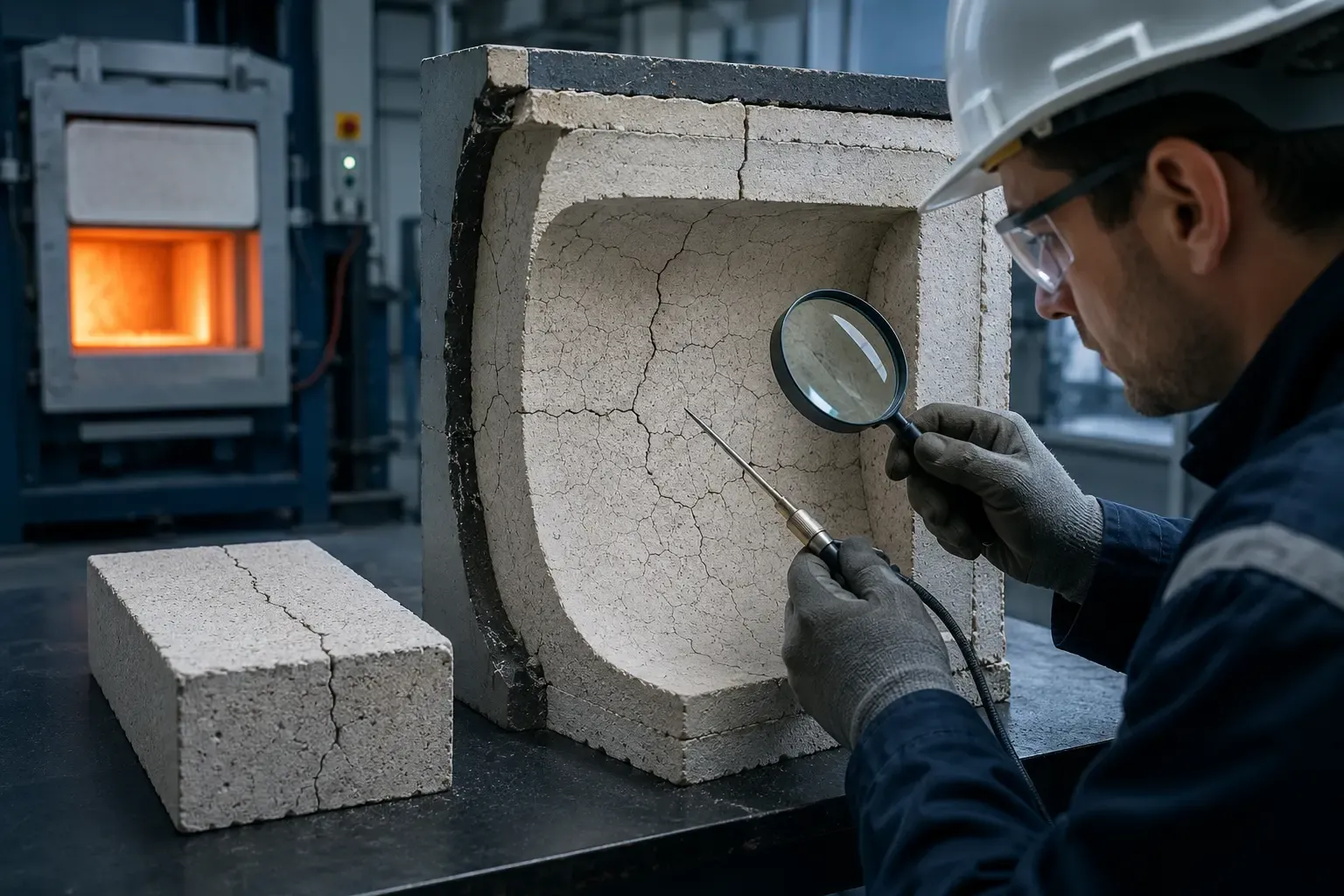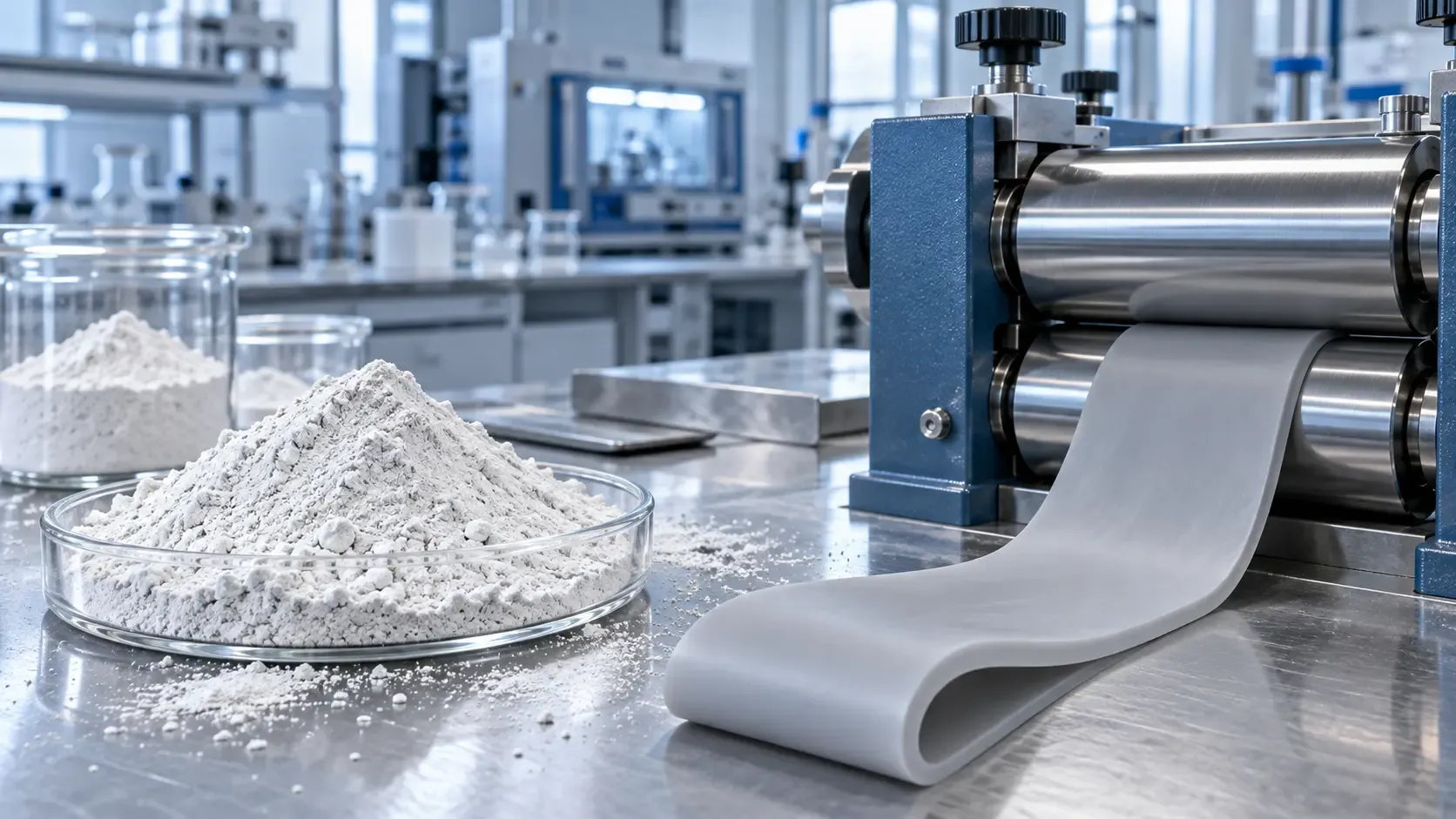
Powder Coating Filler Trials: Gloss, Melt Flow, and Surface Finish Controls
A practical trial framework for mineral fillers in powder coatings, covering material identity, powder handling, melt flow, gloss, surface finish and repeat-order control.
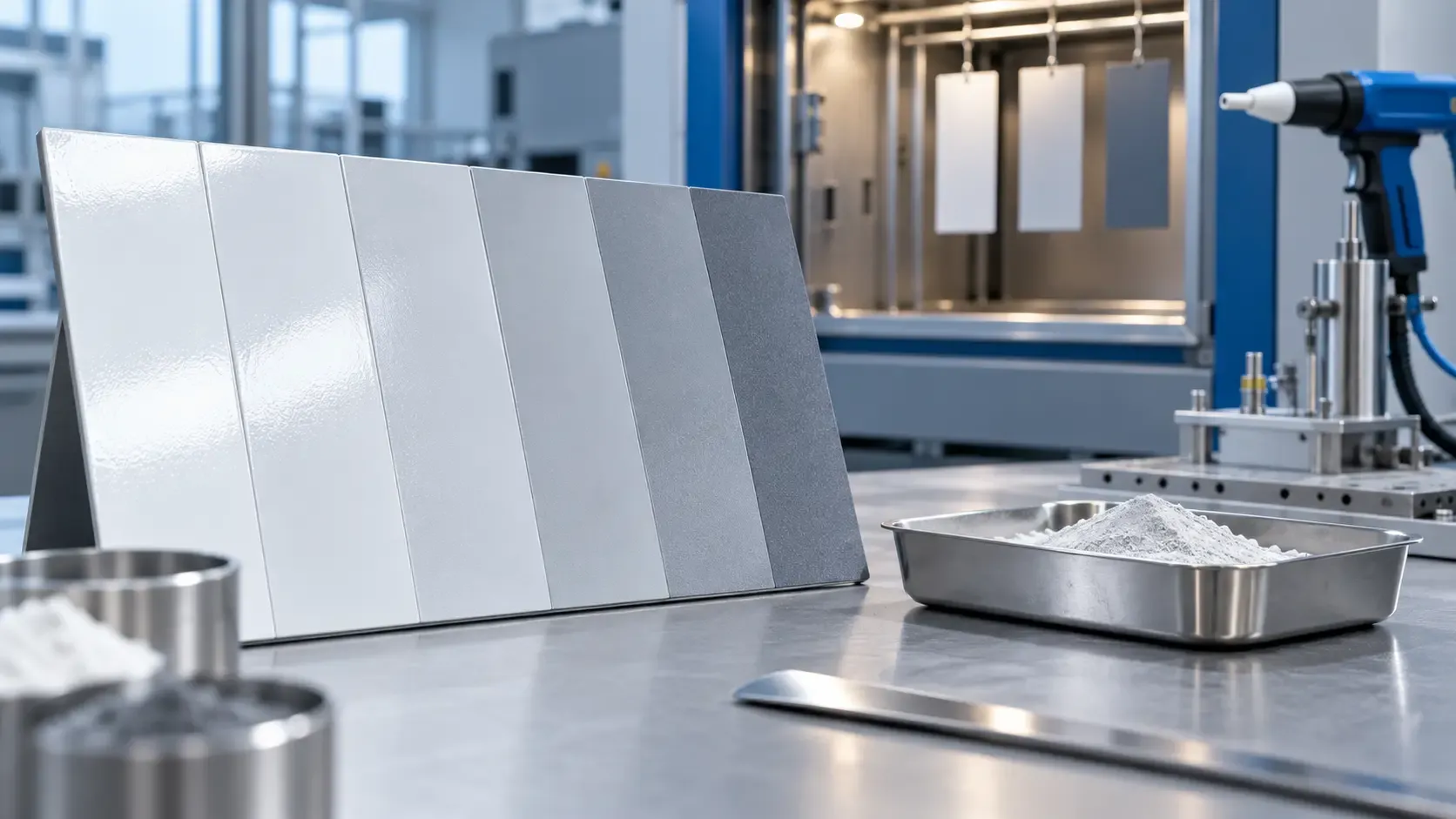
A mineral filler trial in powder coating should answer three production questions together: how the powder flows before application, how it behaves during melt processing, and how the cured film looks. A supplier grade is useful only when those observations are tied to a controlled formulation.
This guide describes a screening route for ground crystalline silica or other mineral filler candidates. It does not promise a universal gloss level, melt-flow result, coating thickness or finished-film performance. Final limits depend on resin, curing agent, pigment, filler loading and application equipment.
Powder-coating buyers often start with a simple request: reduce cost, tune gloss, or change surface appearance without losing application stability. The difficult part is that a filler can affect several stages at once. Its particle-size distribution may change powder packing; its surface chemistry may influence wetting; and its mineral hardness may affect handling or equipment wear.
A useful trial therefore compares the candidate against a control using the same resin, cure schedule, spray settings and film inspection method.
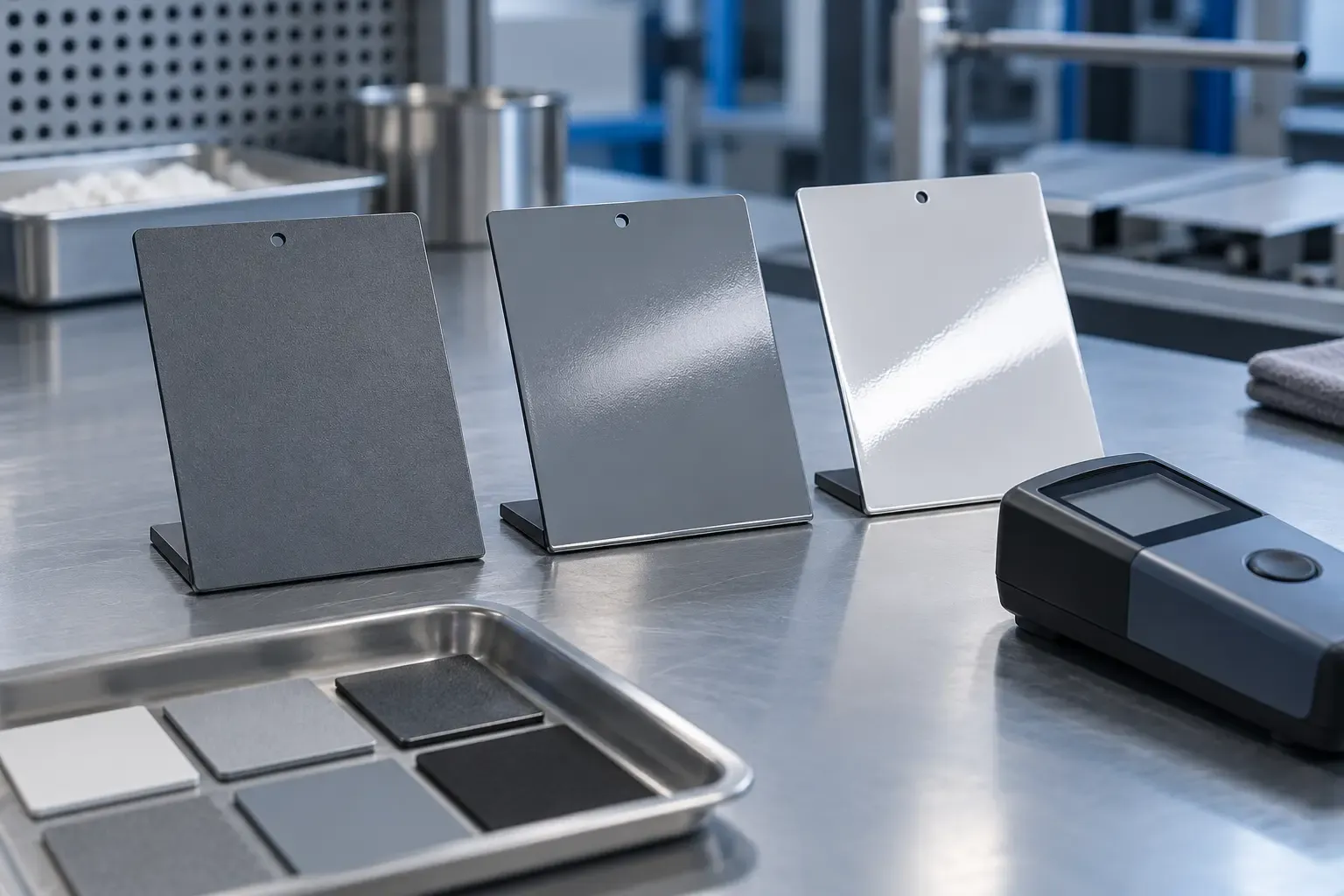
1. Define the appearance and process target
Write the target in process language before requesting a grade. Is the buyer trying to hold a gloss range, create a lower-sheen surface, maintain a smooth film, control hiding, or protect application stability? Record the resin family, curing system, pigment package, target film thickness and spray route.
A filler that changes gloss in one resin system may behave differently in another. Avoid selecting material from a single visual panel or from a supplier phrase such as “good flow” without recording the test conditions.
2. Confirm material identity before comparing performance
Keep natural-quartz-derived ground silica separate from fused silica, cristobalite, silica fume, precipitated silica and fumed silica. These material families can have different phase, surface area, morphology and formulation behavior. The RFQ should state which identity is wanted and which alternatives are not acceptable.
For each candidate, retain the supplier grade, lot number, TDS, COA fields and sampling method. If phase or chemistry is important to the application, define the confirmation method before the trial instead of adding it after a result looks unexpected.
3. Use a controlled three-stage trial
| Stage | Record | Decision question |
|---|---|---|
| Powder handling | Flow, storage condition, blend sequence and sieve/PSD method | Can the plant prepare a repeatable feed? |
| Application | Spray settings, film build, panel orientation and defects | Does the candidate run within the normal application window? |
| Cure and inspection | Gloss method, appearance, adhesion and cure conditions | Is the surface result acceptable for the intended product? |
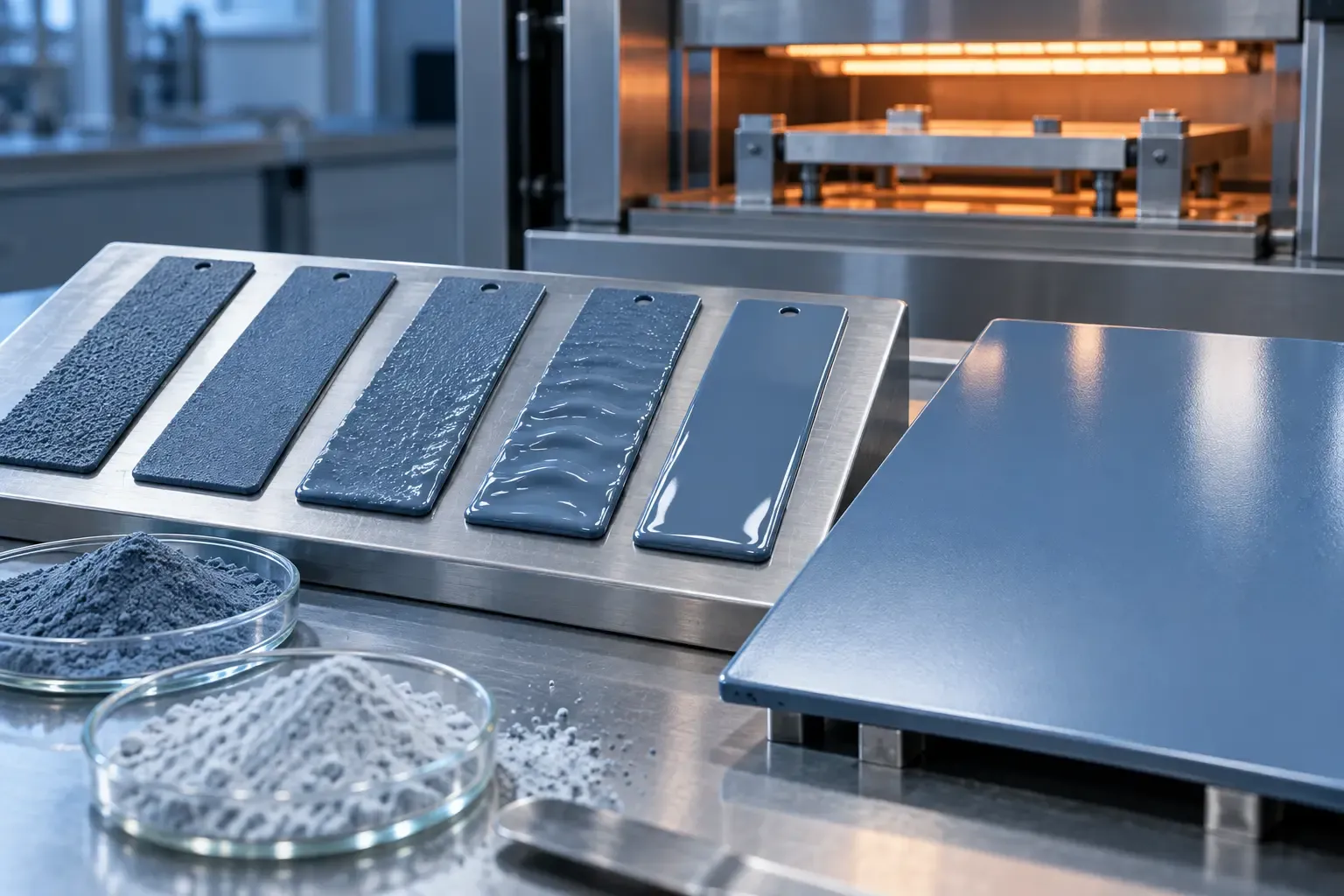
4. Interpret gloss and melt-flow results together
A gloss change is not automatically a formulation success. Check whether the candidate also changes leveling, orange peel, pinholes, adhesion or impact behavior. Likewise, a change in melt flow should be discussed with film build and cure, not reported as a standalone “processing improvement.”
Use one control panel per trial batch and keep lighting, viewing angle and measurement method stable. When a result is borderline, repeat the control before changing the filler so the plant knows whether the variation came from the material or the process.
5. Build the supplier request around repeatability
- Material identity and excluded silica families.
- Agreed PSD or sieve method and sampling point.
- COA fields that must remain consistent between lots.
- Packing, storage and humidity-control instructions.
- Sample quantity, repeat-order lead time and change-notification route.

FAQ
Can a filler be selected from gloss alone?
No. Powder handling, application stability, melt behavior, cured-film appearance and the intended end-use requirement should be reviewed together.
Is ground crystalline silica the same as fumed silica?
No. They are different material families and should not be substituted without a formulation-specific trial and identity check.
Request a coating-filler trial file
Share the resin system, target appearance, application method, trial quantity and required COA fields with the Changtong technical team.
Contact Changtong Technical TeamRelated: cristobalite coating material reference and phase verification guide.