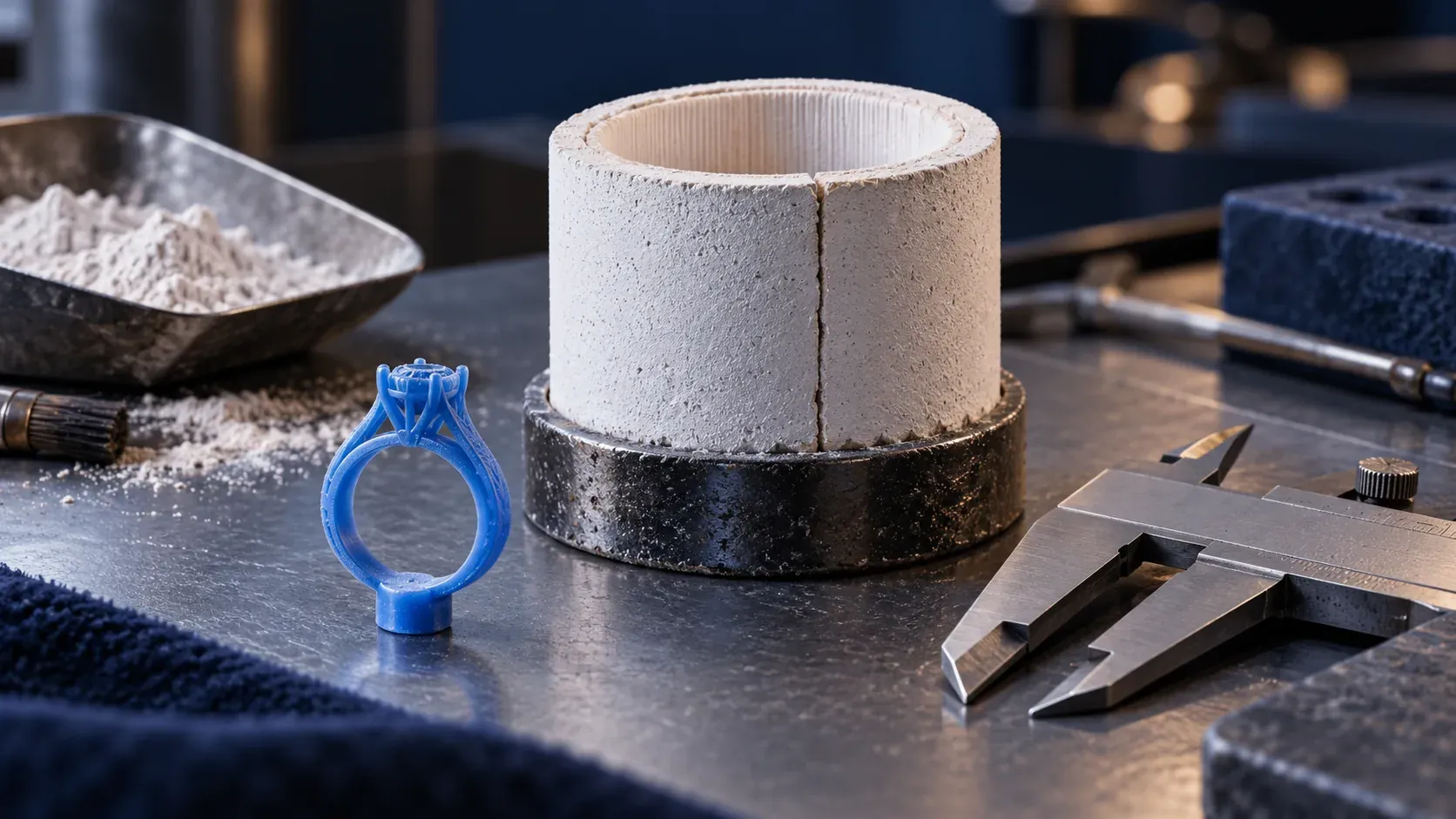
Why Refractory Castables Crack During Thermal Cycling
A practical guide to diagnosing thermal-cycling cracks in refractory castables and screening fused silica powder without confusing phase, binder, porosity or firing effects.
THERMAL-CYCLING DIAGNOSTIC GUIDE
Short answer: refractory castables usually crack during thermal cycling because temperature gradients, expansion mismatch, moisture-related damage, restraint and mix or firing variability act together. Fused silica can be screened as one low-expansion silica raw-material option, but it cannot compensate for an unsuitable binder system, poor dry-out schedule or uncontrolled installation.
By Changtong Technical Team · Application guide · Updated September 3, 2026
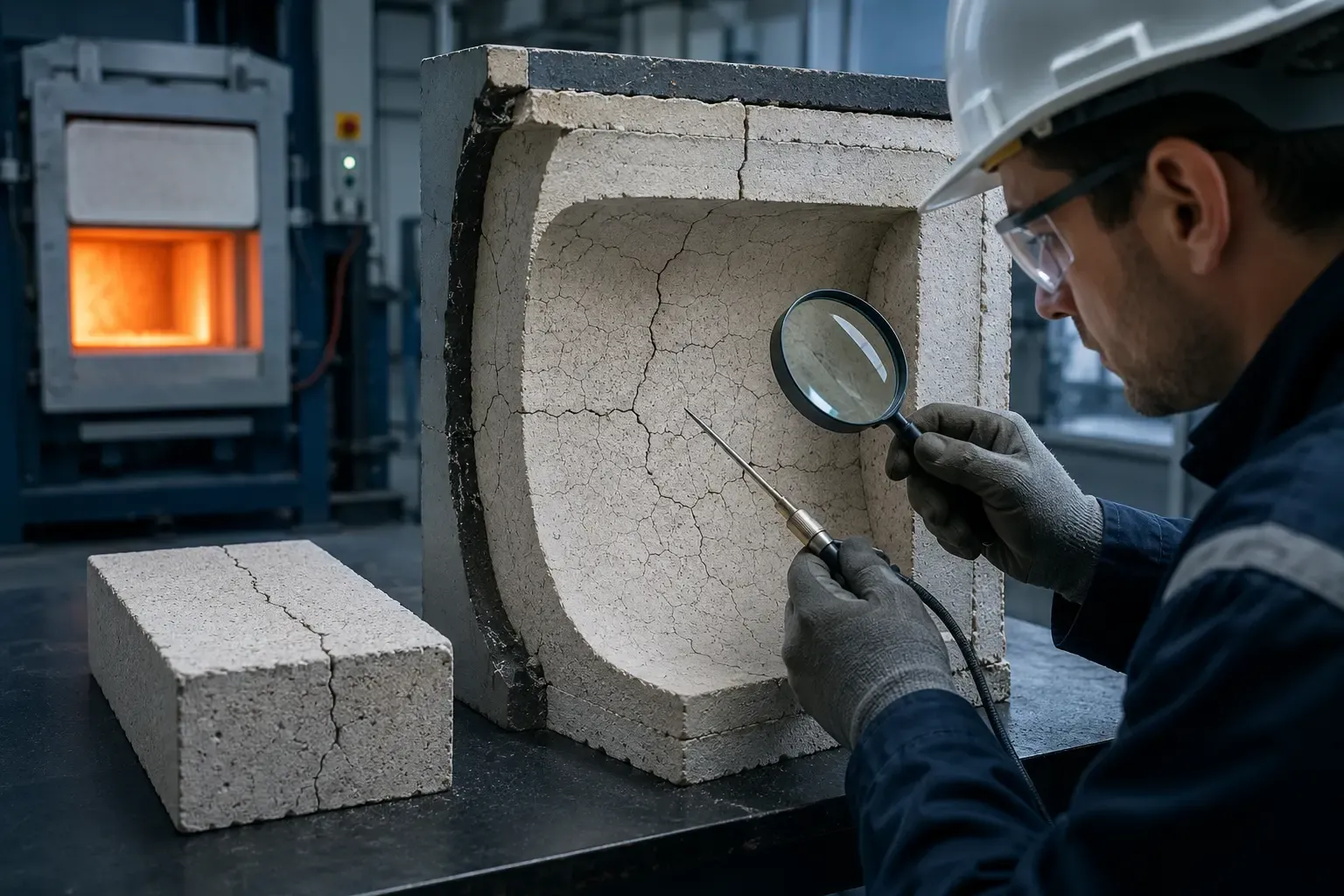
Thermal cycling exposes a castable to repeated heating, cooling and changing restraint. The visible crack is often the final result of several smaller events: a temperature difference through the lining, different expansion or contraction between aggregate and matrix, residual water or binder reactions during dry-out, and mechanical restriction at corners, anchors, joints or supports.
For that reason, changing only the silica raw material is not a complete diagnosis. A useful investigation separates the material identity, the castable formulation, installation, curing, dry-out and service cycle before a supplier grade is approved.
Five Common Crack Mechanisms to Separate
| Observed pattern | Possible mechanism | First engineering check |
|---|---|---|
| Cracks or spalling during first heat-up | Residual moisture, rapid ramp or insufficient venting | Curing record, moisture condition, ramp and hold points |
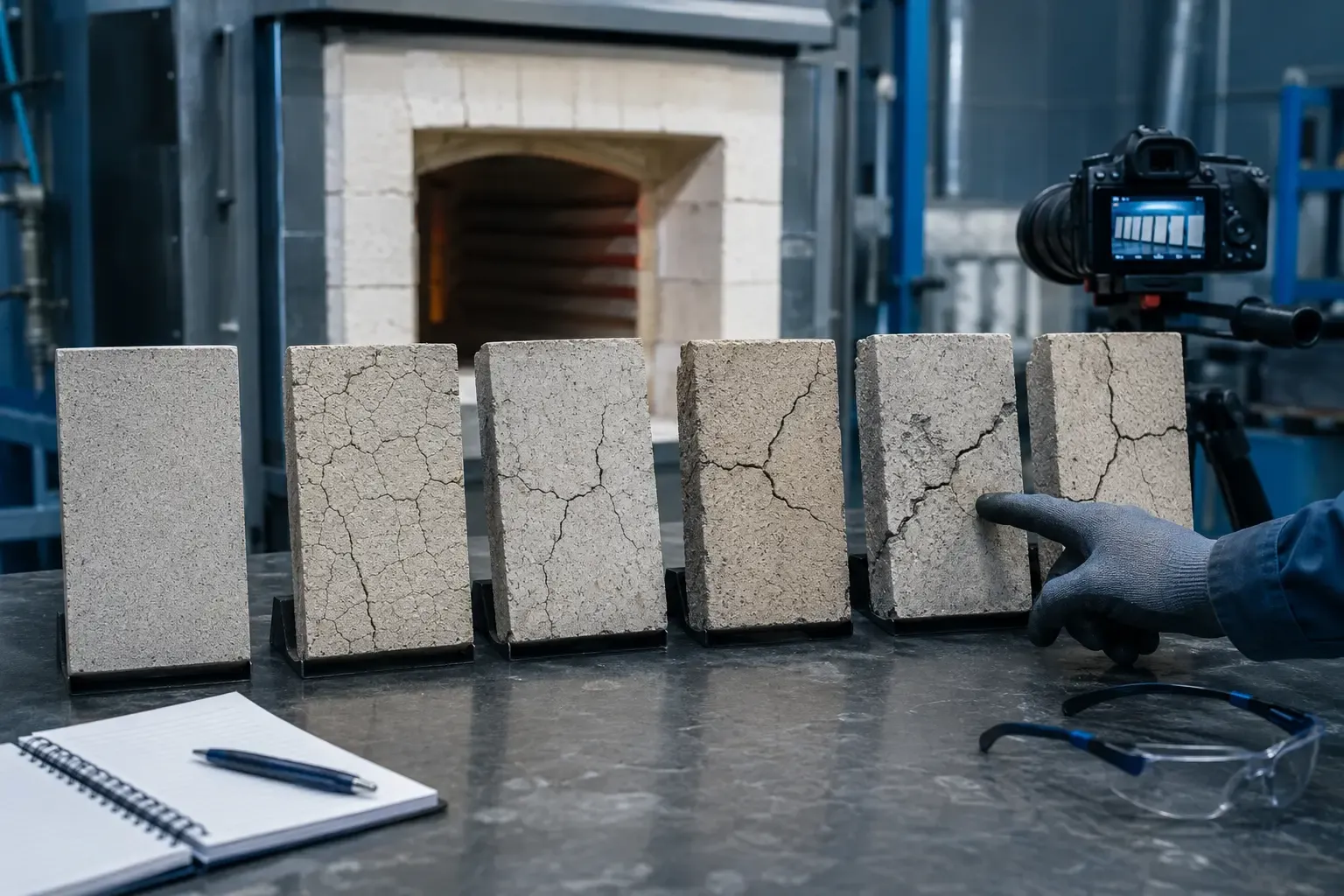
| Fine network after repeated cycles | Thermal gradient, expansion mismatch or accumulated fatigue | Coupon temperature history, crack map and cycle definition |
| Corner, edge or anchor-area cracks | Local restraint, geometry or support stress | Joint design, anchor movement and installation tolerances |
| Cracks along a repair or interface | Differential shrinkage, weak bond or surface contamination | Interface preparation and repair-material compatibility |
| Localized deep crack with sound surrounding areas | Mix segregation, a large pore, inclusion or local hot spot | Cross-section, mixing uniformity and local temperature profile |
Engineering boundary: a crack pattern is a screening clue, not proof of one root cause. Confirm the mechanism with the customer's castable recipe, specimen geometry, cure history, firing schedule and service environment.
Dry-Out and Curing: The First Checks Before Changing Material
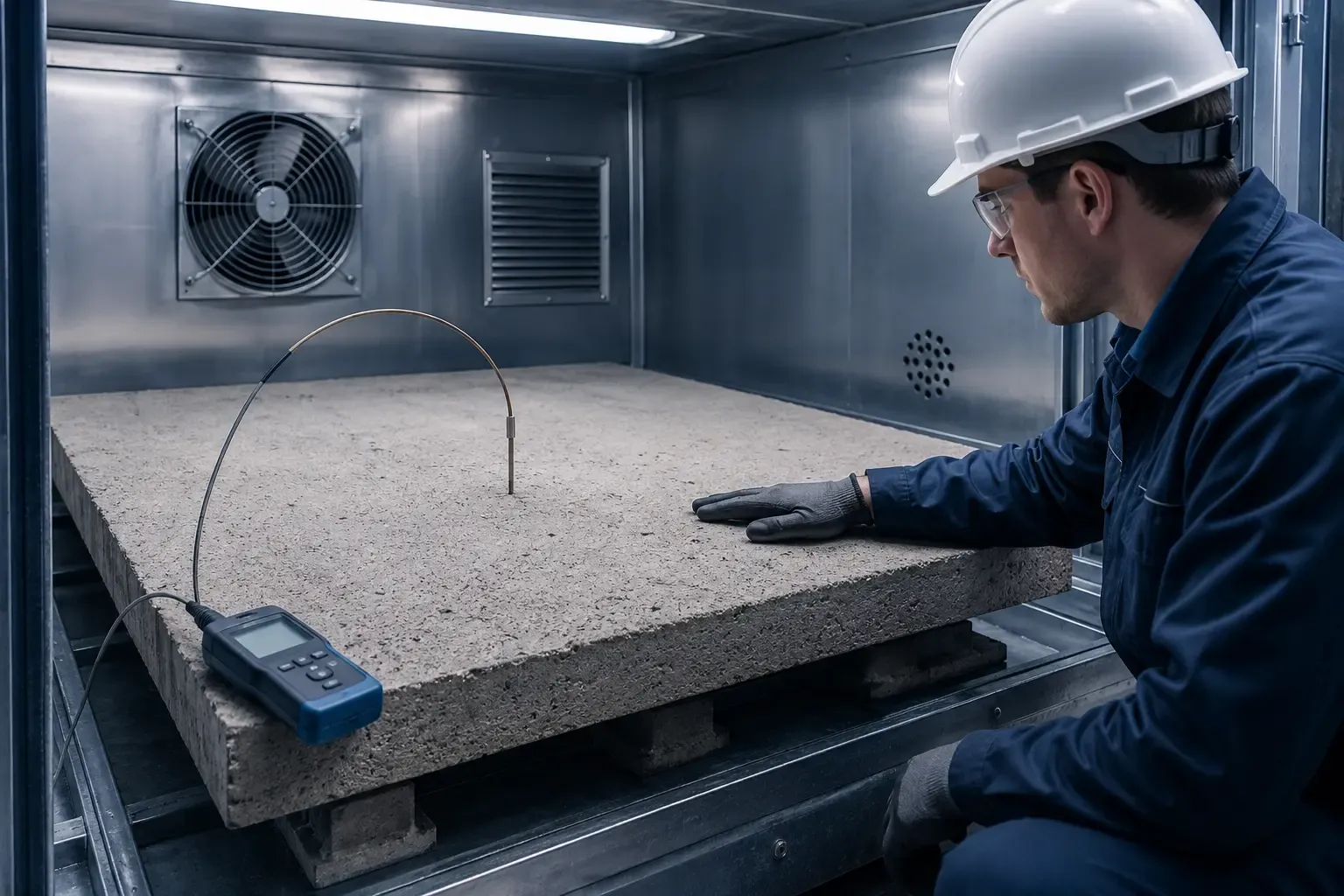
Water and binder chemistry are part of the castable system. If a section is heated too quickly, internal vapour pressure and uneven strength development can create damage before the lining reaches service temperature. A controlled investigation should record the mixing liquid, mixing time, ambient conditions, curing temperature, cure duration, venting arrangement, heating rate and hold points.
Compare an intact coupon with a failed coupon from the same batch where possible. A difference in thickness, edge exposure or support can make two apparently identical samples experience different thermal gradients. Do not treat a supplier's powder specification as a substitute for the customer's approved dry-out procedure.
Thermal Expansion Mismatch in the Aggregate–Matrix System
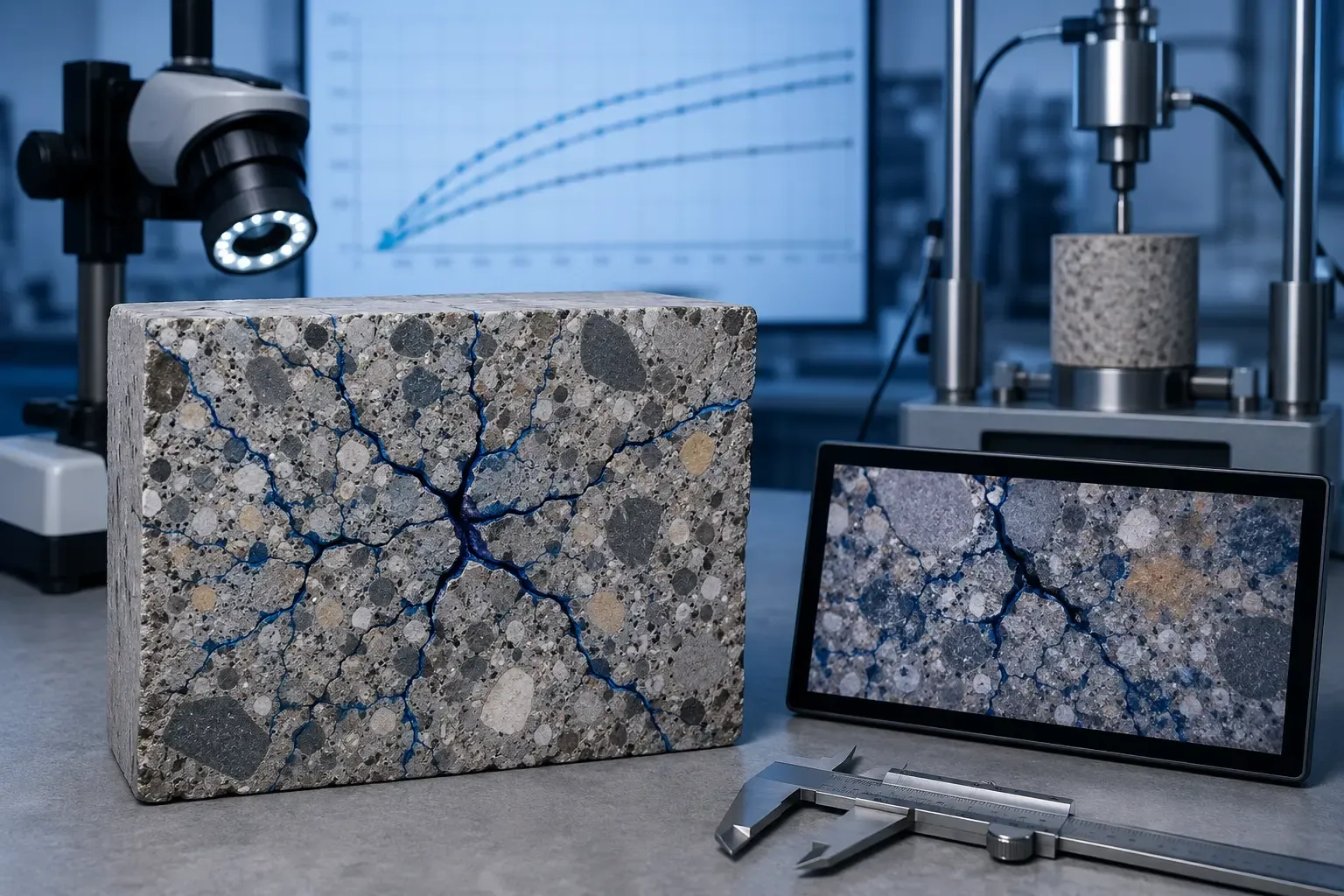
A castable is a composite rather than a single mineral. Aggregate, fines, binder-derived phases, pores, steel anchors and the surrounding shell or furnace structure may respond differently as temperature changes. Expansion mismatch can concentrate stress at interfaces and existing pores; repeated cycles can then extend microcracks into visible damage. Peer-reviewed refractory studies describe this relationship between thermal-expansion mismatch, internal stress and crack formation as a material-system issue, not a simple mesh-size issue.
Fused silica is an amorphous silica material and is evaluated in some refractory formulations because fused silica is associated with low thermal expansion and thermal-shock resistance in authoritative technical references. That background is not a Changtong batch test result, and it does not mean every fused-silica addition improves every castable. The formulation, particle packing, binder, porosity and service atmosphere still control the result.
How to Screen Fused Silica Powder for a Castable Trial
When fused silica is being considered, identify it before comparing it. Changtong's Fused Silica Powder for Refractory Castables is a raw-material direction for customer formulation and thermal-cycling evaluation. It is not a finished castable and should not be described as a guaranteed crack-prevention product.
| Screening item | What to confirm | Why it matters |
|---|---|---|
| Material identity and phase | Applicable product description and phase evidence where required | Fused silica must not be confused with cristobalite, calcined quartz or untreated natural quartz powder |
| Chemistry | Current TDS and lot COA fields, units, method and agreed limits | Chemistry can affect binder interaction, service behaviour and acceptance |
| Particle-size evidence | Agreed sieve or PSD method, coarse tail and sample preparation | Packing, water demand and local stress are formulation-dependent |
| Moisture and handling | Packaging condition, lot identity, storage and handling controls | Moisture pickup and segregation can change the trial before firing |
| Full castable trial | Customer recipe, curing, dry-out, thermal cycle and inspection method | Only the complete system can establish application fit |
For a fine reference grade, review Fused Silica Powder 325 Mesh. For a coarser fused-quartz form, see Fused Quartz Sand for Electrical Insulation & Refractories. These pages represent different product forms and search intents; selection must follow the actual castable design.
A Practical Thermal-Cycling Investigation Sequence
- Define the failure. Record cycle number, temperature range, ramp, hold, cooling method, specimen geometry and exact crack location.
- Check installation variables. Compare mixing, placement, vibration, curing, joints, anchors, support and dry-out records.
- Map the crack. Photograph the surface, inspect edges and section a representative coupon only under an approved laboratory procedure.
- Verify material identity. Keep fused silica, cristobalite, calcined quartz, natural crystalline silica, precipitated silica and fumed silica as separate material families.
- Run a controlled comparison. Change one variable at a time and use the same binder, water, geometry, curing and thermal-cycle method for comparison.
- Approve against the customer's criteria. Use current TDS/COA evidence plus the customer's own mechanical, dimensional and thermal-cycling results.
What the Supplier Can Confirm—and What Requires a Trial
A supplier can provide the applicable product identity, current technical documentation, lot-related documents within the agreed scope, packaging information and a discussion of available particle-size options. The supplier cannot infer a finished castable's crack resistance from the name “fused silica powder” alone. Binder selection, water level, porosity, geometry, anchors, firing schedule and service atmosphere remain customer-system variables.
For broader grade-selection context, see Changtong's silica material grade guidance. When requesting a trial, provide the castable type, target particle-size range, binder system, mixing liquid, curing and dry-out schedule, thermal-cycle definition, specimen dimensions and the failure photographs.
FAQ
Request a Refractory Castable Powder Review
Share your castable recipe, target particle size, curing and thermal-cycle conditions. Changtong can review the required material identity and documentation scope before a controlled trial.
Request a refractory castable powder reviewReference scope: General thermal-shock and expansion-mismatch statements are industry references, not Changtong batch results. Consult the applicable customer procedure and current standards.
Technical references: ASTM refractory standards overview; peer-reviewed study on thermal-expansion mismatch and microcracks; peer-reviewed study on thermal-shock damage in refractory composites.