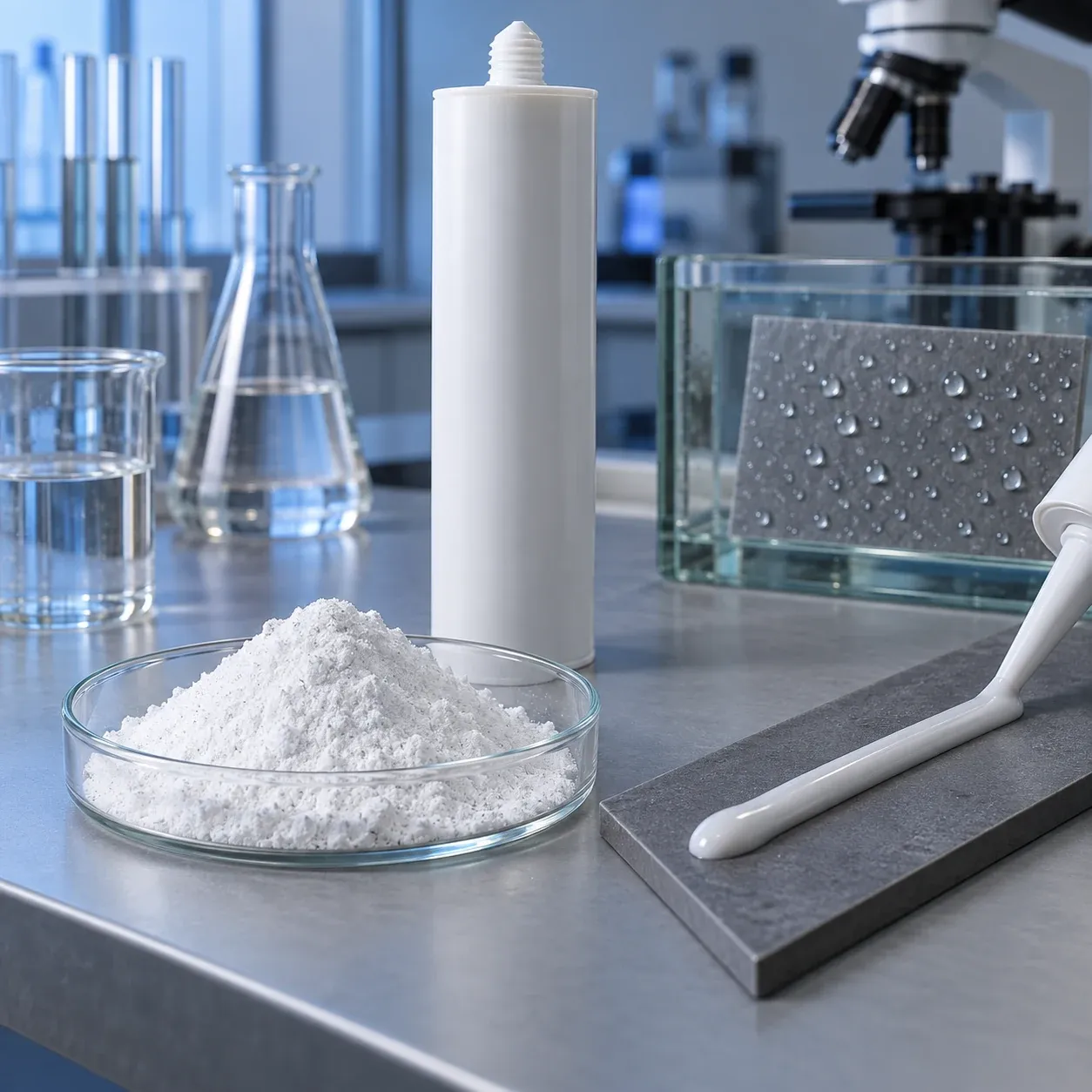
Calcined Cristobalite in Silicone Rubber: A Compound Trial and Supply Checklist
A screening guide for calcined cristobalite in silicone-rubber compounds, covering phase identity, mixing, curing, finished-part checks and repeat supply.
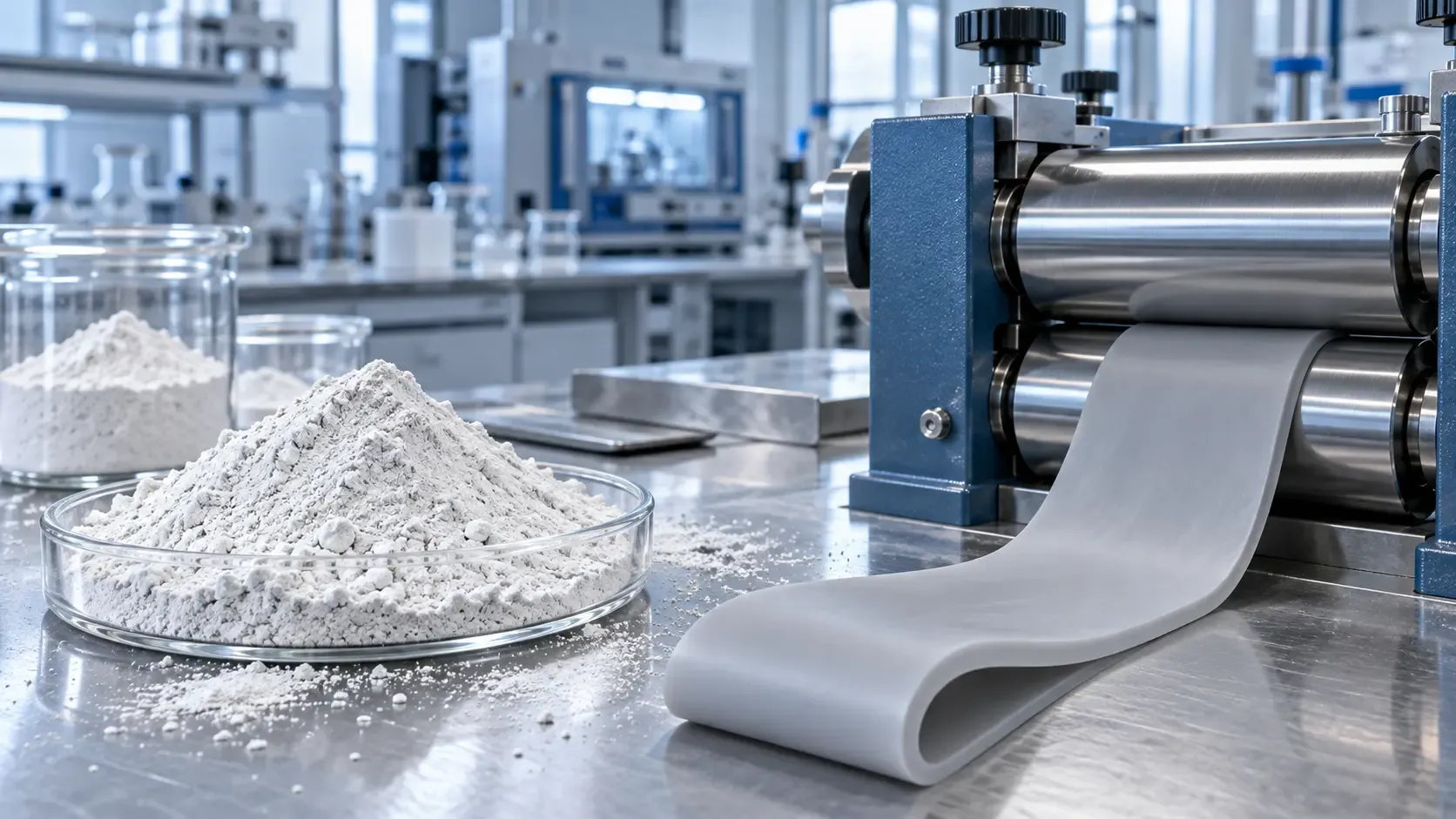
Calcined cristobalite should be qualified as a compound input, not selected from a name or color alone. The practical trial connects phase identity, particle-size evidence, mixing behavior, curing, surface finish and repeat-order control.
This guide is for screening calcined cristobalite in silicone-rubber compounds. It does not promise a universal hardness, tensile result, cure rate, compression set or service temperature. Final limits depend on the silicone system, cure package, reinforcement and processing route.
Silicone-rubber buyers often want a filler that supports a stable compound without losing the appearance or processing window expected by the customer. A calcined cristobalite grade may be relevant to that discussion, but the correct decision still comes from the actual mixer, cure system and part geometry.
Start with a control compound, hold the cure and reinforcement constant, and use the candidate to answer a defined question. Avoid mixing the identity of calcined cristobalite with natural quartz powder, fused silica, silica fume or fumed silica.
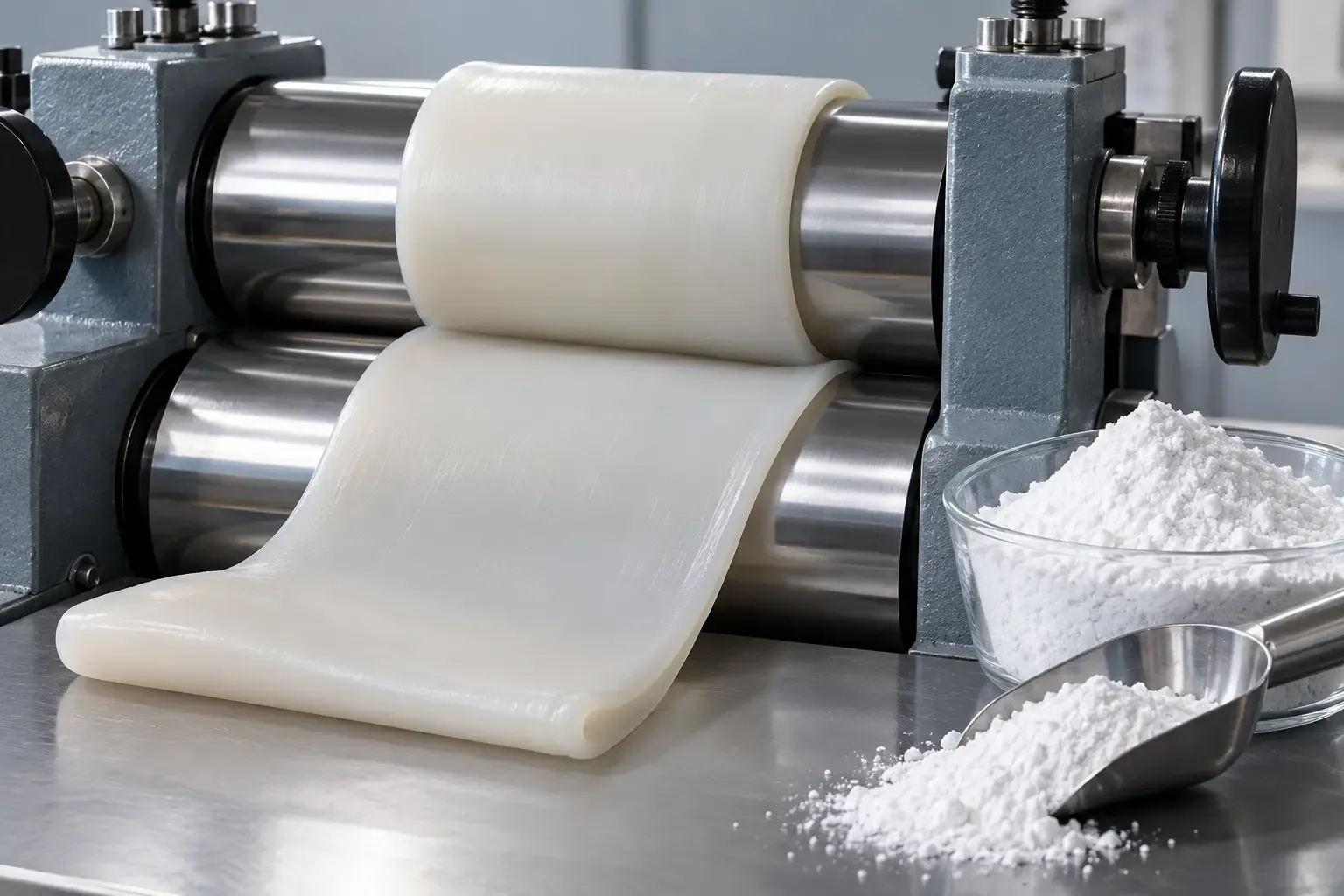
1. Define the compound duty before choosing a grade
Record whether the material is used in a molded part, extrusion, sheet, seal or another silicone-rubber product. Include silicone type, curing route, reinforcement, pigment, target hardness, surface appearance and post-cure requirement.
Ask what the buyer is trying to improve: filler loading consistency, mixing behavior, color, surface texture, dimensional control or a cost target. A single word such as “fine” or “white” does not define the trial.
2. Verify phase and lot identity
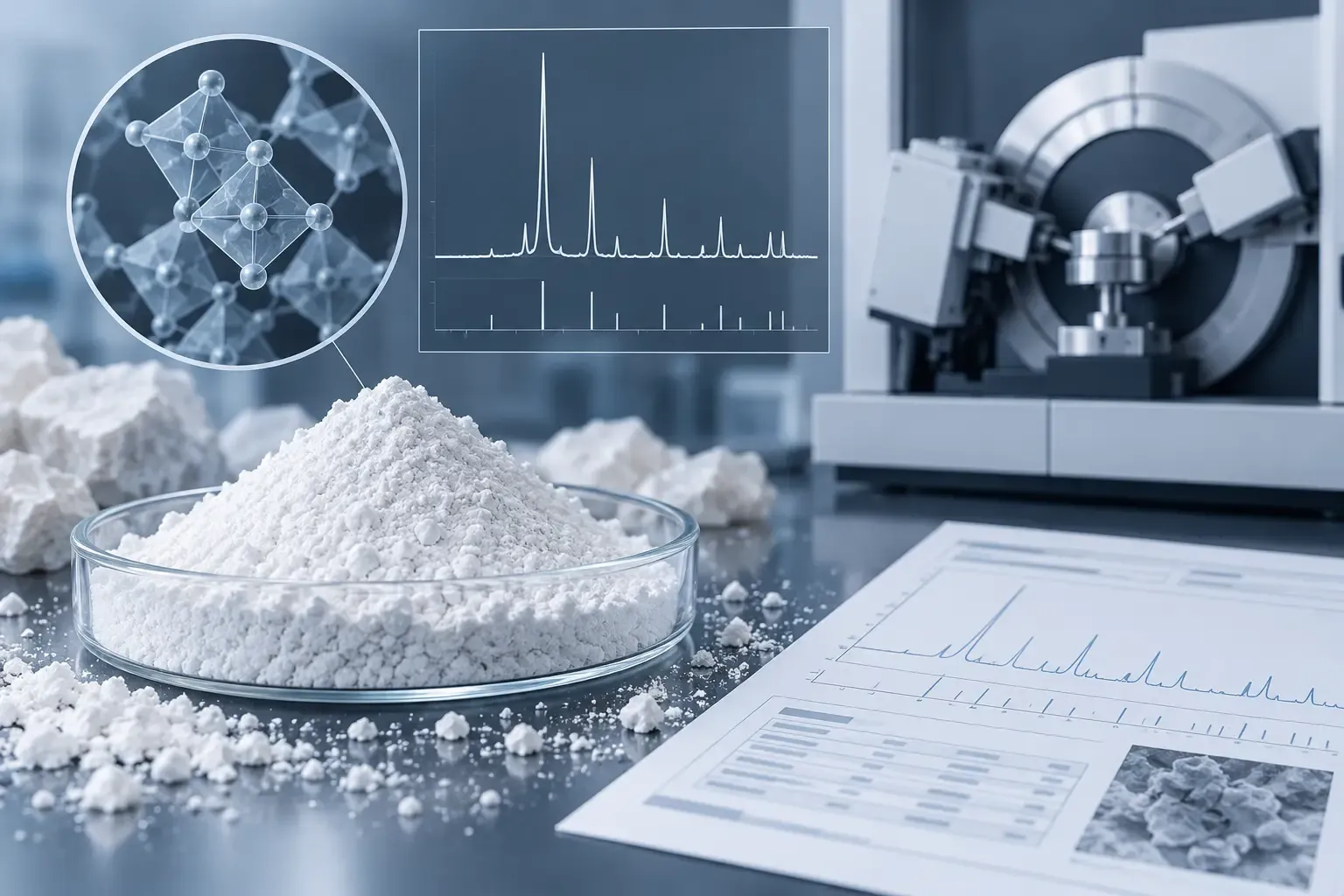
Keep the grade name, calcination description, lot number, COA fields and relevant phase evidence together. XRD or another agreed laboratory method may support phase verification, but it does not replace the compound trial.
When a customer compares calcined cristobalite with natural-quartz-derived powder or fused silica, state the distinction clearly. Similar color or chemistry language is not sufficient to establish interchangeability.
3. Record mixing and curing in a repeatable sequence
| Control | Trial record | Boundary |
|---|---|---|
| Addition | Order, mixing time, temperature and visible wetting | Do not call a visual observation a universal dispersion claim |
| Cure | Cure package, time, temperature and sample geometry | Compare candidates under the same cure route |
| Finished part | Hardness, appearance or other approved tests | Use customer-specific methods and acceptance limits |
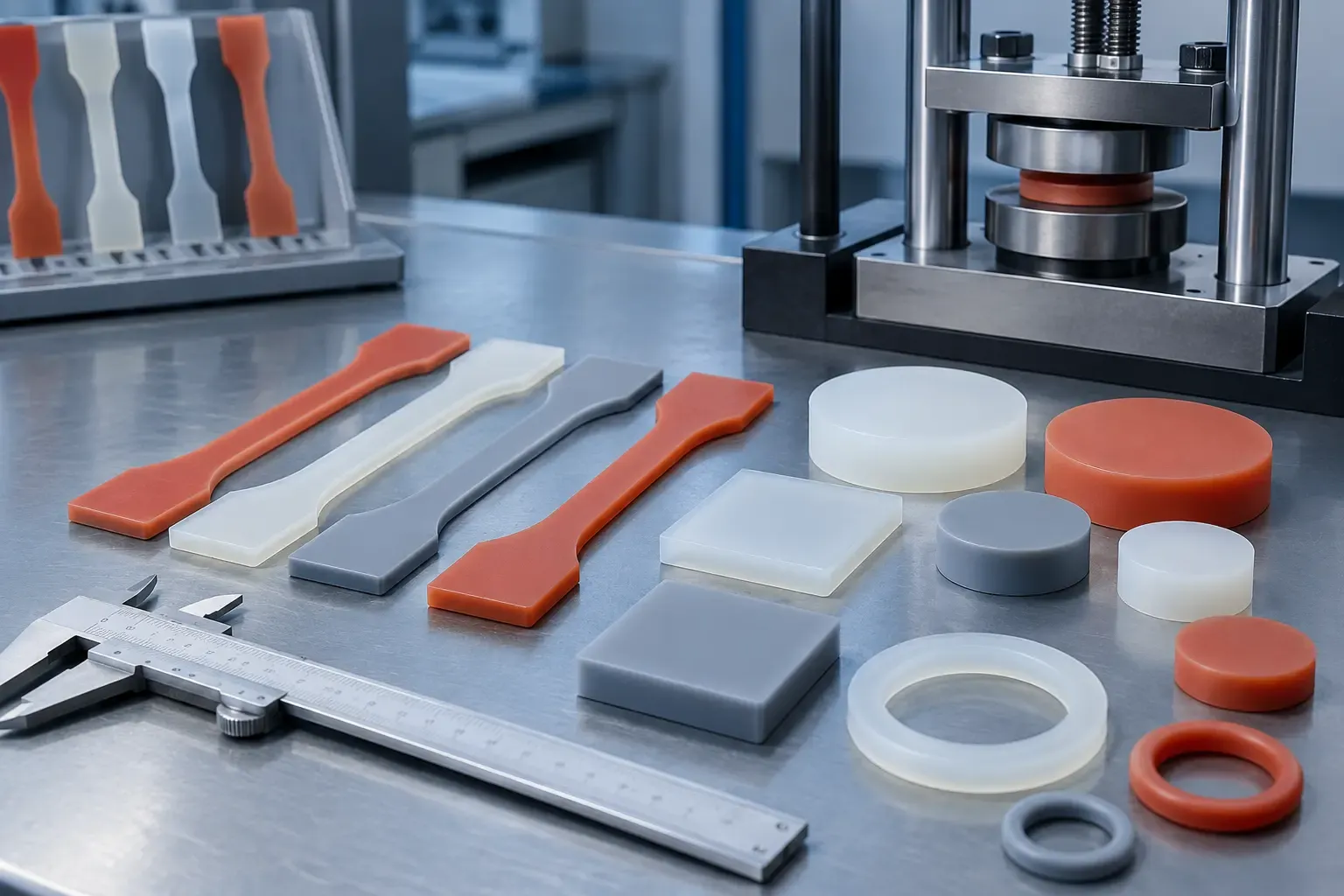
4. Keep the supplier promise specific
- Confirmed calcined cristobalite identity and excluded material families.
- Agreed particle-size, moisture and phase-related fields.
- Packaging and storage instructions.
- Retained sample and lot-change route.
- Realistic sample, repeat-order and lead-time communication.
This evidence is useful for both experienced compounders and new buyers. It turns a material sample into a controlled route from bench mixing to production approval.
FAQ
Does calcined cristobalite guarantee a specific silicone hardness?
No. Hardness depends on the complete compound, cure system, reinforcement and test method.
What should be included in a sample request?
Include the silicone type, curing route, reinforcement, target part, trial quantity, required phase or PSD fields and the finished-part tests.
Request a silicone-compound trial
Share the compound route, target part, trial quantity and required material evidence with the Changtong technical team.
Contact Changtong Technical TeamRelated: cristobalite phase verification guide and silica powder RFQ checklist.