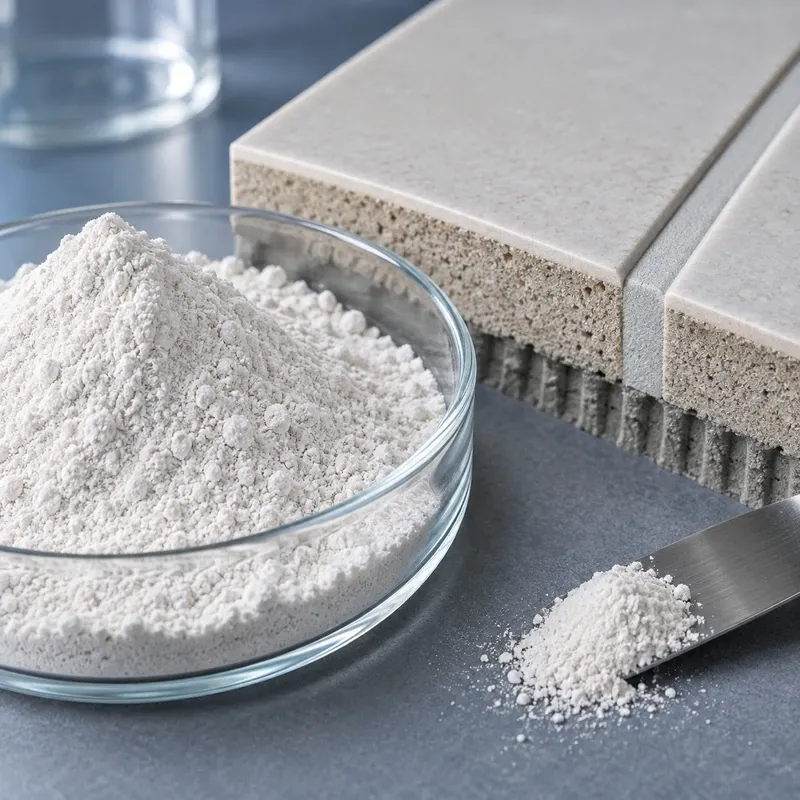
How to Reduce Rebound in Refractory Gunning Mixes
A practical troubleshooting guide to reducing rebound in refractory gunning mixes by separating powder, moisture, binder, nozzle and substrate variables during controlled trials.

Refractory Application Guide
A Practical Rebound Troubleshooting Workflow
Rebound in a refractory gunning mix is rarely caused by one powder variable. A reliable diagnosis separates material, moisture, binder, conveying, nozzle, operator and substrate effects before changing the formulation.
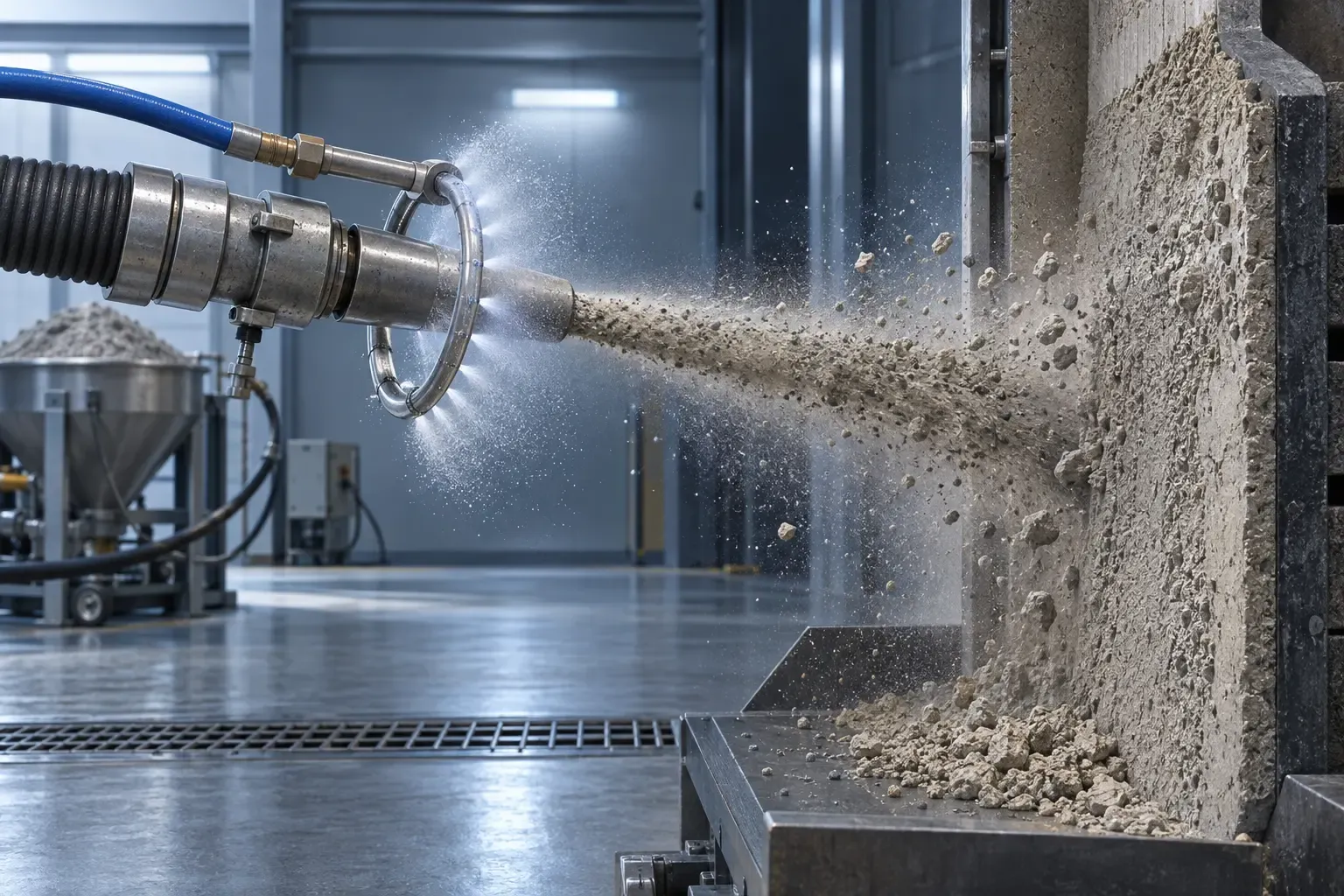
What Rebound Can Indicate
Loose material returning from the target surface may reflect insufficient green adhesion, an unstable spray stream, excessive impact energy, poor particle grading, unsuitable liquid addition or a contaminated or poorly prepared substrate. The visible symptom is useful, but it does not identify the root cause by itself.
Separate the Variables Before Reformulating
| Variable group | Check first | Interpretation limit |
|---|---|---|
| Powder and grading | Identity, PSD, top-cut, screen residue, agglomeration and lot consistency. | A mesh label alone does not describe the complete particle-size distribution. |
| Moisture and liquid | Stored moisture, liquid addition, feed consistency and nozzle water control. | Change one liquid variable at a time and record the actual setting. |
| Equipment | Air pressure, conveying stability, nozzle wear, angle and stand-off distance. | Different equipment settings can hide or exaggerate material effects. |
| Target surface | Cleanliness, temperature, profile, dampness and pre-existing loose material. | Poor substrate preparation cannot be corrected reliably by powder selection alone. |
A Controlled Trial Sequence
- Keep the recipe, batch size and mixing time fixed.
- Record powder lot, moisture, conveying condition and liquid addition.
- Use a defined nozzle, air setting, angle and stand-off distance.
- Apply the mix to comparable, prepared test areas.
- Record rebound, build, adhesion and visible defects using the same inspection method.
- Change one variable, repeat the comparison and retain the evidence.
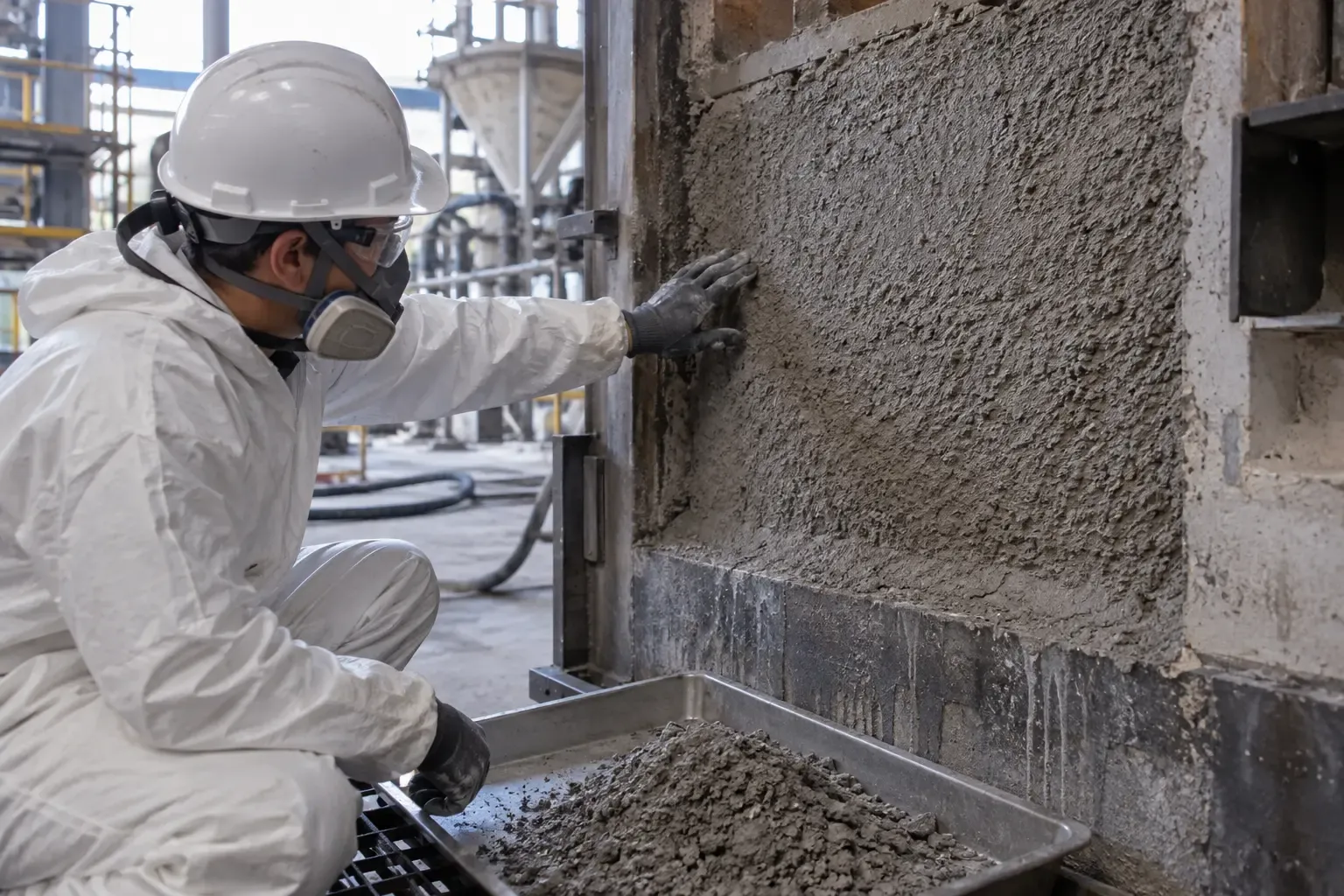
Where Fused Silica Powder Fits
Fused silica powder may be screened as one component of a refractory gunning formulation when the customer’s design calls for a fused-silica-based feedstock. It should be selected by phase identity, PSD, chemistry, moisture and handling requirements, then qualified in the actual binder and aggregate system.
For product-level review, see Fused Silica Powder for Refractory Gunning Mixes. Related comparisons include Fused Silica Powder for Refractory Castables and Fused Silica Powder 325 Mesh.

Frequently Asked Questions
Request a Refractory Gunning Mix Review
Send the mix design, powder requirement, process conditions and trial objective for grade and documentation review.
Request a Quote