PV Silica Powder for Shoe Mold Casting: A Trial-Ready Selection Framework
Learn how to select calcined PV silica powder for shoe mold casting by reviewing material identity, particle size, slurry behavior, dry-out and casting trials.
Select PV silica powder by the mold formulation and casting trial—not by a mesh number alone.
A practical specification connects the powder’s product identity, particle-size basis, calcination and cleaning route with slurry workability, air removal, dry-out and the final shoe-mold casting inspection. This keeps the inquiry specific without turning a published product range into a universal process guarantee.
Last updated: · Scope: grade screening, trial planning and RFQ preparation
What Does PV Silica Powder Do in Shoe Mold Casting?
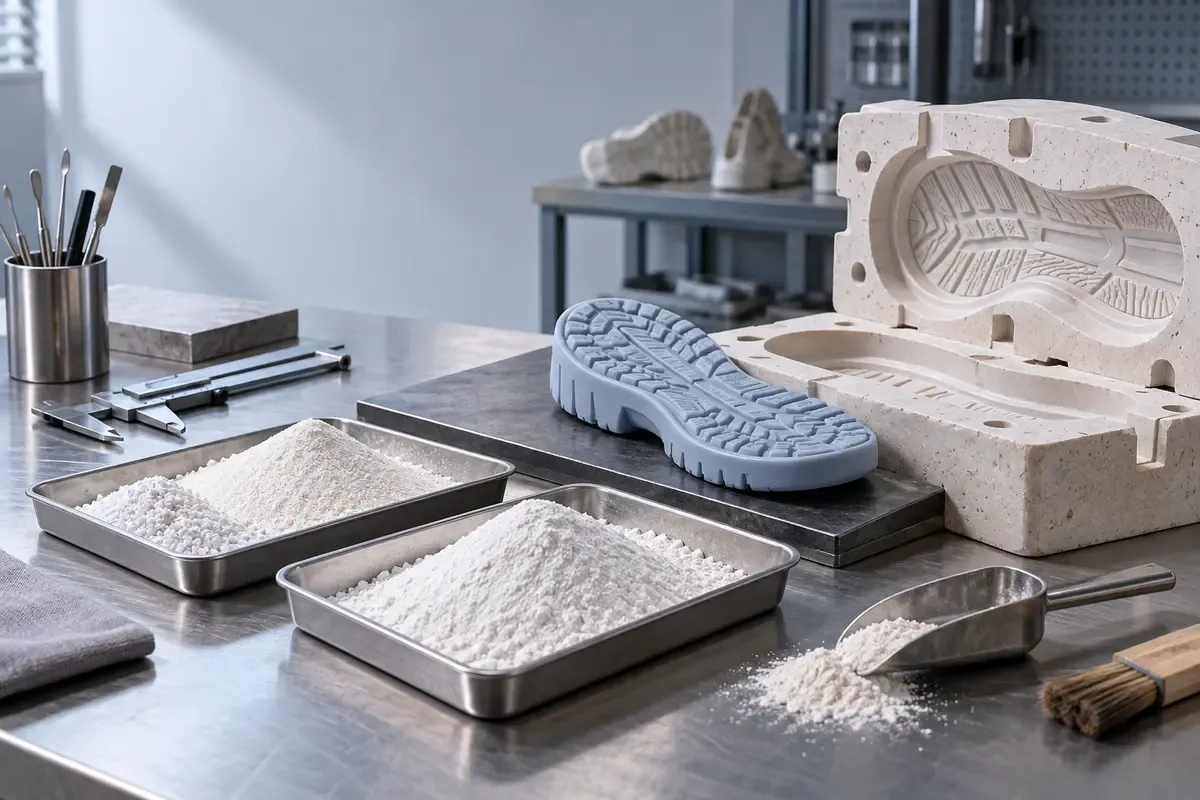
In a shoe-mold casting formulation, silica powder is part of a larger mineral-and-binder system. Its particle shape, size distribution, hardness and surface condition can influence powder packing, water demand, slurry flow, air release, set structure, dry-out and the surface transferred to the final mold. The result belongs to the formulation and process, not to the powder name by itself.
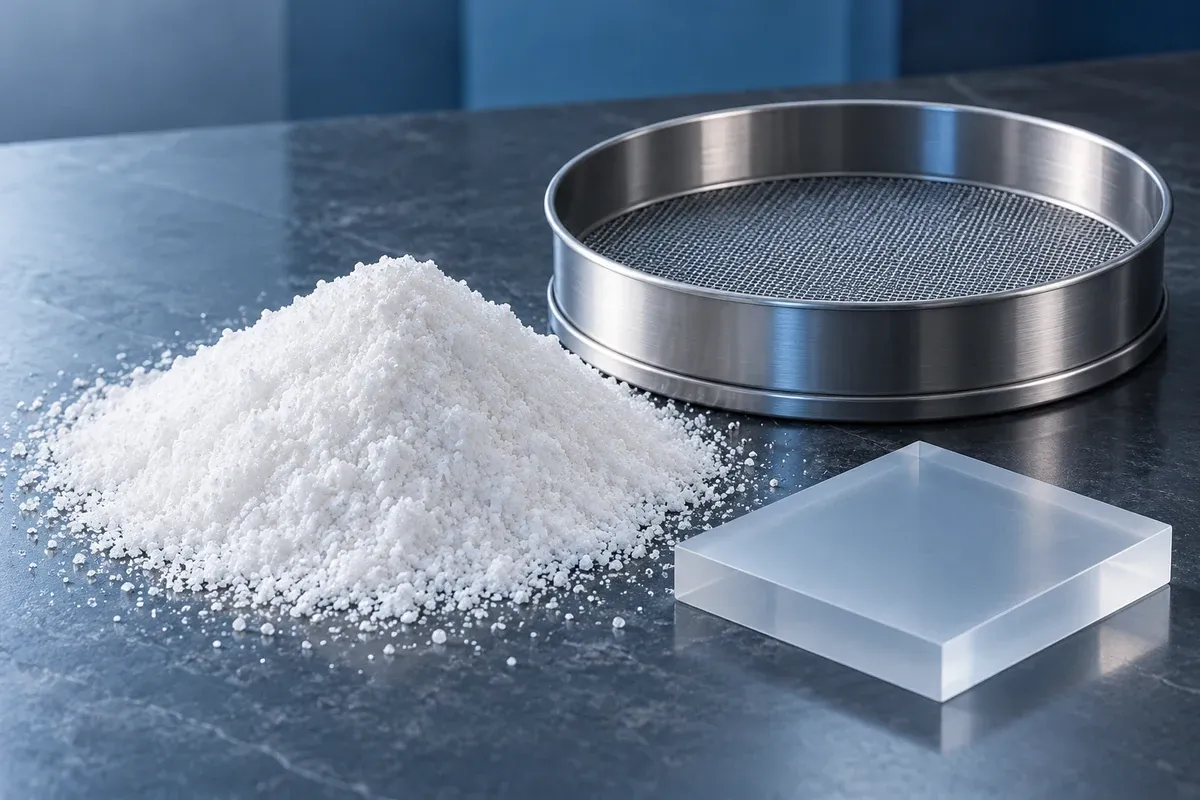
Changtong’s product page describes this PV grade as calcined silica powder for shoe mold and related precision mold-making processes. The page also states that the material is sorted, cleaned of impurities, de-ironed and packed after high-temperature calcination. Those statements define the starting product scope; they do not replace a customer-side trial with the intended binder, pattern and casting route.
Which Material Identity Should the RFQ State?
“Silica powder” is too broad for a purchase request. The RFQ should name the PV product, the intended shoe-mold application and the role of the powder in the formulation. It should also state what the material is not meant to replace. Fused silica has a different thermal history; cristobalite is a different silica phase; precipitated, fumed and colloidal silicas have different structures and are not automatic substitutes for a calcined mineral powder.
Use the PV silica powder product page as the public starting point for the application and available size options. Before approval, ask for the current TDS, COA and any phase or test-method information needed to identify the selected grade without relying on a catalogue label.
How Should Particle Size Be Specified?
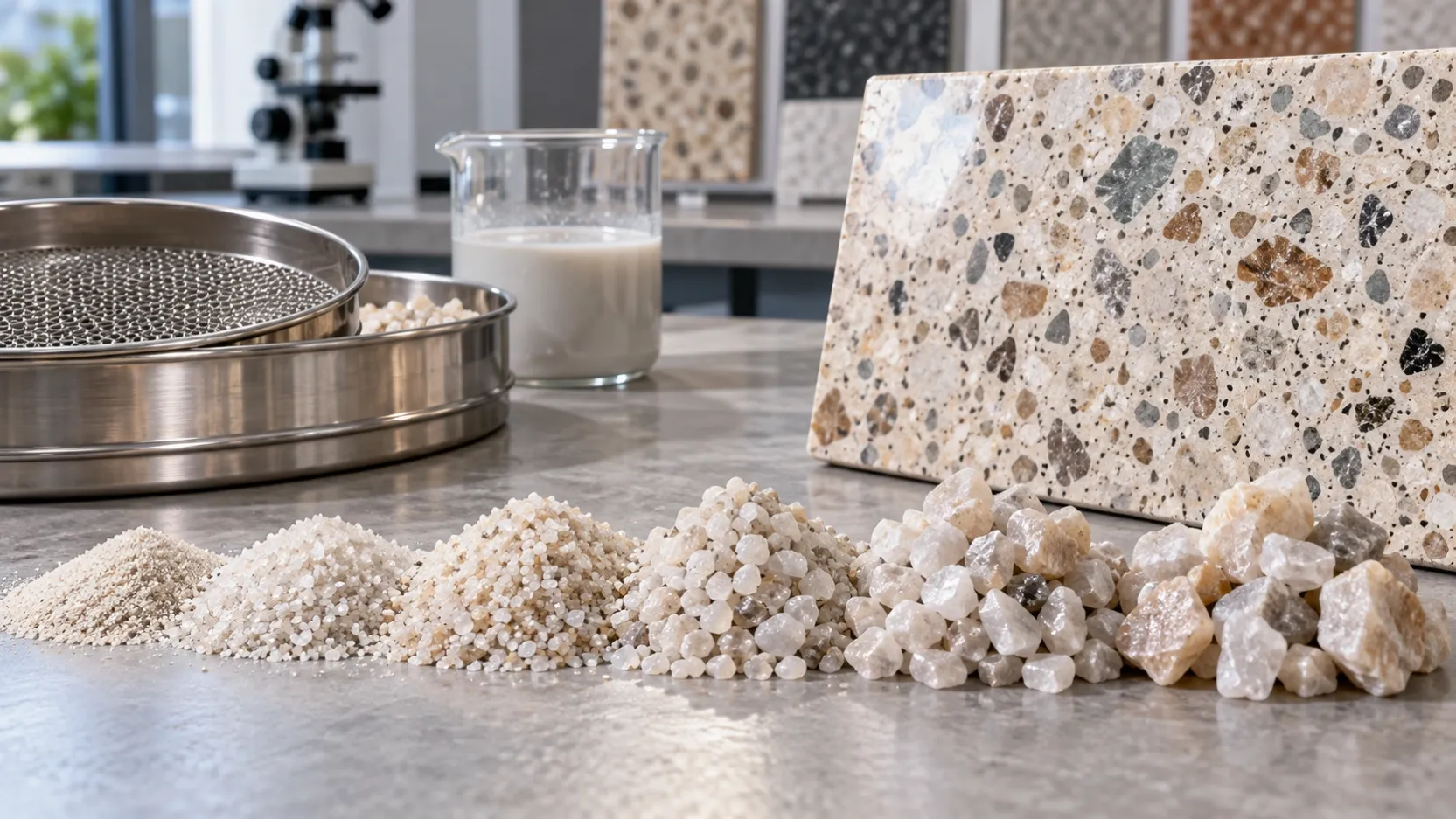
The product page lists multiple mesh and particle-size options, including 200 mesh, 325 mesh, M400, M600, M3000, M4000 and M6000. That range is useful for opening an inquiry, but it is not a recommendation for every shoe-mold formulation. A fine powder may support a smoother mineral matrix while increasing surface demand or agglomeration risk. A coarser fraction may change packing, settling, air release or the visible mold surface.
| RFQ question | Evidence to request | Decision it supports |
|---|---|---|
| Which size label is required? | Mesh, sieve result, micron range or full PSD with test method | Prevents different size bases from being compared as equal |
| What does the pattern require? | Smallest feature, draft, corner detail and target surface finish | Connects powder selection to mold detail and surface transfer |
| What is the binder window? | Powder-to-binder or powder-to-water basis, mixing equipment and work time | Shows whether the selected grade is practical in the actual slurry |
| What is the release criterion? | Sieve residue, flow, set, dry-out, casting surface and dimensional check | Turns a particle-size request into an approval gate |
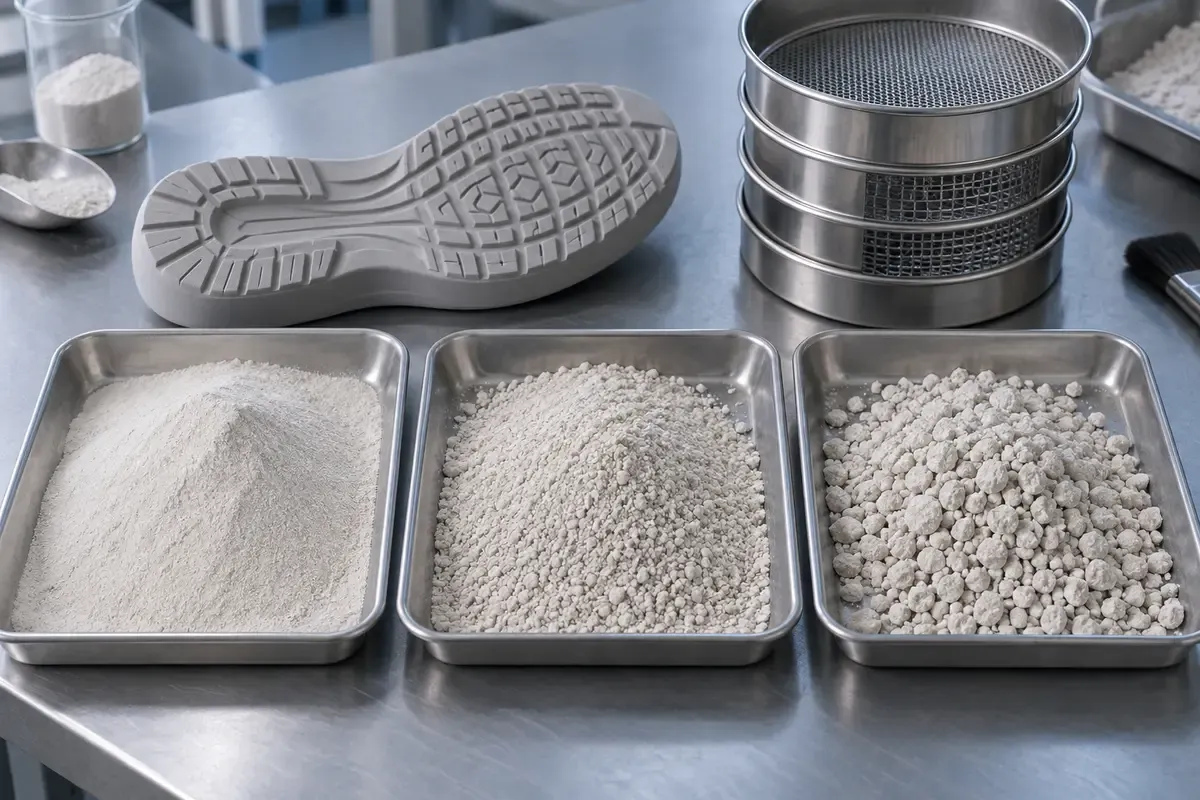
Which Product-Page Facts Should Be Confirmed Before Purchase?
| Review item | Public product-page indication | What still needs confirmation |
|---|---|---|
| Application | Shoe mold casting and related precision mold-making | Pattern material, binder system, casting alloy and production route |
| Processing history | High-temperature calcination, sorting, impurity cleaning and de-ironing | Selected grade, batch basis and customer-required acceptance tests |
| Size options | Multiple mesh and particle-size options are listed | Method, distribution, residue and the size needed by the formulation |
| Physical properties | Hardness, density, pH and whiteness are shown as product references | Test method, lot result, storage condition and relevance to the mold recipe |
| Chemistry | Silica and impurity values are presented on the product page | Current TDS/COA for the chosen grade; do not treat page-level values as a lot certificate |
How Does the Slurry Trial Reveal a Grade Mismatch?
A short controlled trial often reveals more than a catalogue comparison. Keep the binder, water basis, mixing sequence, vacuum step, pattern and set-time target fixed. Change only the silica grade or size basis in the first comparison. Record the observations in a way that separates powder behavior from operator technique.
1. Define the mold and casting target
Record the pattern material, smallest feature, target mold dimensions, casting alloy, expected surface finish and the point at which the mold is released for dry-out or casting.
2. Condition and identify the powder
Link the sample to its product name, lot or packing mark, storage history and particle-size evidence. Note whether the powder has been dried or handled before mixing.
3. Measure wet-stage behavior
Record addition order, mixing energy, work time, flow around detail, air release, visible agglomerates and the response to vacuum or vibration when used in the customer process.
4. Inspect the dry mold and casting
Check cracks, edge integrity, surface transfer, dimensional stability, dry-out completeness and the final casting surface. Keep the observation tied to the same pattern and process window.
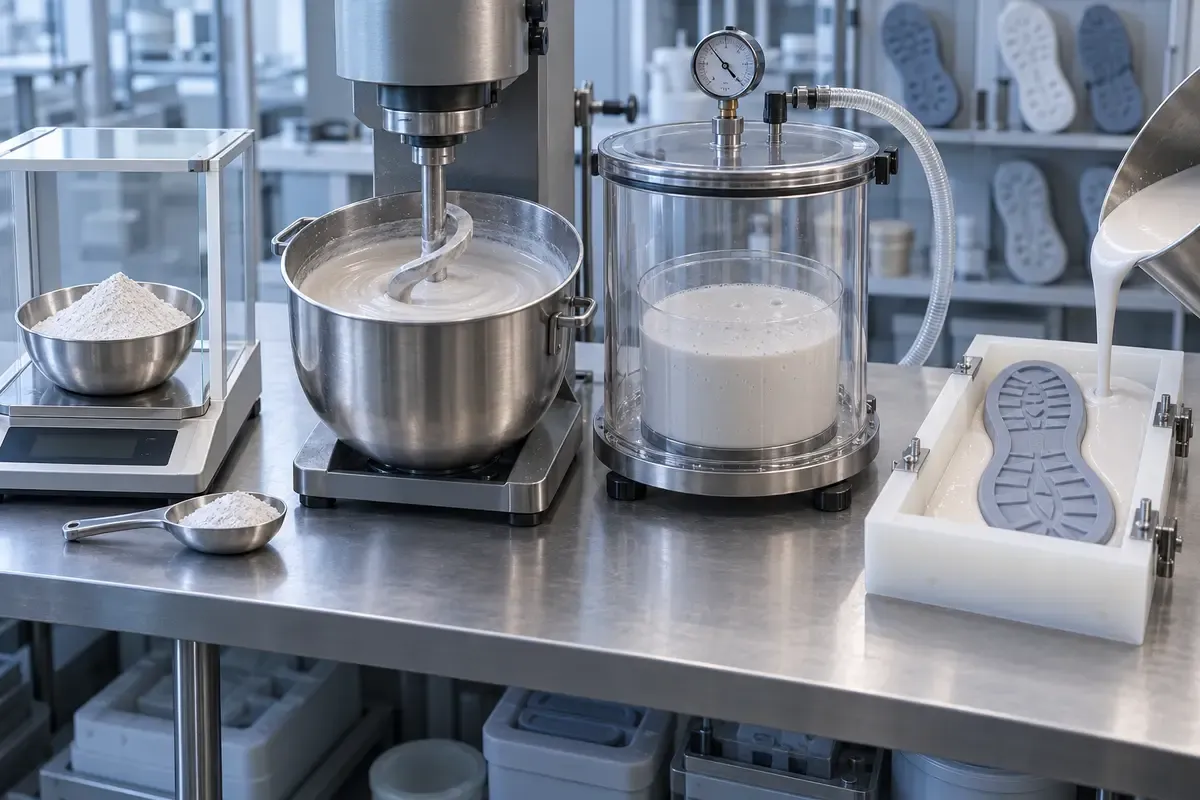
What Should Be Checked Before Casting?
Dry-out and thermal preparation deserve their own acceptance step. A mold that looks set at room temperature may still contain moisture or have local weakness around fine features. The customer should define the drying schedule, inspection point and furnace or casting conditions rather than borrowing a generic cycle from another investment system.
Industry references show that shoe-mold investment systems commonly combine a mineral fraction with a binder and use a staged pattern-to-mold-to-metal workflow. Such references are useful for designing questions, but they do not establish a Changtong recipe or a guaranteed casting result. The published shoe-mould casting powder patent is cited here only as technical context; its formulation and particle sizes are not Changtong specifications.
Which Quality Records Should Accompany the Inquiry?
A precise RFQ makes document review faster. Instead of requesting “high purity silica” alone, provide the application and ask for the records tied to the grade under evaluation. Changtong’s silica powder RFQ checklist can be used to structure the request.
- Product name and intended shoe-mold application.
- Required mesh or particle-size basis, including the test method.
- Binder or gypsum system, water basis and mixing equipment.
- Pattern detail, dry-out route, casting alloy and target surface finish.
- Current TDS, COA, sample quantity, packing requirement and destination.
- Customer acceptance criteria for slurry workability, mold integrity and casting inspection.
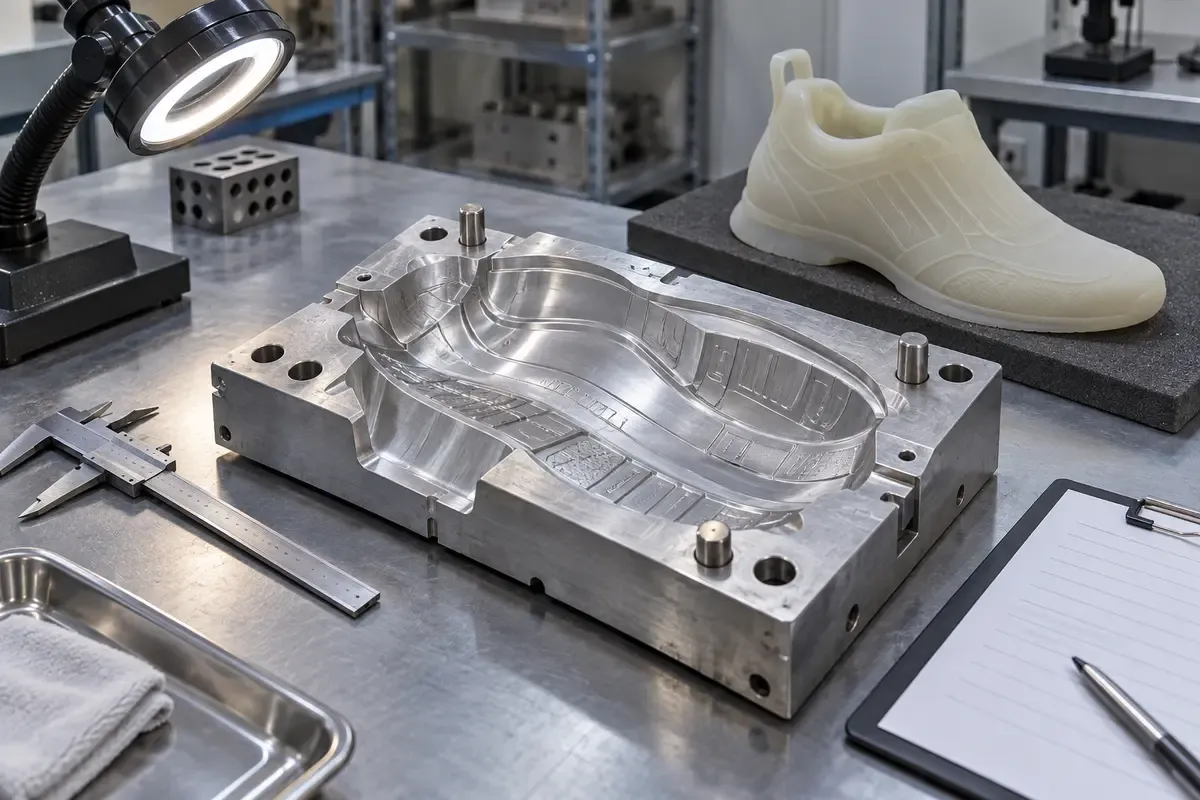
What Should Not Be Promised From the Powder Name?
Engineering boundary: A PV silica powder grade does not by itself guarantee a specific set time, crack-free mold, surface roughness, dimensional tolerance, casting yield or production cycle. Those outcomes depend on the complete formulation, pattern, operator method, dry-out and casting conditions.
Similarly, a smaller mesh is not automatically a better choice. Fine material can alter water demand, air release and work time. A grade that performs well in one gypsum or mineral system may require a different balance in another. The correct purchasing decision is therefore a documented trial result, not a single headline property.
How Should a Buyer Ask for a Sample?
- Name the shoe-mold application and identify whether the material is a filler, aggregate or part of a complete investment formulation.
- State the target mesh or particle-size method and the smallest pattern feature that must be reproduced.
- Describe the binder, water or additive system, mixing equipment, vacuum step and work-time window.
- Define dry-out, casting alloy, surface-finish and dimensional acceptance checks.
- Request a grade-specific TDS, representative COA, sample quantity and packing basis.
Frequently Asked Questions
Is PV silica powder the same as a complete shoe-mold casting powder?
No. PV silica powder is a mineral raw material within the product-page scope. A complete shoe-mold investment formulation also depends on its binder, additives, water basis, mixing method, set behavior and thermal preparation.
Which mesh should I choose for a shoe mold?
There is no universal answer. Start with the pattern detail, target surface, binder system and equipment, then compare the selected size distribution in a controlled slurry and casting trial.
Can this PV grade replace fused silica or cristobalite?
Do not assume substitution. Confirm phase identity, thermal history, chemistry and the formulation role before comparing materials or changing a production recipe.
What should I send for a PV silica powder quotation?
Send the application, target size, formulation role, binder or gypsum system, pattern details, casting alloy, trial quantity, acceptance criteria and destination. That information is more useful than a request for “fine silica powder” alone.
Source and Review Boundary
Product scope and listed application information were checked against Changtong’s public PV silica powder product page on September 8, 2026. The external patent is reference context only; its formulation, particle sizes and process are not Changtong test data or a Changtong recipe.
Request a PV Silica Powder Grade Review
Send the shoe-mold pattern details, binder or gypsum system, target particle-size basis, casting alloy, dry-out route, sample quantity and acceptance criteria. Changtong can review the inquiry against the published PV silica powder scope and prepare a practical sample discussion.
Send your shoe-mold requirements