Silica Powder Morphology and Flow: Reading Shape Beyond PSD
Understand how particle shape, surface texture and agglomeration influence silica powder flow beyond what a PSD curve can show.
This technical guide is a screening and trial framework. It does not establish a universal grade limit or guarantee finished-product performance; approval remains tied to the buyer’s method, formulation and applicable requirements.
Start with the decision, not the number
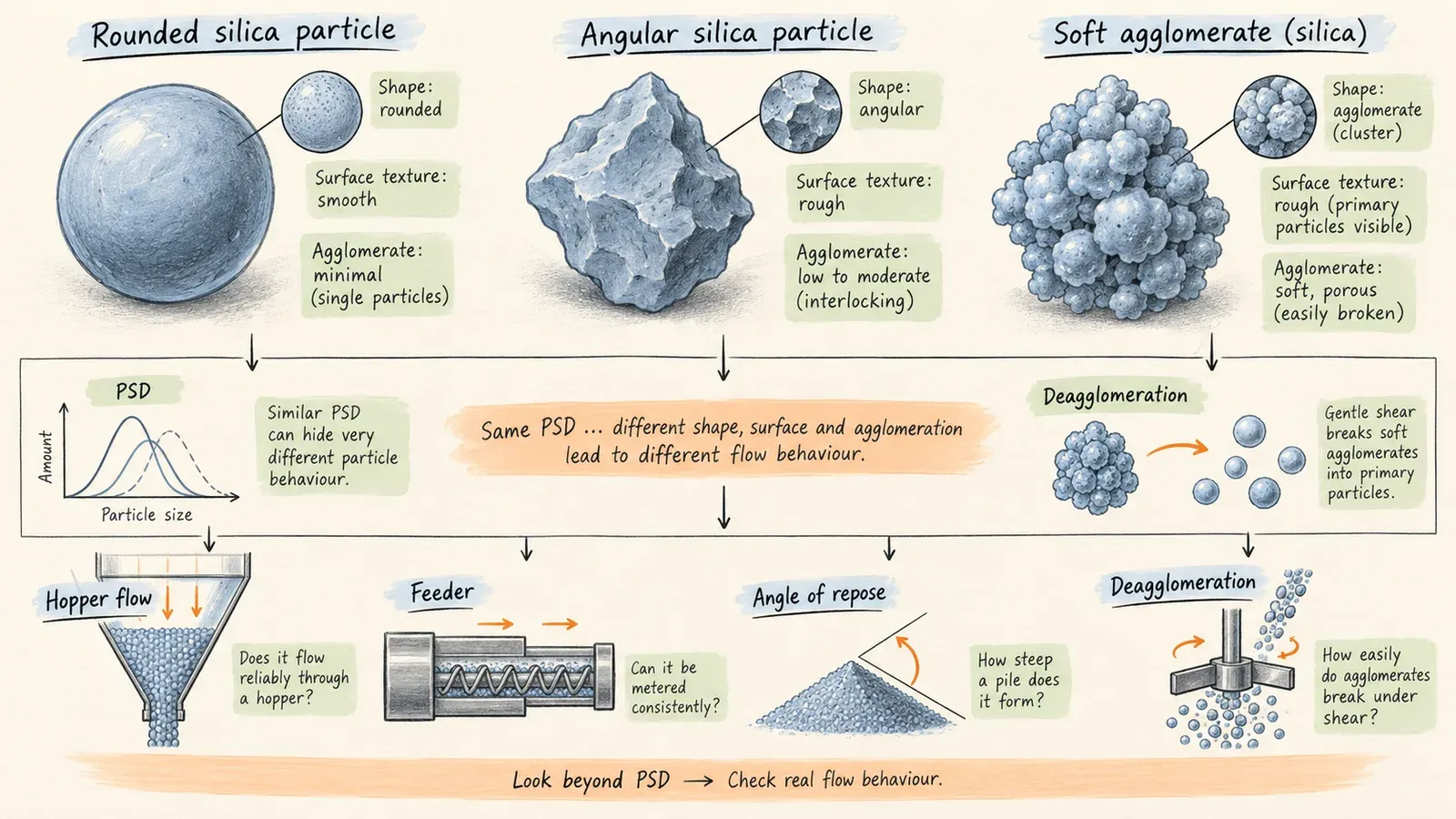
Particle-size distribution tells you how large the measured particles are; it does not fully describe their shape, surface texture or agglomeration state. Those features can influence flow, packing, wetting and the appearance of a finished compound. A useful morphology review therefore combines an agreed observation method with a simple process trial rather than relying on a single microscope image.
Separate primary particles from agglomerates
A powder can contain primary particles that form soft agglomerates during handling. Laser diffraction, sieve analysis and microscopy may respond differently to those structures depending on dispersion energy. Record whether the sample was dry-dispersed, wet-dispersed or gently deagglomerated before measurement.
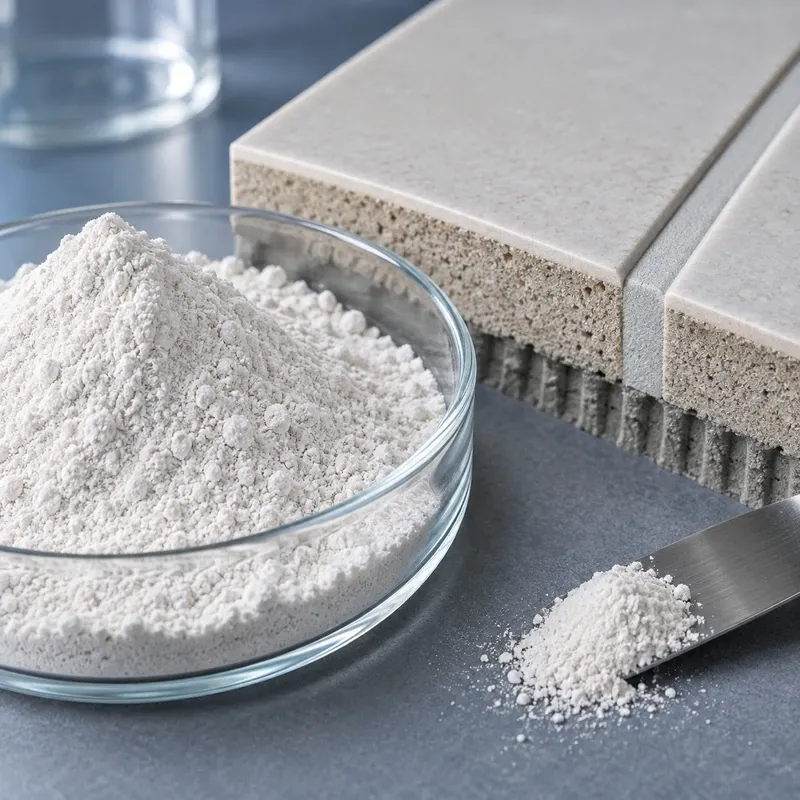
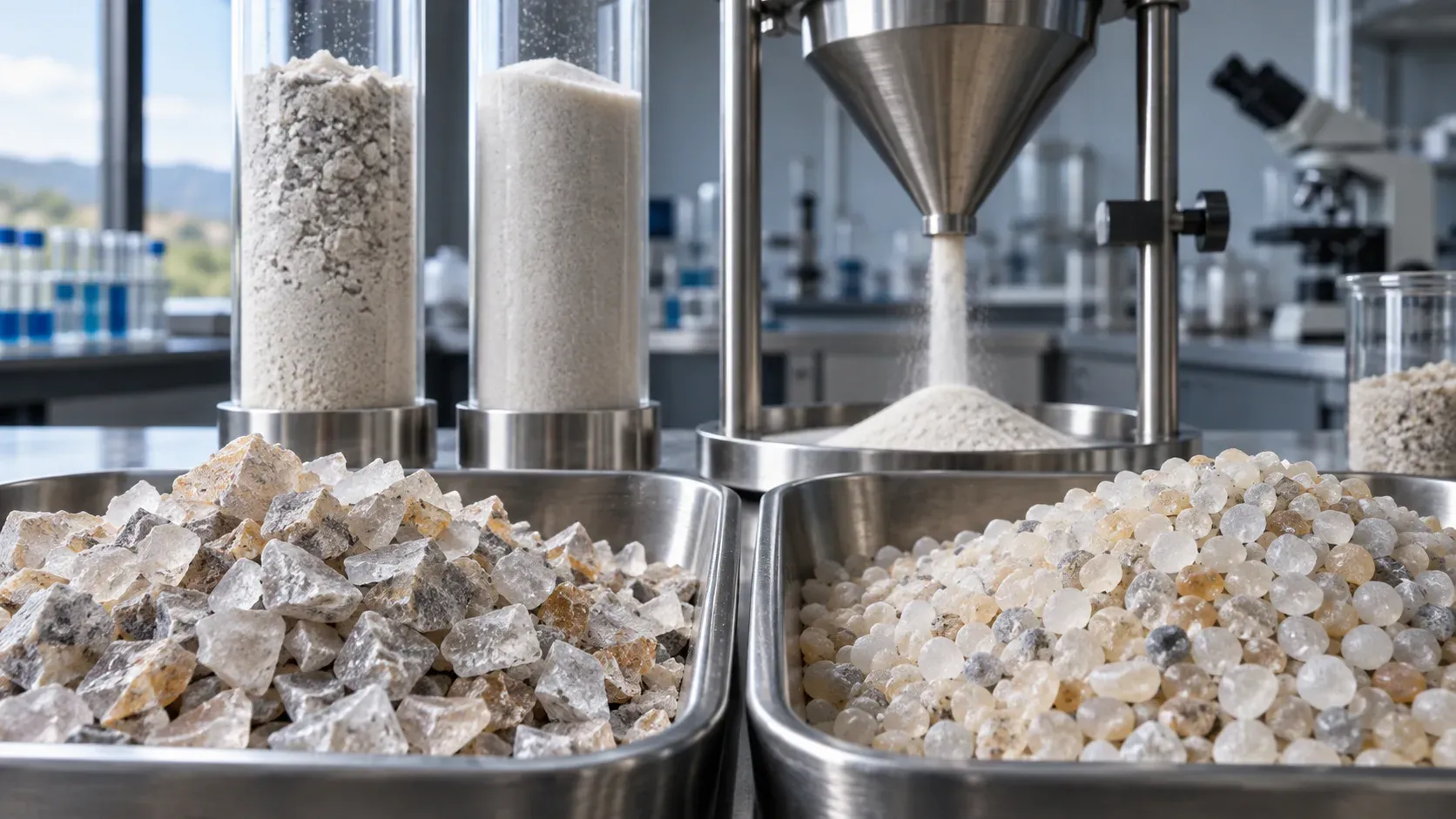
Compare images at the same magnification and sample preparation. Look for angular edges, rounded grains, plates, elongated fragments, surface roughness and visible clusters. Use these observations to form a hypothesis, not to assign a performance guarantee.
Link shape to the process
Angular particles can interlock and increase friction, while smoother or more rounded grains may rearrange differently. Fine irregular particles can increase contact points and surface demand. The actual response also depends on moisture, PSD breadth, treatment, loading and the other ingredients in the formulation.
For a dry blend, monitor hopper discharge, segregation, dusting and the mass delivered per cycle. For a liquid system, monitor wetting, dispersion time, viscosity and air release. Keep the formulation and mixing energy fixed so morphology is not confounded with a recipe change.
Use complementary measurements
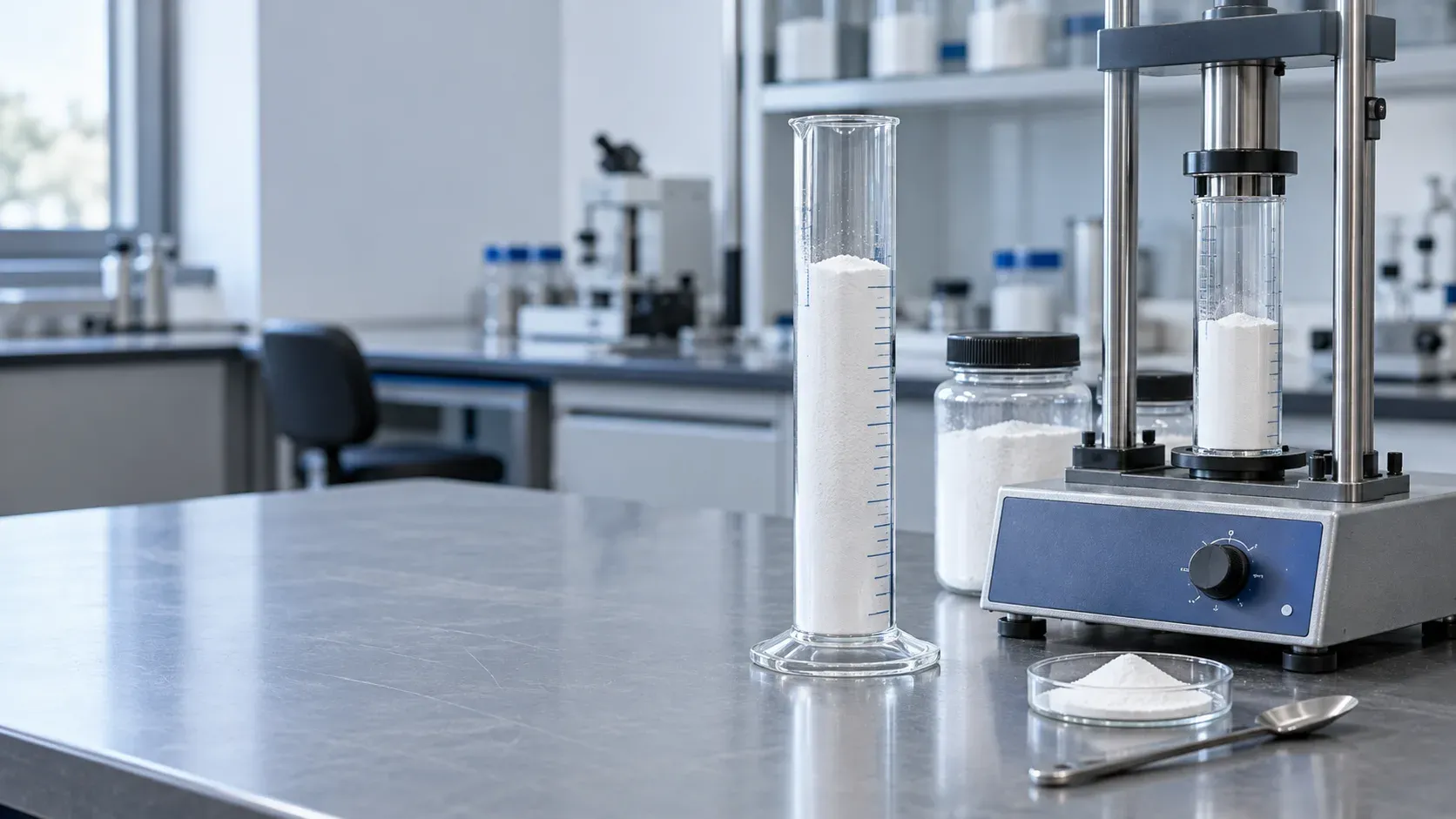
Pair morphology observations with PSD, bulk/tap density, moisture and a flow test selected for the application. A simple angle-of-repose or funnel test can screen differences, but it should use a documented apparatus and conditioning method. It is not a replacement for a production feeder or formulation trial.
If two powders have similar PSD but different flow, investigate surface treatment, agglomeration, shape and moisture. If the flow is similar but formulation behavior differs, look at wetting chemistry or the binder interaction instead of forcing a morphology explanation.
Write a procurement requirement carefully
Describe the process response that matters and the evidence required to review it. If shape is critical, agree the imaging method, sample preparation, representative fields and decision rules. Avoid vague wording such as spherical or free-flowing unless the term is tied to a measurable method and a customer-side trial.
Decision matrix
| Finding | Possible effect | Confirm with |
|---|---|---|
| Visible soft clusters | Erratic flow or wetting | Dispersion comparison and moisture |
| Angular coarse tail | Friction or rough texture | Sieve residue and feeder trial |
| Smooth rounded grains | Different packing response | Bulk/tap density and loading |
| Similar images, different result | Method or surface chemistry | Repeat preparation and wetting test |
Practical checklist
- Record sample preparation and imaging conditions.
- Distinguish agglomerates from primary particles.
- Pair morphology with PSD, density and moisture.
- Run a process-relevant flow or formulation trial.
- Tie any procurement term to a method and decision rule.
Related technical reading
Use these current pages to connect the test plan to the next purchasing or formulation decision:
These links provide context only. Confirm the current grade, lot documents and customer-side trial conditions before approval.
Discuss a silica material trial
Send the application, material identity, target method, acceptance fields, expected quantity and required documents. Changtong can help structure a sample and evidence review without treating a single laboratory value as a performance guarantee.