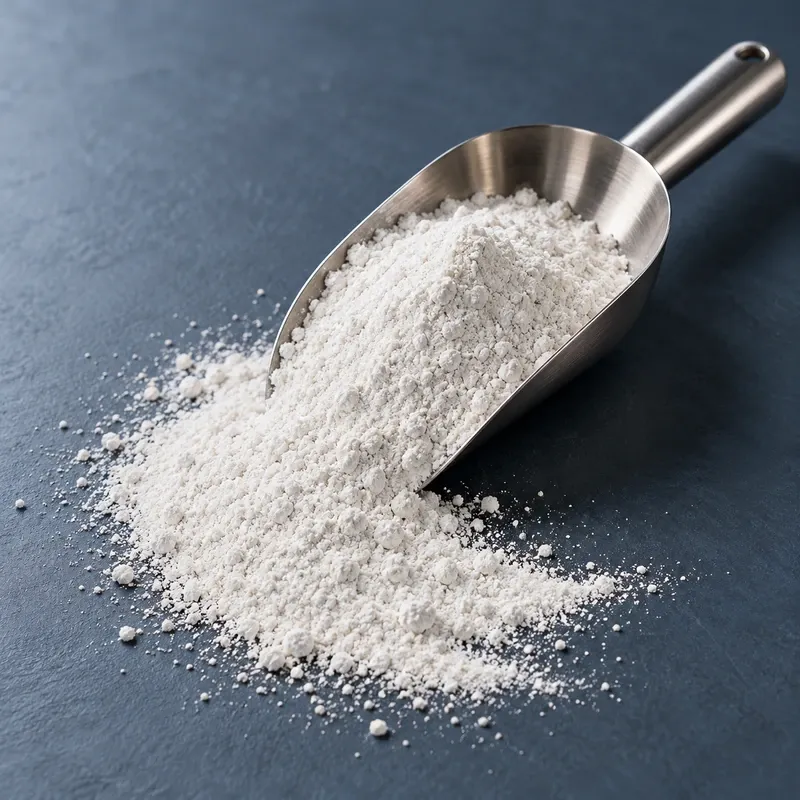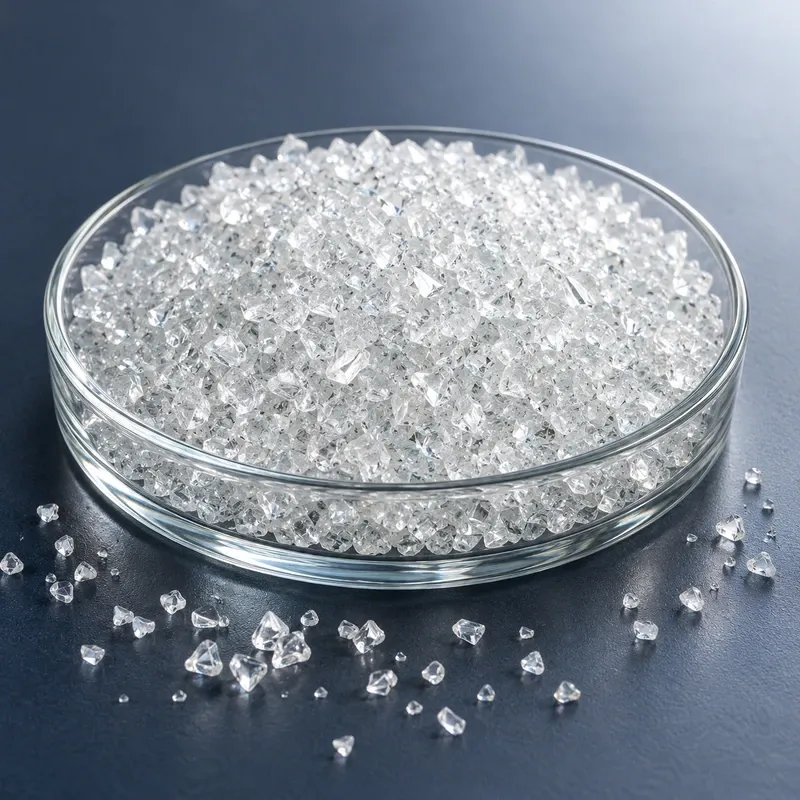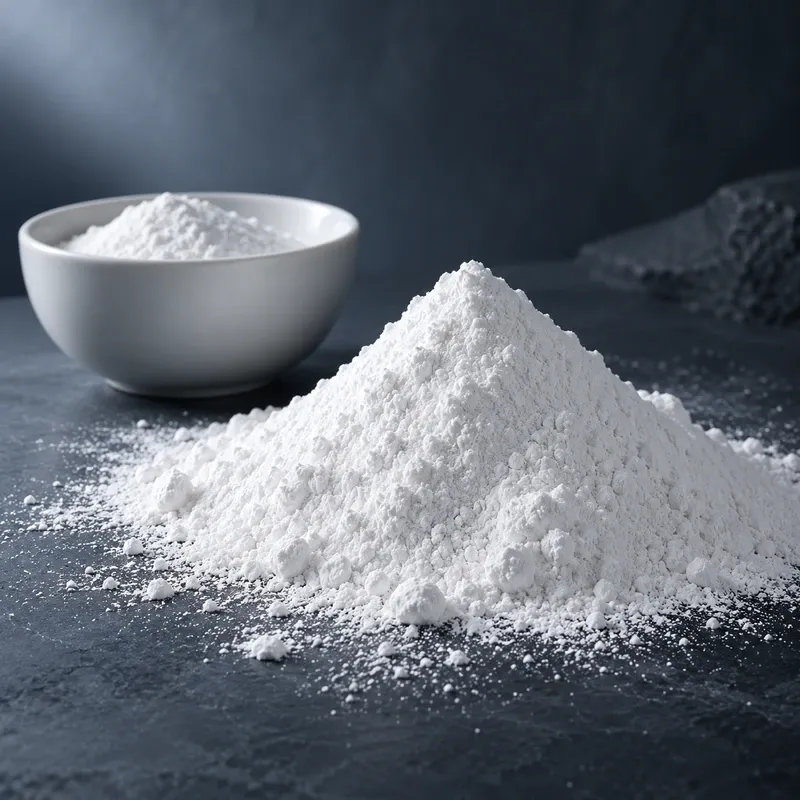
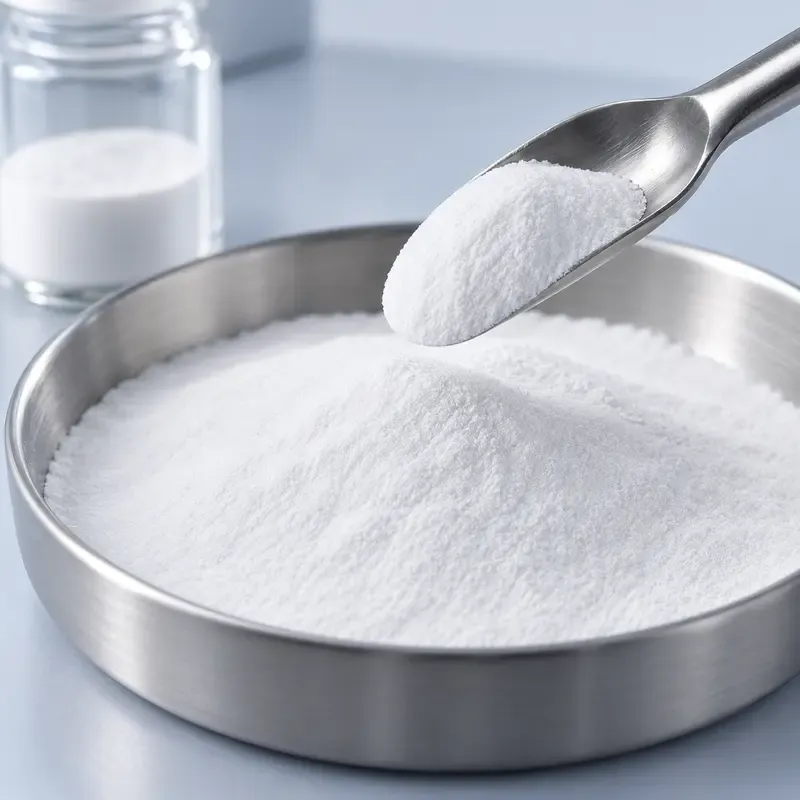
Fused Silica Powder for Electrical Epoxy Casting
Fused silica powder for electrical epoxy casting and vacuum-cast insulation component trials. Grade selection should be matched to the resin, target particle-size distribution, filler loading, mold-filling process, cure schedule and the buyer's finished-component tests.
Specifications
- Mesh Size
- 120mesh,200mesh,325mesh,600mesh,800mesh,1250mesh,2000mesh,2500mesh,3000mesh,5000mesh
- Particle Size
- 3-5mm,1-3mm,1-0.5mm,0.5-0.2mm,0.1-0.2mm,0.1-0mm(120mesh),0.075mm(200mesh)
- SiO₂ Content
- 99.8-99.99%
- Bulk Density
- 1.0~1.5 g/cm³
- Specific Gravity
- 2.20 g/cm³
- Thermal Expansion
- 0.5*10⁻⁶
- Moh's hardness
- 7
Electrical Epoxy Casting Grade
A Controlled Mineral Filler for Electrical Casting Trials
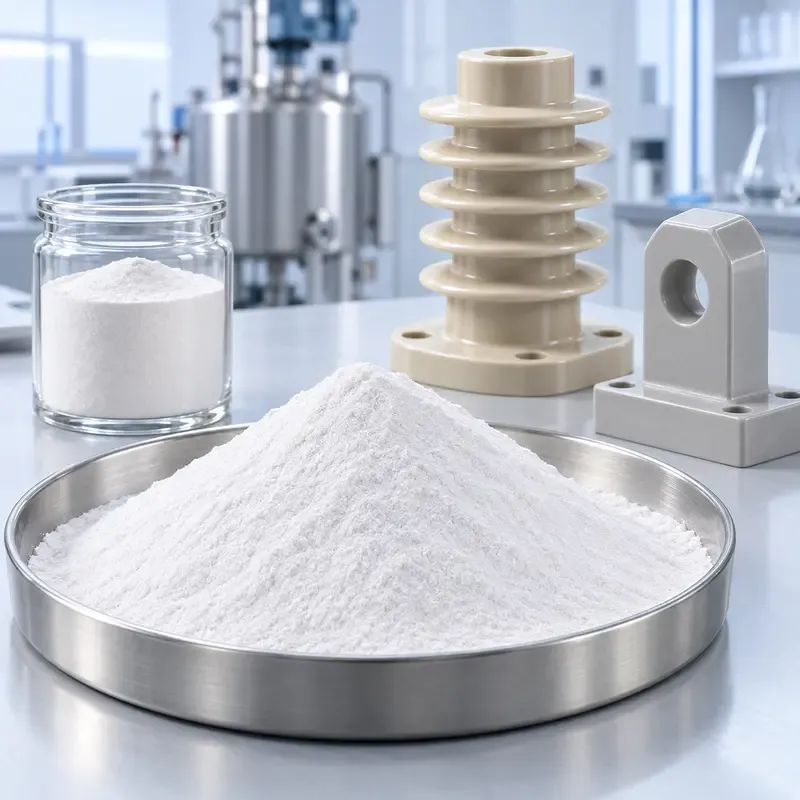
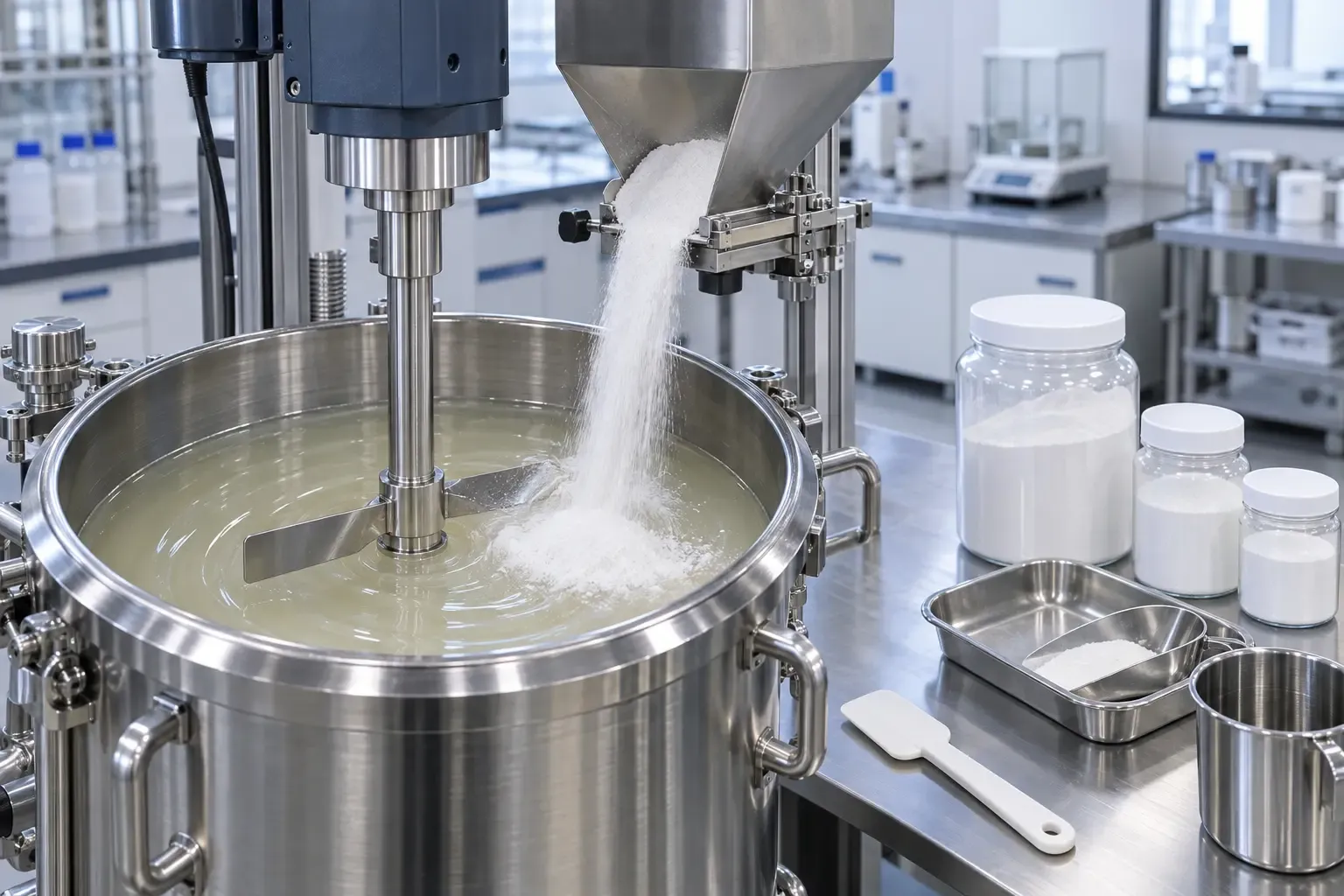
Changtong fused silica powder is supplied for evaluation in electrical epoxy casting, vacuum casting and insulation-component formulations. Grade selection should be based on the resin system, target particle-size distribution, mixing route, mold geometry, cure schedule and the buyer's electrical and dimensional acceptance tests.
What Electrical Epoxy Buyers Need to Control
In a mineral-filled electrical epoxy, the powder cannot be selected from the material name alone. Buyers normally need to balance filler packing with process viscosity, air release, mold filling and the properties of the cured component. Fused silica is commonly considered when a low-expansion silica raw material is required, but the thermal expansion and electrical performance of the finished casting still depend on the complete formulation and process.
Resin Flow
Review filler loading and PSD against the required mixing and mold-filling window.
Air Release
Validate wetting, deaeration and vacuum conditions with the actual resin and hardener.
Cure Stability
Check dimensional change, surface condition and defects after the specified cure cycle.
Lot Evidence
Agree chemistry, moisture, particle-size and sampling requirements before approval.
Grade Selection Framework
| Buyer question | Why it matters | Information to provide |
|---|---|---|
| Which epoxy system is used? | Resin polarity, hardener and additives affect wetting and viscosity. | Resin type, hardener, additives and target filler loading. |
| How will the part be filled? | Gravity, pressure and vacuum casting impose different flow demands. | Mixing, deaeration, mold-filling method and working time. |
| What PSD is acceptable? | Mesh designation alone does not define packing or top-cut. | D-values, residue or sieve method and agreed limits. |
| Which cured tests apply? | Material approval belongs to the finished insulation system. | Cure cycle, thermal profile, dimensional and electrical test methods. |
A Practical Qualification Sequence
- Define the baseline. Record the current resin, hardener, filler loading, viscosity method and cure schedule.
- Confirm the powder evidence. Review the applicable TDS, COA, MSDS and the agreed particle-size test basis.
- Run a controlled mixing trial. Hold batch temperature, mixing energy and addition order constant.
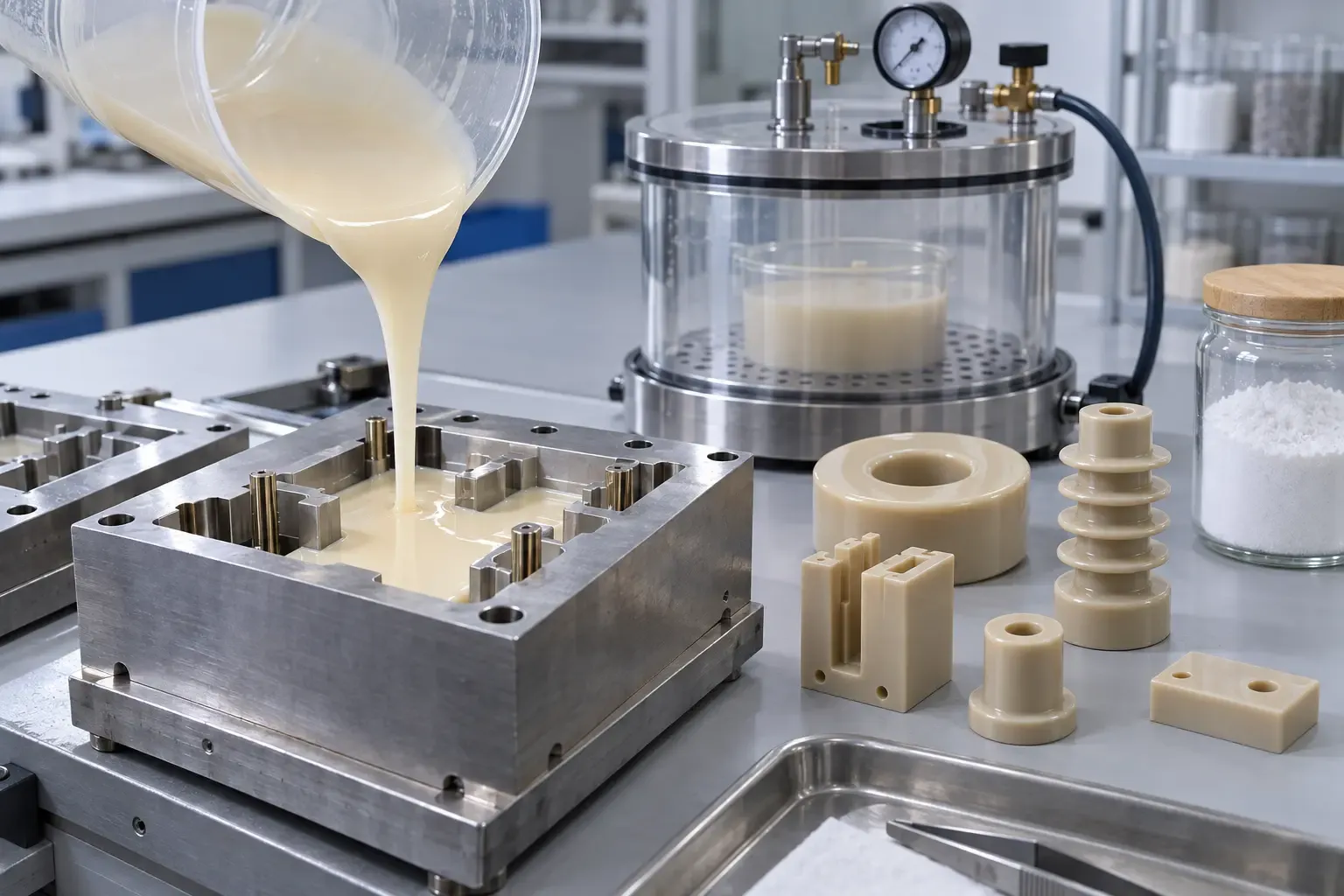
- Assess casting behavior. Record deaeration, mold filling, sedimentation, surface condition and any voids.
- Test the cured system. Use the buyer's dimensional, thermal and electrical acceptance methods before scale-up.
Properties and Application Review
| Material or process point | Relevant application question | Evidence required |
|---|---|---|
| Fused-silica phase identity | Is the requested raw material amorphous fused silica rather than crystalline quartz? | Applicable product documents or phase evidence. |
| Particle-size distribution | Will the grade support the required packing and flow window? | Agreed PSD or sieve method and current lot result. |
| Moisture and handling | Are storage and conditioning controlled before mixing? | Agreed moisture method plus sealed-storage procedure. |
| Finished casting performance | Does the complete formulation meet the end-use requirement? | Customer-side cured-part validation. |
Frequently Asked Questions
Is this the same as crystalline silica powder for electronic potting?
No. This page covers fused silica powder. Phase identity, sizing and application fit must be confirmed rather than transferred from a crystalline-quartz filler.
Does the powder guarantee low viscosity?
No. Viscosity depends on particle-size distribution, loading, resin, surface condition, additives, temperature and mixing history. A controlled formulation trial is required.
Can a 325-mesh label replace PSD data?
No. Buyers concerned with flow and packing should specify the D-values, top-cut or residue method they need.
What should be included in an RFQ?
Provide the epoxy type, casting method, target filler loading, particle-size requirement, cure cycle, annual quantity, packing and required COA or test methods.
Compare a standard fine grade on our Fused Silica Powder 325 Mesh page, or review the coarser material form on Fused Quartz Sand for Electrical Insulation and Refractories.
Request a Grade Review and Quotation
Send your resin system, casting process, target PSD, test requirements and expected quantity. Changtong will review the available grade and documentation boundary before sampling.
Request a Quote