High-Whiteness Cristobalite Filler for Engineered Quartz Slab Production
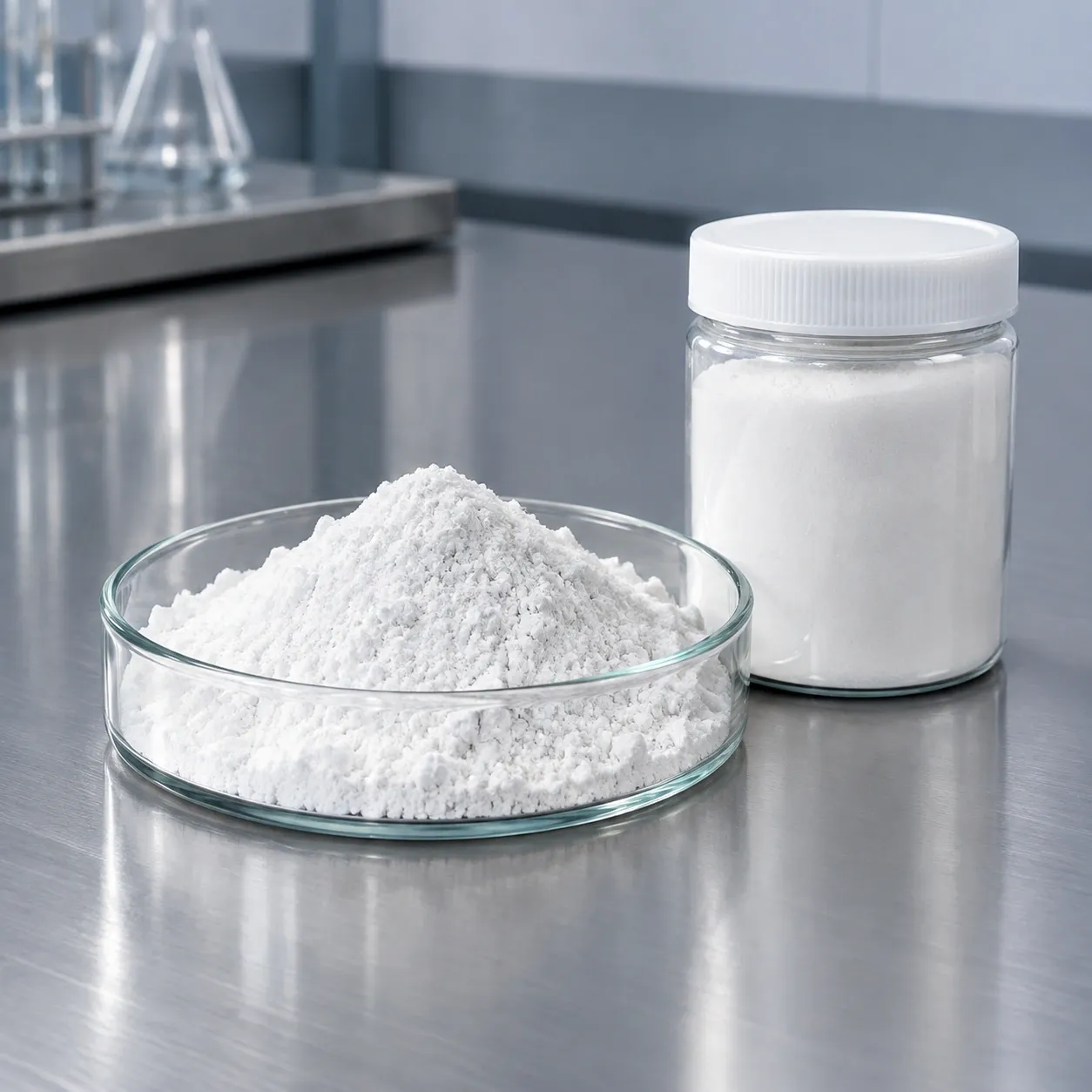
High-whiteness cristobalite filler for engineered quartz slabs, supplied in controlled mesh grades with low moisture and application-focused quality documentation.
Specifications
- SiO2
- ≥99.2–99.6%
- Fe2O3
- ≤0.03–0.08%
- Whiteness
- L* ≥92
- Moisture
- ≤0.10%
- Typical mesh
- 100–1250 mesh
- Specific gravity
- approx. 2.33
Product overview
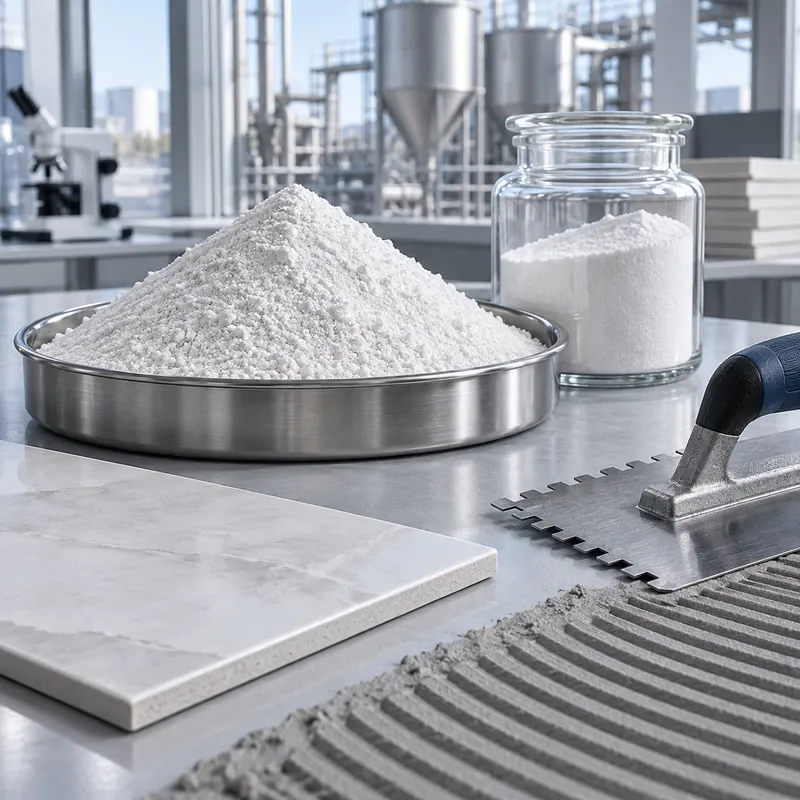
Our calcined cristobalite flour is intended for engineered quartz slab manufacturers that need a bright, controlled mineral filler for the slab matrix. It can be evaluated alongside graded quartz aggregates to tune surface appearance, packing behavior, color consistency and resin demand in the customer’s own formulation.
The right grade depends on the slab design and process. Solid white, light grey, translucent and sparkle series may require different filler mesh, aggregate balance, resin ratio and mixing conditions. The values below are typical reference ranges only; the selected grade and each shipment should be confirmed against the current technical data sheet and batch COA.
Typical specification range
| Property | Typical reference | What to confirm before approval |
|---|---|---|
| SiO₂ content | ≥ 99.2–99.6% | Current grade COA and test method |
| Fe₂O₃ | ≤ 0.03–0.08% | Color-sensitive limit for the customer’s slab series |
| Whiteness | L* ≥ 92 | Measurement method and agreed acceptance value |
| Moisture | ≤ 0.1% | Packing, storage and pre-mixing condition |
| Loss on ignition | ≤ 0.2% | Current grade result |
| Filler particle size | 100–1250 mesh | D10/D50/D90, top cut and sieve residue |
| Specific gravity | Approximately 2.33 g/cm³ | Grade-specific value |
| Mohs hardness | Approximately 6.5 | Application screening requirement |
Specification note: These are industry-typical ranges supplied for grade discussion, not a universal production guarantee. We confirm the actual chemistry, whiteness, moisture and particle-size distribution for the quoted grade by COA.
Why use a cristobalite filler in quartz slabs?
Bright color control for light surfaces
Low-iron, high-whiteness mineral filler gives the formulator a cleaner starting point for white, off-white and light-grey slabs. The final appearance still depends on the complete mineral blend, pigments, resin, curing profile and polishing process, so color approval should be made on a finished-slab trial rather than from powder color alone.
Filler PSD that can be matched to the slab recipe
Fine cristobalite flour occupies the matrix fraction around the larger aggregate particles. A controlled mesh range helps the buyer compare packing, mixing torque, viscosity and surface finish when the resin ratio is adjusted. The useful control point is not simply “fine powder”; it is the complete PSD window and its repeatability from lot to lot.
A defined mineral package instead of an isolated powder
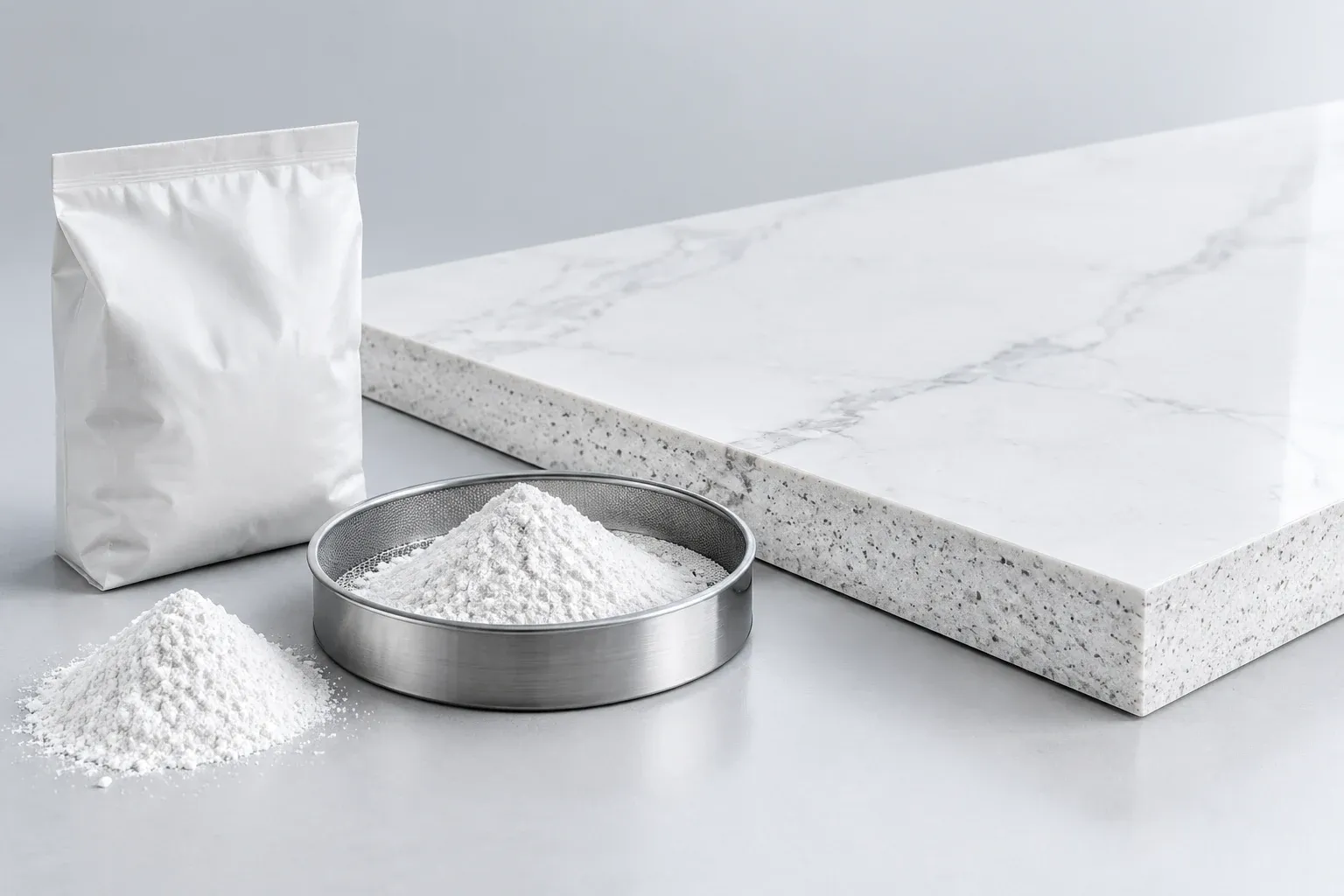
For slab production, the filler works as part of a mineral system. We can discuss a matched package of fine cristobalite flour plus medium and coarse quartz aggregates, with the customer’s target color, mesh windows and COA format used as the starting point. See the related graded quartz sand aggregates for engineered stone slabs.
Grade selection by slab design
| Slab requirement | Starting discussion point | Customer trial focus |
|---|---|---|
| Solid white or light grey | High-whiteness fine filler | Color, dispersion, surface pinholes and polish |
| Marble-look designs | Fine filler plus selected medium aggregate | Vein definition, background uniformity and packing |
| Translucent effects | Controlled fine fraction with compatible aggregate blend | Light transmission, resin wet-out and cured appearance |
| Sparkle or coarse visual texture | Fine matrix filler plus graded coarse particles | Particle distribution, segregation and surface exposure |
Practical qualification workflow
- Send the current filler specification, target slab color and resin system.
- Confirm the requested filler mesh range and the customer’s test method for chemistry, whiteness and moisture.
- Compare the proposed grade in a controlled lab batch against the current filler at the same mineral loading.
- Record mixing behavior, vacuum performance, curing response, slab color, polish quality and reject observations.
- Freeze the approved grade, packing method, COA fields and acceptance limits before repeat orders.
Quality documents and supply discussion
Each quotation should be based on a grade, not only on the product family name. Please share the target filler PSD, monthly requirement, packaging preference, destination port and any required COA, SGS or MSDS format. We can then confirm the available grade and the documents that apply to the shipment.
Packaging and MOQ are confirmed with the quotation because they depend on the selected grade, shipment plan and customer requirements. Do not treat generic 25 kg bags, jumbo bags or full-container quantities as a fixed promise until they are confirmed for the order.
FAQ
Can you match an existing quartz-slab filler specification?
Yes. Send the current TDS or a recent COA with the target mesh, whiteness, chemistry and moisture limits. We can use it to screen the closest grade and define a trial comparison.
Is the typical specification a guaranteed production value?
No. The table is a grade-screening reference. The quoted grade and shipment lot must be checked against the applicable COA and the customer’s agreed acceptance limits.
Can cristobalite flour be supplied with quartz aggregates?
Yes. A combined mineral package can be discussed when the slab maker wants coordinated filler and aggregate size windows, color control and one documentation set for the shipment.
What information should be included in an RFQ?
Please include the slab series, target color, filler mesh or PSD, mineral-to-resin ratio, monthly tonnage, packing preference, destination port and required technical documents. A current COA is useful for matching.
Request a quote
For a grade recommendation, use the Request a Quote form and attach the current specification or COA if available. We will review the application window before confirming the grade, sample route and commercial packing.