EV Power-Module Potting: A Fused Silica Qualification Plan for Voids and Dielectric Checks
A practical fused silica qualification plan for EV power-module potting that links dispensing, vacuum filling, void inspection and electrical checks.
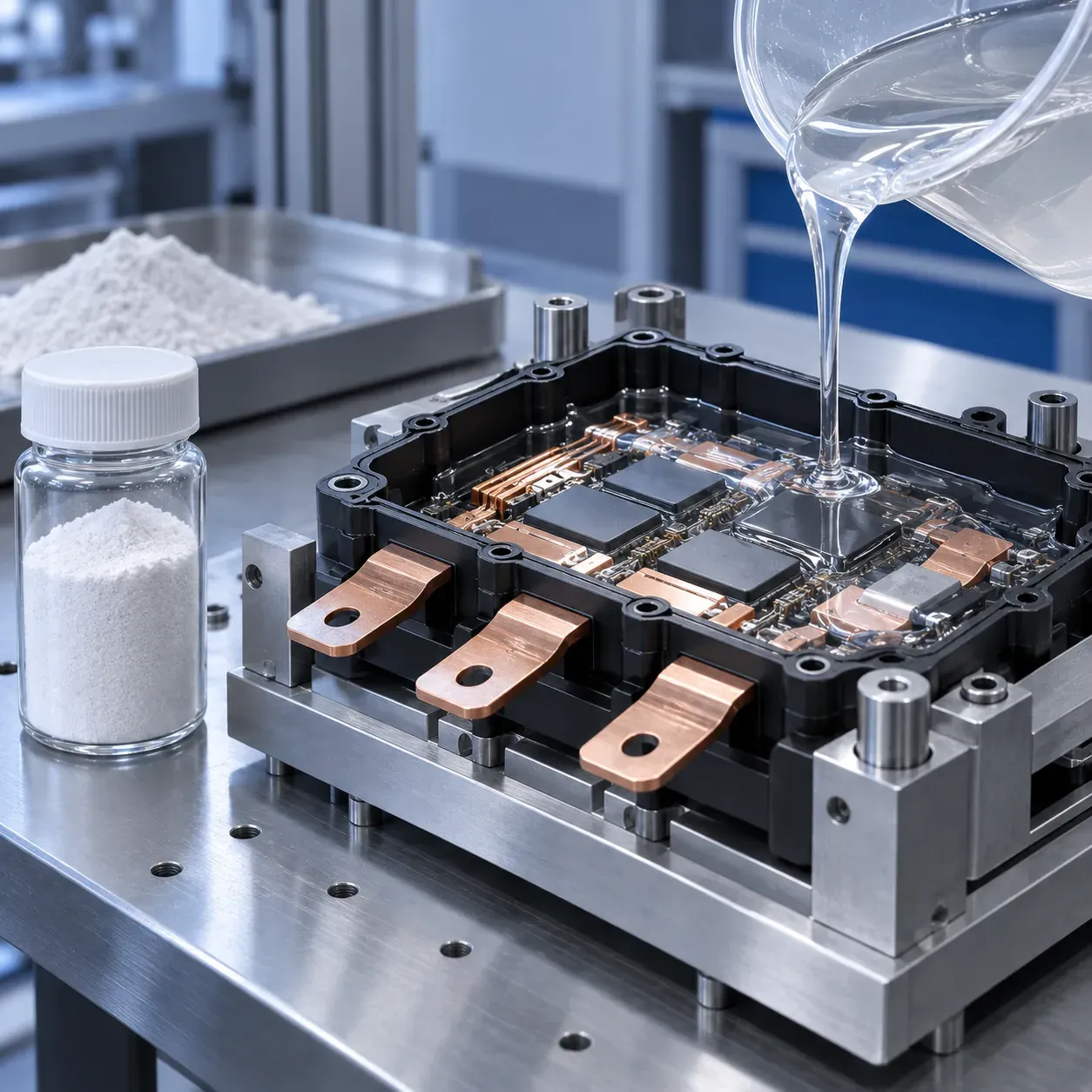
For EV power-module potting, a filler decision has to be verified in the actual dispensing, vacuum and electrical-check sequence.
Scope: a qualification plan for fused silica powder in epoxy potting compounds. It does not claim a void rate, dielectric result or thermal performance for every design. Confirm grade-specific parameters by the current TDS/COA and validate the full assembly by customer trial.
Start with the assembly, not an isolated filler claim
Wide-bandgap and compact power-electronics designs make packaging and module integration part of the engineering conversation. For potting, the useful comparison is a controlled system: material lot, resin, mix procedure, dispensing geometry, vacuum condition and electrical test method.
| Control point | What it can influence | Record with the trial |
|---|---|---|
| Fused silica grade and lot | Material identity and the documented PSD/purity basis. | Current TDS/COA, retained sample and receiving condition. |
| Resin and mix route | Flow, wetting and the repeatability of the compound preparation. | Loading, sequence, time and temperature used. |
| Module fill process | How the material enters the specific cavity and interfaces. | Dispense path, vacuum conditions and cure schedule. |
Build the qualification from dispensing to the finished module
- Set a baseline: retain an approved or current formulation as the control.
- Run a controlled fill: vary only the stated filler-grade or loading decision while keeping the cavity, dispense path and vacuum plan recorded.
- Inspect the build: use the customer-approved non-destructive method and any defined sectioning plan.
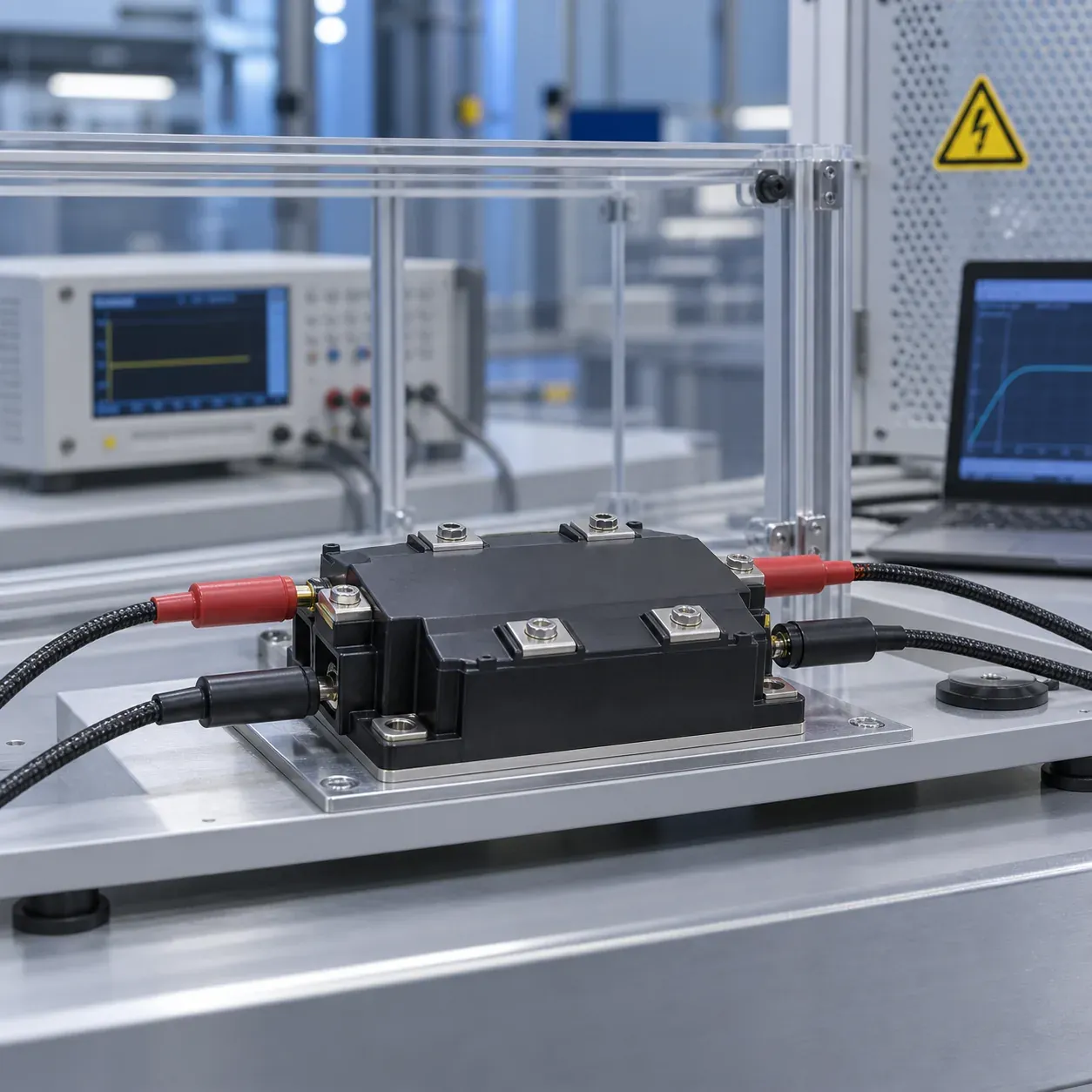
- Perform electrical checks: use the actual module fixture, test condition and acceptance method.
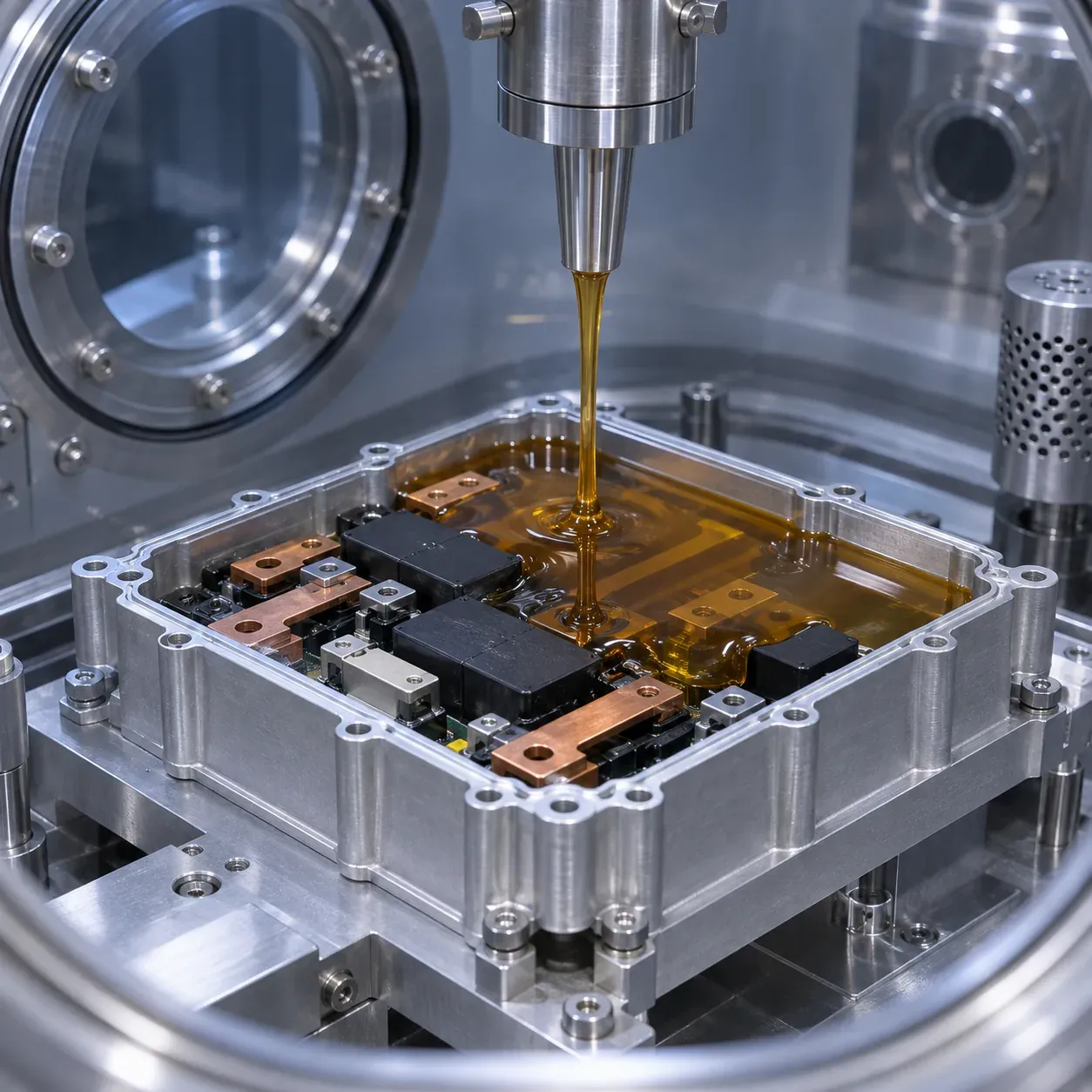
Void inspection needs a defined reference build
An image of one assembly is not a complete outcome. Make the comparison useful by documenting the same module geometry, resin, fill sequence and inspection settings for every evaluated build. Keep the image files and method settings with the formulation record.

Electrical checks belong to the customer’s component method
Electrical insulation, withstand or partial-discharge checks should not be inferred from powder information. The engineering file should identify the assembly, fixture, connections, conditioning and pass/fail rule before testing starts.
Related Changtong Products
For grade-specific discussion, see Fused Silica Powder for EV Power-Module Potting Compounds. The product page is a starting point; final material suitability remains subject to current TDS/COA and customer trial.
FAQ
Can powder data confirm a void-free module?
No. The result depends on the full resin, processing and cavity system. Verify it in a documented component trial.
What should be compared between trial lots?
Keep the material lot, PSD documentation, moisture handling, formulation, vacuum condition and inspection method traceable.
Can one module result transfer to another housing?
Not automatically. A change in geometry, interfaces or test fixture can require a new review.
Request a Power-Module Potting Review
Provide the resin family, module geometry, filler target, trial quantity and required quality documents. We will align the inquiry with the appropriate fused silica grade record.
Request a QuoteReference material: U.S. Department of Energy power-electronics R&D. Industry references support context only; they are not Changtong test data.