Fused Silica Refractories: Qualify Alkali Exposure Separately
Screen fused silica refractories against the actual alkali deposit, temperature and exposure route. Low expansion does not prove corrosion resistance.
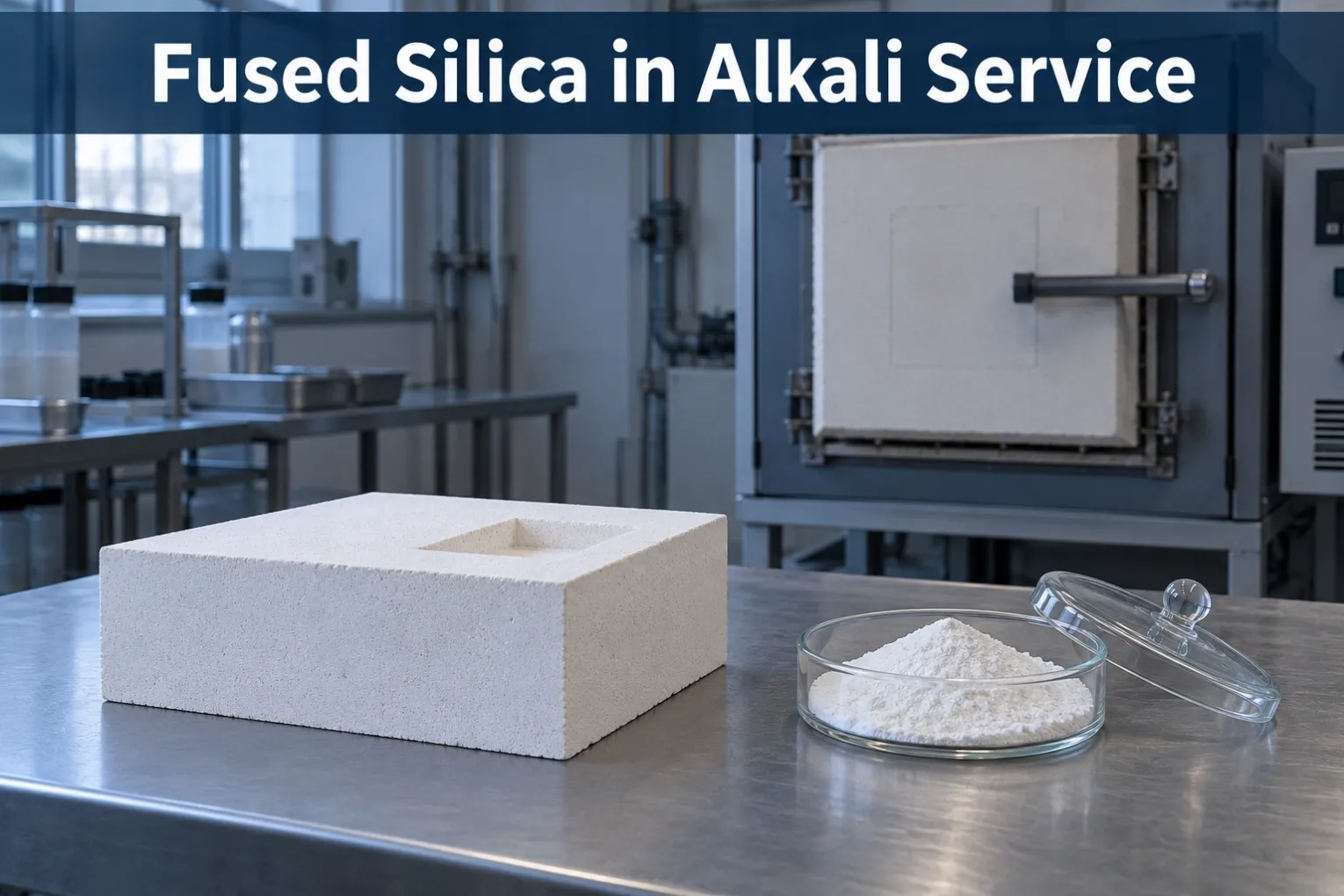
A refractory can tolerate repeated heating and still lose material where an alkali-rich deposit reaches it. Thermal cycling and chemical exposure are separate approval gates. For fused-silica-containing castables, a low-expansion raw material is a starting point for formulation, not a corrosion certificate.
Changtong technical guide · · Industrial Application Guides
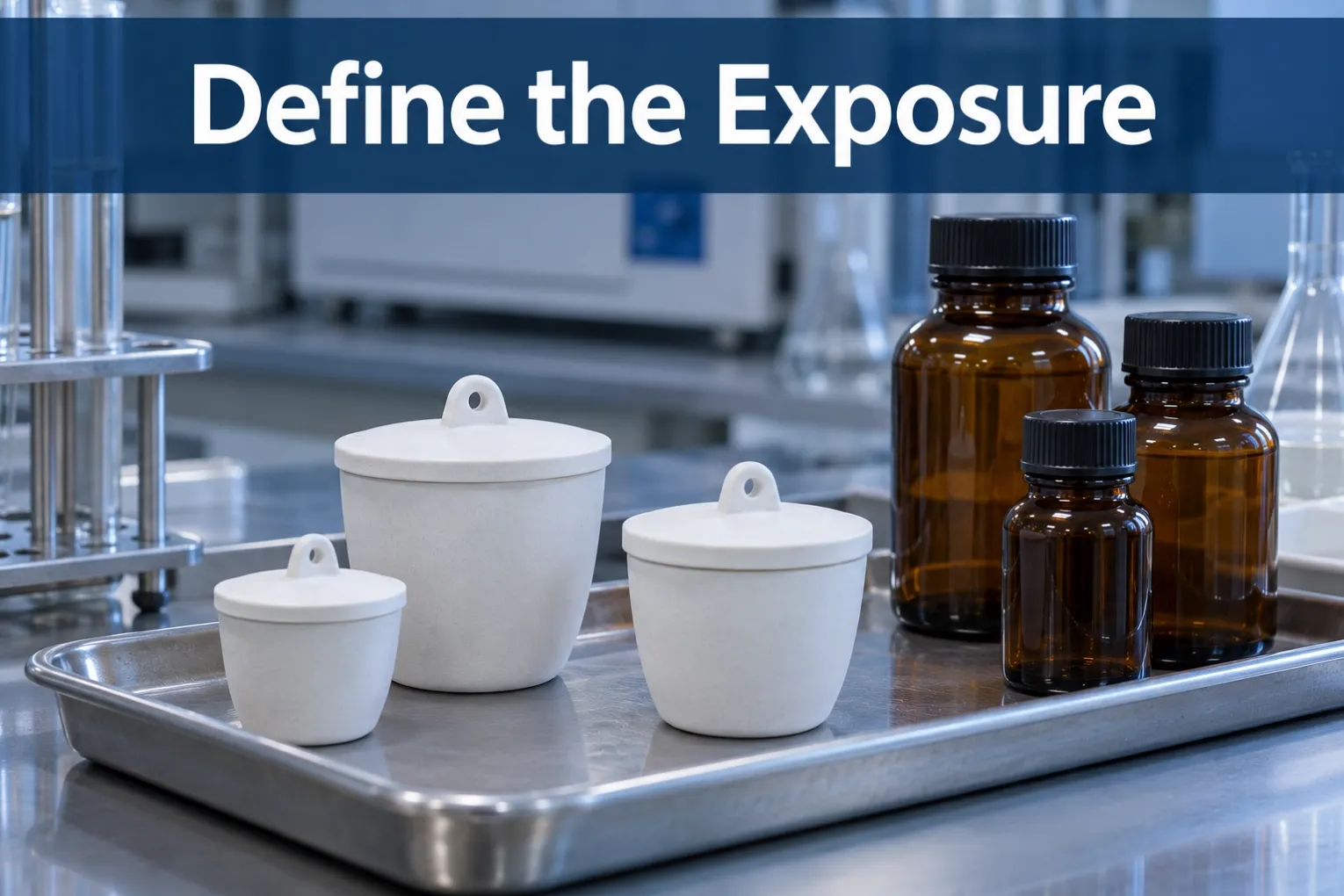
Describe What Actually Contacts the Lining
Identify the deposit or medium using service records or a representative analysis. Distinguish a liquid slag, solid deposit, vapor-rich atmosphere and intermittent splash. Record the local temperature history and whether exposure changes during start-up, cleaning or a feedstock change. A generic description such as alkaline service leaves too much undefined.
Avoid importing an aqueous-pH result into a high-temperature molten-salt decision. The exposure route and the complete formulation matter. Discuss chemical compatibility with the refractory designer before treating a silica-bearing mix as a drop-in replacement for an existing lining.
Separate Raw-Material Purity from Composite Resistance
Changtong's castable product supplies fused silica powder for recipe development. Its phase identity and grade evidence help control the starting mineral, but the fired refractory also contains a binder, other solids, pores and interfaces. A clean powder chemistry does not describe how a corrosive medium penetrates that body.
A 2025 study, Research on the alkali resistance of fused silica and typical Al2O3-SiO2 refractories, reports comparative potassium-carbonate exposure of several refractory materials. That is a reason to define chemical exposure explicitly. It is not evidence that every fused-silica formulation passes or fails a particular plant duty. The accessible source information does not justify transferring an erosion ranking or lifetime to Changtong powder.
| Evidence | Question answered | Boundary |
|---|---|---|
| Powder phase and chemistry | What mineral entered the recipe? | Not the fired body's corrosion resistance |
| Controlled exposure coupon | How does this prepared body respond to this medium? | Not a universal alkali or service-life rating |
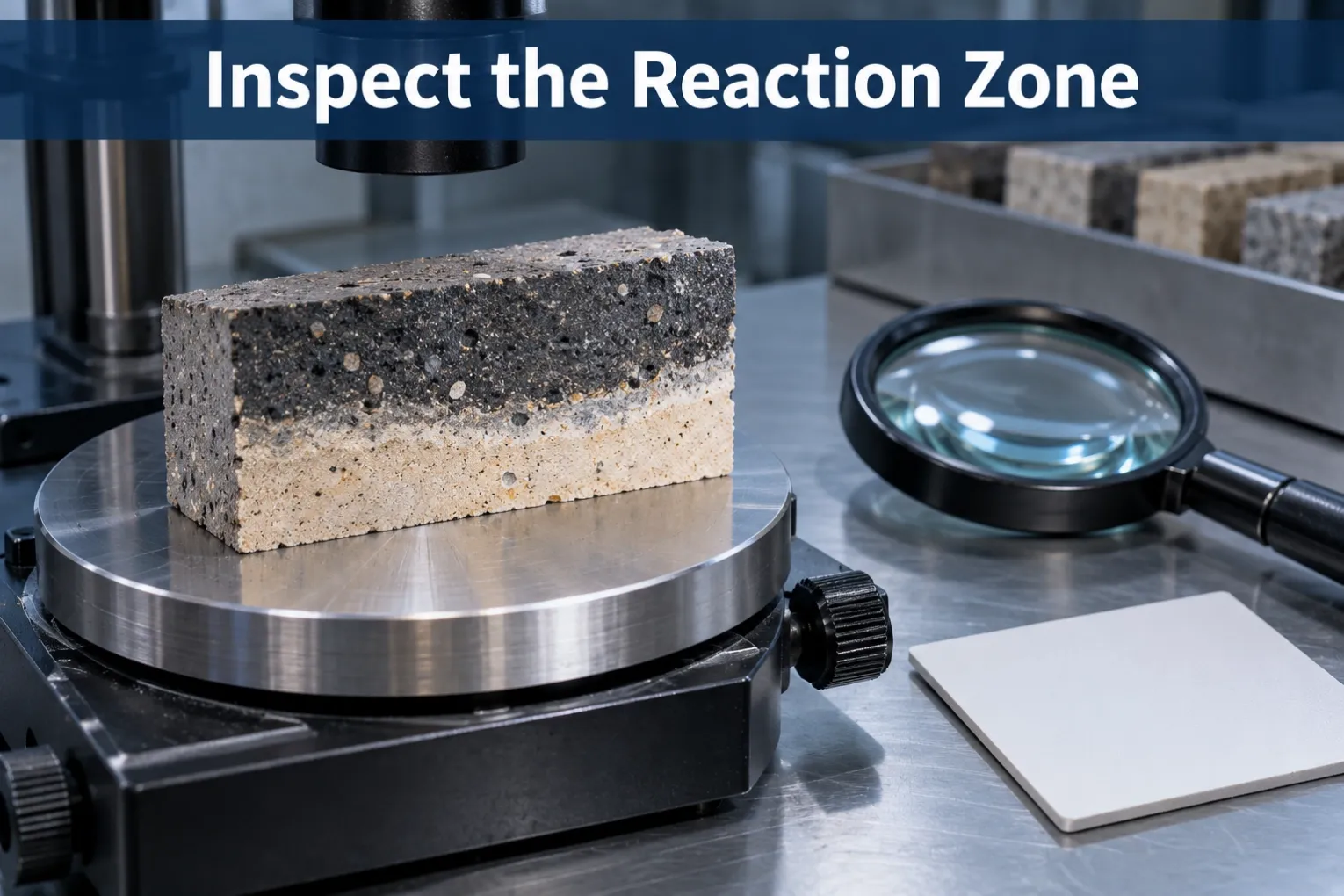
| Section and residual-property assessment | Where did reaction or penetration occur? | Requires matched preparation and measurement |
Design a Coupon Test Around the Failure Route
Have a qualified laboratory and refractory specialist select a test representing the relevant contact route. Prepare the approved formulation control and candidate under documented mixing, curing, drying and firing histories. Use the same exposure conditions and retain an unexposed reference. Define the acceptance evidence before seeing the specimens.
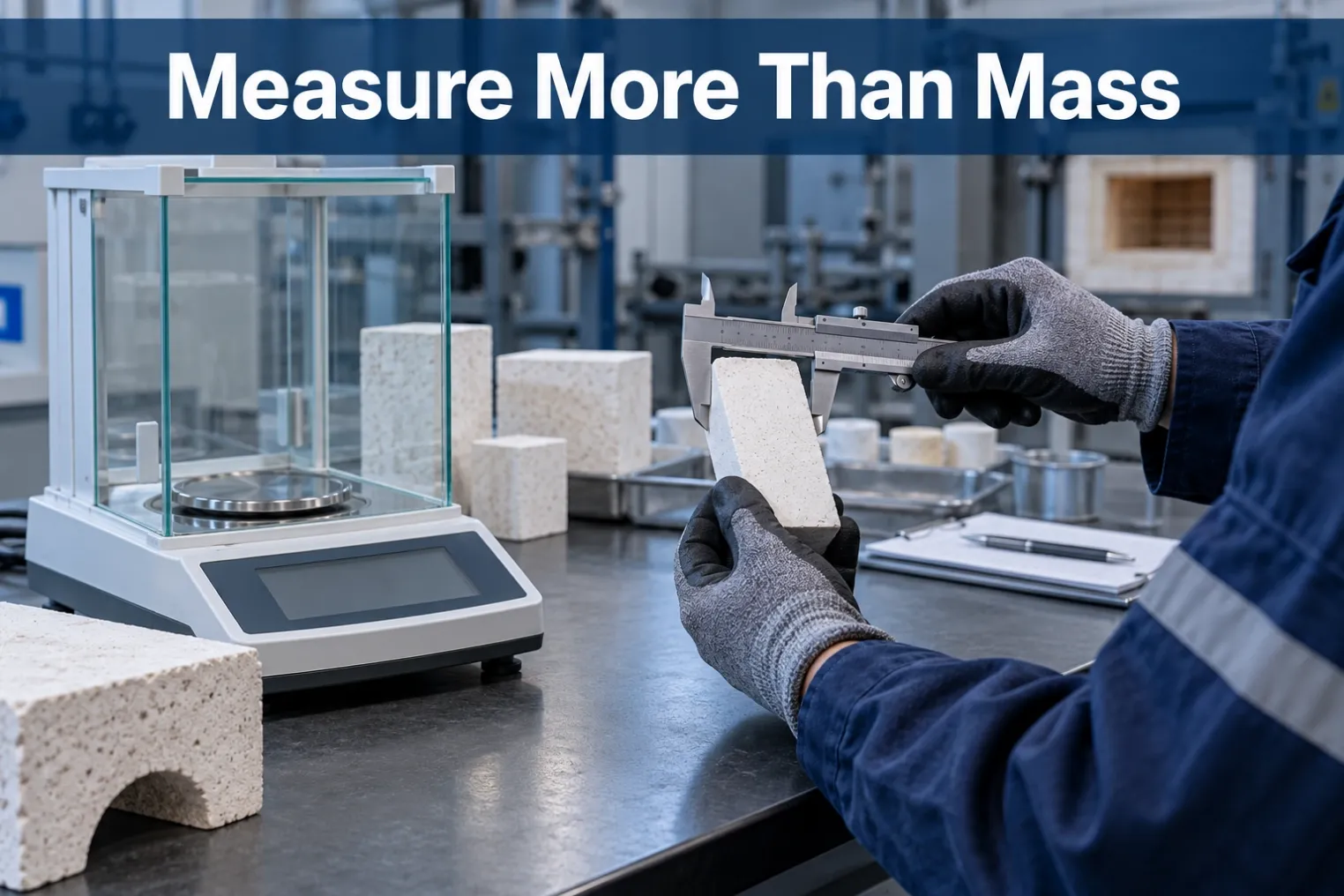
Do not rely on mass change alone. Deposits retained in pores or a reaction layer can complicate interpretation. Combine suitable dimensional measurements with cross-section inspection, penetration or reaction-zone assessment and the required residual properties. The choice of measurements should follow the service failure being prevented, rather than a desire for one favorable number.
Create a Hold Point Before a Plant Trial
Release to a limited service trial only after the agreed exposure screen and thermal requirements are considered together. Record what was changed: powder grade, loading, binder, firing or application conditions. A candidate that changes several variables needs its own formulation identity.
An RFQ should therefore include the castable route, the contacting medium, local temperature-time conditions, current failure description and requested mineral documentation. If those conditions are not known, the responsible next step is gathering them. Neither an unsupported maximum temperature nor a generic low-expansion claim can close the chemical-compatibility question.
No Changtong alkali-corrosion trial or lifetime claim is presented. The workflow is engineering guidance; specialist laboratory exposure work is required for the customer's lining.
Frequently Asked Questions
Does high silica purity guarantee alkali resistance?
No. Chemical contact and the complete refractory body require their own qualification.
Can a thermal-shock test replace an exposure test?
No. The dominant chemical failure route may remain untested.
Is there one universal pass temperature?
Not for an unspecified composition, medium and exposure duration. Agree the actual duty and test basis with the designer.
Related products
Fused Silica Powder for Refractory CastablesRelated technical guides
Fused silica firing atmosphere and devitrification comparisonReferences and Evidence Limits
- Original research, Construction and Building Materials (2025), DOI 10.1016/j.conbuildmat.2025.143541
- Åbo Akademi research record: alkali-salt interaction with alumina-silica refractories
Public source descriptions checked on 22 October 2026. References support the stated subject and method boundaries; they are not Changtong test certificates. Consult the applicable full method for execution.
Request a Quote
Describe the binder, contacting deposit, exposure route, service temperature history and existing failure before discussing a fused silica grade.
Request a Grade Review and Quote