Natural-Quartz-Derived Hydrophobic Silica for Resin Encapsulation: A Practical Screening Guide
Screen natural-quartz-derived hydrophobic silica for resin encapsulation using matched wetting, viscosity, particle-size and cured-composite checks.
For resin encapsulation, the useful question is not whether a silica powder is labelled “hydrophobic,” but whether its material identity and surface condition produce a repeatable processing window.
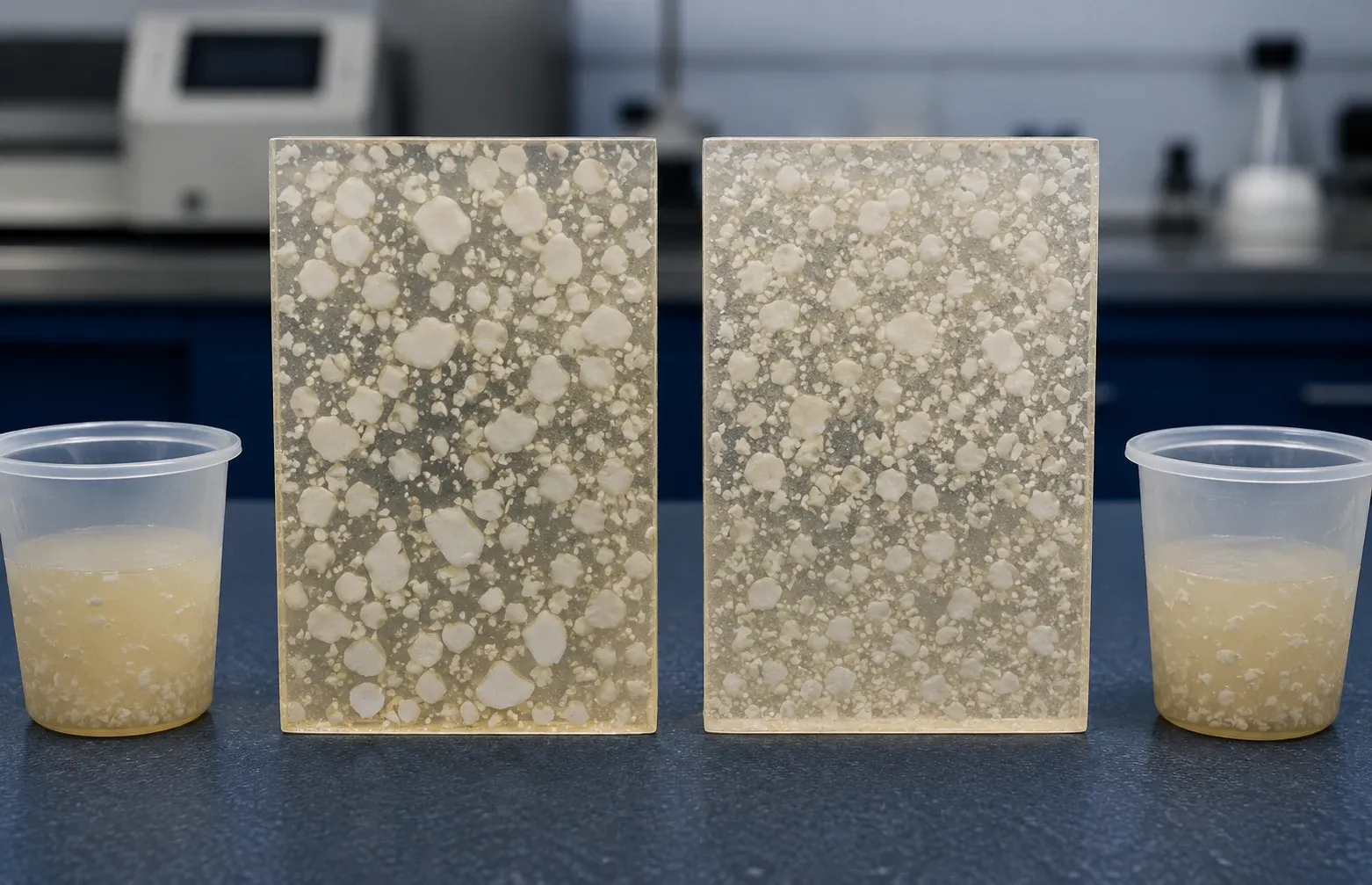
Build the review as an evidence chain: verify the natural-quartz route, observe wetting and temperature response, check particle packing during dispensing, then examine the cured specimen. A retained control and a written test record make the comparison more useful than a single powder claim.
Last updated:
What Natural-Quartz-Derived Means in a Resin Filler
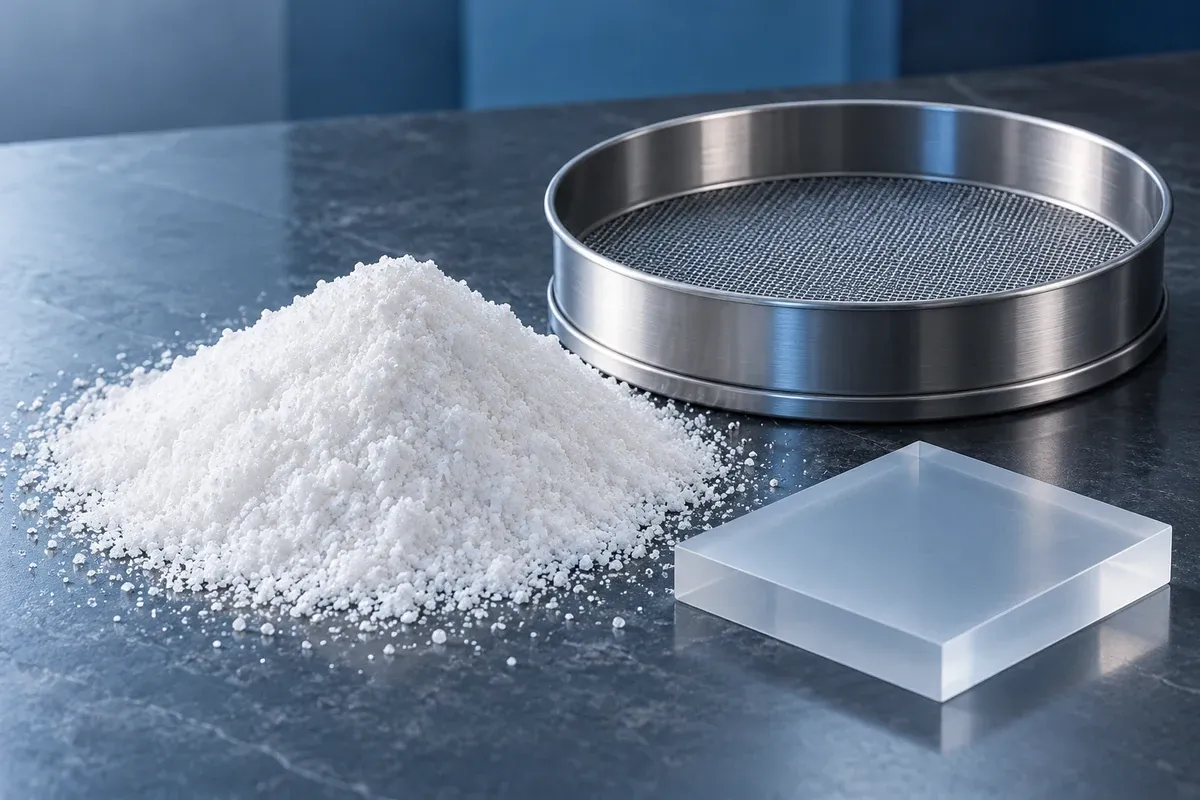
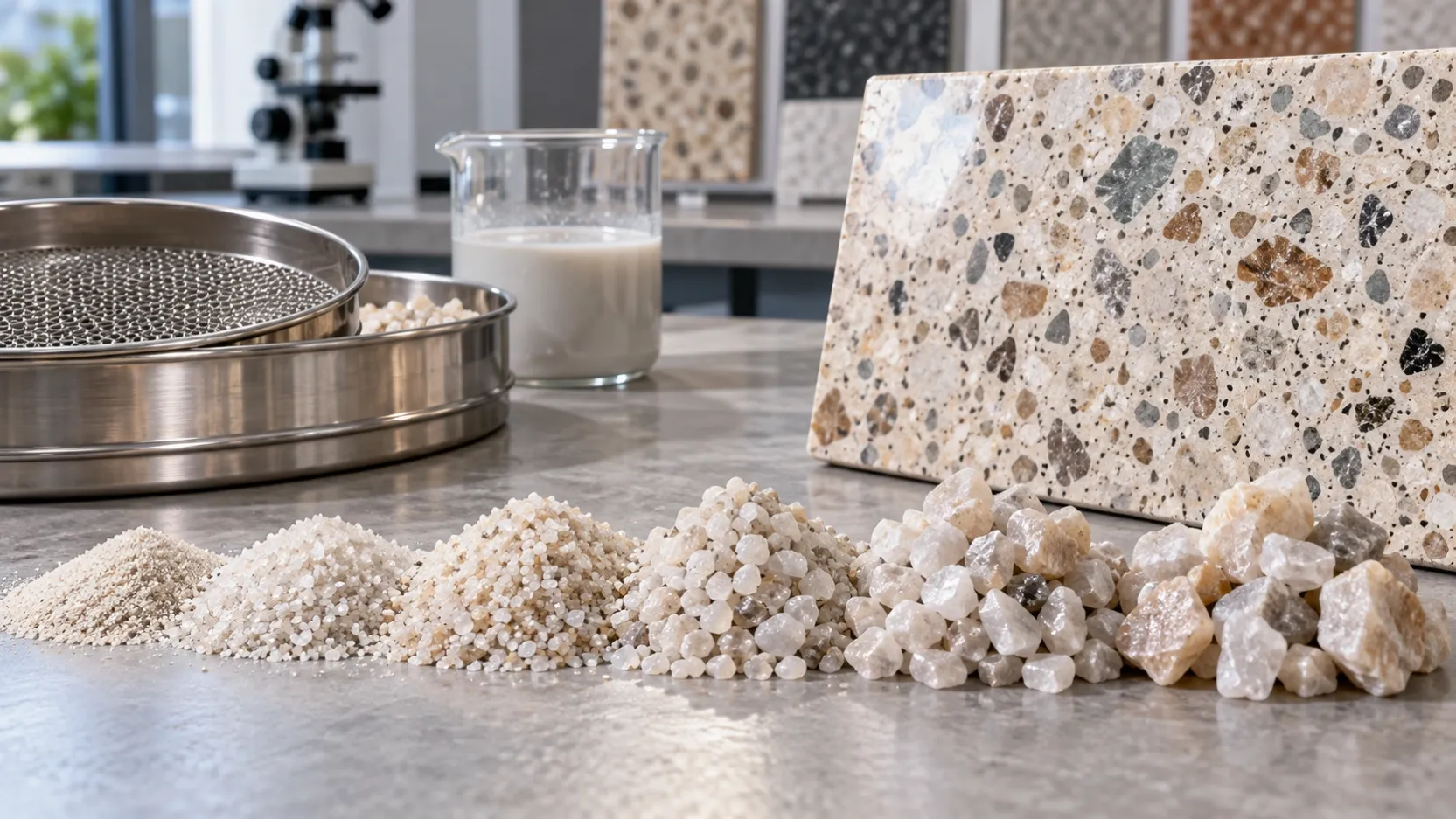
Natural-quartz-derived silica is a ground mineral filler. Its material route is based on selected quartz, physical size reduction, classification and surface treatment. This is different from precipitated silica or fumed silica, which are separate synthetic material families with their own production descriptions and specification logic. They should not be combined under one generic “silica powder” label when a formulator compares suppliers.
The source route does not make one filler universally better. It tells the engineering team what to request and compare: mineral identity, chemistry limits, particle-size distribution, moisture condition, treatment status, lot traceability and the method used for each reported value. For the product connected to this guide, review Changtong’s natural-quartz-derived hydrophobic silica powder for EV battery module encapsulation.
| Material route or description | What the buyer should document | Why it matters in encapsulation |
|---|---|---|
| Ground natural quartz | Quartz source, grinding route, classification, chemistry, moisture and lot identity | Defines the mineral filler basis and makes supplier-to-supplier comparisons traceable. |
| Hydrophobic surface-treated mineral | Treatment status, agreed treatment description and the method used to assess wetting or moisture response | Surface condition can influence resin wetting, agglomeration and process stability. |
| Precipitated or fumed silica | Separate product family, production description, particle or agglomerate data and application evidence | These materials should not be treated as interchangeable with ground quartz without a controlled trial. |
Hydrophobic Treatment: A Starting Point for Wetting Tests
A hydrophobic surface treatment gives the formulator a specific variable to investigate when filler wetting, moisture response or high loading is limiting the process. It is most informative when the treated mineral is compared with an untreated reference from the same material route, using the same binder, addition order and mixing energy.
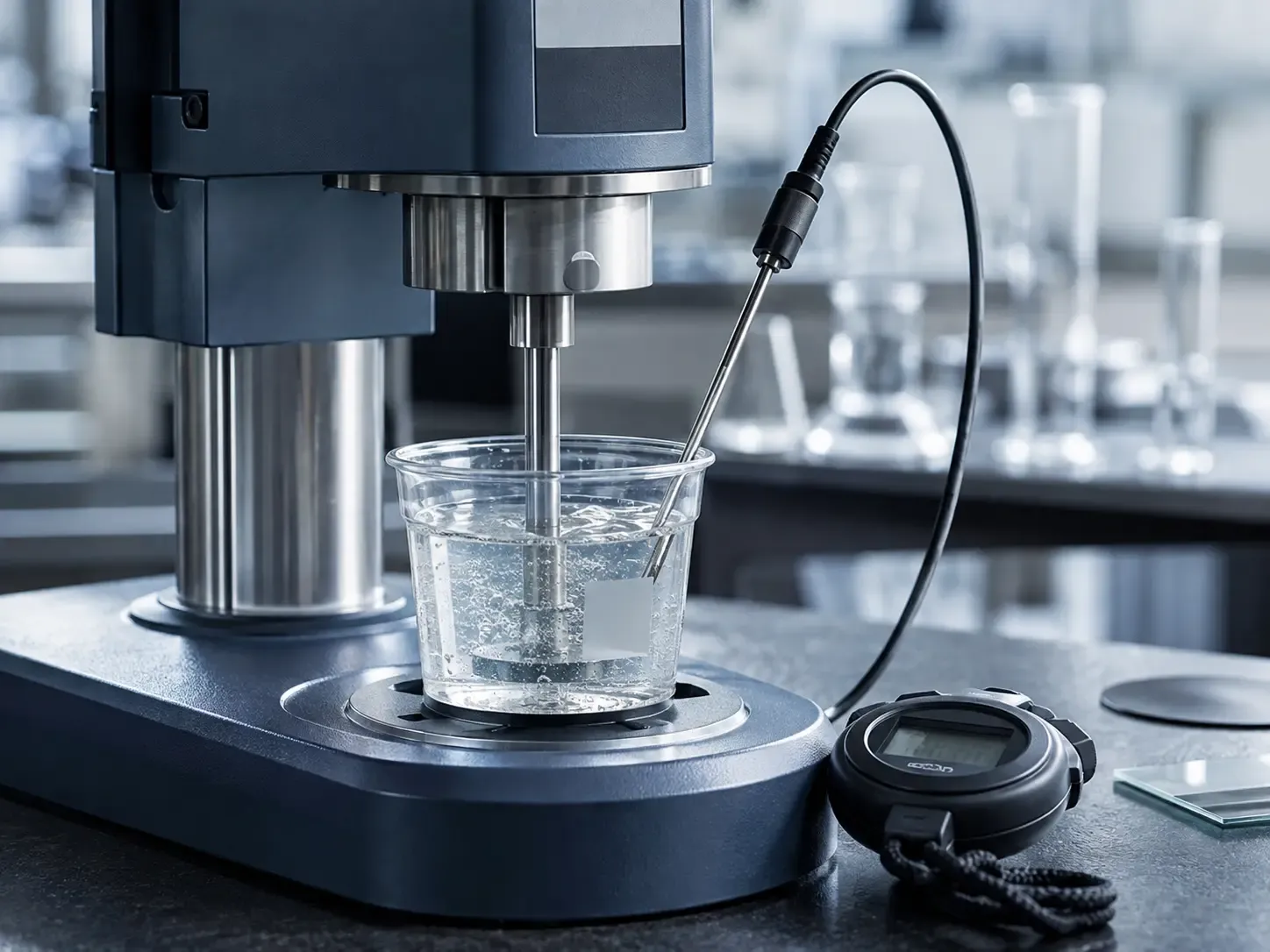
A water-drop observation is only a surface screen. It does not predict how the powder will behave in a resin with a different polarity, temperature or cure chemistry. Record the time to incorporate, visible agglomerates, temperature rise and any change in flow during the real formulation trial.
How to Read Low Oil Absorption in a Resin Trial
Oil absorption is often used as a practical indicator of how much liquid a powder structure can take up during a standardized paste test. It can help a buyer compare filler lots or candidate grades, but it is not a direct substitute for viscosity data in an epoxy, polyurethane or silicone formulation. Binder chemistry, filler loading, particle packing, temperature, mixing energy and treatment level all affect final flow behavior.
For a controlled comparison, report the oil absorption method and compare the result with an agreed reference sample. ISO 787-5:2026 describes a general method for determining oil absorption of pigments and extenders, while ASTM D281 covers oil absorption of pigments by a spatula rub-out procedure. These standards help define the test; they do not set a universal acceptance value for every resin application.
| Screening property | Suggested observation | Decision boundary |
|---|---|---|
| Oil absorption | Method, result, reference sample and lot number | Use it for comparative screening; do not convert it directly into a finished-resin viscosity claim. |
| Viscosity build | Initial viscosity, working-time change and dispense pressure at a defined temperature | Judge against the customer's equipment and filling window. |
| Dispersion | Wetting time, agglomerate count, microscopy or a defined drawdown/film check | Use the same mixing order, shear history and observation method for every candidate. |
| Air release | Incorporation of trapped air under the defined pressure or vacuum step, followed by post-cure imaging | Keep vessel geometry, hold time, sample thickness and cure sequence fixed before comparing candidates. |
Particle Size, Packing and the Dispensing Window
Particle size becomes a process boundary when the filler must pass through a nozzle, occupy a defined gap or remain stable before cure. Instead of asking whether a grade is simply “fine,” map the distribution to three observations: clearance through the dispensing path, packing at the target gap and the time-dependent risk of settling.
Do not approve a grade from a nominal mesh name alone. Ask for the particle-size method, reporting basis and distribution used for the purchase decision. ASTM C371 covers wire-cloth sieve analysis for nonplastic ceramic powders including silica. For finer material, agree in advance whether sieve, laser diffraction or another method controls the decision, because sample preparation can change the reported distribution.

A Controlled Trial from Powder to Cured Composite
1. Translate the application into measurable gates
Write down the resin family, hardener, target loading, gap, dispensing path, working-time limit, cure profile and conditioning state. These are the gates the candidate grade must pass.
2. Set a control
Compare the hydrophobic mineral with an agreed current grade or untreated control. Change one principal variable at a time so that the result can be attributed to the material or process change.
3. Normalize the process
Keep powder conditioning, addition order, temperature, mixing speed, mixing time and vacuum step constant. Record the actual values rather than only the equipment name.
4. Capture the process signature
Record incorporation time, temperature trend, agglomerate observations, viscosity at the chosen test points, working time and air-release response. If oil absorption is used, keep its method beside the result.
5. Apply the customer's release criteria
After cure, review the filled specimen against the agreed adhesion, hardness, dimensional, moisture, thermal and electrical criteria. The acceptance decision belongs to the complete composite and its conditioning history.

Documents to Request Before Sampling
A practical technical review should combine documents rather than rely on a single brochure statement. Request the applicable TDS, COA and SDS, then confirm that the documents describe the same product family, grade and lot.
| Document or data item | What to confirm | Why it supports the decision |
|---|---|---|
| Material identity and route | Natural quartz, grinding, classification and surface-treatment status | Prevents ground mineral silica from being confused with precipitated or fumed silica. |
| Particle-size data | Distribution, test method, sample preparation and nominal mesh or micron range | Connects filler selection with gap filling, packing and dispensing behavior. |
| Moisture and lot records | Moisture method, storage condition, packaging and lot traceability | Supports investigation of wetting, air release and batch-to-batch variation. |
| Oil absorption data | Method, reference sample and acceptance basis | Keeps a comparative powder indicator separate from finished-resin viscosity. |
| Safety documents | Current SDS and handling requirements for the exact grade and destination | Allows the facility to align material handling with its own EHS program. |
For a broader formulation brief covering hydrophobic silica selection in resin systems, read our guide to choosing hydrophobic silica powder for resin formulations. This article adds the separate source-route and encapsulation screening points needed for a natural-quartz-derived grade.
Frequently Asked Questions
Is natural-quartz-derived hydrophobic silica the same as fumed silica?
No. The product described here is a ground mineral filler made from natural quartz and then surface-treated. Fumed silica and precipitated silica are separate synthetic material families and require their own specifications and controlled comparisons.
Does hydrophobic treatment guarantee low viscosity in every resin?
No. Viscosity depends on resin chemistry, filler loading, particle-size distribution, treatment level, temperature, mixing energy and air-release process. The finished compound must be tested in the customer's formulation.
Can low oil absorption be used as a guarantee of high dispersion?
No. Oil absorption is a comparative powder test. Dispersion still depends on surface treatment, binder compatibility, mixing order, shear and powder condition before compounding.
Where does this filler sit in an EV battery program?
It belongs to the resin-side materials review for encapsulation, sealing or insulation. It is not an electrochemical active material or a finished-module qualification; those decisions require the complete battery design, process and validation plan.
References
- ISO 787-5:2026 — General methods of test for pigments and extenders, Part 5: Determination of oil absorption value.
- ASTM D281 — Standard Test Method for Oil Absorption of Pigments by Spatula Rub-Out.
- ASTM C371 — Standard Test Method for Wire-Cloth Sieve Analysis of Nonplastic Ceramic Powders.
Request a Natural-Quartz-Derived Filler Review
When requesting a grade review, include the binder and hardener, desired loading, gap, particle-size range, mixing and cure conditions, moisture limit and required documents.
Contact Changtong technical sales