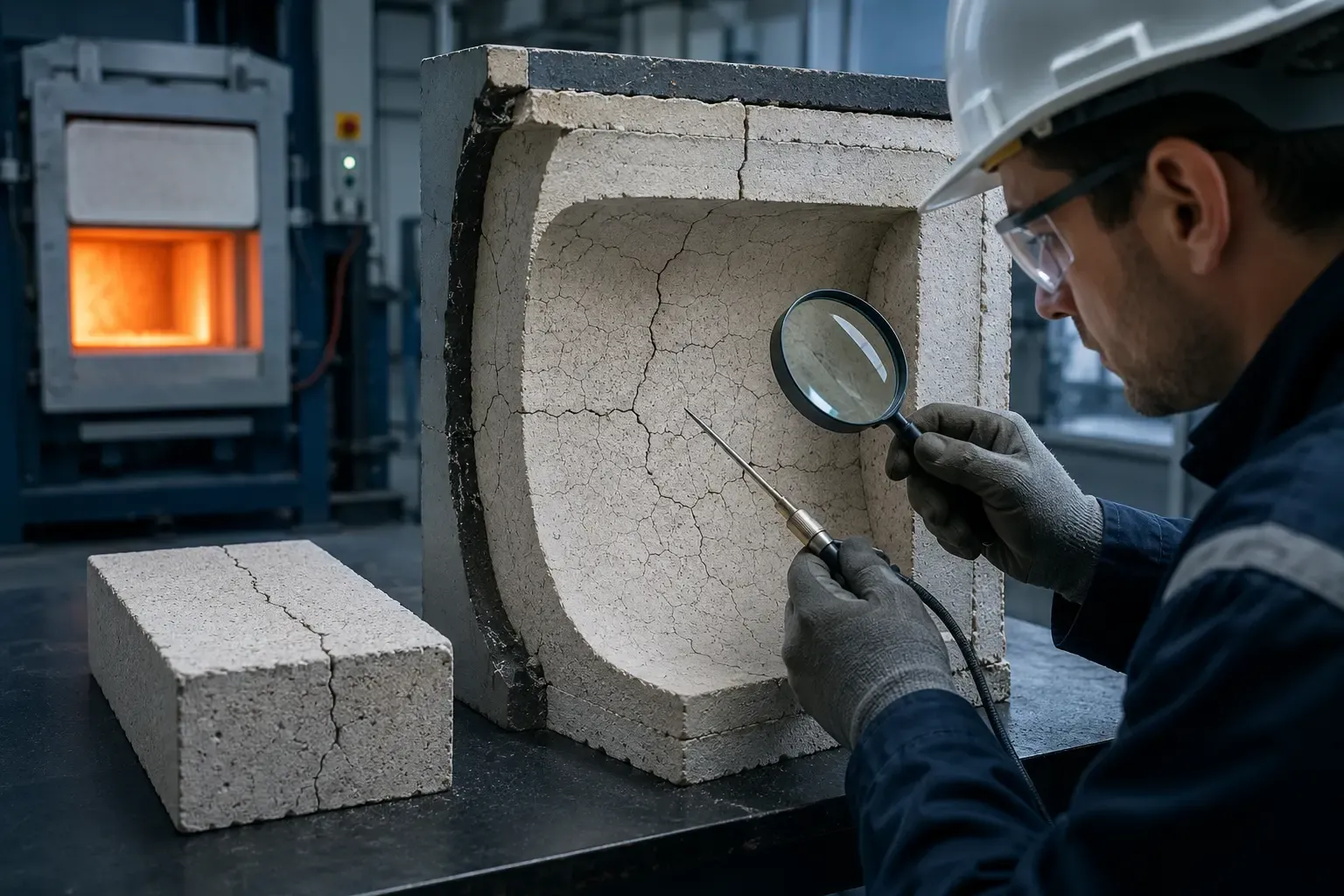
Polyester Composite Filler Selection: Wet-Out, Settling, and Finish Checks
A practical screening route for quartz filler in polyester composite compounds, covering wet-out, settling, cure control, surface finish and repeat-order evidence.
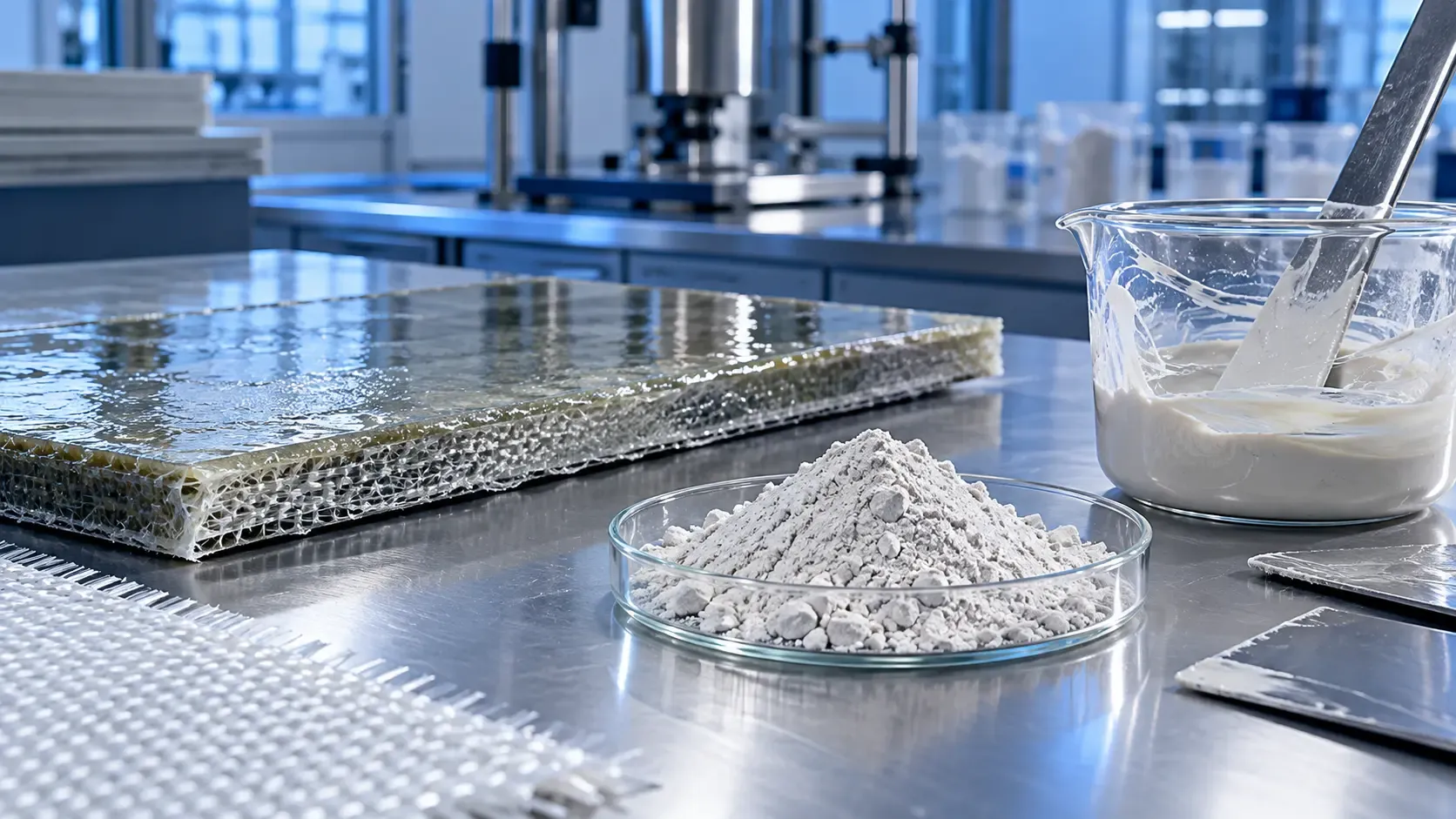
Mineral filler selection in polyester composites is not only a price calculation. The buyer must see how the candidate wets into the resin, settles during the working window, affects sanding or surface finish, and behaves in the actual molding route.
This guide covers trial planning for ground crystalline silica or similar mineral filler candidates in polyester composite systems. It does not promise a universal viscosity, cure time, strength, shrinkage or surface finish.
Composite buyers often receive conflicting advice: one supplier emphasizes whiteness, another emphasizes fineness, and a third promises easy dispersion. The useful comparison is narrower. Start with the resin system and molding route, then record wet-out, settling, cure and finished-surface observations using the same control formulation.
Ground crystalline silica should also be kept distinct from fumed silica and from chopped or milled glass fiber. Their roles in a polyester compound are not the same.
1. State the part and molding route first
Record whether the compound is used for hand lay-up, casting, pultrusion, compression molding, repair paste or another route. Include resin family, catalyst or curing system, reinforcement type, target part thickness, working time and the finish expected by the customer.
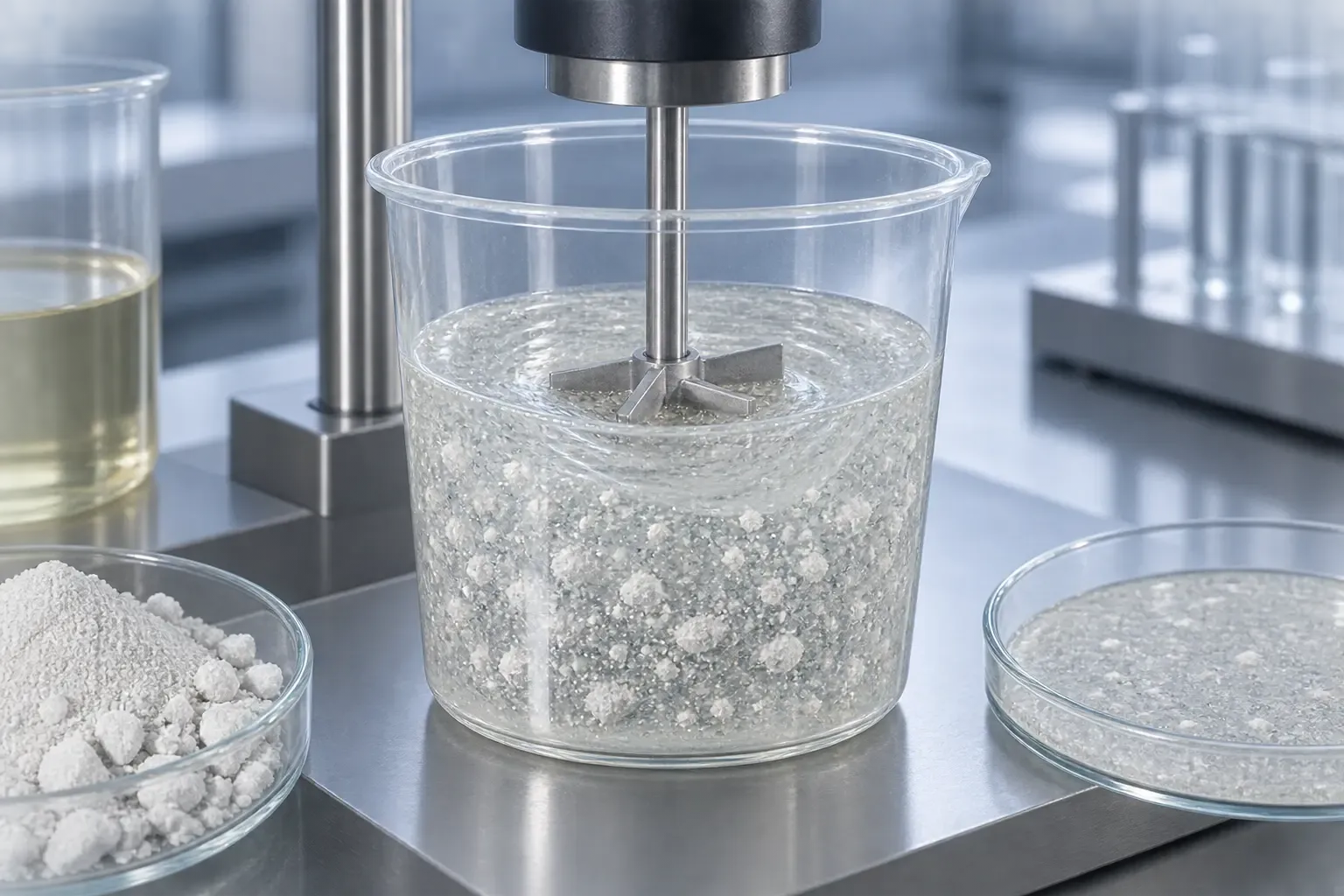
A filler that is easy to mix in a small cup may behave differently in a production mixer. The trial should reproduce the addition order, mixing energy and temperature used on the line.
2. Compare wet-out, settling and surface finish as separate observations
| Observation | How to record it | Common mistake |
|---|---|---|
| Wet-out | Addition order, mix time, visual agglomeration and temperature | Calling fast wetting the same as final dispersion quality |
| Settling | Container geometry, rest time, remix method and observation point | Comparing samples with different solids or storage time |
| Finish | Mold, cure, sanding and lighting conditions | Attributing every appearance change to the filler |
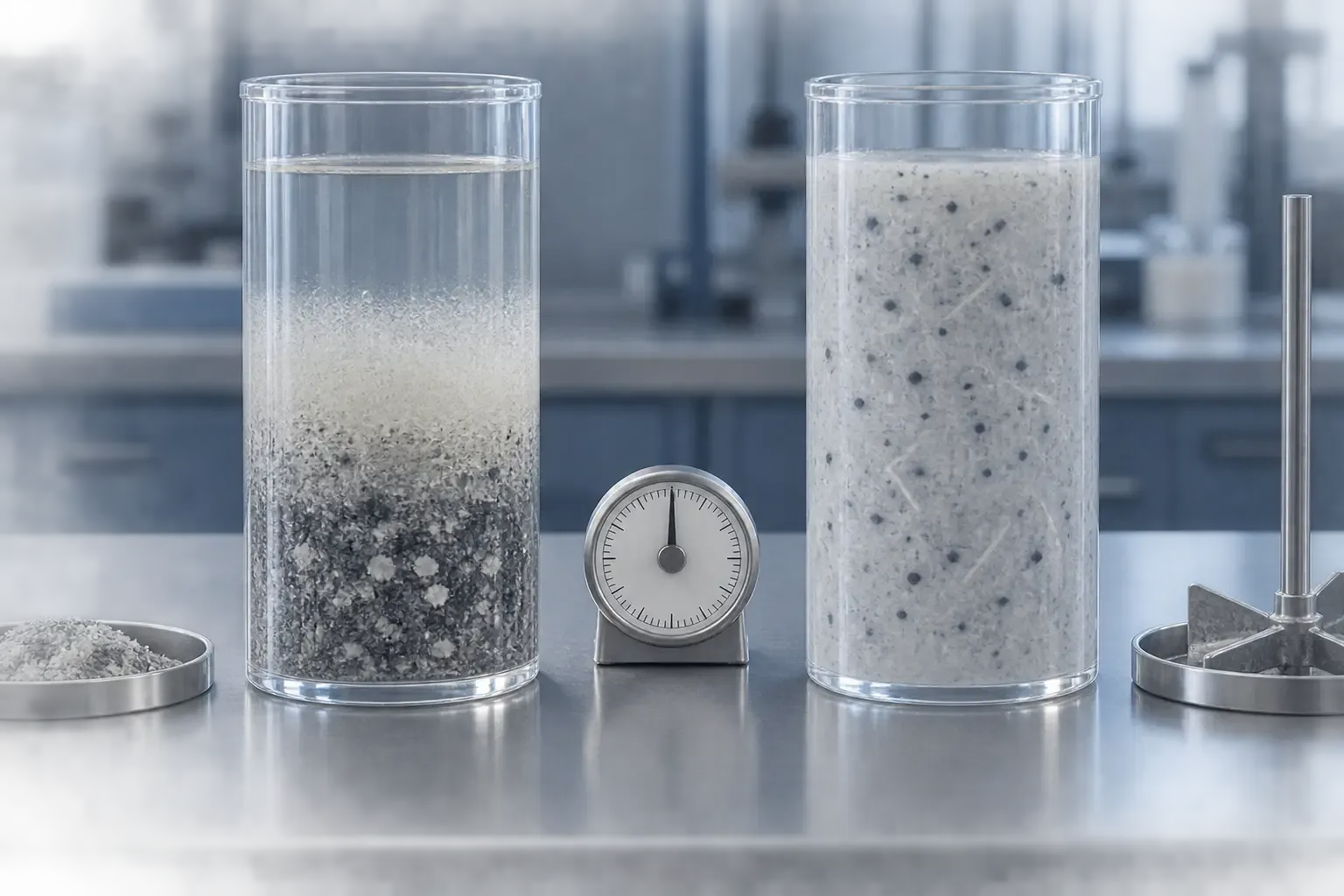
3. Protect the cure and reinforcement variables
Keep resin-to-catalyst ratio, reinforcement, mold release, cure time and post-cure conditions stable. If the candidate changes the working viscosity, note whether the operator also changed mixing or application pressure. A filler comparison loses value when several formulation variables move together.
Do not convert an industry reference or a small laboratory observation into a Changtong finished-part claim. Use the trial record to decide whether a larger validation is justified.
4. Ask the supplier for repeatable material evidence
- Natural-quartz-derived or other confirmed material identity.
- Agreed particle-size and moisture fields.
- Lot code, packing and storage instructions.
- Sample-to-production comparison route.
- Change-notification and repeat-order communication.
FAQ
Is mineral filler interchangeable with fumed silica?
No. Their particle structure, surface behavior and formulation role can be different. The customer should define the intended function before comparing grades.
What should a composite buyer send in an RFQ?
Send the resin family, molding route, reinforcement, working window, target finish, trial quantity and required material fields.
Plan a resin-filler trial
Share the composite process, target finish, trial size and documentation requirements with the Changtong technical team.
Contact Changtong Technical TeamRelated: surface-treated silica reference and silica powder RFQ checklist.