PVC Cable Compound Screening: Quartz Filler, Extrusion Wear, and Surface Quality
A buyer-focused screening route for quartz filler in PVC cable compounds, covering material identity, dry blending, extrusion behavior, surface quality and release tests.

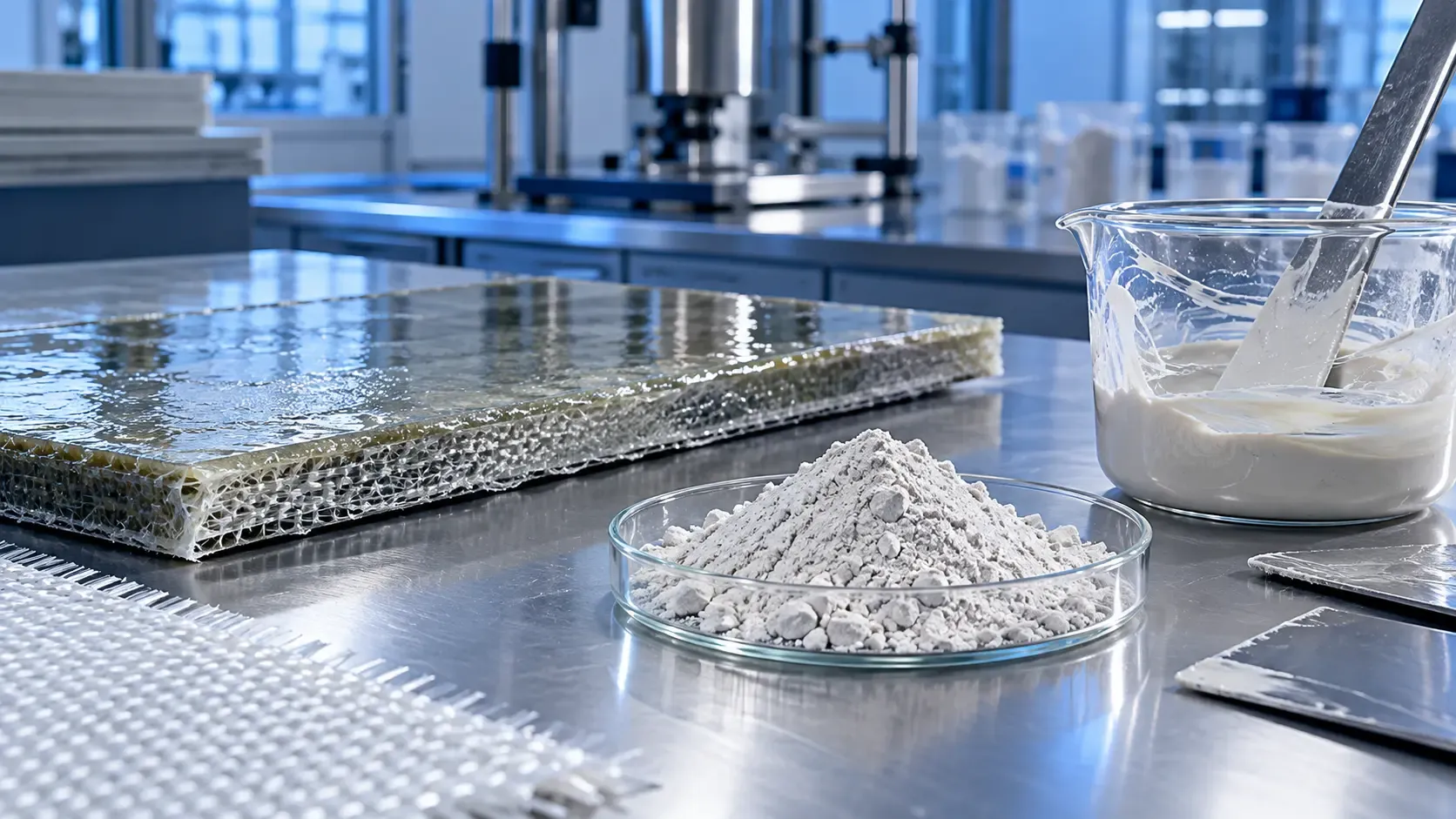
A silica filler trial in PVC cable compounds should be judged at the extruder, not only in the mixing room. Dispersion, die behavior, surface finish, equipment wear and electrical test requirements must be considered as one qualification record.
This is a screening framework for mineral filler candidates in cable compounds. It does not promise a fixed loading, insulation value, flame rating, abrasion result or extrusion speed. Those limits depend on the PVC system, plasticizer, stabilizer, additive package and equipment.
Cable manufacturers usually notice filler problems through processing symptoms: unstable torque, die build-up, rough surfaces, inconsistent color or a change in finished flexibility. A supplier should therefore receive more than a requested mesh or product name. The RFQ should describe the compound, extrusion route and the failure that needs investigation.
Natural-quartz-derived crystalline silica may be considered as a mineral filler candidate, but it must be separated from precipitated silica, fumed silica, silica fume and specialty processing additives. Material identity comes before performance comparison.
1. Describe the cable compound before requesting a grade
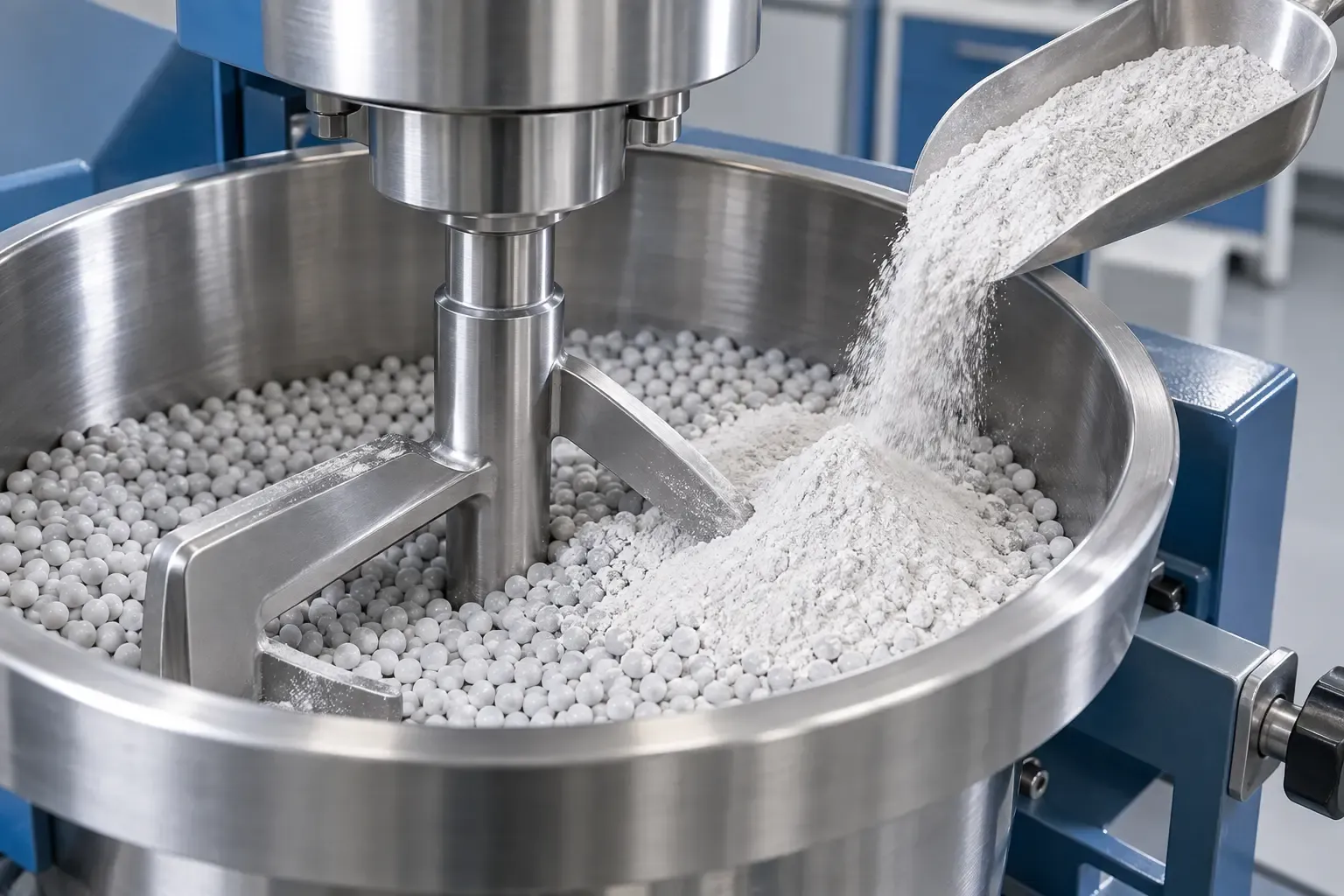
Record whether the material is insulation, jacketing, tubing or another PVC compound. Include the mixing equipment, extrusion temperature window, screw configuration, target color, flexibility requirement and the electrical or mechanical tests used for release.
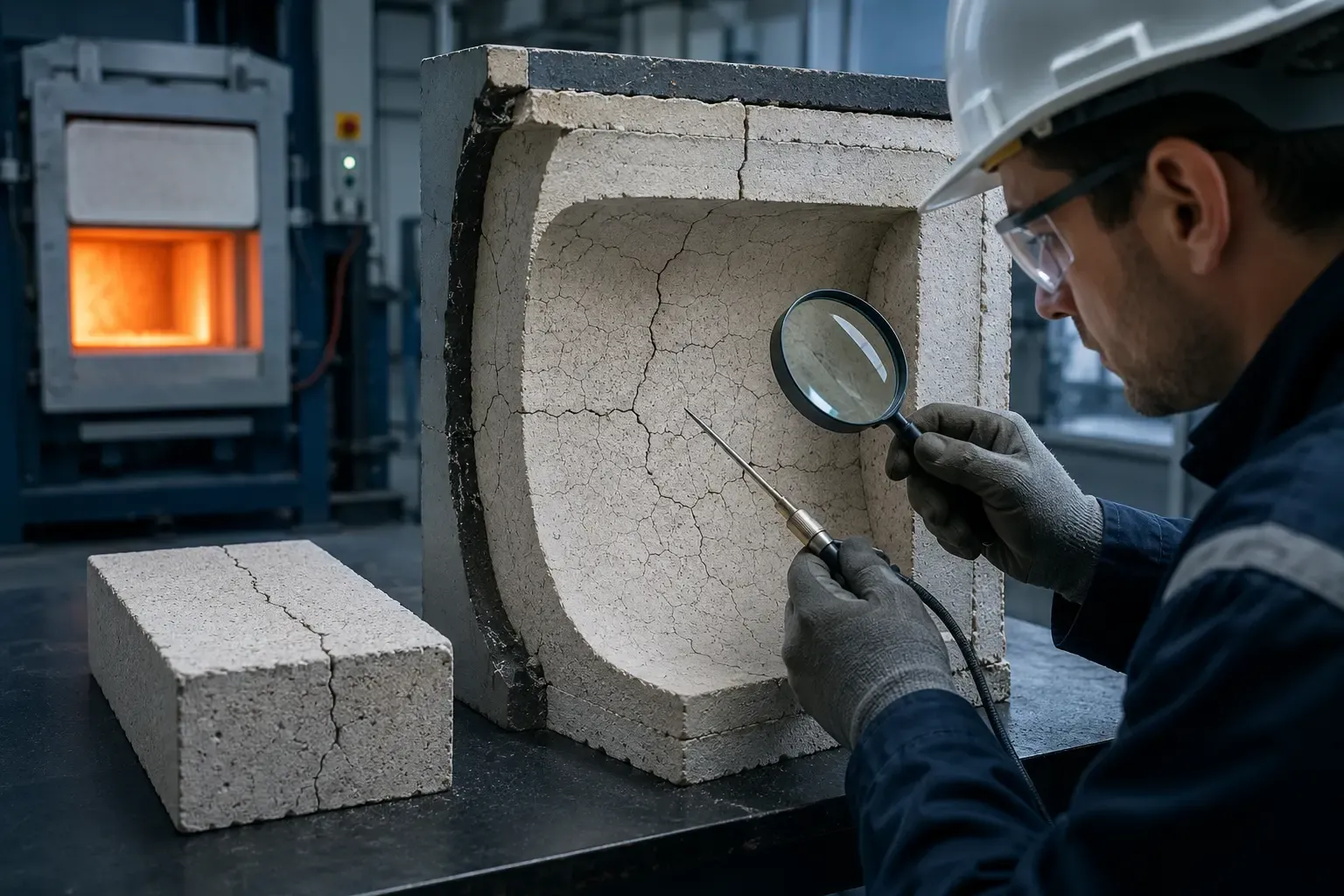
If the problem is die build-up or surface roughness, record when it appears, whether it follows a lot change and whether the issue is visible at the die or only after cooling. This prevents a filler change from being blamed for an unrelated stabilizer or temperature problem.
2. Control the powder variables that affect processing
Ask for the agreed particle-size method, moisture field, lot identification, packing format and sampling instruction. Do not compare a laser-diffraction result with a sieve result as though they were the same measurement. Keep sample preparation stable between the control and candidate.
For a mineral filler, hardness and particle shape may matter to equipment wear. That is a reason to define an observation or inspection method—not a reason to publish an unsupported wear-life claim.
3. Use a staged extrusion trial
| Trial step | What to record | Why it matters |
|---|---|---|
| Dry blend | Addition order, mixing time, powder flow and visible agglomerates | Shows whether the feed can be prepared consistently |
| Extrusion | Torque trend, die condition, line settings and surface appearance | Separates processing behavior from final test results |
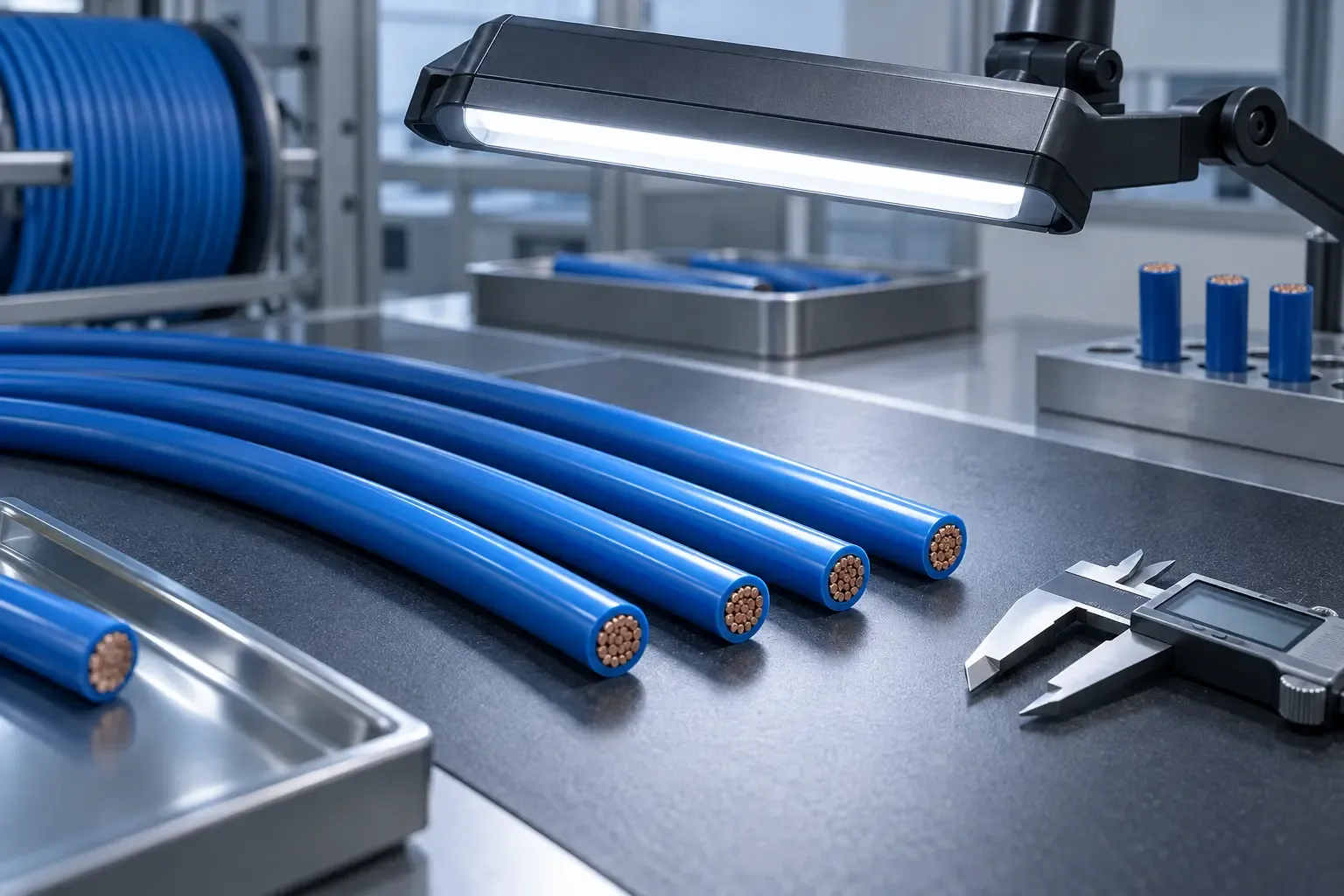
| Finished cable | Dimensions, appearance, flexibility and required electrical tests | Confirms whether the candidate remains within the product specification |

4. Keep electrical claims inside the verified test boundary
A mineral filler can influence the formulation, but a filler certificate is not a finished-cable certification. Keep dielectric, insulation-resistance, flame, smoke and mechanical conclusions tied to the actual compound and test method used by the cable plant.
When comparing suppliers, use the same formulation, line settings and conditioning period. If a candidate changes the processing window, document that as a trial observation rather than presenting it as a universal material property.
5. What the supplier should provide for repeat supply
- Confirmed material identity and excluded silica families.
- Stable COA fields, test methods and lot coding.
- Packaging and storage instructions suitable for cable-compound handling.
- Sample-to-production trial notes and change-notification route.
- Realistic lead-time communication for repeat orders.
FAQ
Can any silica powder be used in PVC cable?
No. Material family, particle size, moisture, surface condition and the cable formulation must be assessed together.
Does a powder COA prove the cable is compliant?
No. The finished cable must be tested under the plant’s approved methods and applicable customer or regulatory requirements.
Prepare a cable-compound trial request
Share the PVC formulation, extrusion route, target defect and required test fields with the Changtong technical team.
Contact Changtong Technical TeamRelated: silica powder RFQ checklist and ultrafine silica product reference.