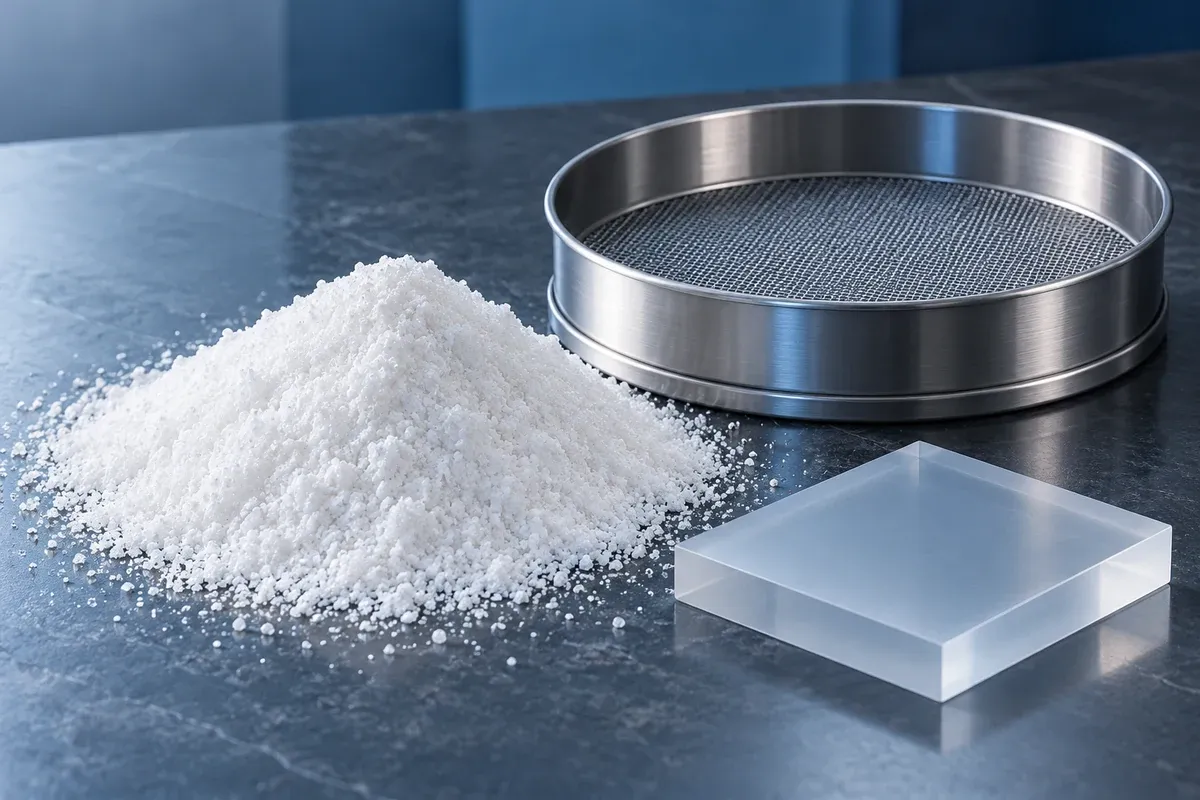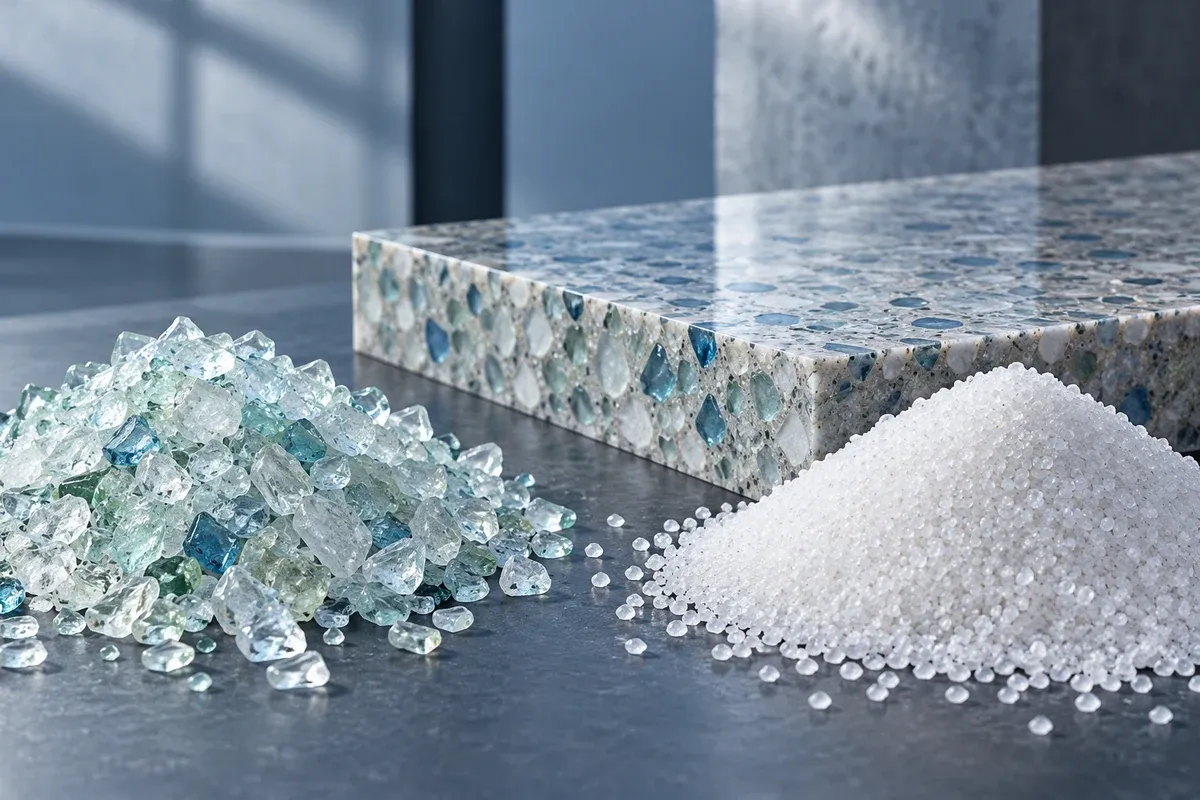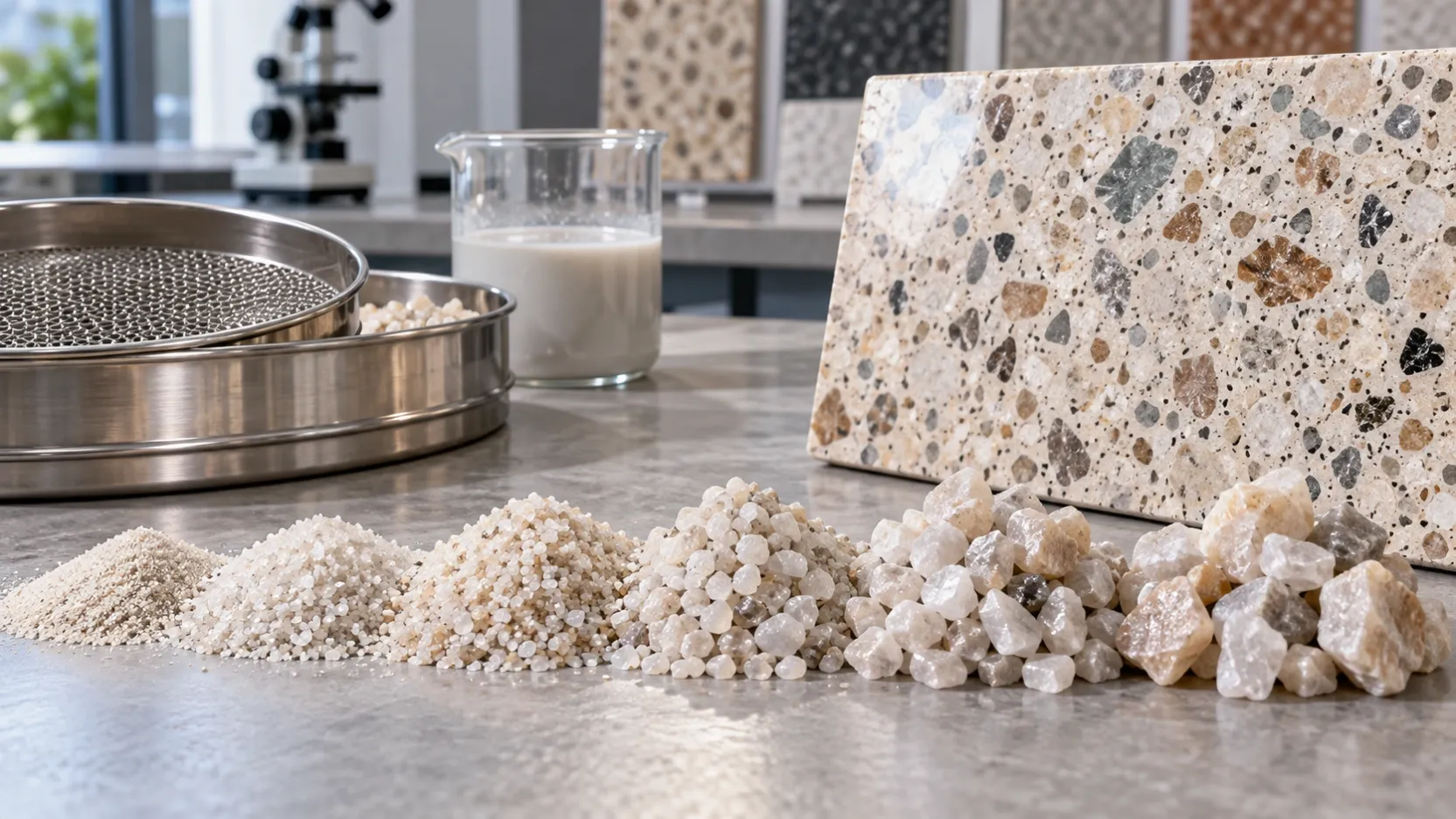
Quartz Filler for Epoxy Adhesives: Start with the Joint Gap
Match quartz filler to the epoxy joint gap, mixed dispersion and assembly method. Compare strength using consistent geometry and failure-surface records.
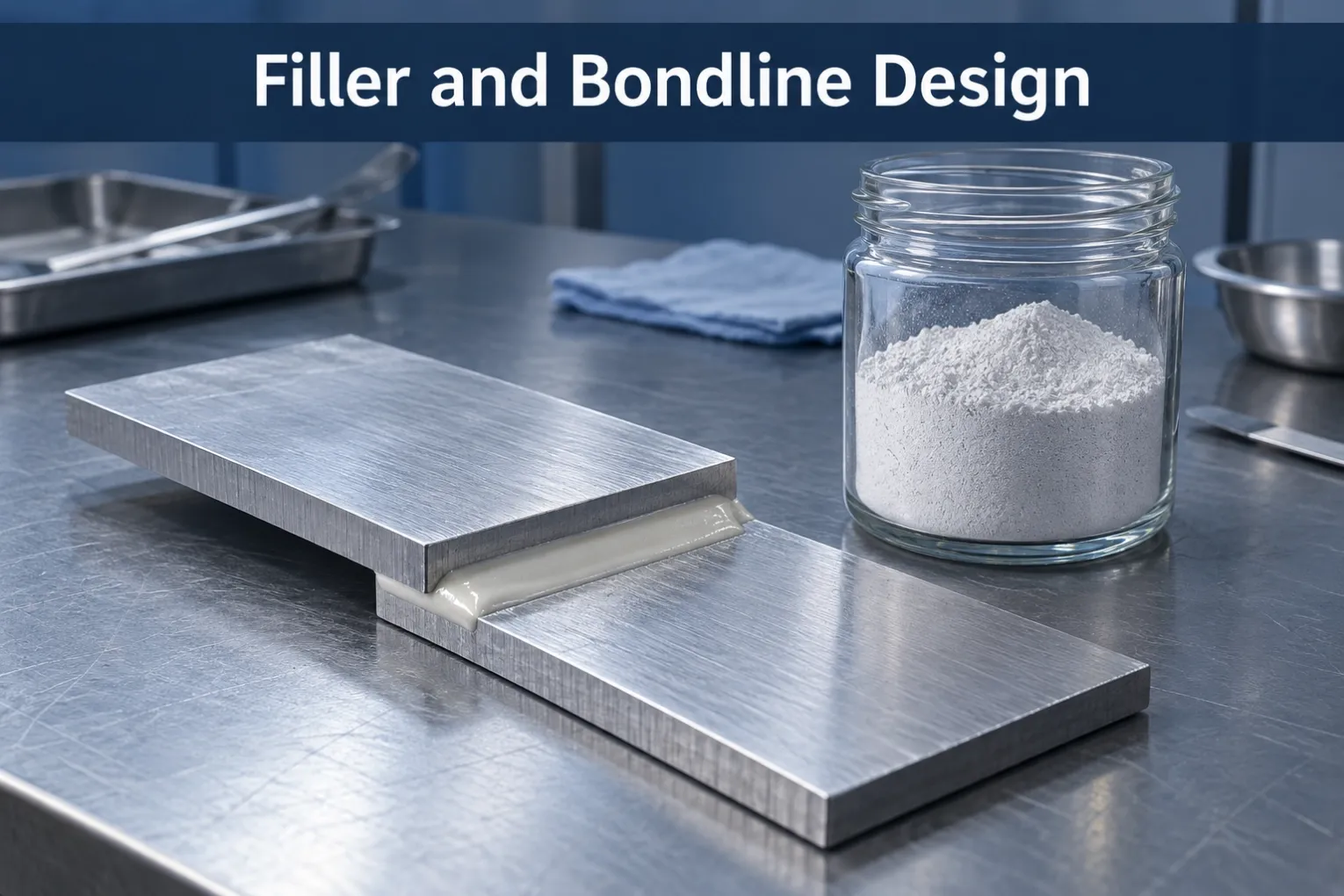
The purchasing specification says 325 mesh. The assembly drawing says a thin adhesive gap. Those two labels are not enough to show that a ground-quartz filler will fit the joint or disperse without local bridges. Start with the assembled geometry and work back to the powder requirement.
Changtong technical guide · · Product Selection & Specifications
Translate the Drawing into a Filler Question
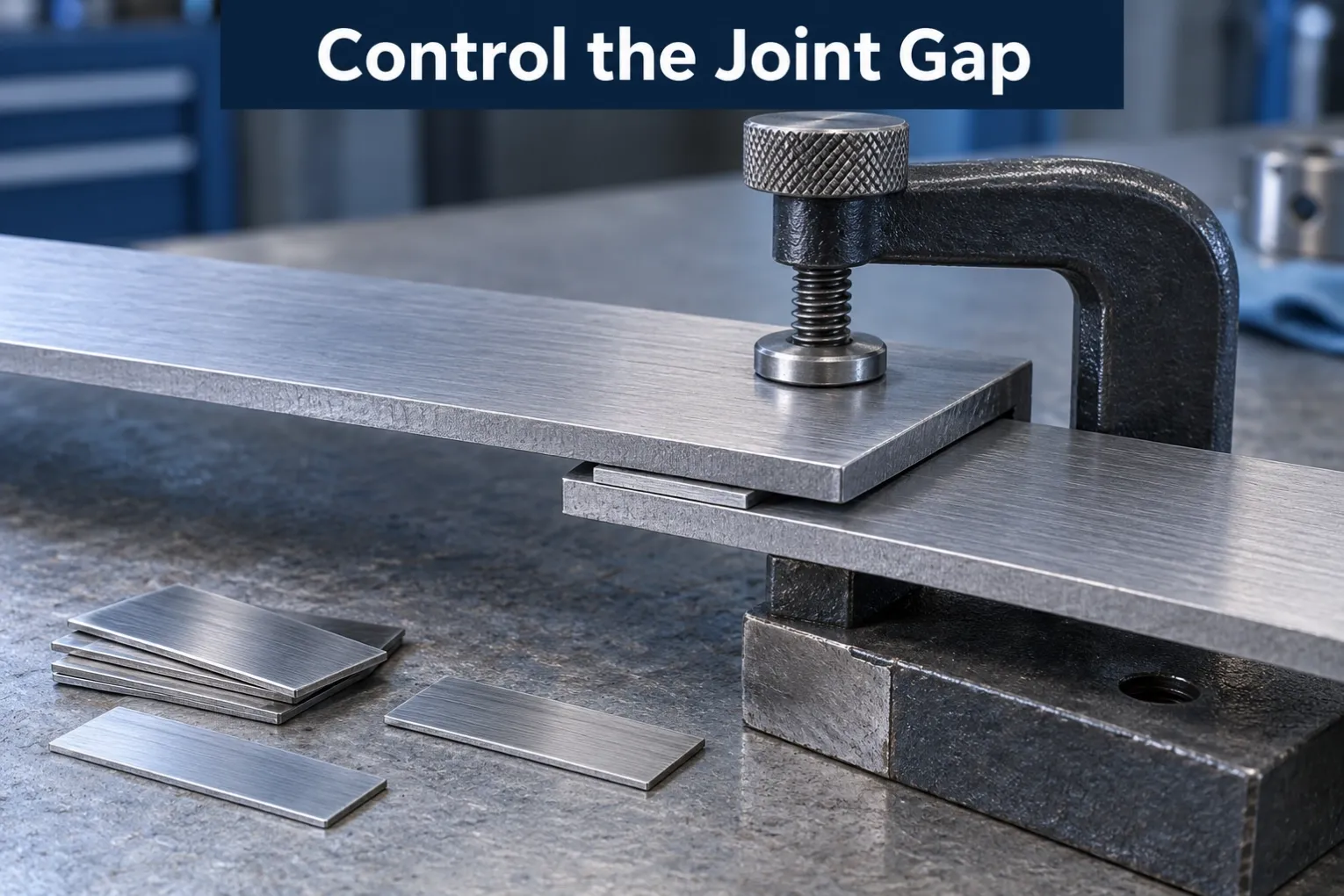
Record the nominal gap and its practical variation across the bond. Include substrate flatness, clamping, surface preparation and any deliberate spacers. The narrowest region that must fill matters as well as the nominal drawing dimension. Ask how the adhesive reaches that region and where air can escape.
A mesh designation does not describe every particle or agglomerate in the mixed adhesive. Obtain a method-defined upper-size or residue requirement relevant to the process. Avoid a universal rule claiming that every particle must be some fixed fraction of the bondline: particle shape, distribution, formulation and assembly method differ. Establish the working limit through representative joints.
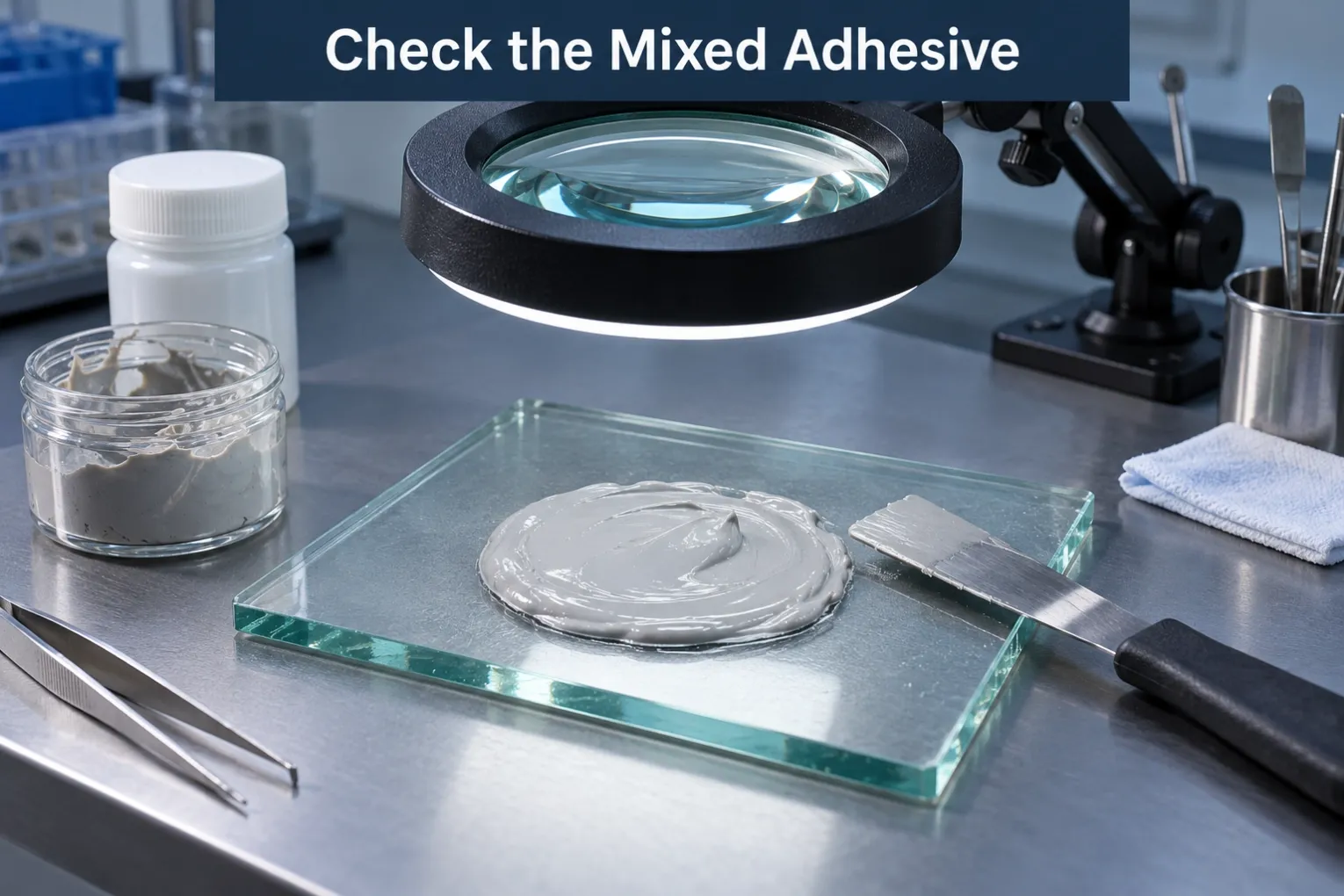
Examine Dispersion after Mixing
Dry powder evidence and mixed-adhesive behavior should be linked, not substituted for one another. Inspect a sample prepared with the intended addition sequence and mixing conditions. Record visible grit, agglomerates, entrained air and the ability of the mixture to wet the substrates. If an application screen is used, identify the screen, preparation and acceptance criterion.
Ground crystalline quartz is not a purpose-designed spherical bondline spacer. An angular particle that happens to hold surfaces apart does not establish a repeatable joint gap. When a controlled spacer is required, select and validate the spacing method separately from the mineral filler. This preserves a clear explanation if the joint fails locally.
| Observed condition | Check first | Avoid concluding |
|---|---|---|
| Gap will not close consistently | Spacers, flatness, coarse particles and agglomerates | Mesh alone proves the filler is suitable |
| Local dry spots or voids | Wetting, mixing, air escape and filling route | All defects are a powder chemistry problem |
| Changed strength or failure mode | Cured gap, overlap, substrate preparation and cure | A literature nanosilica result applies to ground quartz |
Test the Joint Rather Than Only a Resin Plaque
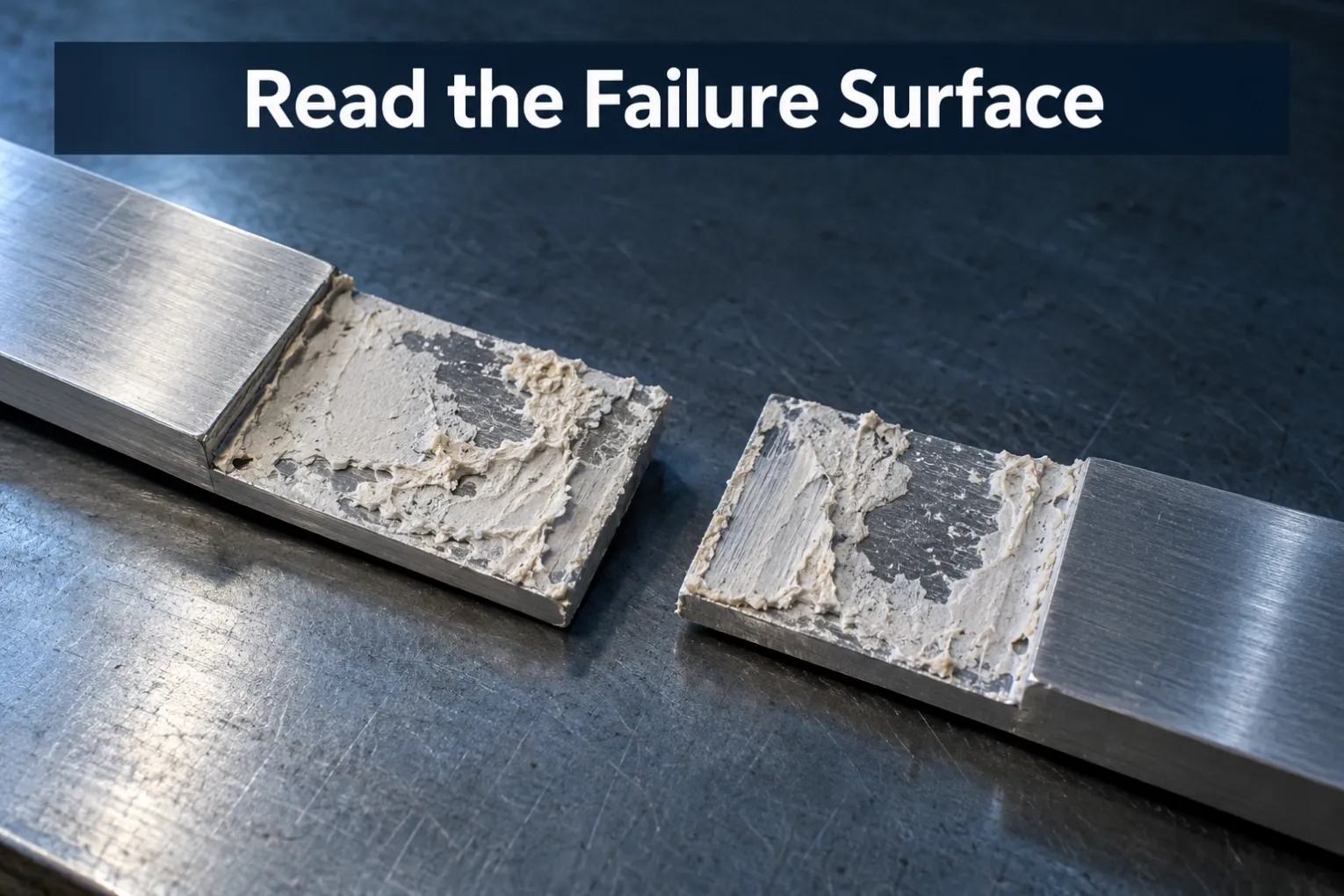
Prepare the approved adhesive control and the candidate on matched substrates. Hold overlap, actual cured thickness, surface preparation and cure history consistent, and record the failure surface. A higher force can follow a changed bond geometry, and a good bulk-resin result does not automatically become a stronger joint.
Published silica-adhesive studies often concern surface-modified nanoparticles or different resin systems. Their strength improvements cannot be applied to Changtong ground quartz. The FAA-supported investigation of thick-bondline test methods is a useful reference for why joint configuration and measurement must be defined; it is not an approval of this mineral grade for structural service.
Use the Result to Narrow the RFQ
Changtong's general-purpose crystalline silica product is a screening candidate for mineral-filled industrial compounds, not a finished adhesive. Ask whether an available grade can meet the agreed size evidence, mixing and gap requirement. Do not order from mesh alone and expect the supplier to infer the assembly tolerance.
Keep an acceptance record that links a powder lot to the mixed batch and tested joints. If a candidate fails to close or contains localized bridges, investigate the size tail, agglomeration and assembly method before changing the entire resin chemistry. If the gap is uniform but adhesion is poor, examine surface preparation and cure rather than assuming a finer powder must solve it.
The cited joint research is industry reference. No Changtong lap-shear result, structural-adhesive qualification or particle-to-gap ratio is claimed.
Frequently Asked Questions
Is ground quartz a calibrated spacer?
No. Establish the gap-control method separately and verify it in the assembly.
Does finer always produce a stronger bond?
No. Dispersion, viscosity, cure and joint geometry can change along with fineness.
What should the supplier receive?
The resin identity, loading, application method, gap range, relevant size test and nonconfidential acceptance criteria.
Related products
General-Purpose Crystalline Silica Powder 325 MeshRelated technical guides
Silica powder morphology and flow beyond PSDReferences and Evidence Limits
- FAA report DOT/FAA/AR-01/33: adhesive tests for thick bondlines
- Original study: surface roughness and bondline thickness in epoxy joints
Public source descriptions checked on 22 October 2026. References support the stated subject and method boundaries; they are not Changtong test certificates. Consult the applicable full method for execution.
Request a Quote
Send the joint-gap range, epoxy system, mixing route and required upper-size evidence before requesting a quartz filler sample.
Request a Grade Review and Quote