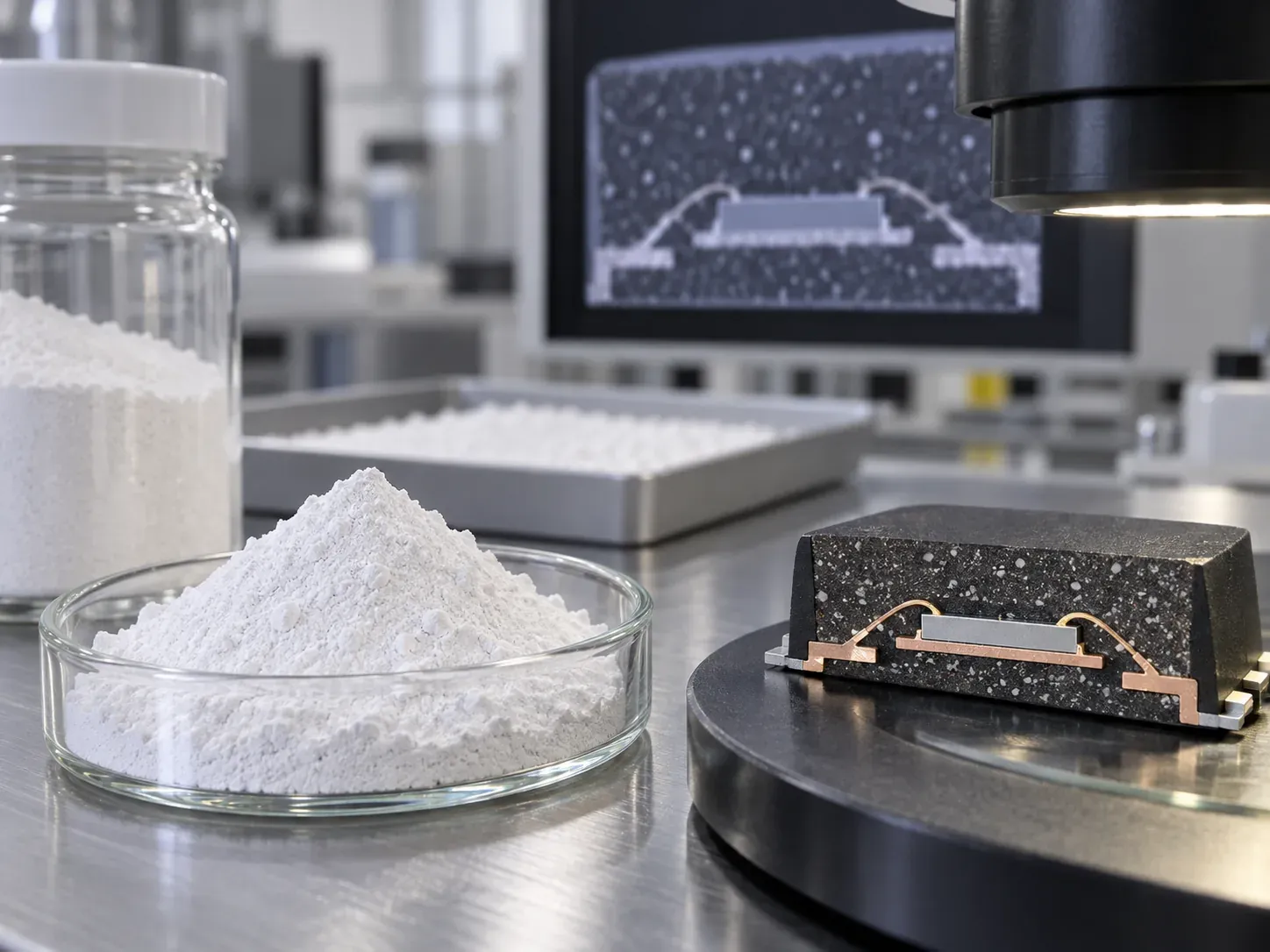
Low-Expansion Fused Silica Powder for Semiconductor Epoxy Molding Compounds
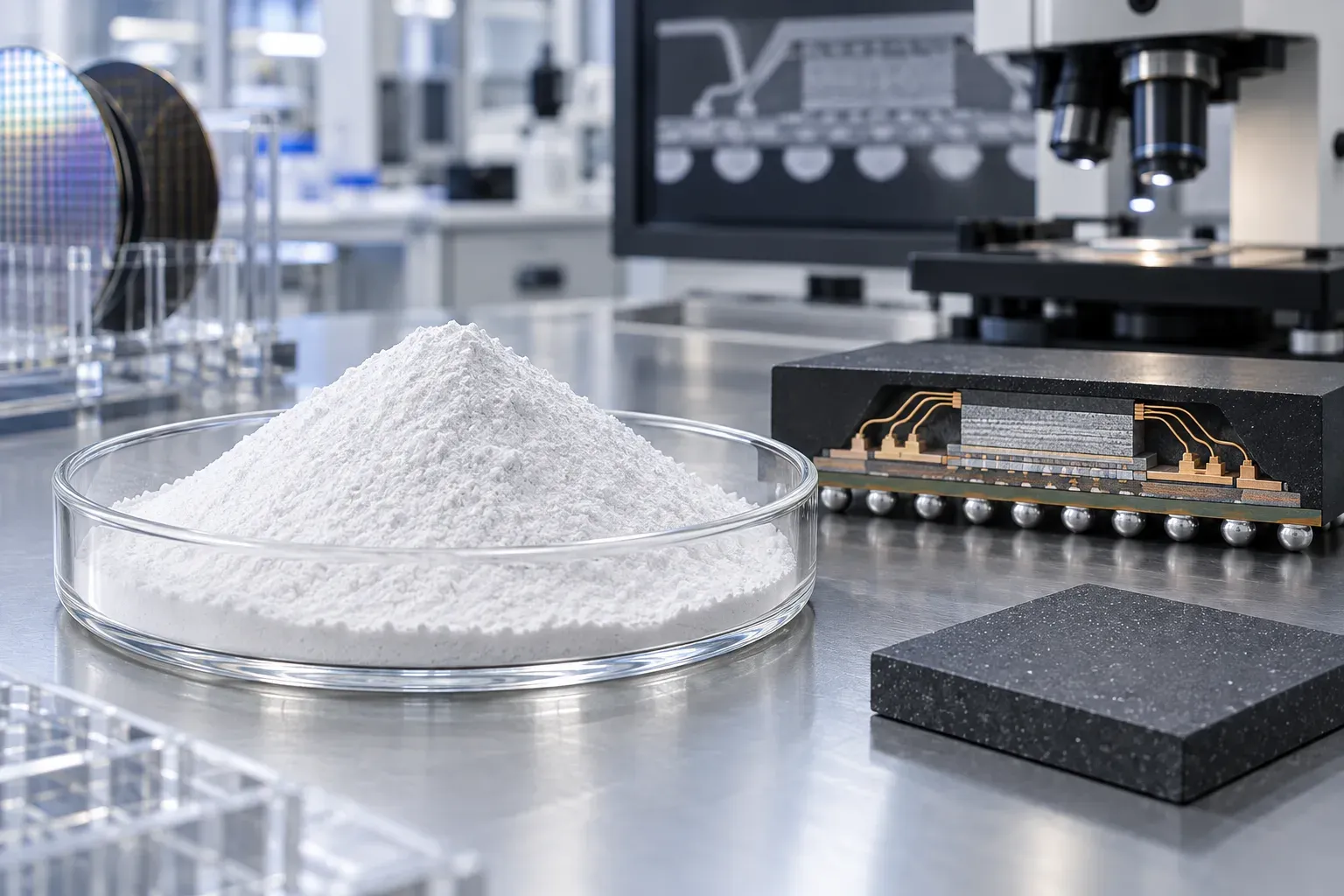
Low-expansion fused silica powder for semiconductor epoxy molding compound screening in advanced packaging. Reference chemistry includes SiO2 >99.90% and Fe2O3 <50 ppm; select PSD and purity against filler loading, flow, warpage, ionic contamination and package-reliability targets.
Specifications
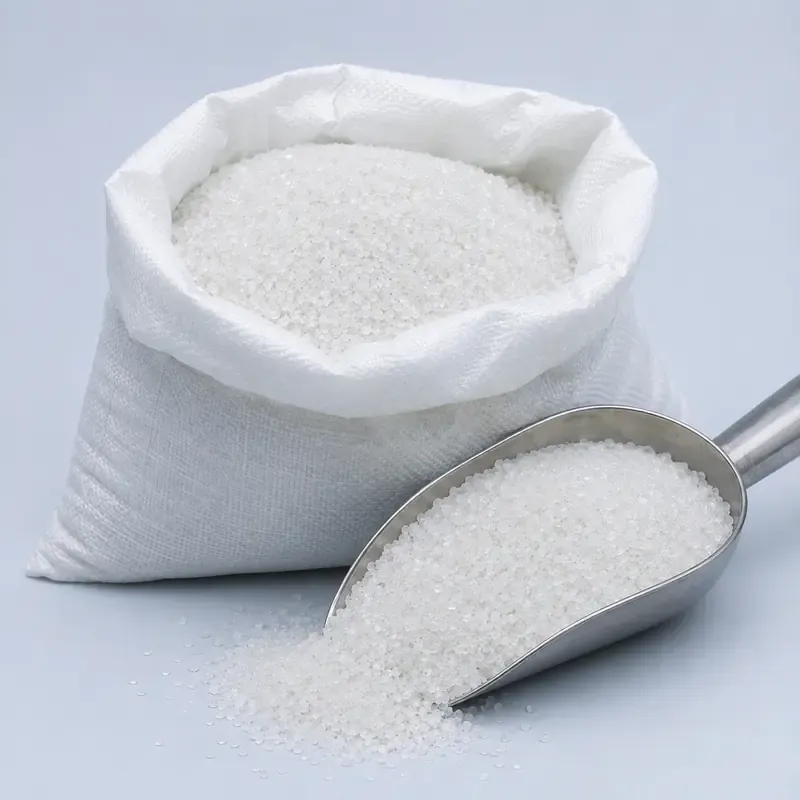
- Mesh Size
- 120mesh,200mesh,325mesh,600mesh,800mesh,1250mesh,2000mesh,2500mesh,3000mesh,5000mesh
- Particle Size
- 3-5mm,1-3mm,1-0.5mm,0.5-0.2mm,0.1-0.2mm,0.1-0mm(120mesh),0.075mm(200mesh)
- SiO₂ Content
- 99.8-99.99%
- Bulk Density
- 1.0~1.5 g/cm³
- Specific Gravity
- 2.20 g/cm³
- Thermal Expansion
- 0.5*10⁻⁶
- Moh's hardness
- 7
AMORPHOUS FUSED SILICA FOR SEMICONDUCTOR EMC
Low-expansion filler for advanced-package epoxy molding compound trials.
Product Overview
Changtong fused silica is an amorphous filler starting point for semiconductor epoxy molding compounds. Reference chemistry includes SiO₂ >99.90%, Fe₂O₃ <50 ppm, Al₂O₃ <200 ppm, Na₂O + K₂O <100 ppm and thermal expansion 0.5 × 10⁻⁶.
Grade choice depends on package type, filler loading, surface treatment, flow window, mold design and reliability standard. Confirm PSD method, top cut, residue, moisture and lot COA before approval.
Material Identity and Grade Information
Grade-specific information — confirm the selected grade and test values before production use.
Material
Amorphous fused silica, distinct from crystalline silica and cristobalite.
Reference profile
High-purity, low-expansion filler for epoxy molding compound screening.
Use case
Advanced semiconductor packages and reliability-critical EMC trials.
Properties and Specification
| Property | Reference value | Project control |
|---|---|---|
| Structure | Amorphous fused silica | Confirm resin compatibility and package application. |
| SiO₂ | >99.90% | Confirm current TDS/COA and test method. |
| Fe₂O₃ | <50 ppm | Agree impurity and magnetic-particle limits. |
| Al₂O₃ | <200 ppm | Confirm milling-media and lot-specific result. |
| Na₂O + K₂O | <100 ppm | Check ionic contamination method and acceptance limit. |
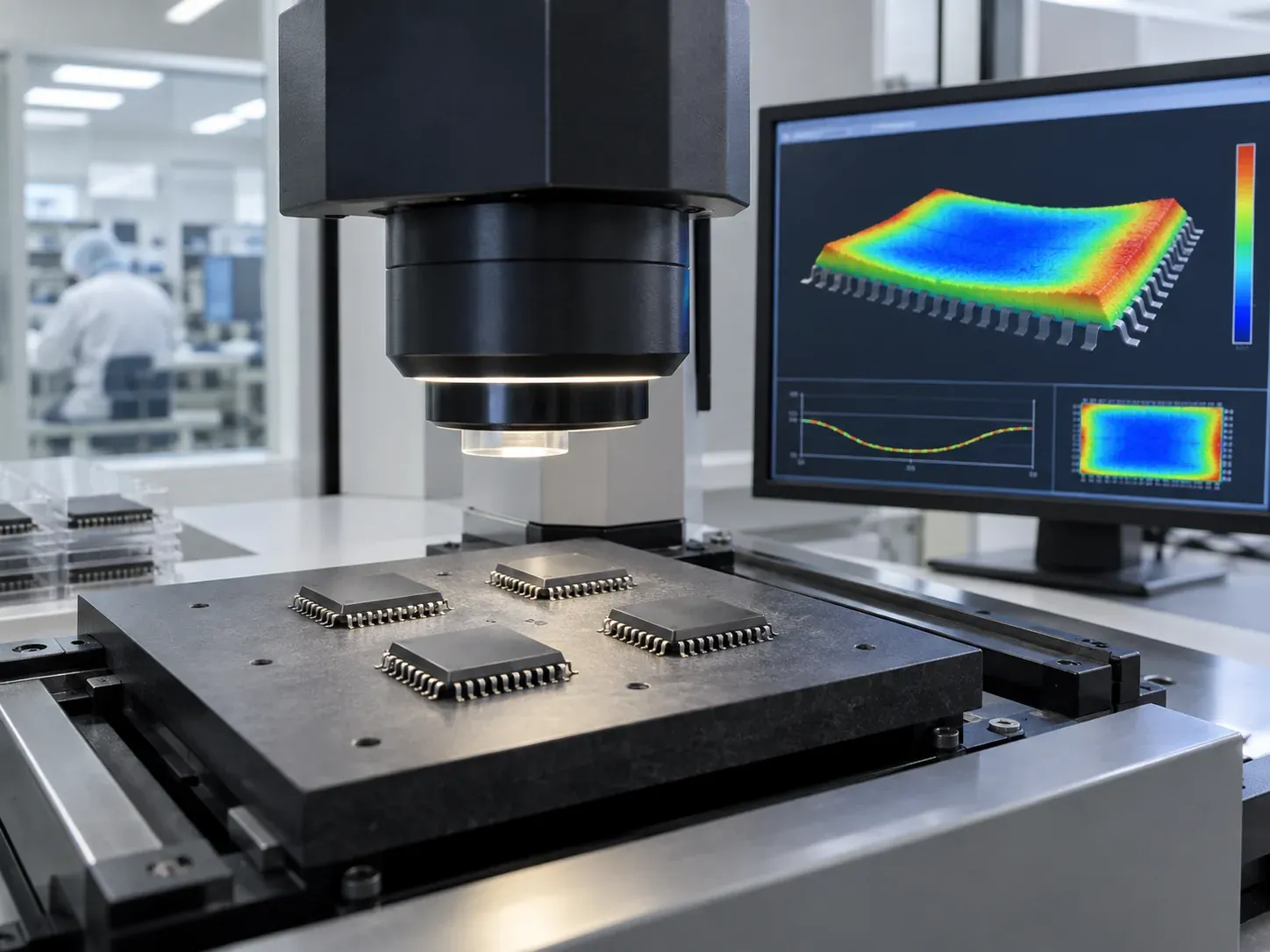
| Thermal expansion | 0.5 × 10⁻⁶ material reference | Measure cured CTE, stress and warpage in the package. |
Data boundary: Fused silica values are material references, not a guarantee of package performance. Final grade is grade-specific, subject to current TDS/COA and customer trial.
Applications for Fused Silica EMC
Advanced Semiconductor Packages
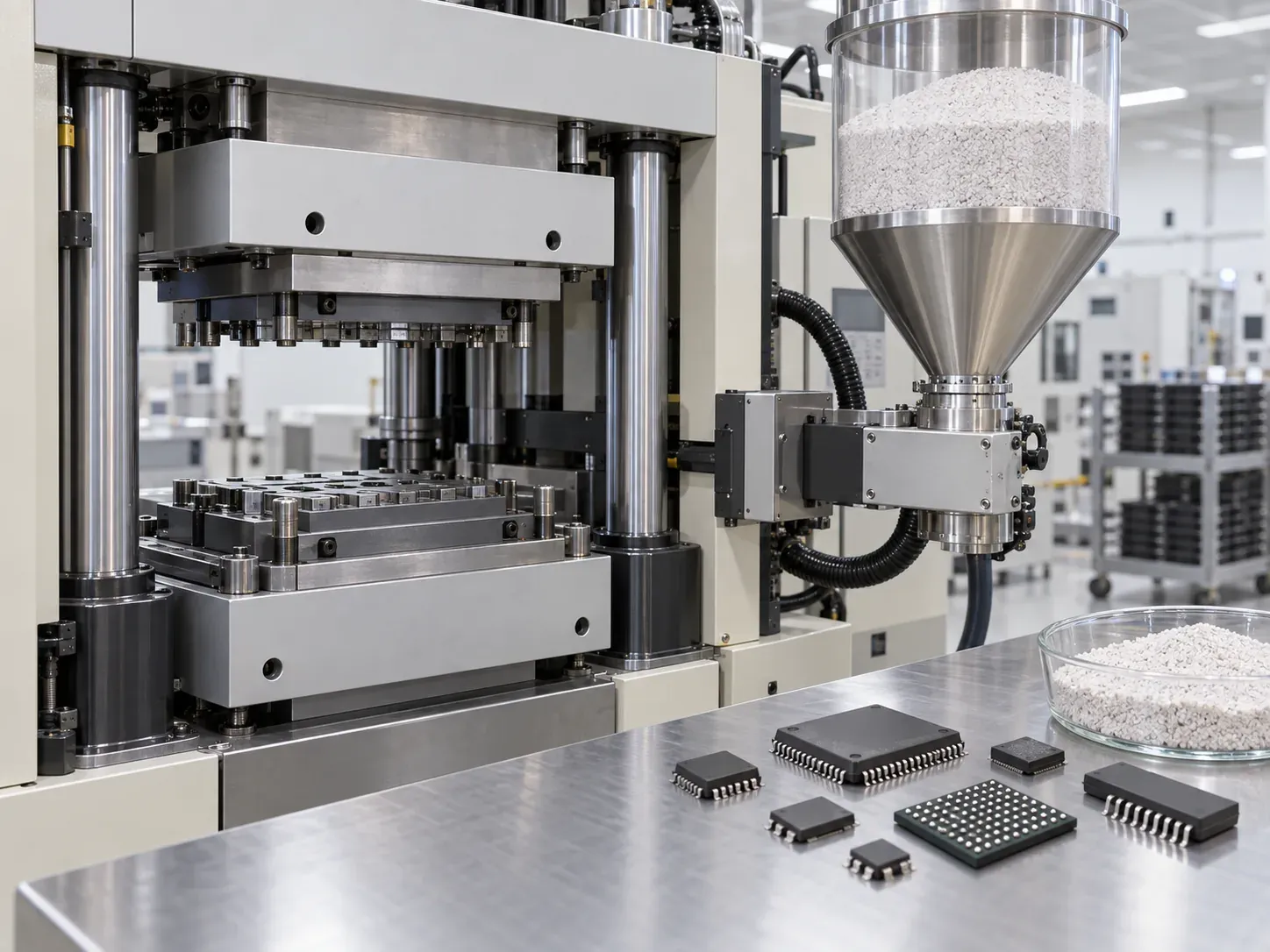
Screen filler loading, spiral flow, gel time and mold filling against package geometry.
Low-Warpage EMC
Measure cured CTE, modulus, Tg, warpage and package stress after blend and surface treatment are fixed.
Reliability-Critical Electronics
Set ionic, magnetic-particle and moisture limits, then run MSL, temperature-cycle and reflow tests.
A Practical Grade-Selection Workflow
- Define the package target. Record package type, CTE target, mold design, loading and reliability standard.
- Match purity and PSD. Fix D-values, top cut, residue, alkali, magnetic particles and moisture method.
- Run the molding window. Compare spiral flow, gel time, voids, warpage and cured properties.
- Approve a lot-specific document set. Retain the COA, process window and reliability results.
Production, Inspection and Quality Documents
Record resin and curing system, filler loading, surface treatment, mold temperature, transfer pressure and cure schedule. Request the applicable TDS and batch COA; retain molded coupons for warpage, ionic and moisture-reliability comparison.

Related Changtong Products
For EV power-electronics encapsulation, review fused silica for EV power-module potting. For category browsing, see Fused Silica.
Request a Quote for Semiconductor EMC Filler
Share package type, epoxy/curing system, target loading, PSD method, impurity limits, flow window, reliability standard, country, Phone/WhatsApp and annual quantity.
Request a QuoteFAQ
Is fused silica the same as crystalline quartz?
No. Fused silica is amorphous and has a different expansion profile and processing route.
Does lower expansion alone guarantee lower package warpage?
No. Filler loading, resin cure, modulus, mold design and process conditions must be evaluated together.
What should be included in an RFQ?
Specify package type, resin system, loading, PSD, impurity limits, flow target, reliability standard, packing, country, Phone/WhatsApp and annual quantity.