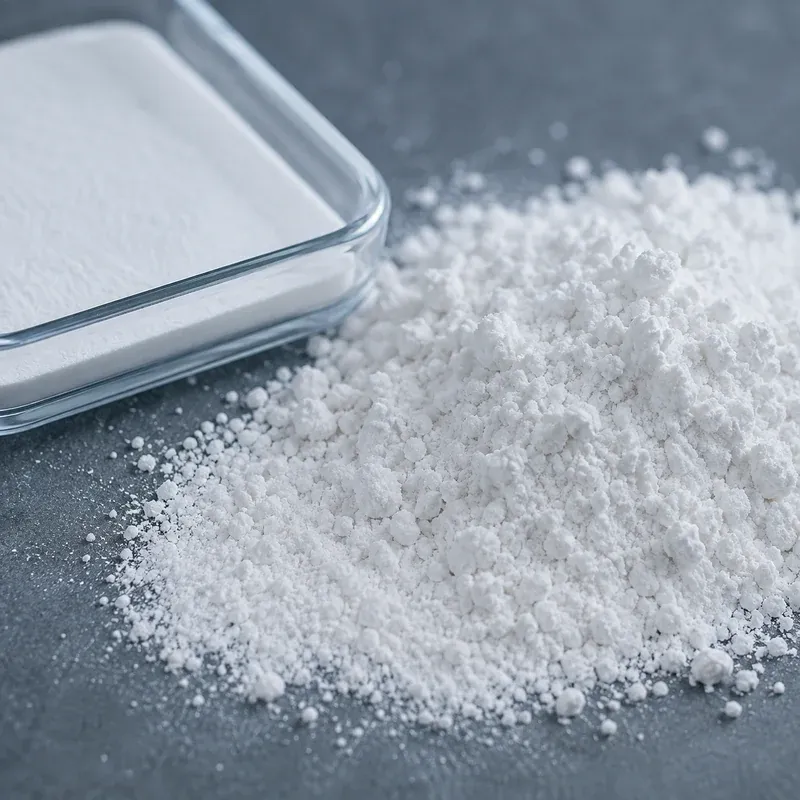
Silane-Treated Silica Powder for Industrial Sealants
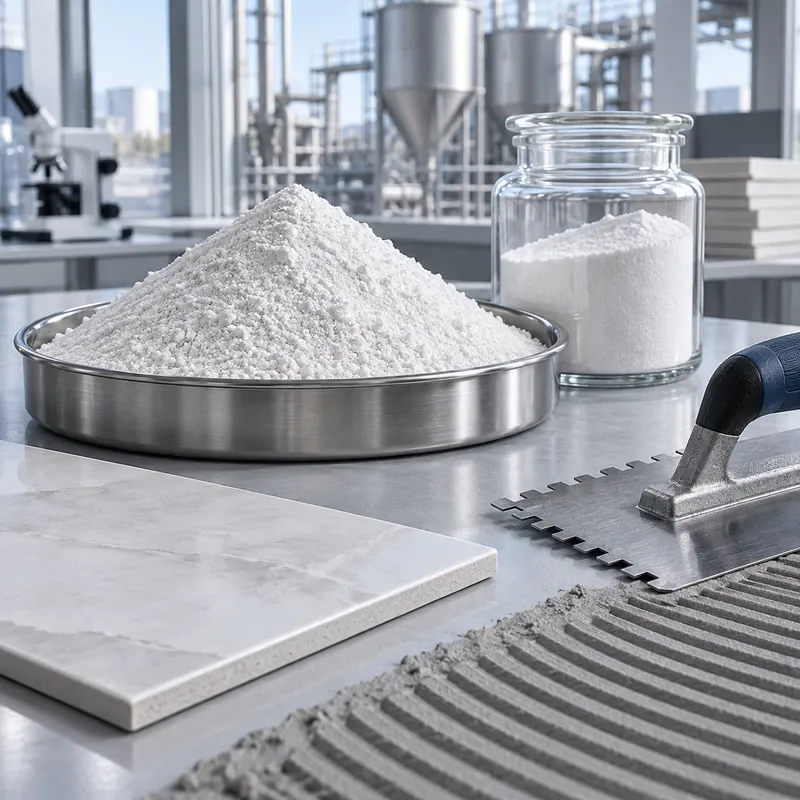
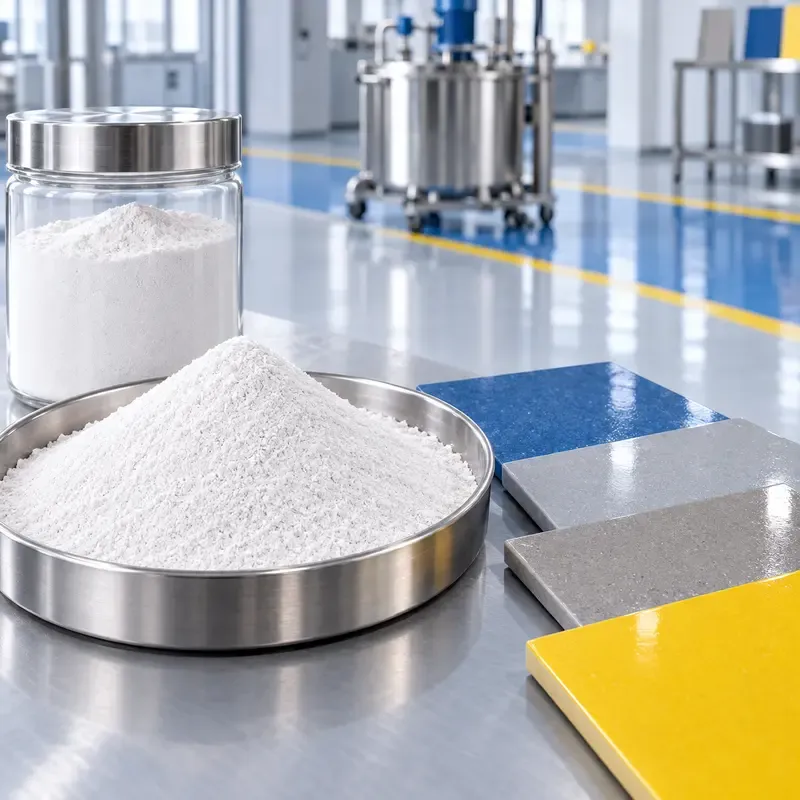
Silane-treated silica powder for industrial sealant and adhesive formulations. The treated mineral surface is designed to improve filler wetting and compatibility in selected organic binder systems, while controlled particle-size options support practical mixing. Confirm treatment chemistry and test requirements against the customer’s polymer and cure process.
SURFACE-TREATED SILICA FOR SEALANT FORMULATIONS
Silane-Treated Silica Powder for Industrial Sealants
A surface-treated crystalline silica powder for industrial sealants and adhesives. The silane-treated mineral surface is designed to support filler wetting and compatibility in selected organic binder systems, while controlled particle-size options make the powder practical to mix and dose.
Product Overview
This silane-treated silica powder is supplied as a dry mineral filler for selected silicone, polyurethane, MS polymer and other industrial sealant or adhesive systems. Surface treatment is used to help the mineral interact with the organic binder during wetting and dispersion; the appropriate treatment chemistry depends on the polymer, catalyst, moisture level and cure process.
The product is a formulation raw material, not a finished sealant. Grade selection should be based on the customer’s required filler loading, mixing equipment, viscosity window, cure schedule and final performance tests. A laboratory trial is recommended before production approval.
Technical Properties
| Property | Typical Working Specification | Order Note |
|---|---|---|
| Material | Silane-treated crystalline silica powder | Confirm surface-treatment chemistry for the binder system |
| Mesh options | 325–1250 mesh | Select grade by viscosity, loading and dispersion requirement |
| Particle size (μm) | Nominal sieve options approximately 45–10 μm | Final PSD, top-cut or residue method to be agreed |
| Surface treatment | Silane-treated mineral surface | Treatment type and dosage confirmed per order |
| Fe₂O₃ | <0.015% | Confirm method and batch requirement |
| Moisture | <0.20% | Keep sealed and dry after delivery |
| Whiteness | 92–95 | Confirm measurement method for appearance-critical products |
| Mohs hardness | 7 | Mineral reference value |
| Specific gravity | Approximately 2.65 g/cm³ | Confirm test method and apparent-density needs |
Particle-size note: Mesh is a commercial screening reference, not a complete particle-size distribution. If sealant rheology, surface finish or sedimentation is critical, specify D10, D50, D90, top-cut or residue limits together with the test method.
Surface Treatment and Dispersion
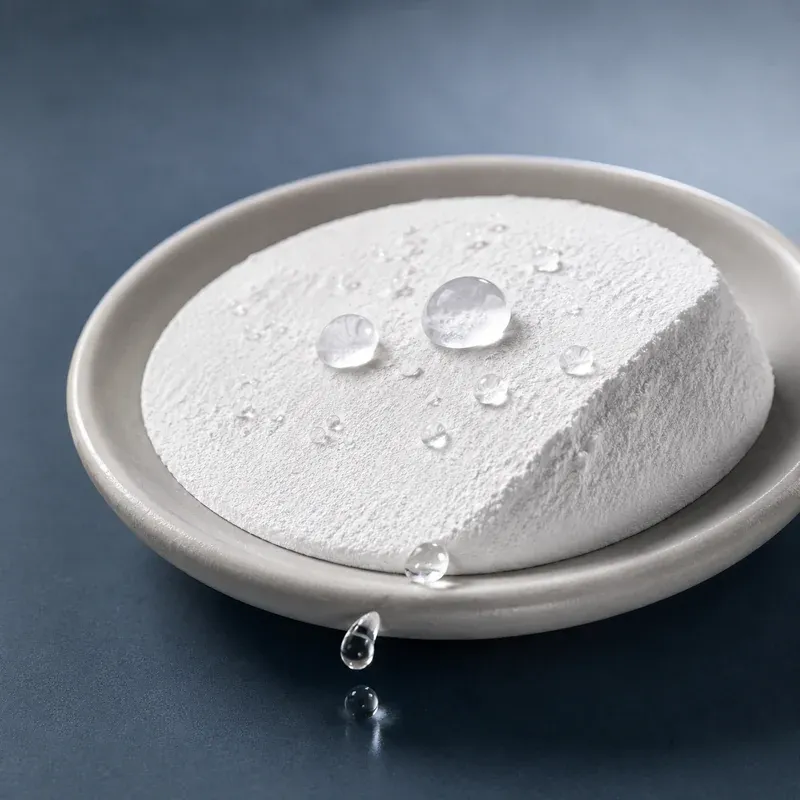
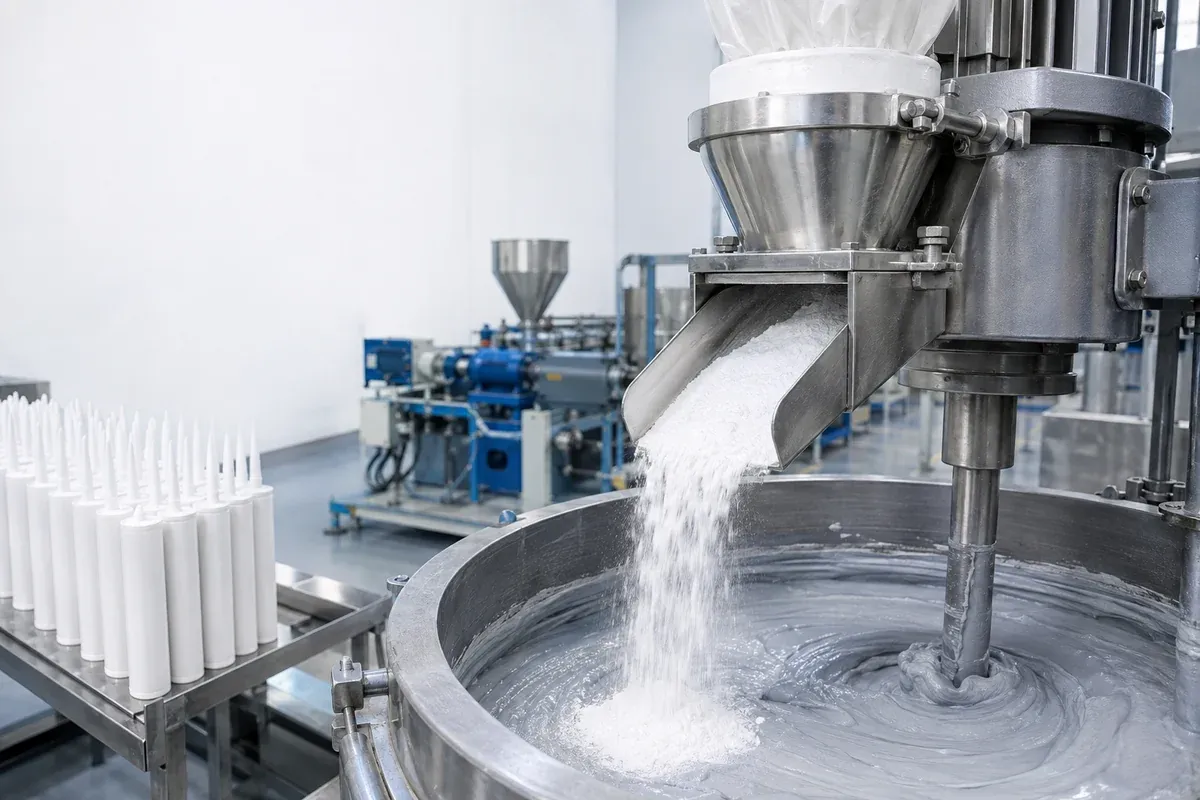
Silane treatment changes the interaction between the mineral surface and the surrounding organic phase. In a suitable formulation it can help the powder wet into the binder and disperse more evenly than an untreated grade. Results depend on silane selection, treatment level, resin polarity, mixing energy and moisture control; no single treatment is universal for every sealant chemistry.
Properties and Application Value
| Powder Attribute | Formulation Role | Typical Development Focus |
|---|---|---|
| Treated mineral surface | Supports wetting and compatibility in a selected organic binder | Silicone, polyurethane and MS polymer sealant trials |
| Selectable particle size | Helps balance loading, flow and dispersion time | Joint sealants, construction adhesives and industrial bonding compounds |
| Low-iron chemistry | Limits iron introduced with the mineral filler | Light-colored sealants and appearance-sensitive formulations |
| Dry, protected supply | Supports repeatable weighing and storage before mixing | Export shipments and moisture-sensitive binder systems |
Quality Control, Packing and Handling
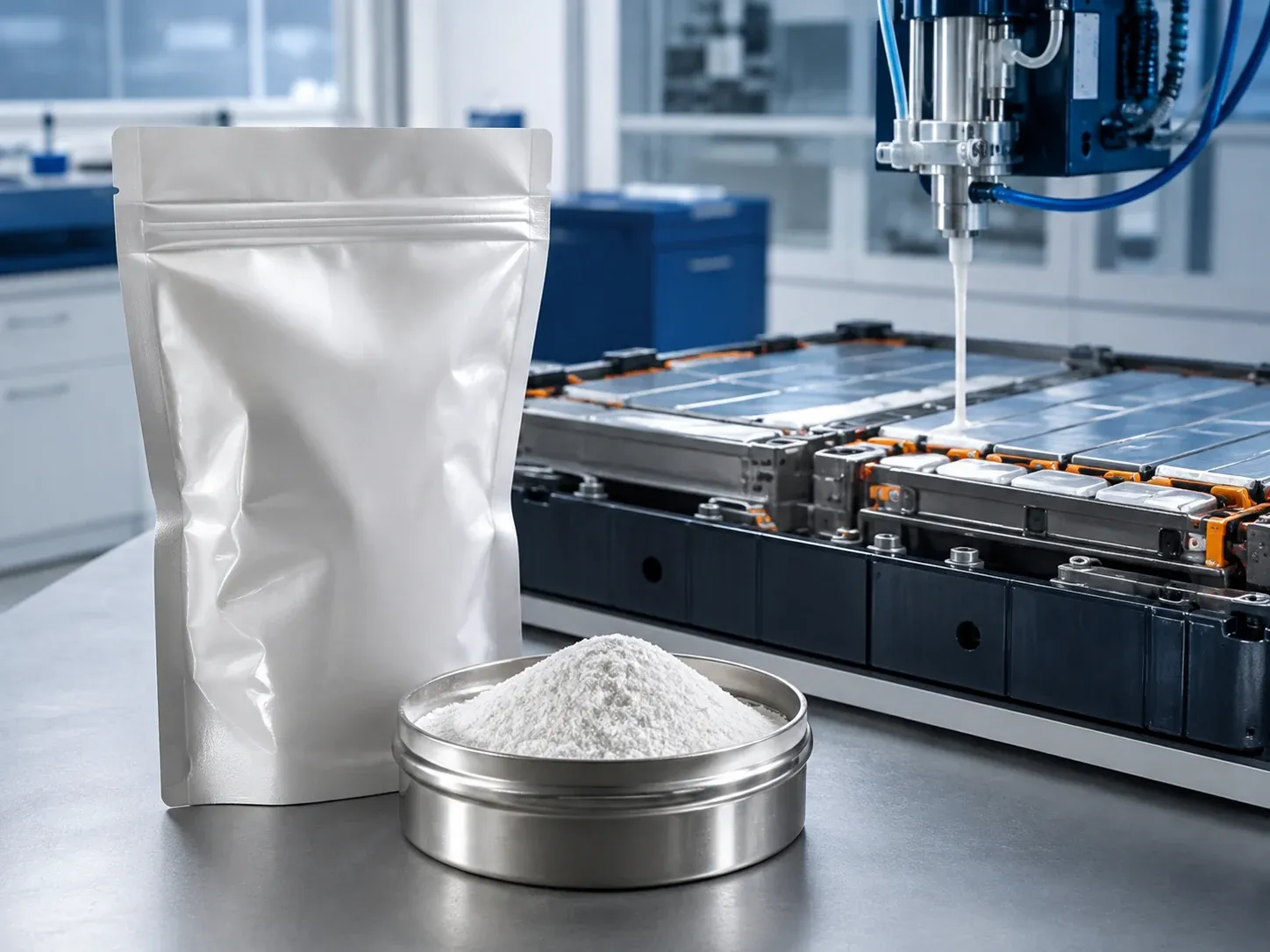
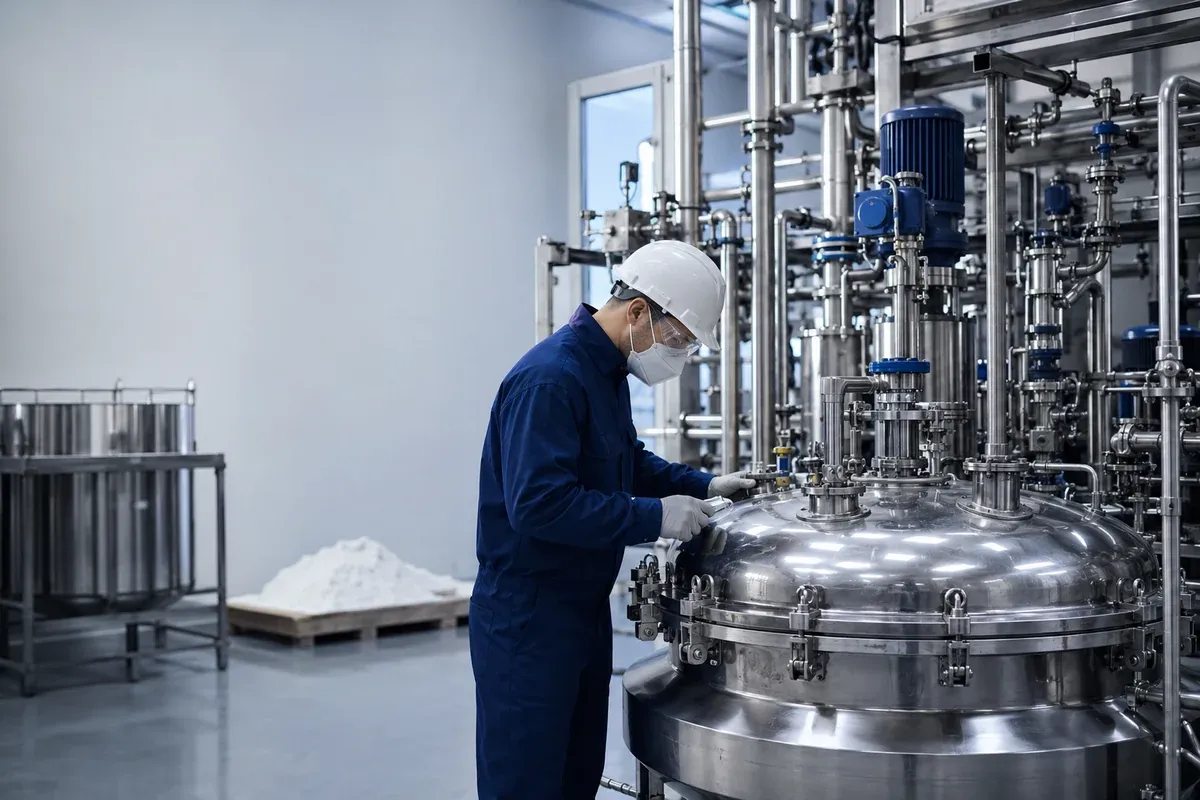
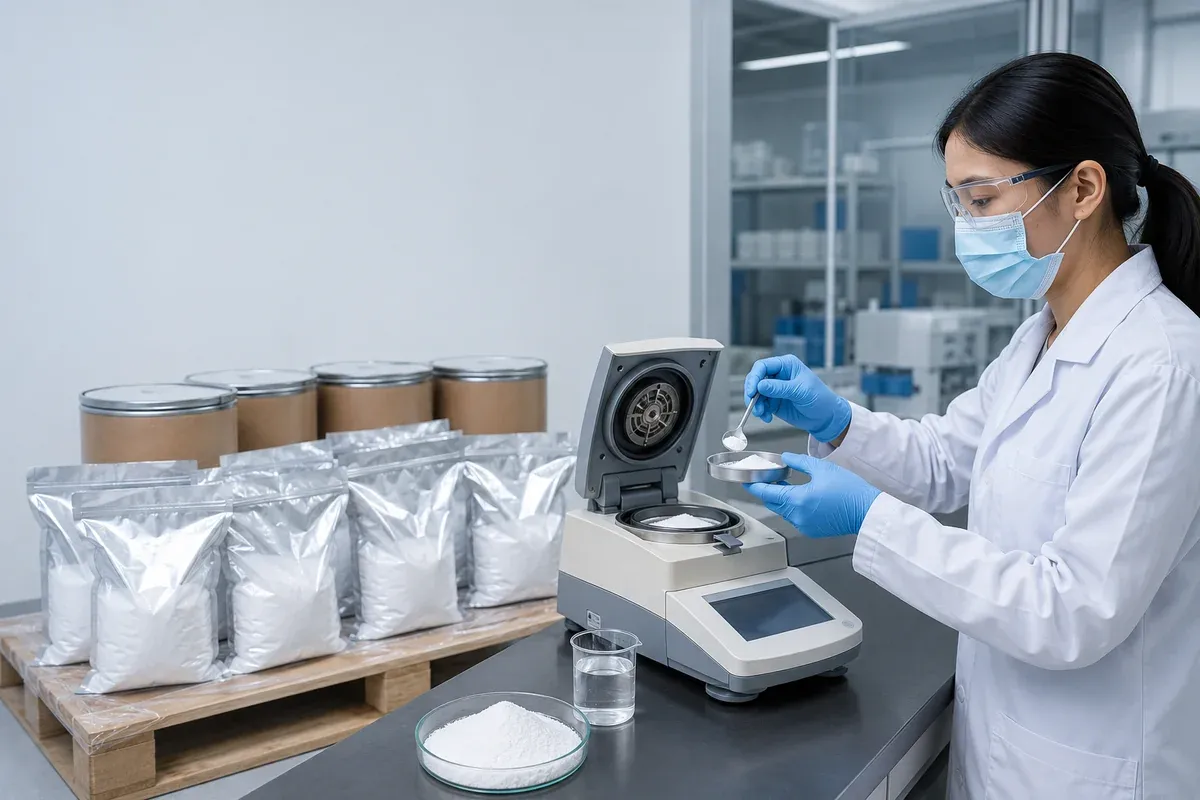
Release checks can be arranged around the agreed particle-size, chemistry, moisture and appearance requirements. Moisture-barrier liners, sealed paper drums or other protected packing help maintain the treated powder during storage and transport. Keep containers closed in a dry, ventilated area and follow the applicable SDS and dust-control procedures during transfer.
- Batch identification and retained samples support shipment traceability.
- Particle-size testing can follow an agreed sieve, laser-diffraction or residue method.
- Surface-treatment chemistry and treated content are confirmed against the approved order specification.
- Packaging configuration can be selected for manual handling, automated feeding and export conditions.
Information Needed for Grade Selection
- Sealant or adhesive polymer, catalyst and intended end use.
- Target filler loading, viscosity range and mixing equipment.
- Required mesh, PSD, residue or top-cut test method.
- Surface-treatment chemistry, moisture and appearance requirements.
- Trial quantity, regular demand, packing format and shipping conditions.
Frequently Asked Questions
Request a Silane-Treated Silica Quote
Send your polymer type, filler loading, mesh or PSD requirement, treatment needs, quantity and packing preference.
Request a Quote