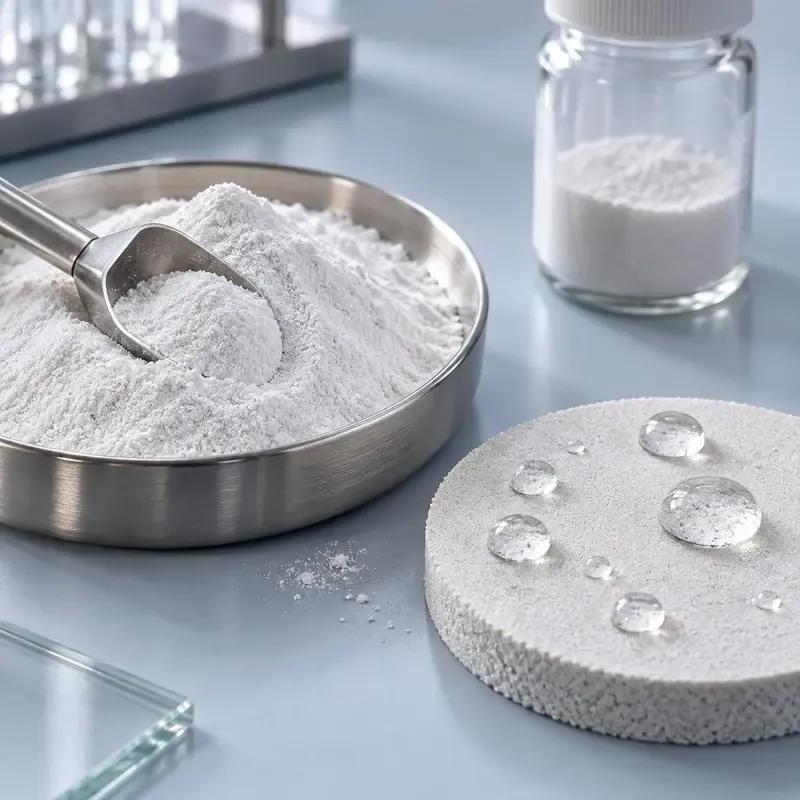
Surface-Treated Quartz Powder for Epoxy Flooring
Natural-quartz-derived surface-treated powder for epoxy flooring formulations. Intended for controlled comparison of hydrophobic response, filler wetting, dispersion, oil absorption and viscosity build; final performance must be validated in the customer's resin and flooring system.
Specifications
- Grade
- QG300, QG400, QG600, SP10, SP5, SP2
- SiO₂ Content
- 99.3–99.7%
- Fe₂O₃
- 0.01% (QG300, QG400, QG600, SP10, SP5); 0.015% (SP2)
- Al₂O₃
- 0.015% (QG300, QG400, QG600); 0.02% (SP10, SP5, SP2)
- K₂O
- 0.005% (QG300, QG400, QG600); 0.008% (SP10, SP5, SP2)
- Moisture
- <0.1% all grades
- Loss on ignition (%)
- 0.15
- Mohs hardness
- 7 all grades
- Na⁺
- <2 ppm (QG300, QG400, QG600); <3 ppm (SP10, SP5, SP2)
- Cl⁻
- <5 ppm all grades
- EC (µS/cm)
- <5 (QG300, QG400, QG600, SP10); <10 (SP5, SP2)
- pH
- 5.7–7.5 all grades
- Particle size (unit not stated)
- QG300 21–24; QG400 17–20; QG600 15–17; SP10 9–12; SP5 3–5; SP2 1.5–2.5
Natural-Quartz-Derived Treated Filler
Surface-Treated Quartz Powder for Epoxy Flooring Trials
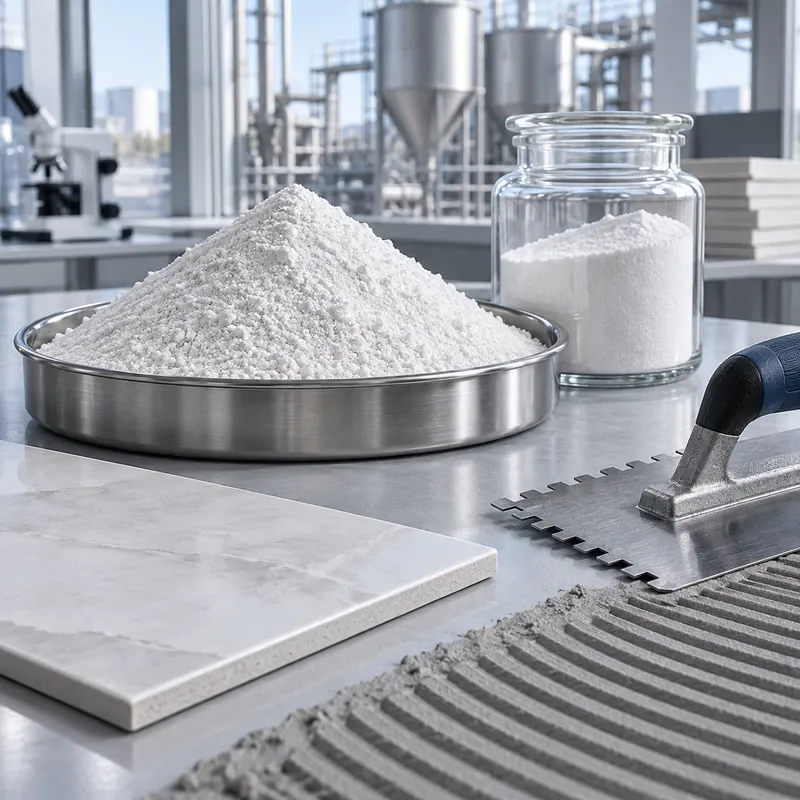
Changtong surface-treated quartz powder is produced from selected natural quartz through micronizing, classification and surface treatment. It is intended for epoxy-flooring formulation trials where the buyer is evaluating moisture response, filler wetting, dispersion, oil absorption and viscosity build.
Why Flooring Formulators Evaluate Surface Treatment
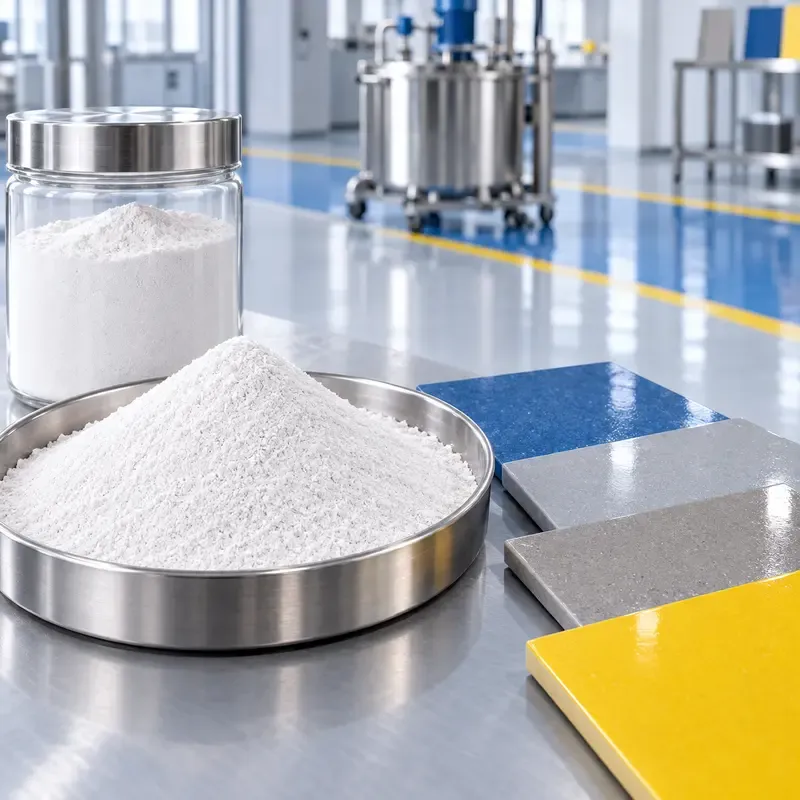
In self-leveling coatings, mortar layers and filled epoxy flooring, the filler influences mixing, application and surface appearance. Surface treatment can be considered when the formulation requires improved interaction with an organic resin phase or reduced sensitivity to water at the mineral surface. The result depends on treatment chemistry, resin polarity, loading, dispersing equipment and the complete additive package.
Hydrophobic Surface
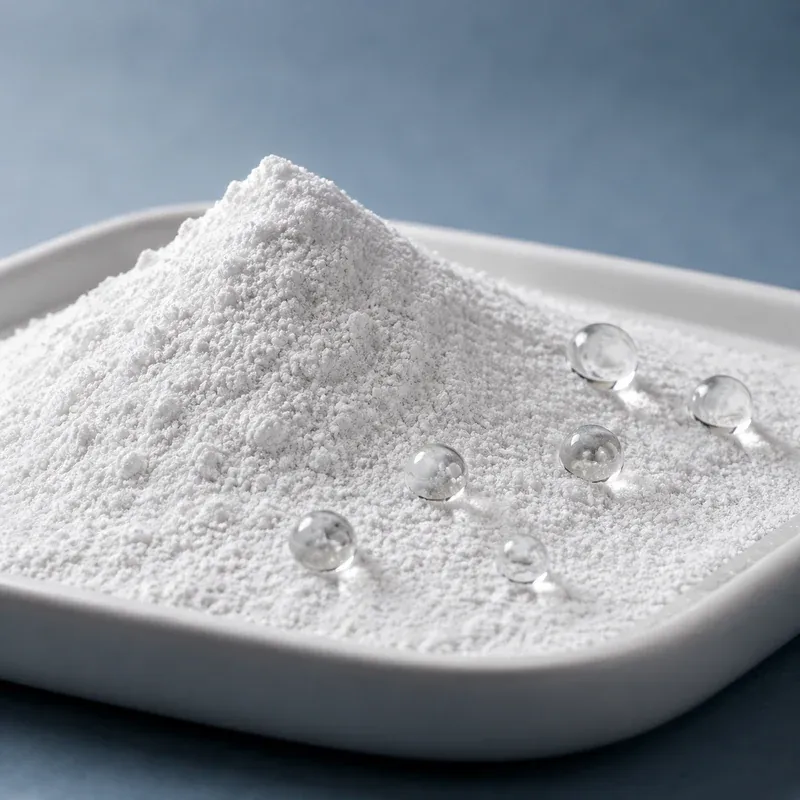
Designed for buyers evaluating reduced water affinity relative to an untreated reference.
Resin Compatibility
Treatment and resin polarity must be matched through wetting and storage trials.
Controlled Dispersion
Particle-size selection supports repeatable mixing and drawdown comparison.
Viscosity Review
Low viscosity build is a formulation objective, not an unconditional powder guarantee.
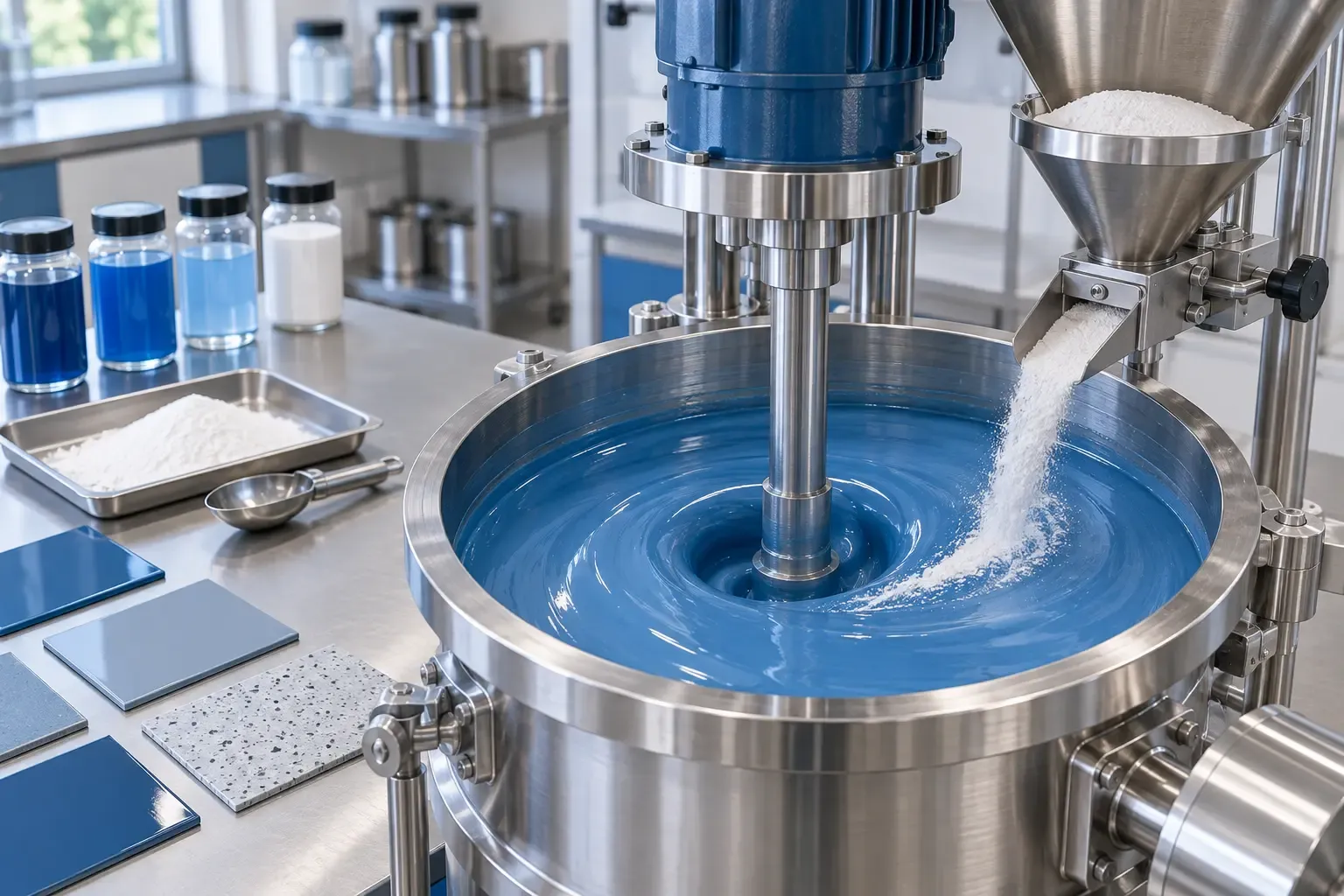
Properties and Application Decision Table
| Selection point | Potential formulation relevance | Required validation |
|---|---|---|
| Surface treatment | Wetting and compatibility with the selected resin phase. | Confirm treatment identity and compare in the actual binder. |
| Hydrophobic response | Moisture sensitivity and powder-handling evaluation. | Agree the test method; do not infer a contact angle from an image. |
| Particle-size distribution | Mixing, packing, film build and surface appearance. | Specify D-values, top-cut or residue limits and method. |
| Oil absorption | Useful as a comparative powder-screening indicator. | Compare current lot data using one agreed method. |
| Finished flooring behavior | Flow, leveling, air release, finish, cure and adhesion. | Customer-side formulation and substrate testing. |
How to Compare Treated and Untreated Quartz
- Use one resin, hardener and additive package for both comparisons.
- Condition the powders and record moisture before mixing.
- Keep filler loading, addition sequence, mixing energy and temperature constant.
- Measure viscosity or flow using the same method and elapsed time.
- Apply equal-thickness panels on the same substrate and cure schedule.
- Inspect leveling, pinholes, color, gloss, hardness and adhesion using the buyer's acceptance criteria.
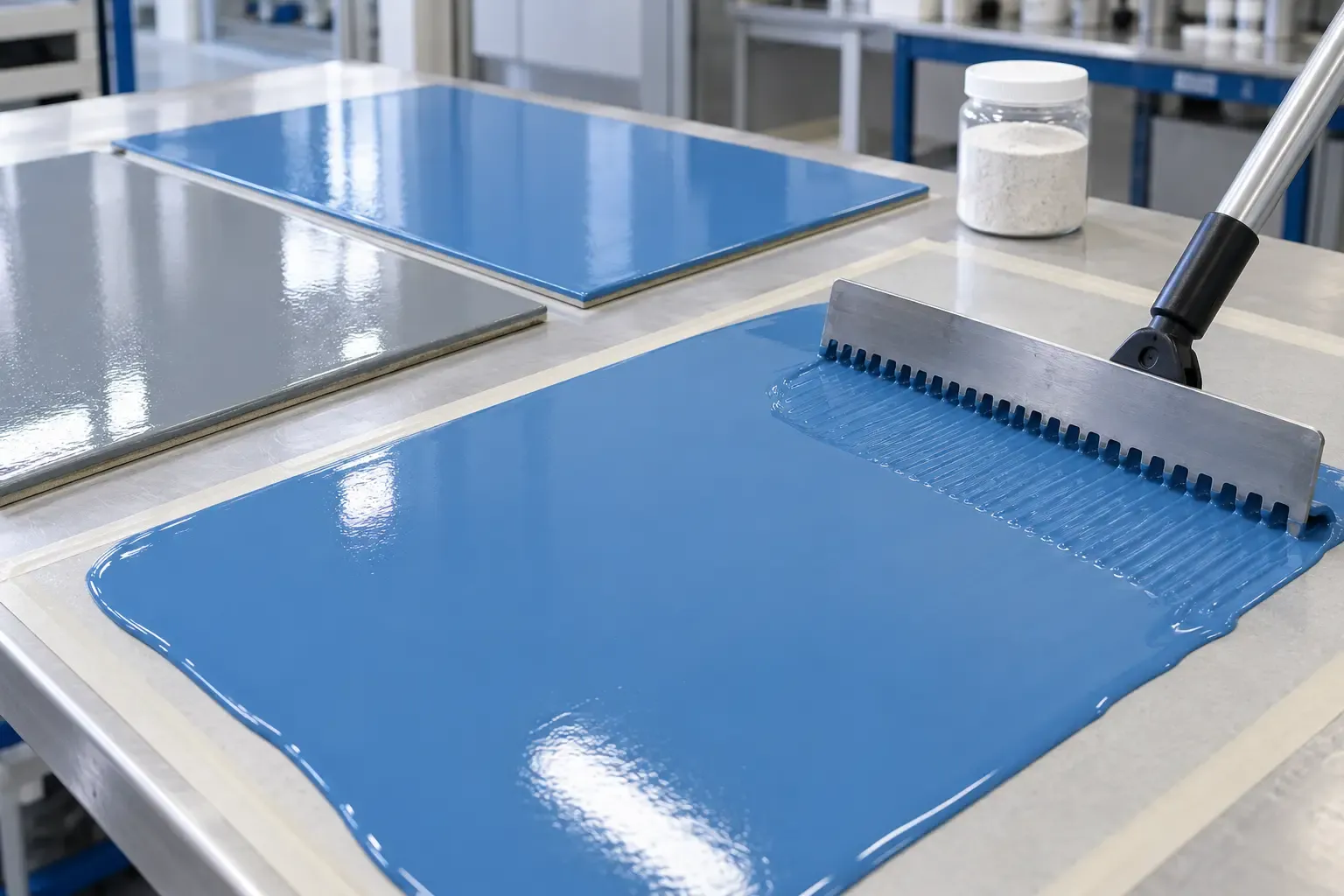
Information Needed for Grade Matching
| Buyer input | Recommended detail |
|---|---|
| Flooring system | Primer, self-leveling layer, mortar, topcoat or other filled layer. |
| Binder chemistry | Epoxy and hardener type, diluent, pigment and dispersant package. |
| Process target | Mixing equipment, application method, film thickness and working time. |
| Powder specification | PSD, moisture, oil absorption, treatment evidence, packing and lot documents. |
| Acceptance plan | Flow, leveling, surface, cure, mechanical and adhesion methods. |
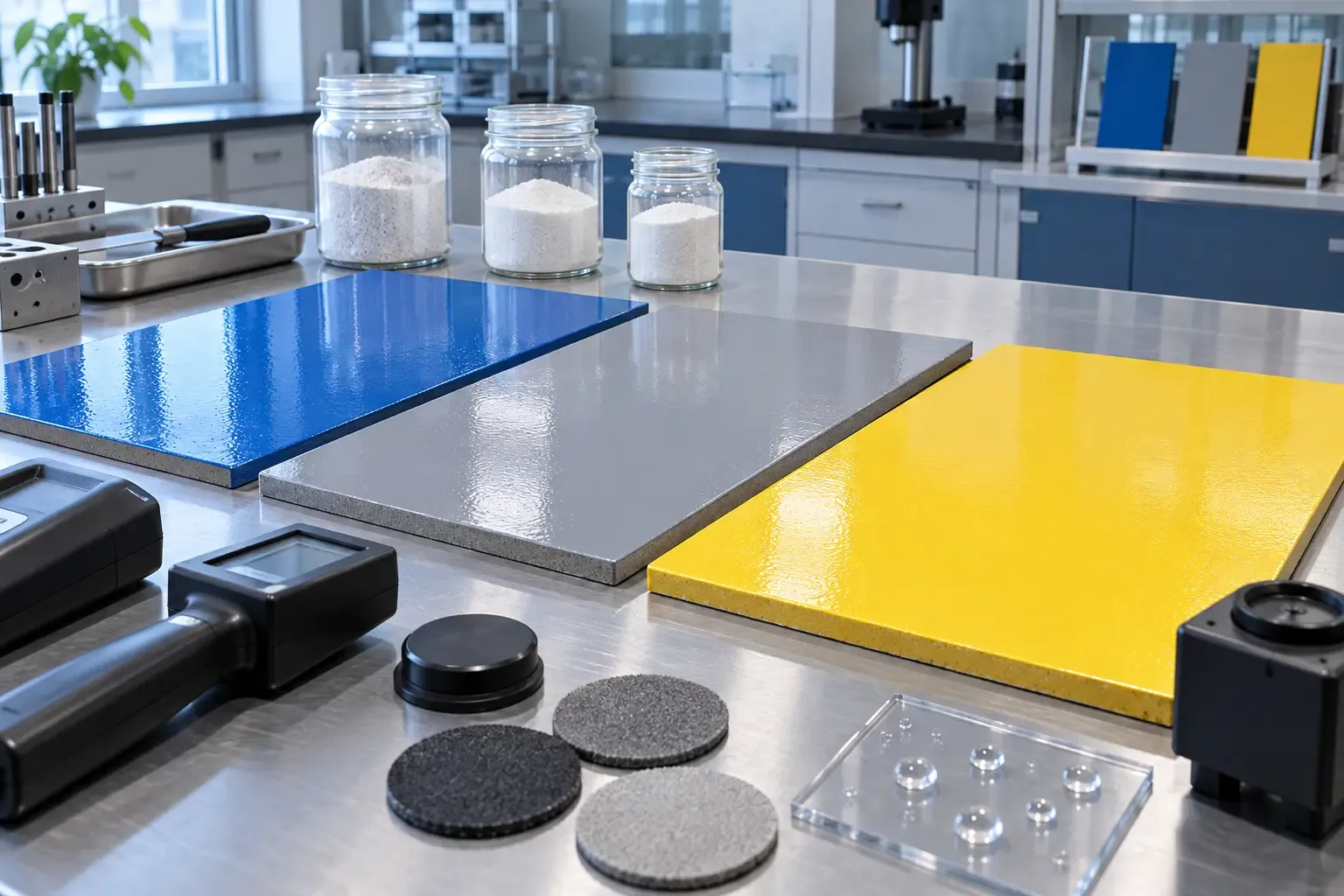
Frequently Asked Questions
Is this product fumed silica?
No. It is a micronized, natural-quartz-derived mineral filler with surface treatment. Fumed silica and precipitated silica are different materials made by different processes.
Will the treated powder always reduce epoxy viscosity?
No. Viscosity depends on PSD, treatment compatibility, loading, resin and hardener chemistry, additives, temperature and mixing. Compare it with an untreated reference under controlled conditions.
Can the water-bead image be used as a contact-angle result?
No. It is a visual application image only. Any numerical hydrophobicity claim requires an agreed test method and verified data.
What should a flooring buyer request before sampling?
Request the applicable TDS, COA and MSDS, then define particle size, moisture, oil-absorption or treatment checks and the customer-side panel test.
For another treated-powder application, review Hydrophobic Surface-Treated Silica for Polymer Masterbatch. For sealant-focused grade evaluation, see Silane-Treated Silica Powder for Industrial Sealants.
Request an Epoxy Flooring Filler Review
Share the flooring layer, epoxy system, target PSD, filler loading, viscosity method, annual quantity and required documents. Changtong will review the available grade before sampling.
Request a Quote