Surface-Treated Silica for Silicone Thermal Interface Materials: Dispersion and Pump-Out Trials
A formulation guide for screening surface-treated silica in silicone thermal interface materials through dispersion, dispensing, thermal cycling and pump-out tests.
Formulation guide · Silicone thermal interface materials
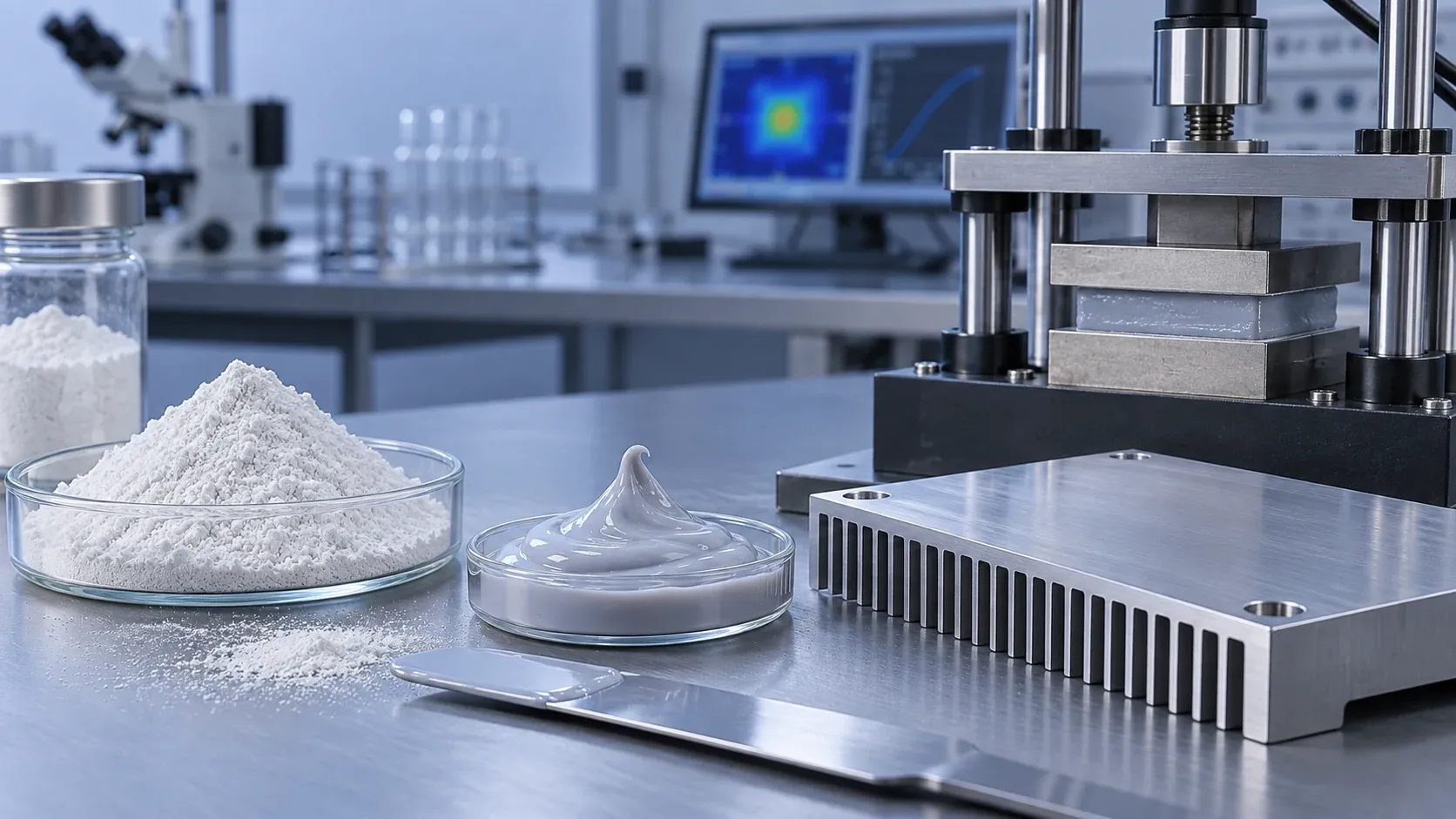
For silicone thermal interface materials, surface-treated silica selection should connect wetting, dispersion, loading, pump-out resistance and thermal test data. A hydrophobic label alone cannot predict a finished gap-filler or encapsulant result.
Why Surface Chemistry and Process Must Be Screened Together
AI servers, power electronics and EV systems are pushing thermal materials toward tighter process windows. The filler must disperse in the selected silicone, remain stable during storage and dispensing, and survive thermal cycling without unacceptable bleed or pump-out. These are formulation outcomes, not guaranteed powder properties.
Keep material identities separate: hydrophobic surface-treated silica is not untreated crystalline silica, fused silica, precipitated silica or a finished thermal interface compound. Record the treatment chemistry and the base silica phase before comparing grades.
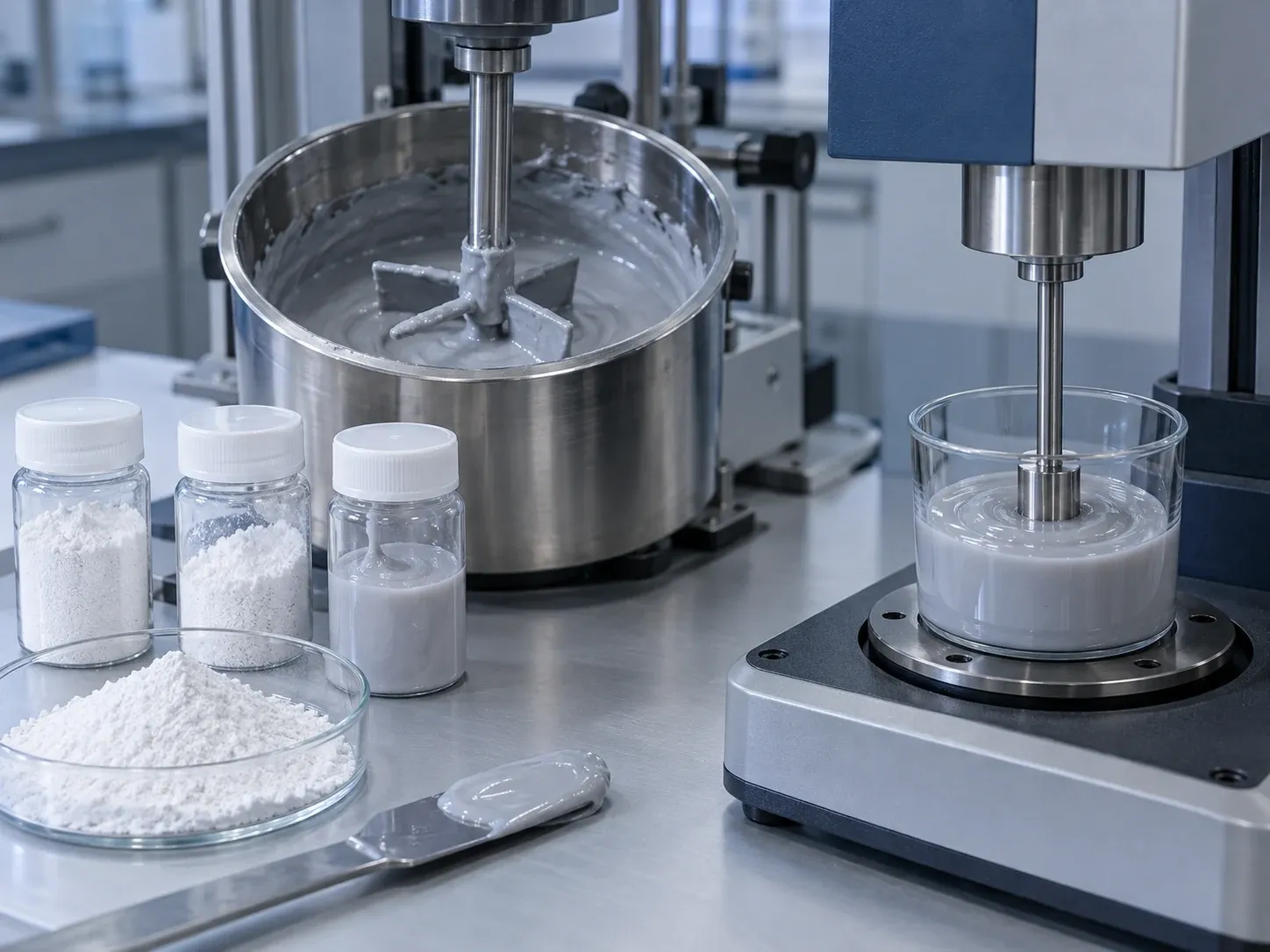
Fields to Request Before the Mixing Trial
| Field | Evidence to request | Why it matters |
|---|---|---|
| Base silica identity | Phase, chemistry and current TDS/COA | Prevents cross-phase performance assumptions |
| Treatment chemistry | Treatment type, dosage basis and storage condition | Controls silicone wetting and compatibility |
| PSD and surface area | Method, D10/D50/D90, BET if specified | Links loading, viscosity and contact area |
| Moisture and volatiles | Current TDS/COA and test method | Screens bubbles, cure variation and storage risk |
| Thermal test plan | Customer method, thickness, pressure and cycle | Makes pump-out and conductivity comparisons meaningful |
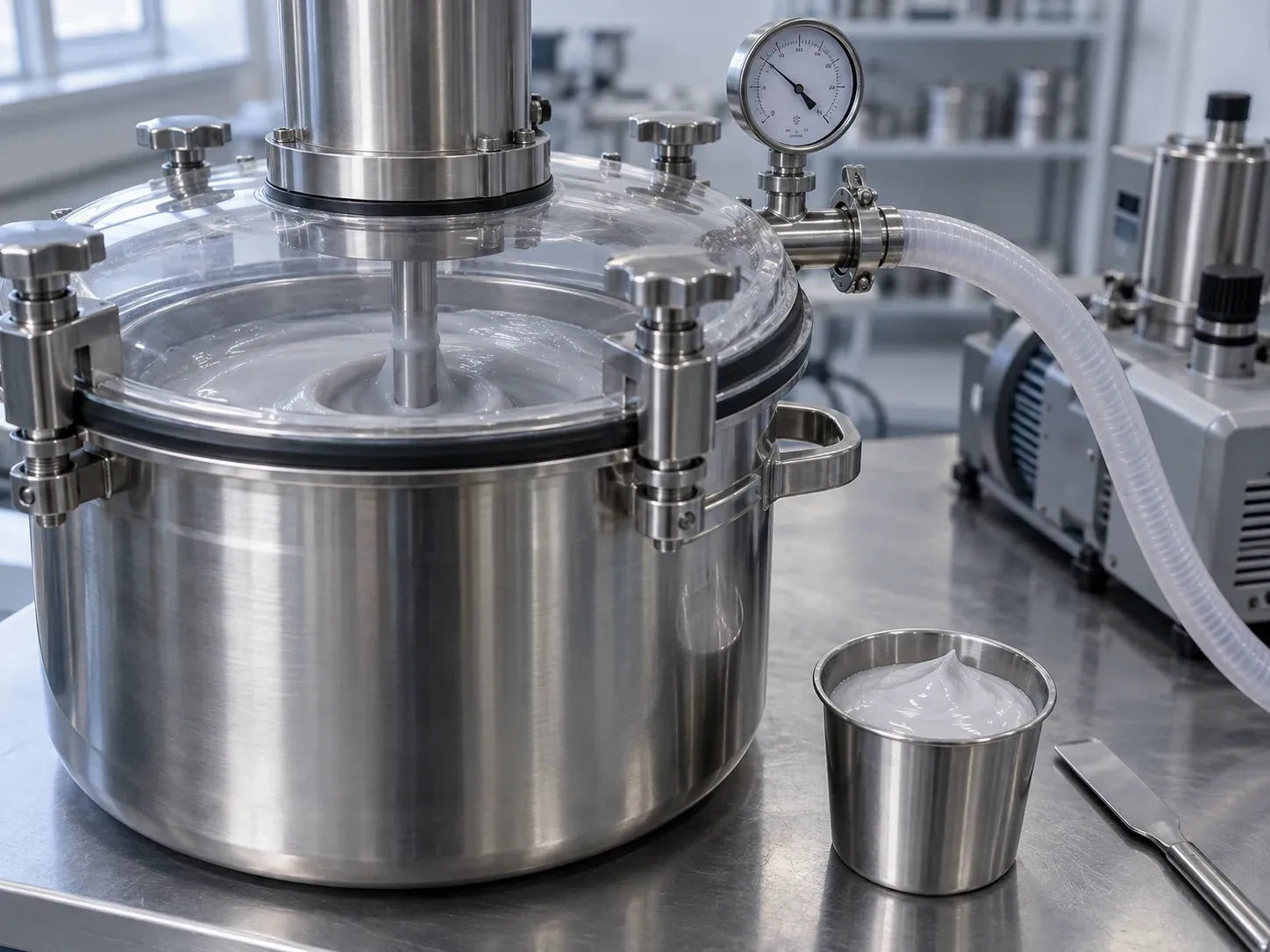
A Practical Qualification Sequence
- Measure the powder. Confirm phase, treatment, PSD, moisture and required surface-area fields.
- Build a controlled compound. Keep silicone, catalyst, loading, mixing energy and de-airing fixed.
- Check process behavior. Record viscosity, wetting, dispersion, settling, dispensing and cure response.
- Run thermal-interface tests. Use the customer’s thickness, pressure, thermal method, cycling and pump-out protocol.
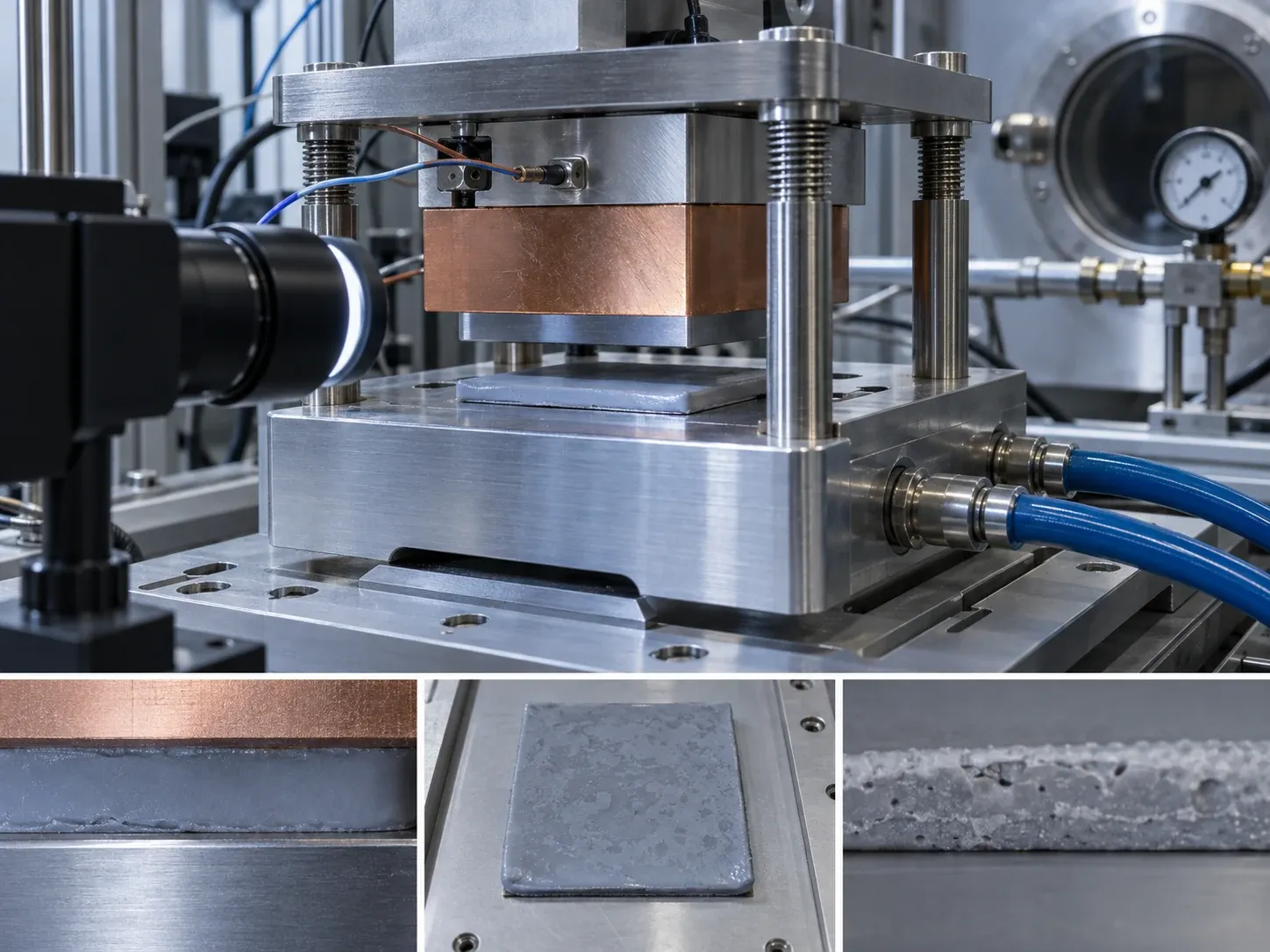
Related Changtong Material Routes
For surface-treated silica used in polymer systems, review hydrophobic surface-treated silica for polymer masterbatch. For electronics encapsulation, compare hydrophobic treated silica for EV battery-module encapsulation and silica filler for electronic potting compounds before defining the silicone trial.
FAQ
Does hydrophobic treatment guarantee lower viscosity?
No. Viscosity depends on treatment, PSD, surface area, silicone chemistry, loading, temperature and mixing history.
Can powder data guarantee a lower thermal resistance?
No. Thermal resistance is a finished-interface result affected by bondline thickness, pressure, voids, cure and test method.
Request a Surface-Treated Silica Interface-Material Trial Review
Send the silicone type, filler loading, treatment requirement, dispensing route, bondline, thermal test method, cycling plan, quantity and required documents.
Request a Quote