Fused Silica Cores: Locate Cracks Before Debinding Changes
Locate ceramic-core cracks across molding, debinding and firing before changing fused silica grade. Compare geometry, support and binder-removal evidence.
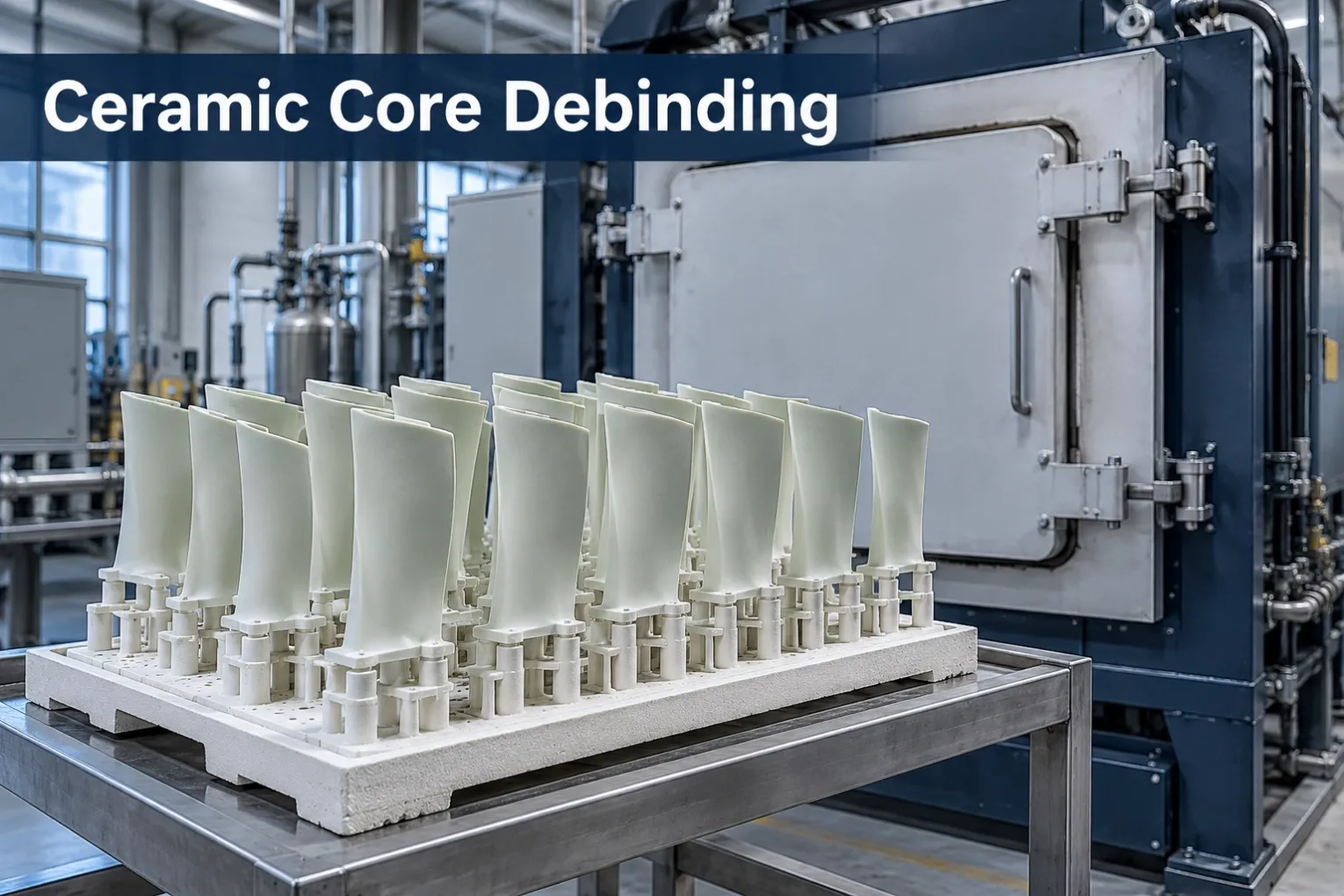
Changing a furnace ramp is a weak first response when nobody knows whether the ceramic core was already damaged before heating. A useful crack investigation follows the same core geometry through molding, binder removal and firing. Each inspection point answers a different question.
Changtong technical guide · · Industrial Application Guides
Create a map of when damage becomes visible
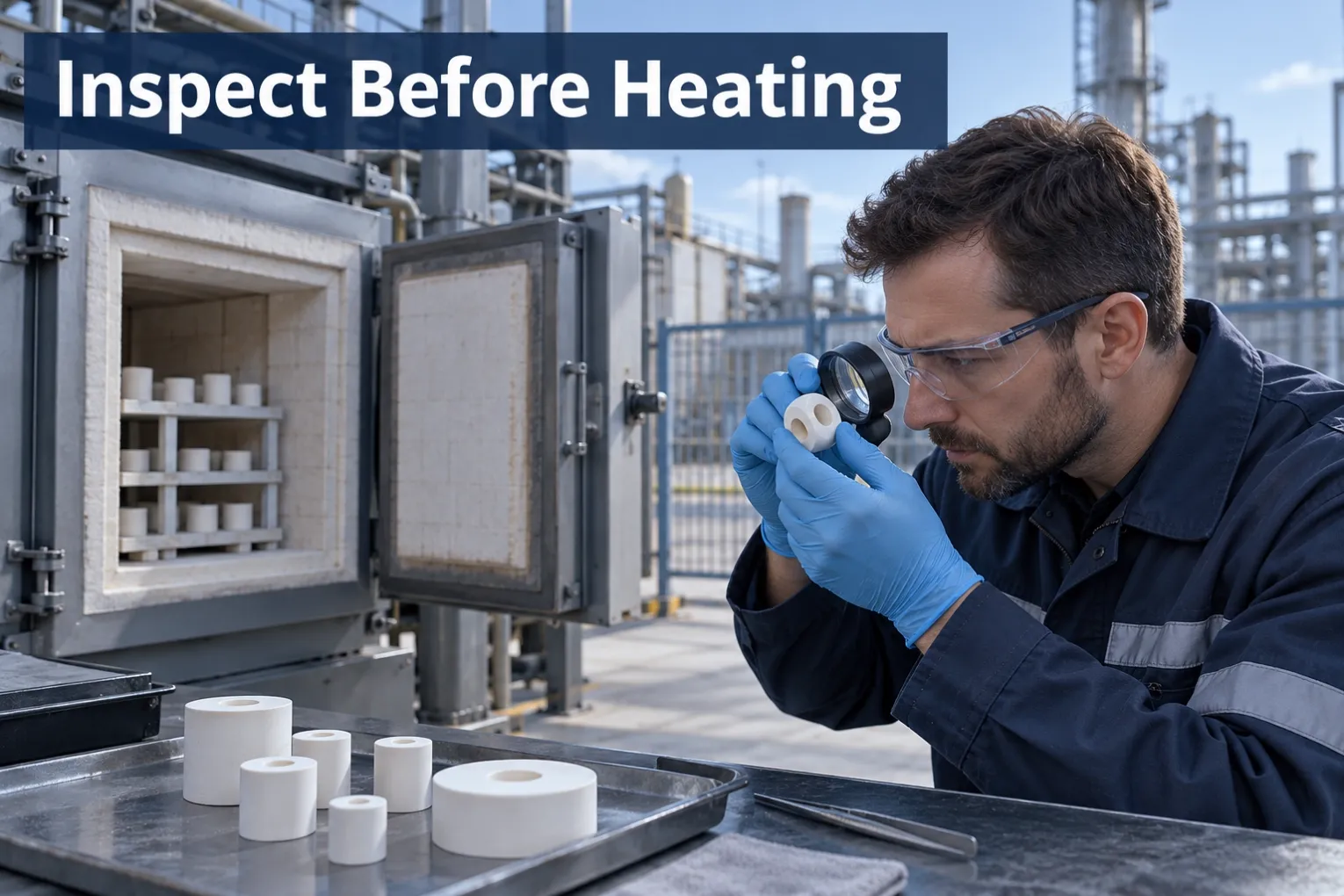
Identify a matched group of green cores before any heat treatment. Inspect gate areas, thin ribs, section transitions and handling contact points. Record orientation and support, then photograph the same features after binder removal and after firing.
Use a consistent inspection method and define its detection limit. A crack first seen after debinding may have grown from an earlier defect below the inspection threshold. Describe the observation accurately rather than declaring that the furnace created every visible crack.
Keep the powder and binder system identifiable
Fused silica is an amorphous silica feedstock; it is not interchangeable with crystalline quartz or cristobalite. For Changtong’s injection-molded core candidate, confirm grade identity, phase evidence, particle-size method and current chemistry documents alongside the binder formulation.
A core is a powder–binder assembly before firing. Powder loading, mixing history, molding conditions and binder distribution are part of the investigation. If a grade substitution changes flow or packing, compare molded dimensions and green defects before using the furnace result to rank powders.
Separate transport problems from loss of support
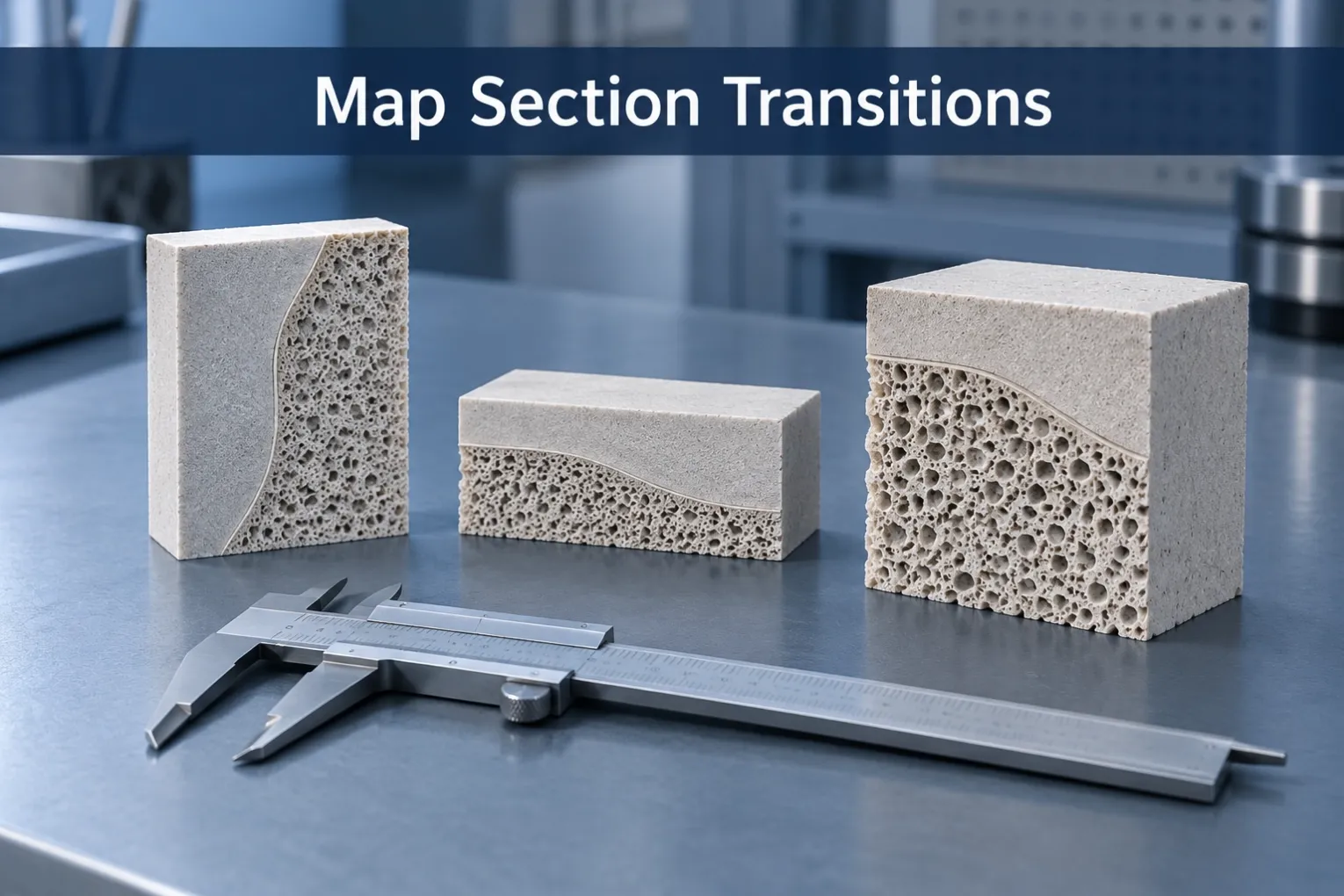
Binder removal must be evaluated for the actual binder package and geometry. Thick sections and abrupt section changes deserve their own inspection locations. Compare evidence for gas-release damage with evidence for sagging or contact damage; neither can be resolved from a single overall reject percentage.
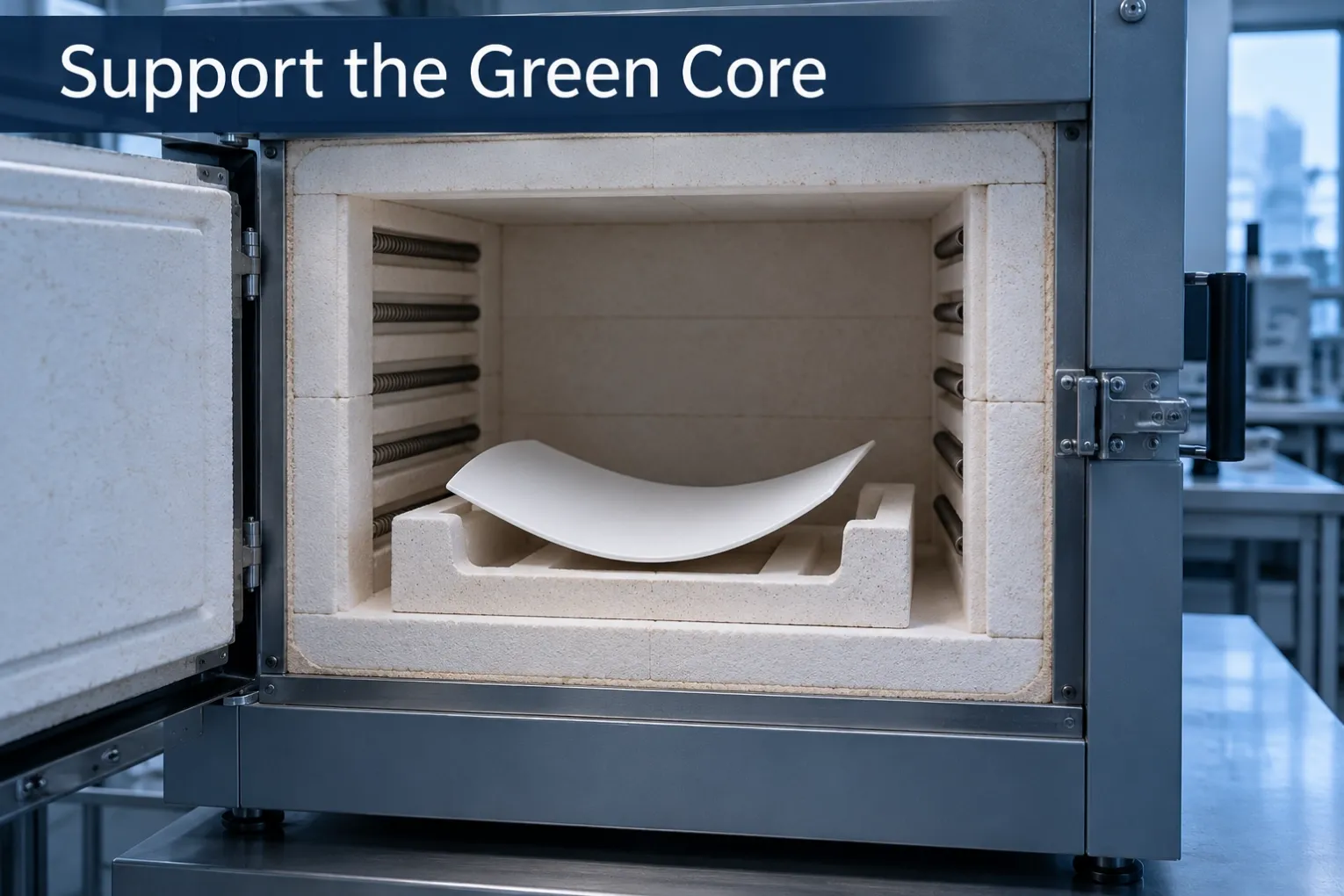
Record the tray, support material, contact area, part spacing and furnace loading. A change in how a delicate core is supported may alter distortion without resolving a binder-removal problem. Any support revision must also be checked for contamination and dimensional imprinting.
Kim, Yeo and Choi studied injection-molded fused-silica/zircon ceramic cores in 2016. Their experiments linked binder-removal and firing conditions with bloating, strength, shrinkage and crystallization. That is a reason to track both stages; their formulation-specific heating conditions are not a schedule for an unrelated Changtong customer core.
Develop the trial with the binder and furnace specialists. Change one justified segment or support condition at a time, using a reproducible batch and matched core sections. Record actual thermal history where practical, rather than relying solely on the furnace program name.
| Inspection point | Evidence to retain | Next question |
|---|---|---|
| After molding | Gate/rib photographs, orientation and green dimensions | Was damage present before heat treatment? |
| After binder removal | Mass history where applicable, support map and crack locations | Did defects emerge with removal or loss of support? |
| After firing | Dimensions, fracture observations and agreed phase evidence | Did shrinkage or phase development introduce a new failure? |
| After downstream exposure | Handling and removal endpoints | Does the accepted core still meet the complete process? |
Establish a stopping rule for the trial
Do not advance visibly damaged green or debound cores into an acceptance comparison as if they were sound reference specimens. Retain them for diagnosis, label their condition, and decide whether the next experiment belongs upstream. Define the allowed dimensional change and inspection endpoint before judging a revised schedule.
Decide whether the next test belongs to molding or firing
If defects are visible in green cores, investigate molding and handling before optimizing firing. If damage emerges after binder removal, examine the binder-removal stage and supports. If sound debound parts fail after firing, review shrinkage, phase development and the firing environment.
Approval should cover usable dimensions and downstream handling as well as a clean surface. Casting exposure and core removal remain additional gates. A crack-free core at room temperature is not automatically qualified for wax injection, casting or leaching.
Published core experiments are industry reference evidence. Their binder recipe, heating rates and firing temperatures are not Changtong specifications or guaranteed operating windows.
Frequently Asked Questions
Does fused silica eliminate debinding cracks?
No. The binder system, molding history, geometry, support and thermal conditions remain decisive. The powder is one part of the feedstock.
Can a published heating rate be copied directly?
Only after establishing that the binder, geometry, equipment and acceptance basis are applicable. A research schedule is not a universal supplier recommendation.
Is a successful firing trial enough for production approval?
No. Check dimensions, wax and shell operations where relevant, casting exposure and the agreed removal endpoint.
Related products
Fused Silica Powder for Injection-Molded Ceramic CoresRelated technical guides
Ceramic-Core Leachability After Casting Heat ExposureReferences and Evidence Limits
Public source descriptions checked on 26 October 2026. References support the stated subject and method boundaries; they are not Changtong test certificates. Consult the applicable full method for execution.
Request a Quote
Provide the core geometry, binder route, molding process and inspection-stage findings when requesting a fused silica grade review.
Request a Grade Review and Quote